Business lawyer assisting foreign company with branch office registration in Romania

How to Register a Branch Office of a Foreign Company in Romania


How to Register a Branch Office of a Foreign Company in Romania

Setting up a branch office in Romania offers foreign companies a strategic foothold in the European market. This comprehensive guide provides an overview of the process to register a branch in Romania, ensuring compliance with Romanian regulations and maximizing your business potential. From understanding the nuances of Romanian law to navigating the National Trade Register Office, we’ll walk you through each step.


Need Professional Help?

At our law firm, Atrium Romanian Lawyers, we assist clients with corporate & commercial law, branch registration, and investor-friendly advisory services.


Understanding Branch Offices in Romania

A receptionist welcoming visitors at the front desk of the office.

What is a Branch Office?

A branch office in Romania serves as an extension of the parent company, allowing it to conduct activities in Romania without creating a separate legal personality. Essentially, registering a branch is establishing a physical office in Romania that operates under the umbrella of the existing foreign company. Unlike a Romanian subsidiary, the branch office shares the same legal entity as its parent company, simplifying administrative processes while expanding its reach.

Branch vs. Subsidiary: Key Differences

TypeDescription
Branch OfficeExtension of parent company without separate legal personality; parent is directly liable
SubsidiaryDistinct legal entity with own capital; provides liability protection to parent

Benefits of Establishing a Branch in Romania

  • Test the Romanian market and gain insights before committing to a full-fledged subsidiary
  • Simpler and faster registration process compared to forming a new Romanian legal entity
  • Lower initial setup costs and reduced administrative burden
  • Leverage the established brand and resources of the parent company
  • Direct representation in the European Union market

Legal Framework for Foreign Companies

A close-up of legal documents and a pen on a desk.

Romanian Companies Law 31/1990

The Romanian Companies Law 31/1990 is the cornerstone of corporate governance in Romania, influencing how foreign companies can establish a branch. This law defines the legal entities permitted to operate in Romania and outlines the requirements for company formation, including registering a branch. Understanding this legislation is vital for foreign investors aiming to register a branch in Romania, ensuring compliance with local regulations.

Foreign Branch Legal Requirements

To register a branch in Romania, foreign companies must meet specific legal requirements:

  • Submit parent company’s registration documents, translated and notarized, to the National Trade Register Office (ONRC)
  • Ensure the branch representative has power of attorney to register and legally bind the company
  • Provide a registered office address in Romania with proof of occupancy
  • Define the scope of activities through CAEN codes

Registration with ONRC Romania

The National Trade Register Office (ONRC) is the central authority for registering a branch in Romania. The process involves filing necessary documents, including the parent company’s details, the decision to open a branch, and the appointment of the branch representative. Once approved, the branch office receives a unique registration number and tax identification code, allowing it to operate legally.

Atrium Romanian Law Office is an expert legal services provider based in Romania, specifically in Bucharest. The firm’s team of experienced Romanian lawyers and professionals are equipped to resolve any legal issue in a timely manner. They offer guidance through the branch registration process, ensuring full compliance with Romanian law.


Step-by-Step Registration Process

A checklist with steps for registration is pinned on a bulletin board.

Phase 1: Preparation of Required Documents

  • Parent company’s articles of association and certificate of incorporation
  • Board resolution authorizing the establishment of the branch
  • Proof of legal existence of the parent company
  • Details of the branch representative and their power of attorney
  • Business plan detailing planned activities in Romania

All foreign documents must be officially translated into Romanian and notarized. This preparation is crucial for avoiding delays with ONRC.

Phase 2: Branch Registration with ONRC

  • Submit all prepared registration documents to ONRC (in person or online)
  • Pay the registration fee (typically €50-€100)
  • ONRC reviews documents for compliance with Romanian legal requirements
  • Upon approval, receive registration certificate and unique fiscal code
  • Branch receives official publication in the Commercial Register

Phase 3: Tax Registration with ANAF

Phase 4: Post-Registration Formalities

  • Open business bank account in Romania
  • Register for social security and employment purposes
  • Apply for sector-specific licenses or permits if required
  • Notify relevant authorities of branch operations

Key Responsibilities After Registration

A computer screen displaying a business registration form.

Role of the Branch Representative

The branch representative holds significant responsibilities:

  • Acts on behalf of the parent company in all matters related to the branch
  • Is authorized to make decisions and enter into contracts
  • Must be a resident of Romania or an EU citizen with valid residence permit
  • Ensures compliance with all Romanian legal and regulatory requirements
  • Serves as the main point of contact with Romanian authorities

Parent Company Obligations

The parent company maintains certain obligations:

  • Remains ultimately liable for all activities conducted by the Romanian branch
  • Must ensure the branch adheres to Romanian legal standards
  • Is responsible for financial reporting and tax compliance
  • Must promptly communicate changes to structure or articles of association
  • Must maintain adequate insurance coverage for branch operations

Common Pitfalls & How to Avoid Them

Two people are discussing documents in a meeting room.
  • Incomplete translations — Ensure all documents are properly translated and notarized by qualified professionals
  • Inadequate branch representative — Choose a qualified individual familiar with Romanian business practices
  • Tax compliance issues — Establish robust accounting and tax reporting procedures from the start
  • Incorrect CAEN codes — Define business activities carefully to match registration requirements
  • Delayed bank account opening — Prepare all documentation in advance to expedite the process
  • Missing sector licenses — Identify and obtain all required permits before commencing operations

Useful Resources & Links


FAQ – Branch Registration in Romania

Q: What is a branch office of a foreign company in Romania?

A: A branch office is an extension of the parent company located abroad. It operates under Romanian laws while representing the foreign legal person and can engage in various business activities.

Q: How long does it take to register a branch in Romania?

A: The registration process typically takes 2-4 weeks, depending on the completeness of submitted documents and ONRC processing time.

Q: What are the registration costs?

A: Costs typically range from €500-€1,500, including ONRC fees, translation and notarization services, publication fees, and optional legal advisory services.

Q: Can a foreign company open multiple branches in Romania?

A: Yes, a foreign company can open multiple branches. However, each branch must be registered separately and comply with local laws and regulations.

Q: What is the difference between a branch and a representative office?

A: A branch can engage in commercial activities and generate revenue, while a representative office is limited to promoting the parent company’s interests without engaging in direct business activities.

Q: Is the branch representative required to be Romanian?

A: The branch representative must be a resident of Romania or an EU citizen with a valid residence permit. They don’t need to be Romanian by nationality.

Q: What are the tax implications for a branch?

A: A branch is subject to corporate income tax on income generated within Romania. It must register for VAT if annual turnover exceeds EUR 88,500 and comply with Romanian tax regulations.

Q: What documents are required to register a branch?

A: Required documents include the parent company’s incorporation certificate, articles of association, proof of legal existence, branch representative details, power of attorney, and information about planned activities.

Q: Can changes be made to the branch after registration?

A: Yes, changes such as branch representative, registered office, or scope of activities must be reported to ONRC. The parent company must ensure all modifications are properly documented and filed.


Disclaimer: This article is for general information only and does not constitute legal advice. Please consult with a qualified Romanian corporate lawyer to verify current laws and regulations before proceeding with branch registration. Laws and procedures are subject to change, and individual circumstances may vary.

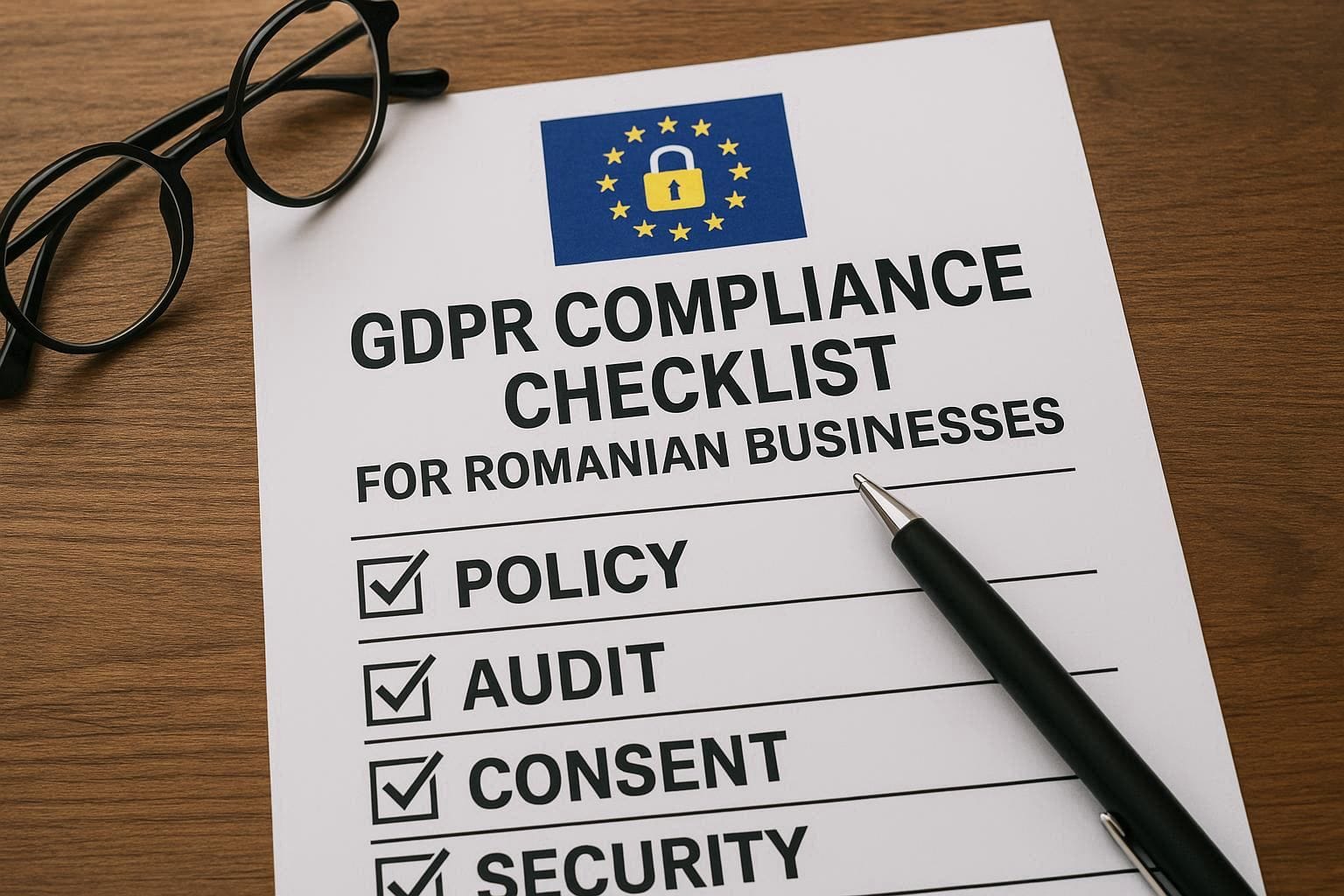
Romanian business professional reviewing GDPR compliance checklist on laptop in Bucharest office

GDPR Compliance Checklist for Romanian Companies 2025

GDPR Compliance Checklist for Romanian Companies

What crucial step could protect your business from devastating fines while building customer trust?

Many organizations underestimate how Europe’s strict data protection laws apply to their operations.

While GDPR penalties can reach €20 million or 4% of global revenue, Romanian enforcement authorities have imposed fines ranging from €3,000 to €130,000 for violations, demonstrating that penalties scale with the severity of breaches and organizational size.

GDPR compliance checklist for Romanian companies

Romania’s evolving digital economy demands proactive measures to align with rigorous privacy standards.

Legal experts emphasize that proper adherence involves more than basic policy updates—it requires systematic data governance.

Companies must address consent protocols, breach response plans, and cross-border data flows to avoid regulatory scrutiny.

Specialized legal guidance helps businesses transform compliance into strategic advantages.

Firms adopting privacy-first approaches often see improved client relationships and operational resilience.

Those delaying action risk not only financial consequences but also long-term reputational damage in competitive markets.

For tailored strategies meeting international standards, contact our data protection lawyers in Bucharest.

Our team of legal professionals provide actionable frameworks to navigate complex requirements while prioritizing business growth.

Key Takeaways

  • Data protection laws apply regardless of a company’s physical location if EU resident information is processed,
  • Penalties can reach €20 million or 4% of global revenue, emphasizing the need for preventive measures,
  • Building customer trust through transparent data practices creates market differentiation,
  • Legal experts offer customized solutions to align business operations with regulatory demands,
  • Compliance involves continuous monitoring, not just one-time adjustments.

Understanding GDPR and Its Impact on Romanian Businesses

How can organizations in Romania turn regulatory demands into strategic opportunities?

The General Data Protection Regulation (GDPR) reshapes how businesses manage information, particularly for entities handling EU residents’ data.

Its extraterritorial scope means even non-EU-based firms must adhere to strict standards when processing personal details of European citizens.

Core Regulatory Foundations

The regulation establishes six foundational principles for data handling, plus an overarching accountability principle.

These mandate that organizations:

  • Process information lawfully and transparently,
  • Collect only necessary data for specific purposes,
  • Maintain accuracy and limit storage durations.

Such requirements demand technical safeguards like encryption and operational protocols for accountability.

Privacy-by-design methodologies ensure protections are embedded in all systems.

Strategic Advantages for Local Entities

Adhering to these standards transforms obligations into opportunities.

Firms prioritizing data protection report:

  • Enhanced client confidence through transparent practices,
  • Reduced breach-related costs and operational disruptions,
  • Differentiation in markets where privacy concerns influence decisions.

For tailored strategies aligning Romanian operations with these regulations, consult our team of Romanian Lawyers.

Proactive adaptation not only mitigates risks but positions businesses as trustworthy data stewards.

Exploring Key GDPR Roles and Terminology

Who holds ultimate accountability in data governance frameworks?

Clarifying responsibilities under privacy regulations helps organizations establish clear operational boundaries.

Three critical roles form the foundation of proper data management practices.

data protection officer

Data Controllers, Processors, and Data Subjects

Data controllers determine why and how personal information is handled.

They bear legal responsibility for compliance across all processing activities.

Third-party processors execute tasks under controller directives but must independently meet security standards.

Individuals whose data is collected, known as data subjects, retain rights to access or delete their information.

Organizations must implement systems to honor these requests efficiently.

The Essential Role of the Data Protection Officer (DPO)

A data protection officer oversees compliance strategies and acts as the regulatory liaison.

This role is mandatory for entities processing sensitive data or conducting large-scale monitoring.

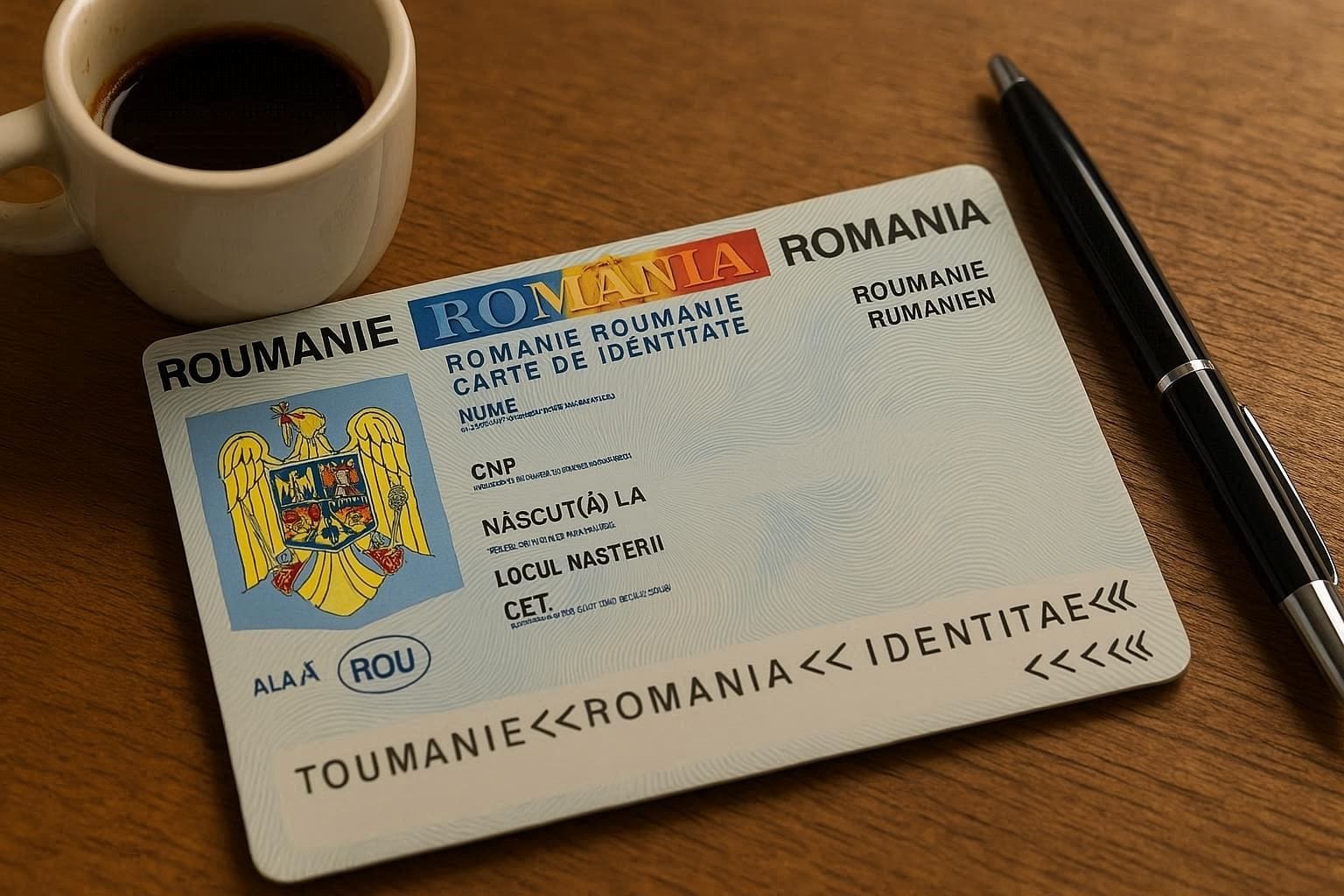
Under Romanian Law 190/2018, organizations processing national identification numbers (CNP) based on legitimate interest must also appoint a DPO, even if they don’t meet the standard GDPR thresholds.

This additional requirement reflects Romania’s enhanced protection for sensitive national identifiers.

Romanian businesses uncertain about role allocations should consult office@theromanianlawyers.com.

Proper classification prevents overlapping liabilities and ensures alignment with cross-border standards.

Conducting a Comprehensive Data Audit and Mapping

Organizations handling personal information must first establish clarity in their data ecosystems.

A systematic audit reveals how data flows through operations, exposing vulnerabilities while ensuring alignment with legal obligations.

This foundational step transforms raw information into actionable insights for risk management.

data audit and mapping

Identifying What Personal Data You Collect

Begin by cataloging every category of personal data your organization processes.

Common examples include:

  • Contact details (names, email addresses).
  • Digital identifiers (IP addresses, device information).
  • Sensitive records (financial data, health information).

Document each data point’s purpose, collection method, and retention timeline.

Assess whether processing activities rely on valid legal grounds like contractual necessity or explicit consent.

Storage locations demand equal scrutiny—identify physical servers, cloud platforms, and third-party repositories holding sensitive materials.

Access controls form another critical audit component.

Map which employees or systems interact with personal data and verify authorization protocols.

This process highlights potential exposure points while streamlining responses to information requests.

Romanian entities seeking structured frameworks for these assessments may contact our data protection legal specialists.

Expert guidance ensures audits meet regulatory expectations while supporting operational efficiency.

GDPR Compliance Checklist for Romanian Companies

Businesses handling EU data face operational complexity when aligning processes with privacy standards.

Structured frameworks simplify adherence while minimizing risks of non-conformance.

Effective strategies combine procedural clarity with technological safeguards to meet evolving requirements.

data protection checklist steps

Actionable Protocols for Information Security

Organizations should prioritize these critical measures:

Action ItemResponsible PartyDeadline
Complete data flow mappingIT & Legal Teams30 Days
Implement encryption protocolsSecurity Department45 Days
Update third-party contractsCompliance Officer60 Days

Consent Management Best Practices

Valid authorization requires unticked checkboxes and separate permissions for distinct processing purposes.

Confirmation emails enhance verification, while centralized logging systems track user agreements with timestamps and purpose details.

Organizations must honor withdrawal requests without undue delay and provide confirmation within one month, as required by GDPR Article 12(3).

Automated systems should flag outdated records immediately upon withdrawal, ensuring ongoing alignment with transparency obligations and ceasing processing activities promptly.

Regular audits verify adherence to storage limitation principles and access controls.

Local enterprises seeking customized frameworks may contact office@theromanianlawyers.com.

Specialized guidance helps establish resilient processes that satisfy regulatory expectations while supporting operational scalability.

Ensuring Website Security and Transparent Privacy Policies

How do modern businesses balance robust security with user transparency?

Websites storing personal information require layered defenses against cyber threats.

Organizations must adopt technical safeguards while clearly communicating data handling practices to users.

website security and privacy policies

Implementing SSL, Strong Passwords, and Anti-Virus Measures

HTTPS encryption via SSL certificates forms the first line of defense.

Multi-factor authentication and complex passwords prevent unauthorized account access.

Regular vulnerability scans and firewall updates address emerging threats.

Advanced protections include:

  • Content Delivery Networks (CDNs) to mitigate DDoS attacks,
  • Intrusion detection systems monitoring server activity,
  • Automated backups stored in geographically separate locations.

Designing Clear and Accessible Privacy Notices

Privacy policies must explain data collection purposes in plain language.

Every page should feature a visible link to these documents. Essential disclosures include:

  • Types of information gathered (contact details, device data)
  • Legal basis for processing activities
  • Third-party data sharing arrangements

Entities developing their online platforms should consult office@theromanianlawyers.com for policy reviews.

Proper alignment with privacy standards builds credibility while reducing legal exposure.

Managing Third-Party Vendors and International Data Transfers

How can businesses ensure their partners meet strict data protection standards?

Organizations relying on external vendors must verify their adherence to privacy regulations.

This requires thorough evaluations and contractual safeguards to maintain accountability across supply chains.

Evaluating Vendor Requirements and Contracts

Entities handling personal information must catalog all service providers processing data.

This includes cloud platforms, payment systems, and marketing tools.

Assessments should examine vendors’ security certifications, breach response plans, and documentation of regulatory alignment.

Legally binding agreements define responsibilities between controllers and processors.

These contracts specify permitted activities, retention timelines, and security protocols.

Subcontractor arrangements require explicit approval to maintain oversight.

RequirementActionMechanism
Vendor AccountabilityReview security auditsAnnual assessments
Data TransfersImplement SCCsContractual clauses
Risk MitigationConduct impact analysesTransfer evaluations

Cross-border data flows demand additional precautions.

Companies must confirm whether recipient countries have EU adequacy status.

For other regions, standardized contractual clauses or binding corporate rules become mandatory safeguards.

Romanian enterprises navigating these complexities should seek specialized Romanian Lawyer.

Proactive vendor management frameworks prevent regulatory violations while fostering trust with European partners.

Contact office@theromanianlawyers.com for tailored strategies addressing cross-border operational challenges.

Preparing for Data Breaches and Facilitating Data Subject Rights

What separates resilient organizations from vulnerable ones when cyber threats strike?

Proactive preparation for security incidents and efficient handling of individual rights form the backbone of modern data governance.

Organizations must balance rapid response capabilities with systematic processes to address user inquiries.

Developing a Robust Breach Response Plan

Effective incident management requires predefined protocols.

Immediate detection mechanisms trigger containment procedures within one hour of identifying unauthorized data access.

Forensic teams analyze breach scope while legal advisors determine notification obligations to authorities within 72 hours.

Regular simulation exercises test communication channels between IT, legal, and PR departments.

Documentation templates for breach reports ensure regulatory requirements are met without delays.

Continuous monitoring systems flag unusual activity patterns to prevent escalation.

Streamlining Data Subject Access Requests

Individuals increasingly exercise their right to review or delete personal information.

Centralized portals allow users to submit requests through secure authentication methods.

Automated workflows verify identities and route inquiries to appropriate teams within 24 hours.

Response templates maintain consistency while adhering to legal timelines.

Secure delivery channels protect sensitive information during transmission.

Audit trails demonstrate compliance with access rights obligations during regulatory inspections.

Entities requiring customized frameworks for incident management or user rights processes should contact office@theromanianlawyers.com.

Structured approaches transform regulatory demands into operational strengths while maintaining stakeholder trust.

FAQ

When must Romanian businesses appoint a data protection officer?

Organizations must designate a data protection officer if they systematically monitor individuals on a large scale or process sensitive categories like health records.

Public authorities in Romania also require this role regardless of data volume.

How long can companies retain customer information under EU regulations?

Storage periods must align with the original purpose for collection.

For example, transaction records may be kept for tax compliance periods specified by ANAF (Romania’s tax authority), while marketing contact lists require periodic reviews for relevance.

What technical safeguards are mandatory for website security?

Essential measures include SSL encryption, multi-factor authentication, regular penetration testing, and documented patch management processes.

Organizations should implement security measures proportionate to the risk level of data processing, following GDPR Article 32 requirements for appropriate technical and organizational measures.

Are international cloud providers like AWS or Microsoft Azure GDPR-compliant for Romanian data?

Providers operating under EU-approved mechanisms like Standard Contractual Clauses (SCCs) or binding corporate rules generally meet requirements.

However, companies must verify current certifications and update Data Processing Agreements (DPAs) annually.

What penalties apply for violating data subject rights in Romania?

The National Supervisory Authority for Personal Data Processing (ANSPDCP) can impose fines up to €20 million or 4% of global turnover.

Recent enforcement actions targeted improper consent practices and delayed breach notifications.

How should organizations handle data access requests from employees?

Businesses must respond within 30 days, providing free electronic copies of records.

Implement automated DSAR workflows in platforms like Microsoft 365 or specialized tools such as OneTrust to track and fulfill requests efficiently.

NIF Code Romania

Foreigners’ Fiscal Registration: NIF Code in Romania 2025

Foreigners’ Fiscal Registration: NIF Code in Romania

A close-up of a hand filling out a tax registration form.

Navigating the Romanian fiscal system can be complex, especially for foreign citizens.

One of the first steps is understanding and obtaining a Număr de Identificare Fiscală (NIF), which translates to Tax Identification Number.

This article provides a comprehensive guide to the NIF code in Romania, its importance, and how to obtain one.

Atrium Romanian Lawyers Bucharest aims to clarify these processes, ensuring foreigners can legally pay taxes in Romania with ease.

Understanding the NIF

Un om ținând un document cu codul NIF vizibil clar.

What is the NIF Code?

The NIF code, or Numărul de Identificare Fiscală, is a tax identification number assigned by the Romanian Tax Authority (ANAF).

It serves as a unique identification number for tax purposes.

Whether you are a Romanian citizen or a foreign citizen, understanding what a NIF is and knowing how to obtain one is paramount.

Atrium Romanian Lawyers can help you with your request.

Importance of the NIF in Romania

The NIF is essential for various transactions in Romania, including opening a bank account, signing contracts, and conducting business.

Paying taxes in Romania as a foreign citizen involves using this number for all tax-related activities.

Without a NIF, foreign citizens cannot comply with Romanian tax regulations.

The Romanian NIF is not just a formality; it is the key to engaging in legal and financial activities within the country, and for tax purposes.

Differences Between NIF and CNP

While both are identification codes, the NIF and CNP (Cod Numeric Personal or Personal Identification Number) serve different purposes and populations.

The CNP is assigned to Romanian citizens at birth and also functions as their tax identification number—meaning Romanian citizens with a CNP do not need to obtain a separate NIF for tax purposes.

The NIF, on the other hand, is specifically issued to foreign nationals who have tax obligations in Romania but do not possess a CNP.

Foreign citizens who earn income in Romania, own property, or conduct business must obtain a NIF by completing Form 030, ensuring they are properly registered as taxpayers with ANAF.

If foreign residents later obtain a residence permit and are assigned a CNP, the fiscal body will replace the NIF with the CNP in the tax records.

How to Obtain a NIF in Romania

Un calculator și un pix așezate lângă un formular de aplicare.

Eligibility for NIF Registration

Eligibility for NIF registration extends to both Romanian citizens and foreign citizens who need to pay taxes in Romania.

Foreign citizens are required to obtain a NIF if they engage in taxable activities, such as employment, business ownership, or property ownership.

To get a NIF, applicants must demonstrate a legitimate reason for needing a tax identification number within the Romanian fiscal system.

Our team of lawyers in Bucharest can assess your specific situation to determine your eligibility and guide you through the application process to obtain a NIF efficiently.

Required Documents for NIF Application

Here’s what foreign citizens generally need to provide when applying for a NIF in Romania.

This may include:

  • A copy of their passport.
  • A residence permit (if applicable).
  • Proof of address in Romania.

Depending on individual circumstances, additional documents like an employment contract or property ownership documents might also be necessary.

Form 030 is often used for non-EU citizens.

Our team of Romanian lawyers can provide a comprehensive list based on your individual circumstances to get your NIF, ensuring a smooth and successful application.

Steps to Apply for a NIF

The process to apply for a NIF typically involves submitting the required documents to the Romanian Tax Authority (ANAF).

The application can be submitted in person at an ANAF office or, in some cases, online.

After the application is processed, ANAF will issue a NIF.

For foreign citizens unfamiliar with the Romanian bureaucracy, this process can be daunting.

Atrium Romanian Lawyers Bucharest can act as your proxy, handling the entire application process on your behalf, from preparing the necessary documents to submitting the application and obtaining your NIF, allowing you to legally pay taxes in Romania.

Using the NIF in Romania

A person holds a document with the NIF code printed on it.

Paying Taxes in Romania with Your NIF

Your NIF serves as your taxpayer identification number, linking all your tax-related activities to your fiscal profile with the ANAF.

Whether you are filing income taxes, property taxes, or any other type of tax, you will need to include your NIF.

The Romanian NIF is essential to legally pay taxes in Romania, and accurately report all relevant financial information.

Understanding Your Tax Obligations as a Foreigner

As a foreign citizen in Romania, understanding your tax obligations is crucial for compliance with Romanian law.

Your tax obligations depend on several factors, including your residency status, the type of income you earn, and any applicable tax treaties between Romania and your home country.

Foreign citizens may need to pay income tax on their earnings, as well as other taxes such as social security contributions.

Consulting with our Romanian legal experts will help you understand your tax obligations.

Personal Tax and NIF Number Management

Proper management of your personal tax affairs and NIF number is essential for avoiding potential issues with the Romanian Tax Authority (ANAF).

Keep your NIF information secure and readily accessible for all tax-related transactions.

It’s also important to keep your contact information updated with ANAF to ensure you receive important notifications and correspondence.

If your personal circumstances change, such as a change of address or employment status, ensure these changes are reflected in your tax records.

Common Issues and Solutions

A calculator and a notepad on a desk with tax-related notes.

Problems in NIF Registration

While the NIF registration process is generally straightforward, applicants may encounter certain issues.

Common problems include incomplete or incorrect documentation, delays in processing, or difficulties navigating the ANAF bureaucracy.

Foreign citizens may face language barriers or lack of familiarity with Romanian tax regulations, further complicating the process.

Rectifying Errors in Your NIF

If you discover an error in your NIF information, it is crucial to rectify it promptly with the ANAF.

Errors can lead to complications with tax filings, penalties, or other issues.

To correct an error, you will typically need to submit a written request to ANAF along with supporting documentation.

This may involve completing form 030.

Atrium Romanian Lawyers can help with the necessary paperwork and communication with ANAF to correct any errors.

Contacting Authorities for Assistance

If you require assistance with your NIF, tax-related matters, or any issues with the Romanian tax system, contacting the appropriate authorities is essential.

The Romanian Tax Authority (ANAF) is the primary government agency responsible for tax administration.

You can contact ANAF through various channels, including phone, email, or in-person visits to an ANAF office.

For personalized guidance and support, consider engaging our Romanian Law Office as your proxy, offering assistance in Romanian tax matters.

NIF Code in Romania: Understanding Your Tax Identification Number

What is a NIF code in Romania?

The NIF code, or tax identification number, is a unique identifier assigned to individuals and entities for tax purposes in Romania.

It is essential for natural persons and legal entities to register for a NIF to legally pay their taxes and conduct various financial transactions within the Romanian state.

How can I obtain a NIF in Romania?

To obtain a NIF, you must submit a request to the Romanian tax authority.

Natural persons need to present identification documents, proof of residence, and fill out the necessary forms.

Documentation can be submitted in original at the fiscal office, and it typically takes a few days for the issuance of the document.

What are the differences between CNP and NIF?

The CNP, or personal numeric code, is a unique identification number assigned to Romanian citizens, while the NIF is specifically for tax purposes.

Although both codes serve as identification, the NIF is essential for business operations and tax obligations, whereas the CNP is primarily used for civil identification.

Do I need a NIF if I actually live in Romania?

If you actually live in Romania and plan to engage in any economic activities, you will need to obtain a NIF.

This applies to both Romanian citizens and foreigners who intend to pay taxes in Romania or conduct business operations.

Can a proxy obtain my NIF if I live in Bucharest?

Yes, a proxy can obtain your NIF on your behalf as long as they have the necessary authorization and documentation.

If your proxy lives in Bucharest, they can represent you at the fiscal office to facilitate the process of obtaining your NIF.

What happens if I do not have a NIF?

If you do not have a NIF, banks might refuse to open an account for you, and you may encounter difficulties in legally paying your taxes.

It is important to obtain a NIF to avoid complications with financial transactions and tax compliance.

Can I avoid double taxation with a NIF?

Having a NIF can help you navigate tax obligations and potentially avoid double taxation, especially if you are a foreign resident with income generated in Romania.

By properly declaring your tax status and utilizing tax treaties, you can minimize the risk of being taxed twice on the same income.

What documents do I need to attach to obtain a NIF?

To obtain a NIF, you need to attach the following documents: a valid identification document, proof of residence in Romania, and any additional forms required by the Romanian tax authority.

Our Romanian legal specialists advise to ensure that all documents are submitted in original and have proof of delivery to expedite the process.

open a Romanian business bank account

How to open a Romanian business bank account as non-resident

How to open a Romanian business bank account as non-resident


What if accessing European markets through a strategic financial gateway required fewer hurdles than commonly assumed?

With over 40 financial institutions and seamless connectivity to 500 million EU consumers, Romania presents a compelling proposition for international entrepreneurs.

Romanian business bank account as non-resident


Establishing corporate financial operations here involves navigating specific regulatory frameworks distinct from other EU jurisdictions.

Over 70% of newly registered entities prioritize this step within their first operational month, leveraging the country’s extensive ATM networks and multi-currency solutions.

The process demands precise alignment with local compliance standards and EU banking directives.

Professional guidance proves critical when addressing documentation protocols, language considerations, and cross-border transaction requirements.

Key Takeaways:

  • Romania’s financial infrastructure supports access to expansive EU markets through 40+ institutions,
  • Successful account establishment requires understanding dual compliance with national and EU regulations,
  • Most new Romanian enterprises complete this process within their initial operational phase,
  • Multi-currency capabilities streamline international transactions for cross-border operations,
  • Expert assistance mitigates challenges related to documentation and institutional procedures.

Understanding the Requirements and Romanian Banking Regulations

Financial institutions maintain rigorous protocols to align with evolving European standards.

Companies must navigate dual-layer compliance systems that combine local laws with EU directives.

This layered approach ensures transparency while facilitating cross-border economic activities.

banking regulations and compliance


Overview of Local Financial Regulations

The regulatory landscape requires adherence to three core pillars:

Requirement TypeKey ComponentsFrequency
AML VerificationSource of funds analysisInitial setup + annual reviews
Ownership DisclosureBeneficiary identificationDuring registration
Tax ComplianceVAT registration proofOngoing

Financial authorities mandate transaction monitoring systems for all corporate entities.

These systems track cross-border payments and flag unusual activity patterns.

Compliance and Legal Considerations

Documentation requirements vary by industry sector.

Companies in regulated fields like finance or energy face additional licensing steps.

Essential materials include:

  • Certified articles of incorporation,
  • Shareholder structure diagrams,
  • Tax identification certificates.

Quarterly financial reporting remains mandatory for maintaining active status.

Institutions may request updated operational data during periodic audits.

Eligibility and Key Documentation for Non-Residents

Establishing financial operations in this EU jurisdiction requires precise preparation of foundational materials.

Authorities mandate comprehensive verification processes to confirm organizational legitimacy and stakeholder identities.

eligibility documentation for non-residents


Personal Identification Protocols

Legal representatives and shareholders must submit valid passports or national ID cards.

Non-EU nationals often need supplementary residence permits, which require apostille certification.

All foreign-issued identification requires notarized translations into the local language.

Corporate Formation Evidence

Authenticated Articles of Association and Trade Register certificates prove a company’s legal standing.

Financial institutions require proof of registered office addresses through utility bills or lease agreements.

Minimum capital deposits of 200 RON (€45) must be verified through bank transfer receipts.

Document TypeSpecificationsSpecial Notes
Passport/IDValid for 6+ monthsNon-EU requires apostille
Articles of AssociationNotarized copyTranslated version mandatory
Capital ProofBank deposit receiptMinimum 200 RON
Address VerificationRecent utility documentUnder company name

Third-country entities should anticipate extended processing times for document legalization.

Mismatched signatures or expired certifications remain primary causes for application rejections.

Romanian business bank account as non-resident

Efficient setup of financial infrastructure abroad requires understanding sequential protocols.

Institutions prioritize structured workflows that balance regulatory compliance with operational efficiency.

Digital solutions now enable remote completion of most stages, accelerating market entry timelines.

process and documentation checklist


Essential Steps of the Process

The procedure follows five distinct phases:

  1. Provider selection (1-2 days): Evaluate institutions based on transaction capabilities, digital tools, and cross-border support,
  2. Document preparation (3-5 days): Organize materials requiring translation, notarization, or apostille certification,
  3. Application submission (1 day): Utilize online portals with video identity confirmation features,
  4. Compliance review (5-10 days): Undergo anti-fraud checks and operational legitimacy assessments,
  5. Account activation (1-2 days): Finalize initial deposits and receive digital access credentials.

Important Documentation Checklist

Prepare these critical materials to ensure smooth processing:

Document TypeSpecificationsProcessing Tip
Company CharterNotarized translationInclude shareholder signatures
Identity ProofValid passport copiesNon-EU requires apostille
Address EvidenceRecent utility billIssued within 90 days
Capital ProofBank transfer receiptMinimum €45 equivalent

Maintain digital copies of all submissions for quick reference during follow-ups.

Institutions may request additional verification for complex ownership structures.

Choosing the Right Bank or Fintech Provider

Selecting appropriate financial partners significantly influences operational success in cross-border ventures.

Institutions vary in their capabilities, with distinct advantages for different organizational needs.

financial partners selection


Established Financial Institutions

Major domestic institutions provide comprehensive infrastructure through physical networks and localized expertise.

ING offers English-language digital platforms with fee-free debit cards, ideal for tech-driven enterprises.

Banca Transilvania specializes in SME support through tailored loan packages and insurance products.

BCR maintains the largest branch network nationwide, while BRD delivers multilingual mobile banking interfaces.

These organizations excel in regulatory compliance and long-term financial planning.

Modern Financial Technology Solutions

Digital platforms streamline operations with rapid onboarding and multi-currency management.

Wise Business supports transactions in 50+ currencies with API integrations for automated workflows.

Revolut provides real-time expense tracking across 30 currencies through intuitive dashboards.

Provider TypeKey AdvantageIdeal For
TraditionalRegulatory expertiseComplex compliance needs
FintechCost efficiencyStartups & remote teams

Hybrid approaches combining institutional stability with fintech agility are gaining popularity among scaling enterprises.

Decision-makers should evaluate transaction volumes, currency requirements, and growth timelines when selecting services.

Navigating Fees, Charges, and Exchange Rates

Financial efficiency depends on understanding how institutional pricing models impact cross-border operations.

Service providers employ diverse fee architectures that directly affect profitability, particularly for enterprises handling frequent international money movements.

fee structures and exchange rates


Understanding Fee Structures

Traditional institutions typically impose initial setup charges ranging from €50 to €200.

Monthly maintenance costs average €10-€30, with domestic transactions costing 0.15% (minimum 5 RON) at major providers.

International transfers often carry higher percentages and fixed minimums.

Modern fintech solutions disrupt this model through transparent pricing.

Platforms like Wise apply flat 1% fees for currency conversions, eliminating hidden markups.

This approach can reduce transfer costs by 80-85% compared to conventional banking margins.

Fee TypeTraditional BanksFintech ProvidersSavings Potential
Setup€50-€200€0100%
Monthly Maintenance€10-€30€0-€1550-100%
International Transfer0.1% + 15 EUR1% flat80-85%
Exchange Rate Margin3-10%0.5-1%70-90%

Comparing International Transfer Costs

Cross-border transfers outside Europe reveal stark contrasts between providers.

Traditional banks often add 10%+ through inflated exchange rates. For a €10,000 payment, this could mean €1,000 in hidden fees.

Digital alternatives use real-time mid-market rates with clear percentage-based charges.

This transparency enables accurate forecasting of money movement costs.

Businesses processing high volumes should prioritize providers offering bulk discount rates.

Regular audits of transaction statements help identify unnecessary charges.

Combining multiple services often optimizes payment processing expenses across different currency zones.

Securing Your Funds and Banking Services

Modern financial infrastructure prioritizes both asset protection and value-added solutions to support organizational growth.

Institutions deploy layered security frameworks while offering diverse tools to optimize capital utilization.

Data Protection and Security Measures

Advanced encryption protocols safeguard sensitive information across all digital platforms.

Multi-factor authentication remains mandatory for high-value transactions, with biometric verification options gaining traction.

Continuous monitoring systems analyze 100+ risk indicators to detect anomalies in real time.

Financial partners implement tokenization for payment cards and API integrations.

Below shows key security features:

FeatureFunctionBenefit
256-bit EncryptionData transmission securityMilitary-grade protection
Behavioral AnalyticsUser pattern trackingFraud prevention
Automated AlertsSuspicious activity notificationsImmediate response

Additional Financial Services Offered

Beyond core accounts, institutions provide tailored solutions for capital growth.

Credit lines with revolving limits help manage cash flow fluctuations.

Merchant services enable seamless e-commerce transactions through integrated POS systems.

Key offerings include:

  • Short-term financing with competitive interest rates,
  • Customized payroll management platforms,
  • High-yield savings instruments for idle funds.

Investment advisory services assist in portfolio diversification, while trade finance solutions reduce import/export risks.

These tools collectively enhance financial efficiency for enterprises and individuals alike.

Challenges for Non-Resident Entrepreneurs

Establishing financial operations in a foreign country presents unique obstacles requiring strategic navigation.

International entrepreneurs often encounter systemic friction points that demand careful resource allocation and expert guidance.

Many financial branches operate with limited English-speaking personnel, complicating basic inquiries and documentation processes.

Document Translation and Legalization Hurdles

Certification requirements add layers to administrative workflows.

Official papers demand notarized translations and apostille stamps, with processing often taking multiple weeks.

Common pitfalls involve:

  1. Incomplete certification chains for foreign-issued documents,
  2. Mismatched formatting between international and local standards,
  3. Delays in obtaining ministry approvals for specialized sectors.

Proactive planning mitigates these obstacles.

Engaging certified translation services early and verifying requirements through official channels prevents costly revisions.

Many institutions now provide digital checklists to streamline submission processes.

Leveraging Technology for a Seamless Process

Modern financial operations increasingly rely on digital solutions to bridge geographical gaps.

Institutions now deploy advanced systems that simplify complex procedures while maintaining strict compliance standards.

Remote Authentication Methods

Video verification has revolutionized account establishment processes.

BRD and other providers enable identity confirmation through secure live calls, reducing setup timelines by 40-60%.

This approach maintains regulatory requirements while eliminating travel obligations.

Digital submission portals allow instant upload of certified documents.

Applicants receive real-time updates through automated tracking systems.

Key advantages include:

  • 24/7 application progress monitoring,
  • Secure cloud storage for sensitive files,
  • Automated error detection in submissions.

Digital Management Capabilities

Mobile platforms provide comprehensive control over financial operations.

Users execute cross-border payments, monitor balances, and generate reports through intuitive interfaces.

API integrations connect banking data with accounting software for seamless reconciliation.

FeatureTraditional ProvidersFintech Solutions
Verification ProcessIn-person meetingsBiometric video calls
Document SubmissionPhysical deliveryEncrypted uploads
24/7 AccessLimited branch hoursMobile app availability
Third-Party IntegrationManual data entryAutomated API sync

Automated payment scheduling reduces administrative workloads for growing enterprises.

Batch processing handles multiple transactions simultaneously, improving operational efficiency by up to 70% compared to manual methods.

Comparing Banks and Fintech Solutions for Business Accounts

Financial service providers now offer diverse pathways for managing corporate funds, each with distinct operational benefits.

Decision-makers must weigh institutional stability against technological agility when structuring financial operations.

Traditional Institutions: Stability vs Flexibility

Established financial organizations provide local expertise through physical branches and personalized support.

Their comprehensive service portfolios often include specialized lending products and long-term investment strategies.

Processing timelines may extend due to manual verification steps and complex approval hierarchies.

Digital Platforms: Speed and Innovation

Modern financial technology solutions excel in transaction efficiency and cost management.

Leading providers support multi-currency operations across 50+ denominations with real-time exchange tools.

Automated compliance checks and API integrations reduce administrative burdens for cross-border enterprises.

While digital services lack physical locations, their 24/7 accessibility and transparent pricing models address core operational needs.

Hybrid approaches combining institutional credibility with fintech flexibility are emerging as strategic solutions for scaling ventures.

FAQ

What financial regulations apply to non-residents opening corporate accounts in Romania?

Non-residents must comply with Romania’s Anti-Money Laundering (AML) laws and EU banking directives.

Institutions require proof of business legitimacy, source of funds, and adherence to local tax reporting standards.

Which documents are mandatory for non-resident entrepreneurs?

Essential documents include valid passports, proof of address, company registration certificates, and share capital confirmation.

Translated and notarized versions may be required for non-English paperwork.

What steps are involved in opening an account remotely?

The process includes selecting a financial provider, submitting digital copies of identification and company documents, completing video verification, and depositing minimum capital if applicable.

Are fintech platforms legally recognized for corporate banking in Romania?

Yes.

Licensed electronic money institutions like Revolut Business or Wise offer compliant services, often with faster onboarding and multi-currency features compared to traditional banks.

How do exchange rates impact international transactions?

Banks and fintech providers apply varying margins to currency conversions.

Comparing real-time rates and transfer fees can reduce costs for cross-border payments.

What security measures protect account holders?

Institutions implement GDPR-compliant data encryption, two-factor authentication, and transaction monitoring systems.

Clients also receive guarantees under the EU Deposit Insurance Scheme up to €100,000.

Do Romanian banks provide services in English?

Major banks like Banca Transilvania and Raiffeisen Bank offer English-speaking support.

However, legal documents may require certified translations for compliance.

Can non-residents access credit or overdraft facilities?

Credit approvals depend on the company’s financial history and collateral.

Fintech solutions often provide quicker access to flexible credit lines than traditional lenders.

What are the advantages of digital onboarding tools?

Remote video verification, e-signatures, and automated document checks streamline approvals, often reducing processing times to under 10 business days.

How does share capital affect account eligibility?

Romanian LLCs must demonstrate a minimum share capital deposit.

Banks require notarized bank statements or auditor confirmations as proof during applications.

🏦 Romanian Business Banking Quiz

Test your knowledge about opening a business account in Romania


digital products and subscriptions Romania

Selling Digital Products and Subscriptions in Romania: Legal Steps & Compliance Tips

Selling Digital Products and Subscriptions in Romania: Legal Steps & Compliance Tips

A person sits at a desk with a laptop, looking at digital product listings.

Selling digital products and subscriptions in Romania requires careful planning and legal know-how.

Are you ready to start a digital business in Romania?

It’s a big step, but you can avoid legal issues if you follow the right procedures.

Romania’s digital market offers great opportunities for entrepreneurs.

As an EU member state, Romania strictly enforces e‑commerce and VAT regulations.

You’ll need to manage VAT correctly, protect consumers, and adhere to e‑commerce rules.

Selling digital products and subscriptions in Romania provides growth opportunities for SaaS platforms, creators, e‑learning providers, and other online businesses.

Key Takeaways

  • Understand Romania’s digital product sales regulations,

  • Comply with EU and Romanian VAT registration requirements,

  • Learn essential legal steps for Romanian e‑commerce platforms,

  • Develop strategic digital product marketing approaches,

  • Recognize consumer protection and documentation standards.

For personalized legal advice on selling digital products in Romania, email our expert team of Romanian Lawyers at office@theromanianlawyers.com.

Understanding Digital Product Sales Regulations in Romania

A stack of digital devices, like tablets and smartphones, displaying various digital products.

Starting a digital business in Romania means knowing the laws well.

If you sell eBooks or other digital goods, there are specific regulations you must follow.

These ensure a fair and safe market for everyone.

Key Legal Requirements for Digital Sellers

Digital sellers in Romania must:

  • Register for VAT if you cross the turnover threshold.

  • Apply correct VAT rates on digital product sales.

  • Classify products properly to comply with tax rules.

  • File VAT returns and maintain records as required.

Romanian E‑commerce Framework Overview

Romania enforces EU-aligned rules for digital downloads and services, which include VAT compliance and invoicing standards.

Digital Product Categories and Classifications

Digital products are grouped into categories, each with distinct tax and legal implications.

Proper classification helps avoid issues.

Main categories include:

  • Software and apps,

  • E‑books and digital publications,

  • Online courses and e-learning,

  • Digital media and streaming services.

Stay updated on legal changes and retain comprehensive records to operate smoothly.

VAT Registration and Compliance for Digital Products

A calendar marked with important tax deadlines and reminders.

Understanding VAT rules is essential for digital product sellers in Romania.

VAT Thresholds & Registration

Registration Steps

  • Register within 10 days after you exceed the turnover threshold.

  • Non‑EU businesses must appoint a fiscal (tax) representative.

Registration TypeKey RequirementsProcessing Time
Resident CompaniesLocal VAT registration if turnover > RON 300,0005–7 business days*
Non‑Resident CompaniesLocal VAT representative required~10–14 business days*
Digital Product Sellers*Provide product documentation and VAT forms~7–10 business days*

*Times are estimations for context.

VAT Returns & Reporting Deadlines

  • File VAT returns monthly or quarterly (if turnover below RON 300,000 or €88,500).

  • Return and payment deadline is the 25th of the month following the fiscal period.

Accurate record-keeping of invoices, VAT reports, and sales data is vital.

E‑Invoicing Requirements and Documentation

Romania mandates electronic invoicing (e‑invoicing) for B2B and public sector invoices via the national RO e‑Factura (RO_CIUS format) system.

  • B2B and B2G invoices must be sent within 5 working days of issuance via RO e‑Factura.

  • Since January 2025, B2C e‑invoice submissions to RO e‑Factura became mandatory (with exceptions for simplified invoices).

Invoices require digital signatures and must follow RO_CIUS XML format.

Romania also enforces SAF‑T reporting (standardized tax control file).

Non-resident taxpayers must submit SAF‑T starting January 2025.

Digital Subscription Models and Legal Framework

A group of diverse individuals discusses digital sales strategies around a table.

Subscription services in Romania must include:

This ensures trust and regulatory compliance in subscription offerings.

Payment Gateway Integration and Compliance

A close-up of a credit card being inserted into a card reader.

When integrating payment gateways in Romania, ensure:

Payment Gateway FeatureCompliance RequirementImportance Level
GDPR Data ProtectionEU regulatory complianceHigh
Anti‑Money LaunderingFinancial regulationCritical
VAT Auto‑CalculationTax complianceEssential

Select platforms compliant with both Romanian and EU regulations, and consider transaction fees, ease of use, and coverage.

Cross‑border Digital Sales and EU Regulations

A group of people discussing digital marketing strategies in a bright office.

Cross-border digital sales benefit from OSS:

  • OSS lets sellers centralize VAT registration and reporting across the EU WikipediaSovos.

  • Romania can serve as primary OSS registration country Sovos.

  • Applies to B2C digital services exceeding €10,000.

Implement strategies such as multilingual support and transparent currency pricing for effective international operations.

Digital Rights Management and Copyright Protection

O persoană stând la birou cu un laptop, analizând datele despre vânzările de produse digitale.

To protect digital content in Romania:

Protection MethodEffectivenessComplexity
Digital WatermarkingHighMedium
Content EncryptionVery HighHigh
Legal RegistrationHighLow

Keep documentation like contracts and licensing agreements for at least 10 years.

Marketing Digital Products in the Romanian Market

Un site de piață digitală afișat pe un ecran de computer.

To thrive in Romania, tailor your marketing:

Digital Marketing Channels:

  • Social media (Facebook, Instagram),

  • Local marketplaces,

  • Professional networks and Romanian ad platforms.

Comply strictly with GDPR in ads and influencer campaigns.

Marketing ChannelEffectivenessCompliance Level
Social Media AdvertisingHighStrict GDPR enforcement
Content MarketingMediumModerate regulation
Influencer PartnershipsHighRequires disclosure

Blend storytelling and creative localization with legal compliance for compelling promotion.

Conclusion

Selling digital products in Romania demands a solid grasp of legal frameworks, especially around VAT, e‑invoicing, consumer protections, and marketing.

A balanced strategy that combines compliance with innovation can help your digital venture succeed in Romania’s thriving online economy.

For tailored legal guidance, reach out to Atrium Romanian Lawyers at office@theromanianlawyers.com.


FAQ

What are the primary legal requirements for selling digital products in Romania?
Businesses must register for VAT if exceeding the threshold, use e‑invoicing, keep documentation, and follow EU consumer protection rules.

How does VAT registration work for digital product sellers?
Resident sellers register when turnover passes ~RON 300,000. Non‑resident sellers must register immediately.

Registration is done via the ANAF portal.

What digital product categories are most popular in Romania?
E‑books, online courses, software, digital design assets, and training materials are in high demand.

What is the standard VAT rate for digital products in Romania?
Typically 21%, though some categories may benefit from reduced rates (e.g., eBooks; check with a tax professional).

Are there specific e‑invoicing requirements?
Yes—B2B/B2G invoices must be sent via RO e‑Factura.

From 2025, B2C e‑invoices are also mandatory in many cases.

How do cross‑border digital sales work from Romania?
Use the EU OSS to streamline VAT collection and reporting across EU member states.

What payment gateways are recommended?
Use GDPR‑compliant platforms that support VAT auto‑calculation and meet AML standards; choose based on fees and local support.

How can creators protect their intellectual property?
Register copyrights, use DRM measures like watermarking and encryption, and keep legal records for at least 10 years.

What marketing strategies work best?
Localized content, compliant social media campaigns, influencer marketing (with disclosures), and channel-specific ads that respect GDPR.

What are the key considerations for subscription models?
Ensure clarity in terms, pricing, renewal, cancellation, and refunds, aligned with EU law for digital content.

Which platforms are good for digital product sales?
Use platforms like Shopify, WooCommerce, or specialized course LMSs that support Romanian VAT, multichannel localization, and secure delivery.

How can I automate email marketing?
Integrate with services like Mailchimp or ActiveCampaign that sync with your store, segment customers, and send follow-up or upsell campaigns.

How do I comply with VAT obligations?
Register appropriately, charge correct VAT, file returns on schedule, and maintain detailed records to mitigate risks.

How can I create standout digital products?
Offer high‑quality content tailored to Romanian needs, competitive pricing, and effective messaging—possibly via TikTok or other trending platforms.

What upselling strategies work?
Offer complementary products at checkout, use “pay‑what‑you‑want” models, or implement personalized onboarding to increase average order value.

Tax residency Romania

Romanian Tax Residence: A Guide to Tax Residency in Romania

Romanian Tax Residence: A Guide to Tax Residency in Romania

A person sitting at a desk with a laptop and tax documents spread out.

Navigating the complexities of the Romanian tax system can be daunting, especially when determining your tax obligations as a resident or non-resident.

This guide provides a comprehensive overview of tax residence in Romania, covering key aspects such as defining tax residency, understanding the Romanian tax system, and fulfilling your tax responsibilities.

Understanding Tax Residency in Romania

A group of people discusses tax forms around a table.

Determining your tax residency status in Romania is crucial for understanding your tax obligations.

Whether you are an expat, a foreign investor, or a Romanian citizen living abroad, understanding the rules of Romanian tax residence is essential for compliance with Romanian law and avoiding potential tax liabilities.

Definition of Tax Residency

Tax residence in Romania dictates how the Romanian tax authorities will treat your income.

A tax resident in Romania is subject to taxation on his or her worldwide income.

Understanding this definition is the first step in navigating the Romanian tax system, particularly for those with income sources outside Romania.

Criteria for Establishing Tax Residency

The primary criterion for establishing tax residency in Romania is spending more than 183 days in Romania within any 12-month period.

However, other factors can also contribute to determining your tax residency status, such as having your vital interests centered in Romania, including personal and economic ties, playing a crucial role in determining if someone is considered a tax resident.

Differences Between Resident and Non-Resident Status

Tax residents are subject to taxation on their worldwide income, while non-residents are only taxed on income sourced from Romania.

This distinction is vital for understanding your tax liabilities and completing accurate tax returns in accordance with Romanian law.

The Romanian Tax System

A person is reviewing documents while sipping coffee.

The Romanian tax system is governed by a range of legislation and regulations, impacting both individuals and businesses.

A solid understanding of this system is crucial for anyone considered a tax resident in Romania, ensuring compliance and effective financial management.

Furthermore, being a tax resident in Romania demands that individuals understand how to fulfill their tax obligations.

Overview of Romanian Tax Authorities

The main tax authority in Romania is the National Agency for Fiscal Administration (ANAF).

ANAF is responsible for the collection of taxes and enforcing tax legislation across the country.

Dealing effectively with the Romanian tax authorities requires understanding their procedures and ensuring all submissions are compliant with Romanian law.

Types of Taxes Applicable to Residents

Romanian tax residents are subject to various taxes, including income tax, social security contributions, and local taxes.

The flat income tax rate is a key feature of the Romanian tax system.

Understanding these different types of taxes is essential for proper fiscal planning and compliance.

How Tax Obligations are Determined

Tax obligations in Romania are primarily determined by your tax residency status and the type of income you earn.

Salary income, for example, is subject to specific tax and social security contributions, which are typically handled by the Romanian employer.

Properly declaring all income and understanding applicable tax treaties is crucial for accurate tax payments.

Tax Returns and Filing Requirements

A calendar on the wall highlights important tax filing deadlines.

Annual Tax Return Responsibilities

As a tax resident in Romania, you have an annual obligation to declare your worldwide income.

Ensuring compliance with Romanian law requires a thorough understanding of the tax legislation and accurate record-keeping of all financial transactions throughout the fiscal year.

Failure to submit accurate annual tax returns can result in tax liabilities and penalties in accordance with the Romanian tax code.

How to Declare Worldwide Income

Declaring your worldwide income as a tax resident involves completing and submitting the appropriate tax return forms to the Romanian tax authorities, ANAF.

These forms require a detailed account of all income sources, including salary, investments, and other earnings, both inside and outside Romania.

It’s important to accurately report all income.

Seeking professional tax advice can aid in correctly declaring your worldwide income.

Deadlines and Procedures for Filing Tax Returns

Adhering to the deadlines and procedures for filing tax returns is crucial.

Understanding the filing procedures, including online submission and required documentation, is essential for avoiding penalties.

Keep in mind that failure to comply with these provisions can result in tax liabilities and legal repercussions under Romanian law.

Implications of Tax Residency for Expats

A calculator and a notepad are placed beside a cup of coffee.

Tax Residency Status for Foreign Workers

If expats spend more than 183 days in Romania within a 12-month period, they are generally considered tax residents.

Understanding this threshold is essential for expats to comply with Romanian tax obligations and avoid potential issues with the Romanian tax authorities, ANAF.

Double Taxation Agreements and Their Importance

Double taxation agreements (tax treaties) prevent individuals from being taxed twice on the same income.

Romania has several tax treaties with EU member states and other nations to alleviate double taxation.

These agreements typically provide provisions for determining which country has the primary right to tax certain types of income, thereby impacting the tax obligations of expats and other tax residents in Romania.

Relocating for Work: Tax Considerations

Relocating to Romania for employment necessitates careful consideration of various tax implications.

Before relocation, expats should familiarize themselves with Romanian tax legislation to understand their potential tax obligations.

Factors such as employment contracts, salary, and the intention to spend more than 183 days in Romania within a 12-month period all impact tax residency status.

Consulting with tax professionals can ensure a smooth transition and compliance with the Romanian tax system.

Fiscal Obligations of Romanian Tax Residents

A calendar marked with tax deadlines and reminders.

Understanding Personal Income Tax Rates

As a tax resident in Romania, it’s crucial to understand the applicable personal income tax rates.

Romania operates with a flat income tax rate, currently set at 10%.

Understanding how this flat rate impacts your overall tax liabilities is essential for effective fiscal planning and budgeting as a tax resident.

Tax Deductions and Credits Available

Romanian tax legislation provides several tax deductions and credits that tax residents can utilize to reduce their tax obligations.

Expert guidance can help maximize your eligible deductions, ensuring compliance with Romanian law.

Consequences of Non-Compliance with Tax Obligations

Failure to comply with Romanian tax obligations can result in significant penalties and legal repercussions.

Ensuring accurate and timely tax compliance is crucial to avoid these potential adverse consequences for all Romanian tax residents.

Conclusion and Key Takeaways

A group of diverse people discussing documents around a table.

Summary of Romanian Tax Residency Principles

Spending more than 183 days in Romania within a 12-month period typically establishes tax residency, subjecting individuals to taxation on their worldwide income.

Understanding the nuances of Romanian tax residence is vital for compliance with Romanian law and fulfilling tax obligations, particularly for expats and those with income sourced outside Romania.

Important Resources and Links for Further Information

To further navigate the intricacies of Romanian tax residency, several resources are available.

The website of the National Agency for Fiscal Administration (ANAF) provides comprehensive information on tax legislation, tax returns, and filing procedures.

Consulting with a tax advisor specializing in Romanian tax law can provide tailored advice based on your specific circumstances.

Staying informed through these channels ensures compliance and maximizes tax efficiency as a tax resident.

Final Thoughts on Tax Residency in Romania

Navigating tax residency in Romania requires careful attention to detail and a thorough understanding of the applicable legislation.

As a tax resident in Romania, being aware of your tax obligations, understanding the Romanian Fiscal Code, and seeking professional guidance when needed are crucial for maintaining compliance.

Proactive management of your tax affairs ensures financial well-being and peace of mind while operating within the Romanian legal framework.

What is fiscal residency in Romania?

Fiscal residency in Romania refers to the legal status of individuals who are considered residents for tax purposes.

To be deemed a fiscal resident, one must meet specific residence criteria, such as having a permanent home in Romania or residing in the country for 183 days within a calendar year or 12 consecutive months.

How can foreign nationals establish tax residency in Romania?

Foreign nationals can establish tax residency in Romania by ensuring they meet the necessary residence criteria.

This includes having a permanent home in Romania or staying in the country for the required duration.

Additionally, registering with the Romanian tax authorities and notifying them of your residency status is crucial.

What are the tax obligations for residents in Romania?

Residents in Romania are liable to pay taxes on their worldwide income, which includes income obtained from employment activities, investments, and other sources.

They must also comply with mandatory social contributions and any reporting obligations set by the Romanian fiscal code.

How long do I need to reside in Romania to be considered a tax resident?

To be considered a tax resident in Romania, you must reside in the country for at least 183 days within a calendar year or maintain a permanent home there.

If you meet these conditions, you will be subject to Romanian tax laws.

Do I need to register with the tax authorities if I stay in Romania for less than 30 days?

If you are in Romania for less than 30 days, you typically do not need to register with the tax authorities.

However, it is advisable to check if your specific situation requires any notification or registration, especially if you have income sourced from Romania.

What happens if I do not meet the residence criteria?

If you do not meet the residence criteria for fiscal residency, you will be classified as a non-resident in Romania.

Non-residents are generally taxed only on their Romanian-source income, which may involve different tax rates and obligations compared to residents.

What is the standard procedure for establishing tax residency in Romania?

The standard procedure for establishing tax residency in Romania involves meeting the residence criteria, registering with the tax authorities, and submitting the necessary documents, including a questionnaire.

Additionally, if you are a foreign national, your tax documents may need to be translated into Romanian.

Are there any tax agreements in place to avoid double taxation?

Yes, Romania has tax agreements with various countries to avoid double taxation.

These agreements allow individuals to determine which country has the primary taxing rights on their income, thereby preventing tax liabilities in both the source country and Romania.

What are the implications of having a job with a salary in Romania?

If you are employed and receive a salary in Romania, you will be subject to Romanian tax laws and must fulfill your tax obligations as a resident if you meet the residence criteria.

This includes paying taxes on your income and contributing to mandatory social contributions.

What should I do if my circumstances change and I no longer meet the conditions for tax residency?

If your circumstances change and you no longer meet the conditions for tax residency, you must notify the tax authorities and update your residency status.

It’s essential to ensure compliance with all reporting obligations to avoid any penalties or issues related to your tax situation.

Minority Shareholder Rights in Romanian Companies

Minority Shareholder Rights in Romanian Companies: Legal Protections and Limits

Minority Shareholder Rights in Romanian Companies: Legal Protections and Limits

Can minority shareholders in Romanian companies protect their investments against decisions by controlling shareholders?

This question is vital for thousands of investors who contribute capital and oversight but own less than fifty percent of shares.

Minority shareholder rights in Romanian companies are a delicate balance between business efficiency and investor protection.

The legal framework, including Law No. 31/1990 on Commercial Companies, the Civil Code, and court precedents, offers safeguards.

These protections are for investors without voting control but with essential capital and market credibility.

Minority Shareholder Rights in Romanian Companies

Shareholder protection laws in Romania acknowledge the unique vulnerabilities of minority investors.

Majority shareholders might pursue strategies that benefit them at the expense of smaller shareholders.

The legal system counters these risks with mandatory information rights, judicial remedies, and procedural safeguards for fair treatment within corporate structures.

EU standards significantly influence Romanian legislation on minority investor rights. European directives dictate how Romanian companies must treat all shareholders, regardless of ownership percentage.

These protections go beyond basic voting rights to include access to corporate information, dividend distributions, and legal recourse against decisions harming minority interests.

A Romanian law office specializing in corporate matters offers critical guidance for minority shareholders.

Professional assistance helps investors understand their rights, evaluate corporate actions, and pursue remedies when necessary.

For expert legal services combining Romanian expertise with international standards, contact office@theromanianlawyers.com.

Key Takeaways

  • Romanian law defines minority shareholders as those holding less than 50% of company shares with specific legal protections
  • Law No. 31/1990 on Commercial Companies provides the primary framework for shareholder rights and corporate governance,
  • Minority investors possess information rights, voting privileges, and access to judicial remedies against unfair treatment,
  • EU directives strengthen minority investor protections through enhanced transparency and governance standards
  • Professional legal counsel helps minority shareholders understand and exercise their rights effectively,
  • Romanian courts offer multiple remedies including resolution annulment, compensation, and forced company dissolution.

Understanding the Legal Framework for Minority Shareholders in Romania

The protection of minority shareholders in Romania is rooted in detailed business legislation.

This legislation sets out clear guidelines for corporate governance.

It ensures that even those with smaller stakes receive fair treatment and have a say in company decisions.

The level of protection depends on the company type and the percentage of shares held.

Law No. 31/1990 on Commercial Companies as the Primary Legislation

Law 31/1990 is the cornerstone of corporate law in Romania, covering all private companies and outlining fundamental shareholder rights.

This legislation, backed by the  Civil Code, strikes a balance in corporate governance.

It deals with essential topics like shareholder meetings, voting, access to information, and legal recourse for minority shareholders.

Romanian companies law framework

Distinction Between Limited Liability Companies (SRL) and Joint Stock Companies (SA)

Romanian companies law 31/1990 distinguishes between two main types of commercial entities.

Each has its own governance structure:

Company TypeMinimum CapitalShareholder RightsMeeting Requirements
SRL (Limited Liability)1 RONAll shareholders can propose agenda itemsSimple majority decisions
SA (Joint Stock)90,000 RON5% threshold for special rightsQualified majority for major decisions

Definition and Thresholds for Minority Shareholders

In Romania, minority shareholders are those with less than 50% of shares.

The law sets specific thresholds for enhanced rights.

In joint stock companies, those with at least 5% can call for a general meeting and suggest agenda items.

Even single-share owners in SRLs have significant rights, including the right to challenge unlawful decisions in court.

Fundamental Information Rights and Corporate Transparency

Information access is key to protecting shareholders in Romania.

The Romanian Company Law outlines detailed rights for shareholders.

These rights allow them to track company activities and make informed choices.

This ensures that even small investors can monitor their investments and hold management accountable.

Access to Financial Statements and Corporate Records

Romanian law ensures all shareholders can access critical company documents.

This includes annual financial statements, board meeting minutes, and corporate registers.

It’s vital for protecting minority shareholders to review balance sheets, profit and loss statements, and audit reports.

Companies must keep these records at their registered office and make them available during business hours.

minority shareholder protection documents

Rights to Request Explanations from Directors

Shareholders also have the right to ask directors for explanations.

They can pose questions about business operations, financial transactions, or strategic decisions.

Directors must respond clearly within 15 days.

This strengthens shareholder protection in Romania by ensuring management is accountable.

Notification Requirements for Shareholders’ Meetings

Meeting notification is another essential aspect of protecting minority shareholders in Romania.

Companies must announce general meetings at least 30 days in advance through official channels.

Notifications must include:

  • Complete meeting agenda,
  • Proposed resolutions text,
  • Voting procedures,
  • Documentation access details.

These rules prevent majority shareholders from making surprise decisions that could harm minority shareholders.

Courts actively enforce these rules, often annulling resolutions passed without proper notification.

Minority Shareholder Rights in Romanian Companies

Romanian corporate law offers vital mechanisms for minority shareholders to protect their interests.

These legal safeguards are key in preventing corporate abuse and ensuring fairness for all shareholders.

This fairness is not based on the size of their ownership stake.

Challenging Unlawful Resolutions Under Article 132

Article 132 of Law No. 31/1990 gives shareholders the power to challenge decisions that break the law or company statutes. This provision is a cornerstone in Romania’s fight against minority shareholder oppression.

Shareholders can seek court annulment of resolutions under these conditions:

  • Decisions breach Romanian commercial law
  • Articles of association are violated
  • Individual shareholder rights face infringement
  • Private interests override company welfare

Legal Standing and Time Limits for Court Actions

Any shareholder can challenge board decisions in Romanian courts.

The law sets a strict deadline—actions must be filed within 15 days from the date the resolution is published in the Monitorul Oficial al României, Part IV .

This tight timeframe demands constant vigilance and quick action against minority shareholder oppression.

shareholder remedies romania

Protection Against Abusive or Self-Interested Decisions

Romania’s corporate abuse protection goes beyond just procedural issues.

Courts also look at the substance of decisions affecting minority shareholders:

Type of AbuseExamplesAvailable Remedies
Financial OppressionWithholding dividends despite profitabilityCourt-ordered distributions
Dilution TacticsUnjustified share capital increasesResolution annulment
Exclusion PracticesBarring minorities from strategic decisionsGovernance reforms
Self-DealingUndisclosed related-party transactionsTransaction reversal

Romanian courts are active in reviewing cases of challenging majority decisions.

Judges determine if resolutions are for legitimate business reasons or just to benefit the majority at the expense of minorities.

Voting Rights and Meeting Participation

Protecting voting rights for minority shareholders is key in corporate governance in Romanian companies.

Romanian corporations must follow specific legal rules to ensure all shareholders, regardless of their share percentage, have a say in corporate decisions.

The law on voting rights in Romanian corporations sets clear thresholds.

This allows minority groups to influence major decisions.

Shareholders with at least 5% of shares can call for general meetings.

This ensures minority shareholders’ rights are protected, even without a majority.

voting rights shareholders romania

Voting rights in Romanian corporations vary between Limited Liability Companies (SRL) and Joint Stock Companies (SA).

In SRLs, every shareholder has more rights. They can:

  • Propose agenda items for general meetings,
  • Contest decisions deemed unlawful,
  • Exercise corporate voting rights Romania guarantees by statute.

Shareholders in Romania face some limitations.

Amendments to Law 31/1990 now allow electronic or correspondence voting, particularly in joint-stock companies (SAs)—especially when listed or when permitted under the articles of association.

For SRLs, remote voting remains subject to stricter interpretation and typically requires express provisions in the company statute.

Major corporate decisions need qualified majorities to protect minority shareholders’ rights.

Changes to company charters, liquidation, and major asset sales need at least three-quarters of voting shares approval.

Recent reforms have introduced cumulative voting.

Cumulative voting (permitting concentration of votes on a single board candidate) remains entirely optional, made possible only where provided in the articles of association.

While corporate governance codes for listed companies might encourage it, no legal mandate exists.

This strengthens minority shareholders’ voting power in board elections and improves their role in corporate governance.

Legal Remedies for Minority Oppression and Abuse

In Romanian companies, minority shareholders facing corporate minority oppression have legal recourse.

The courts aim to safeguard small investor rights from majority abuse.

This includes withholding dividends, excluding from decision-making, and unfair share dilution.

Remedies span from financial compensation to restructuring the company.

Financial Compensation and Annulment of Resolutions

Romanian courts can annul resolutions that harm minority investors.

Claims often stem from preferential treatment of directors through secret deals.

Shareholders receive financial compensation when corporate governance is breached.

oppression remedies romania

Company Dissolution and Enforced Exit Mechanisms

In severe cases, courts may dissolve the company.

They assess if operations are justified amidst ongoing conflicts.

Fair compensation is ensured in minority squeeze-out procedures, with judicial oversight.

Exit MechanismTrigger ConditionsCourt Requirements
Forced BuyoutSystematic exclusion from managementFair market valuation
Company DissolutionIrreparable deadlockNo viable alternatives
Squeeze-Out Rights95% ownership threshold (for listed companies) | Independent price assessment.
In unlisted companies, squeeze-out rights are not statutory and must be defined through shareholder agreements or pursued through court action in cases of abuse
Independent price assessment

Judicial Administrator Appointments in Governance Deadlocks

Courts appoint judicial administrators in governance deadlocks.

This addresses conflicts where squeeze-out procedures fail.

Administrators have temporary power to resolve issues, ensuring compliance with regulations.

Dividend Rights and Corporate Distribution Policies

Minority shareholder rights in Romanian companies are crucial for ensuring equitable treatment and protection against potential abuses by majority shareholders.

Under Romanian company law, minority shareholders often face challenges related to voting influence, dividend distribution, and participation in corporate governance.

The articles of association play a central role in defining the procedures for passing shareholder resolutions and transferring shares, which can significantly affect minority influence in the general meeting of shareholders.

In mergers, demergers, or corporate reorganizations, minority shareholders are entitled to receive fair treatment, including compensation where applicable, particularly if their shareholding is affected by structural changes or exit scenarios.

 Although share buybacks are legally permitted under strict conditions, they are not a typical tool for minority exits.

The Romanian courts have acknowledged the importance of safeguarding minority shareholder rights, and affected shareholders may bring legal actions to challenge unlawful decisions or seek remedies under Law No. 31/1990 on Companies.

The Trade Register (ONRC) ensures public access to essential information such as company capital, registered shareholders, and changes to governing documents, contributing to transparency for both limited liability companies (SRL) and joint stock companies (SA).

As Romania continues to align its corporate governance framework with EU directives and international standards, the development of more effective enforcement mechanisms remains key.

Ensuring meaningful participation and protection for minority shareholders is essential to building trust and accountability in the Romanian business environment.

Shareholder Agreements and Contractual Protections

Shareholders’ agreements in Romania offer vital protections beyond what’s mandated by law.

These agreements fortify minority positions with specific clauses addressing common issues in Romanian business structures.

Tag-Along Rights and Cumulative Voting Provisions

Tag-along rights safeguard minority investors during majority shareholder sales.

They ensure minority shareholders can sell at the same price and terms as the majority.

Cumulative voting rights, on the other hand, boost board representation by allowing concentrated voting on certain candidates.

Protection TypeKey BenefitsApplication in Romania
Tag-Along RightsEqual sale conditionsCommonly included in Romanian shareholder agreements—especially in joint ventures, private equity deals, or closely held companies—to protect minority investors during ownership changes
Cumulative VotingEnhanced board representationMandatory for listed companies
Drag-Along RightsFacilitates complete salesStandard in PE investments

Preemptive Rights in Share Transfers and Capital Increases

Preemptive rights in Romania safeguard shareholders from dilution.

These rights apply during capital increases and share transfers, ensuring ownership percentages remain proportional.

Exit Options for Minority Investors

Minority investors have exit options, including mandatory buyouts triggered by certain events.

Romanian agreements typically include valuation mechanisms for fair pricing.

Derivative Actions and Corporate Litigation Rights

Romanian law empowers minority shareholders to defend corporate interests through derivative actions.

These actions allow shareholders to sue on behalf of the company when directors act against its best interests.

This is a key part of resolving disputes in corporate settings, ensuring management is held accountable.

Derivative actions in Romania have strict rules.

Shareholders must prove that directors have not pursued rightful claims against wrongdoers.

The law allows for actions against directors for breaches of duty, conflicts of interest, and transactions that favor certain shareholders over the company.

Romanian courts assess both the process and fairness of minority shareholder lawsuits.

They check if claims are for the company’s benefit or personal gain.

This ensures only valid disputes are addressed, preventing frivolous lawsuits.

Type of ClaimLegal Standing RequirementsTime Limits
Breach of Fiduciary Duty5% ownership in SA, 10% in SRL3 years from discovery
Conflict of Interest TransactionsAny shareholder regardless of stake6 months from transaction
Corporate Asset Misappropriation5% ownership minimum5 years from occurrence

Despite its benefits, enforcing these rights in Romania is challenging.

Courts demand robust evidence and legal expertise in local commercial law.

Success in shareholder disputes hinges on grasping procedural details and presenting strong cases that clearly show corporate harm.

Evolution of Romanian Corporate Governance Standards

Corporate governance in Romania has seen major changes with the shift to a market economy.

The reopening of the Bucharest Stock Exchange in 1995 was a key moment.

It opened up the Romanian capital markets after a 50-year hiatus.

This event laid the groundwork for modern shareholder protection laws and opened doors for both local and international investors.

Impact of EU Directives on Shareholder Protection

Romania’s path toward European Union membership led to significant legislative improvements.

The Pistor index, a measure of investor protection, jumped from 13 points in 1996 to 17.75 between May 2002 and November 2006.

EU directives brought in essential protections for minority shareholders in Romanian joint stock companies:

  • Mandatory takeover bid thresholds protecting minority investors,
  • Independent share registries ensuring transparent ownership records,
  • Strict insider trading prohibitions,
  • Enhanced disclosure obligations for major transactions.

Bucharest Stock Exchange Requirements for Listed Companies

The exchange introduced a three-tier listing system with increasing strictness.

First-tier companies face the most demanding corporate governance standards.

These standards aim to boost transparency and accountability.

They also enhance minority protections through mandatory disclosure and regular financial reports.

Recent Legislative Developments and Reform Initiatives

Law No. 441/2006 brought significant changes to minority protections in Romanian Companies.

It reduced the quorum needed for certain decisions to one-quarter.

This change slightly lowered the protection index to 17.25.

Yet, recent reforms have tackled key areas like cumulative voting, compulsory takeover offers, and detailed transaction disclosure.

These steps reflect the growing demand for better governance from investors in Romania.

Conclusion

Romanian corporate law, as outlined in Law No. 31/1990, provides a robust framework for minority shareholder rights.

This legislation ensures that minority shareholders have access to corporate information and can participate in meetings.

They also have the right to challenge unfair resolutions and seek judicial remedies when their rights are violated.

These protections align with EU standards, solidifying Romania’s standing in the global business arena.

Despite these legal safeguards, minority shareholders face practical hurdles in Romanian corporate governance.

Companies often distribute minimal dividends, limiting returns for minority investors.

Share issuance restrictions also hinder market oversight, which could discipline management decisions.

Minority shareholders must remain vigilant, documenting governance failures and asserting their statutory rights.

The dynamic nature of shareholder protection laws in Romania necessitates ongoing monitoring of legislative changes and court interpretations.

Seeking professional legal representation is essential for minority shareholders facing complex corporate disputes.

A skilled Romanian lawyer is well-versed in both the statutory framework and practical strategies to protect minority interests.

Whether it’s pursuing annulment actions, seeking compensation, or negotiating exit arrangements, experienced counsel is vital.

For expert guidance on shareholder disputes and protection strategies, contact a reputable Romanian law office at office@theromanianlawyers.com.

The future of minority shareholder protection hinges on ongoing legislative refinement and judicial enforcement.

As Romania’s corporate landscape evolves, the balance between majority control and minority rights must be constantly adjusted.

Collaborating with knowledgeable lawyers in Romania ensures minority shareholders can effectively exercise their rights.

This contributes to enhanced corporate governance standards.

For tailored advice and protection strategies for your investments, contact experienced Romanian lawyers at office@theromanianlawyers.com.

FAQ

What percentage of shares qualifies someone as a minority shareholder under Romanian law?

Romanian corporate law defines minority shareholders as those owning less than 50% of shares.

This rule applies to both Limited Liability Companies (SRLs) and Joint Stock Companies (SAs).

Specific rights and thresholds can differ between these company types.

How long do minority shareholders have to challenge unlawful corporate resolutions in Romania?

Article 132 of Law No. 31/1990 states that minority shareholders must start legal actions within 15 days after a resolution is adopted.

This tight deadline is critical for shareholders to act quickly when they spot legal breaches or decisions that harm their rights.

What information rights do minority shareholders have in Romanian companies?

Romanian Company Law ensures minority shareholders can access corporate records like financial statements and meeting minutes.

They have the right to ask directors about company operations and must be informed about shareholders’ meetings and decisions.

Denying access to this information can lead to legal action.

Can minority shareholders in Romanian SRLs propose agenda items for general meetings?

Yes, in Limited Liability Companies (SRLs), any shareholder can suggest agenda items and challenge decisions, regardless of their shareholding percentage.

This gives them more participation rights than in Joint Stock Companies (SAs), where at least 5% is needed to request a general meeting.

What remedies exist for minority shareholders facing dividend withholding in profitable Romanian companies?

Romanian courts can order financial compensation or annul abusive resolutions.

In extreme cases, they might dissolve the company if majority shareholders consistently withhold dividends despite profitability.

Studies show companies with majority shareholders over 50% pay lower dividends, making judicial remedies key for minority protection.

How do tag-along rights protect minority shareholders in Romania?

Tag-along rights in shareholder agreements allow minority shareholders to sell their shares at the same price and conditions as majority stakeholders.

Can minority shareholders bring derivative actions against directors in Romanian companies?

Yes, Romanian law allows minority shareholders to take legal action on behalf of the company against directors who fail to pursue claims.

They can seek compensation for damages caused by directors’ breach of duties or conflicts of interest.

Courts assess both procedural and substantive fairness.

What voting threshold is required for fundamental corporate decisions affecting minority shareholders?

Romanian law demands a 3/4 qualified majority for key decisions like charter changes, liquidation, and major asset sales.

This supermajority ensures minority shareholders can block significant corporate changes that might harm their interests.

How has EU membership affected minority shareholder protections in Romania?

Romania’s EU accession boosted corporate governance standards, with the Pistor index increasing from 13 in 1996 to 17.25 in 2008.

EU directives introduced takeover bid thresholds, independent registries, insider trading bans, and enhanced disclosure, strengthening minority investor rights.

What are preemptive rights and how do they protect minority shareholders from dilution?

Preemptive rights prevent dilution by allowing minority shareholders to buy new shares proportional to their existing holdings during capital increases or share transfers.

Romanian courts uphold these rights, ensuring that minority positions are not unfairly diluted without participation opportunities.

What are the rights of minority shareholders in Romanian companies?

Minority shareholders in Romanian companies have several rights established by law that provide them protection in the company’s governance.

These rights include the ability to attend and vote in the general meetings of shareholders, access to the company’s financial information, and the right to propose resolutions.

Additionally, minority shareholders may request the court to intervene if their rights are violated or if they believe the company is not acting in its best interests.

How does the law protect minority shareholders during a merger?

The law provides specific protections for minority shareholders during a merger in Romania.

Minority shareholders have the right to fair compensation for their shares if they do not agree with the merger.

The company must publish the merger details in the official gazette and provide adequate information to all shareholders, ensuring transparency throughout the process.

Furthermore, minority shareholders may challenge the merger in court if they believe it violates legal provisions or the company’s articles of association.

Can minority shareholders influence decisions made at the general meeting of shareholders?

Yes, minority shareholders have the right to influence decisions made at the general meeting of shareholders.

They can vote on shareholder resolutions and may request to hold extraordinary general meetings if they hold at least a certain number of shares as established by the articles of association.

This ensures that even minority shareholders can contribute to significant decisions affecting the company, including changes in the share capital or the transfer of shares.

What is the significance of the trade registry for minority shareholders?

The trade registry plays a crucial role in protecting the rights of minority shareholders in Romanian companies.

It serves as the official record of the company’s structure, including the number of shareholders, their contributions to the share capital, and any changes to the company’s articles of association.

Minority shareholders can verify the company’s compliance with corporate governance rules and ensure that any resolutions or actions taken are legally binding and in their best interests.

What legal forms of companies exist that impact minority shareholder rights?

In Romania, there are two main types of companies that impact minority shareholder rights: joint-stock companies and limited liability companies.

Each legal form has specific regulations regarding shareholder rights, governance, and share capital.

For instance, in a joint-stock company, minority shareholders may have greater rights to information and participation in decision-making compared to a limited liability company.

Understanding these distinctions is essential for minority shareholders to navigate their rights effectively.

Romanian Criminal Code

Penalties and Sentences in Romanian Criminal Law

Penalties and Sentences in Romanian Criminal Law

A judge in a courtroom reviewing legal documents.

Romanian criminal law, like any legal system, relies on a structured framework of penalties and sentences to address criminal offenses.

Understanding how these elements function within the Romanian legal system is crucial for both legal professionals and the general public.

This article provides an overview of the penalties and sentences stipulated in the Romanian Criminal Code, examining their application and enforcement.

Overview of Romanian Criminal Law

A gavel rests on a wooden table in a courtroom.

Introduction to Romanian Legal System

The Romanian legal system is based on civil law traditions, with a codified body of laws governing various aspects of society, including criminal law.

The Criminal Code of Romania outlines the range of offenses and corresponding penalties.

It’s imperative that the legal system ensure a transparent criminal procedure, in accordance with the law, for every criminal case.

Key Principles of Criminal Law in Romania

Romanian criminal law operates on fundamental principles such as legality, culpability, and proportionality.

These principles dictate that a person convicted can only be sentenced for an offense explicitly defined in the law, that the penalty must be commensurate with the gravity of the offense, and that the offender’s culpability must be established beyond a reasonable doubt.

The importance of the Romanian criminal law office is to enforce these key principles.

Importance of Understanding Penalties and Sentences

Understanding the nuances of penalties and sentences is essential for ensuring fair and effective enforcement of sentences.

This knowledge enables legal professionals to advocate for their clients effectively, allows for informed public discourse on criminal justice issues, and ensures that the sentenced person receives appropriate treatment for the execution of penalties of detention.

The effective enforcement of penalties depends on a solid understanding of what the penal code stipulates.

Main Types of Penalties in Romania

A judge's robe hangs on a coat rack, indicating authority.

Criminal Penalties Explained

In Romania, the criminal code outlines a range of criminal penalties applicable to various offenses.

These penalties are designed to deter crime, punish offenders, and rehabilitate persons convicted where possible.

The Romanian criminal law provides for both principal and complementary penalties, ensuring a comprehensive approach to criminal justice.

The penalties aim to reflect the severity of the offense and the offender’s culpability, ensuring proportionality in sentencing.

Imprisonment and Its Implications

Imprisonment is a severe criminal penalty in Romania, involving the deprivation of liberty for a specified period.

The sentence of imprisonment shall vary depending on the offense, with maximum penalties ranging from several years to life detention for the most serious crimes.

The Romanian criminal law office recognizes that jail time has significant social and personal implications for the convict, impacting their employment, family, and future prospects.

Mihaela Botezatu is a noted Romanian expert in this area.

Fines and Other Financial Penalties

A criminal fine is a common penalty in Romania, particularly for less serious offenses.

These fines are intended to punish the offender financially and deter future criminal behavior.

Besides fines, the Romanian criminal law also provides for other financial penalties, such as asset forfeiture and compensation orders, which may be imposed alongside or in lieu of imprisonment.

The convicted offender may receive working hours for community service.

Sentencing Framework in Romanian Criminal Law

A gavel rests on a wooden bench in a courtroom.

Factors Influencing Sentences

Several factors influence the sentencing process in Romania.

These include the severity of the offense, the offender’s criminal history, mitigating circumstances, and aggravating factors. The court considers all relevant information to determine a fair and proportionate sentence.

The age and background of the sentenced person are also considered, to allow for a more personalized treatment for the execution of penalties of detention.

Guidelines for Sentencing Offenses

While Romania does not have a rigid guideline sentencing system, the Romanian criminal law provides guidance to judges in determining appropriate sentences.

Judges must consider the principles of proportionality, fairness, and individualization when sentencing offenders.

This ensures that the sentence aligns with the offense and the specific circumstances of the offender, considering factors like remorse and cooperation with the criminal procedure.

Comparison of Sentences for Different Offenses

Sentences for different offenses in Romania vary significantly depending on the nature and severity of the crime.

The criminal code establishes different penalties for offenses such as theft, assault, fraud, and murder. A suspended sentence might be granted.

More serious crimes, such as murder, rape, or drug trafficking, typically carry heavier sentences, including lengthy imprisonment.

The effective enforcement of sentences ensures law and order in Romania.

Special Types of Sentences

A person reads a legal document in a quiet room.

Suspended Sentences: Definition and Conditions

A suspended sentence is a type of sentence in Romanian criminal law where the court orders a penalty, often imprisonment, but suspends its execution.

This means the sentenced person does not have to serve jail time immediately, provided they meet specific conditions.

Typically, these conditions include not committing another offense during a probationary period.

The Romanian criminal law grants suspended sentences based on factors like the offender’s background and the nature of the offense.

Probation as an Alternative to Imprisonment

Probation serves as an alternative to imprisonment within the Romanian legal system, allowing a convict to remain in the community under supervision.

The offender is required to adhere to certain conditions, such as regular reporting to a probation officer, maintaining employment, and participating in rehabilitation programs.

A suspended sentence frequently includes probation, aiming to facilitate the person convict’s reintegration into society.

The effective enforcement of sentences through probation hinges on the offender’s compliance.

Community Service and Other Non-Custodial Options

Romanian criminal law offers community service and other non-custodial options as penalties, particularly for less serious offenses.

Community service involves the offender performing unpaid working hours for the benefit of the community.

Other options may include fines, restrictions on movement, or participation in specific treatment programs.

These penalties seek to rehabilitate the offender while avoiding the negative impacts of imprisonment.

The execution of the penalty of community service is overseen by the Romanian criminal law office.

Impact of Penalties on Offenders

A prison cell door stands open, indicating the consequences of crime.

Rehabilitation and Reintegration into Society

The ultimate goal of penalties in Romania is not only to punish but also to rehabilitate offenders and reintegrate them into society.

The Romanian criminal law emphasizes providing opportunities for education, vocational training, and psychological support during and after serving a sentence.

Successful rehabilitation reduces recidivism and promotes public safety.

Mihaela Botezatu’s expertise sheds light on the importance of tailored programs for each person convicted, and the treatment for the execution is different for each person.

Legal Consequences Beyond Sentencing

Beyond the immediate sentence, there are broader legal consequences for offenders in Romania.

A criminal record can impact various aspects of life, including:

  • Employment opportunities,
  • Travel.

Certain offenses may lead to additional restrictions, such as the loss of professional licenses or the inability to hold public office.

The Romanian criminal law recognizes the long-term implications of a criminal conviction, and the sentenced person, after detention, will be under surveillance.


Public Perception of Criminal Penalties in Romania

Public perception of criminal penalties in Romania significantly influences the criminal justice system.

There are ongoing debates about the appropriateness and effectiveness of various penalties, especially concerning serious crimes.

Public opinion often shapes legislative reforms and the enforcement of sentences.

Understanding public views helps ensure that the criminal legal system maintains legitimacy and aligns with societal values.

The Romanian criminal law office is influenced by the public perception.

FAQ:

What are the main types of penalties under Romanian criminal law?

The main types of penalties in Romanian criminal law include imprisonment, fines, and other measures such as community service.

Imprisonment can be further categorized into strict imprisonment and severe detention, with the maximum penalty of severe detention being life detention.

Additionally, there are complementary penalties such as the interdiction of rights.

How does the enforcement of a sentence work in Romania?

The enforcement of a sentence in Romania involves executing the penalties ordered by the court.

Depending on the type of sentence, this may include the execution of penalties of detention, where imprisonment shall be served in called prisons, or the application of fines.

The law on penalty execution outlines the procedures for how these penalties shall execute, including the conditions for probation and early release.

What is a suspended sentence in Romanian criminal law?

A suspended sentence in Romanian criminal law refers to a court decision where the execution of a penalty is postponed, provided that the convict does not commit another offense during a specified probation period.

If the convict complies with the conditions set by the court, the sentence may not be executed, allowing for an alternative to the fine or imprisonment.

What are the penalties for individuals involved in a criminal offense?

Individuals involved in a criminal offense may face various penalties, including imprisonment, fines, and other sanctions. Depending on the severity of the offense, penalties may range from a suspended sentence to life detention.

The law specifies that penalties shall execute these penalties separately based on the circumstances of the case.

Can a fine be replaced with another penalty in Romania?

Yes, in certain cases, a fine can be replaced with an alternative to the fine, such as community service or a suspended sentence.

If a convict fails to pay the fine, the court may impose additional penalties or convert the fine into a detention sentence, as outlined in articles 60-66 of the Romanian Criminal Code.

What is the role of probation in Romanian criminal law?

Probation serves as a measure for convicts who have demonstrated a willingness to accept their sentence and rehabilitate.

Under Romanian law, probation allows individuals to remain in the community while complying with specific conditions set by the court.

This alternative may be part of a suspended sentence or as a condition of early release from detention.

What happens when a convict reaches the age of 60 in relation to their sentence?

When a convict reaches the age of 60, Romanian law provides for certain considerations regarding the execution of their sentence.

For example, life detention shall be replaced or reconsidered based on health and age factors.

Courts may take these aspects into account when determining the continuation or modification of penalties.

What are the complementary penalties in Romanian criminal law?

Complementary penalties in Romanian criminal law include measures that accompany the main penalty, such as the interdiction of rights or specific obligations imposed on the convict.

These penalties aim to ensure rehabilitation and prevent future offenses while allowing the convict to reintegrate into society under supervision.

Understanding Judicial Control Romania – Legal Insights

Exploring Judicial Control in Romania: What You Need to Know

How did a nation change its legal system from an authoritarian regime to a modern European one in just 30 years?

This journey shows how checks and balances evolved in Romania’s government from 1989.

The fall of communism was a key moment for Romania’s legal system.

The country adopted democratic values, and its courts changed to meet European standards.

The push for EU integration sped up these changes.

judicial control Romania


The system now balances executive power and judicial freedom.

The Constitutional Court is key in keeping this balance.

It makes sure laws respect basic rights and principles.

Key Takeaways

  • Romania’s legal system changed a lot after the 1989 fall of communism;
  • EU integration was a big push for judicial reform;
  • The Constitutional Court checks if laws follow basic principles;
  • Judges faced challenges applying always changing laws during the transition;
  • An independent judiciary is key for democratic checks and balances;
  • The separation of powers is the base of Romania’s legal system.

The Romanian Judicial System: An Overview

The Romanian judicial system is unique and has a rich history.

It follows a civil law system, influenced by France and Italy.

After joining the European Union in 2007, the Romanian judiciary system has seen major changes.

These changes aim to meet European standards while keeping its own identity.

The judiciary is a key part of Romania’s democracy, along with the legislative and executive branches.

Its main job is to ensure justice by applying laws fairly.

It also protects citizens’ rights and solves disputes according to the constitution.

Structure of Courts in Romania

Romanian judicial system structure

Structure of Courts in Romania

The Romanian judicial system has a four-tier structure.

At the base are local courts, dealing with simple cases.

These courts are found in cities and towns, making justice accessible to all.

Next are tribunals, handling more complex cases and appeals from local courts.

Each county has one tribunal, usually in the county capital.

The third level is the courts of appeal, reviewing tribunal decisions and some first-instance cases.

Romania has 15 courts of appeal, covering many counties.

At the top is the High Court of Cassation and Justice.

It ensures laws are applied uniformly across the country.

This court deals with appeals and cases involving high officials.

Court LevelJurisdictionTerritorial CoveragePrimary Function
Local CourtsMinor civil and criminal casesCities and townsFirst instance for common disputes
TribunalsComplex cases, appeals from local courtsCounty levelFirst instance for major cases, appeals
Courts of AppealAppeals from tribunals, specific first instance casesMultiple countiesRegional appellate review
High Court of Cassation and JusticeFinal appeals, cases involving high officialsNationalEnsuring uniform law interpretation

Evolution of the Romanian Legal Framework

After communism fell in 1989, Romania’s legal system changed a lot.

It moved from a totalitarian regime to a democratic state.

This change needed big reforms to make the judiciary independent and meet European standards.

The 1991 Constitution, updated in 2003, laid the groundwork for a democratic judiciary.

It ensured the separation of powers and judicial independence.

Laws passed later organized courts and set up new judicial bodies.

Between 2000 and 2007, Romania’s EU membership pushed for more judicial reforms.

The country made many legal changes to match EU rules.

These changes improved judicial oversight and set up bodies to fight corruption.

European integration has helped Romania uphold judicial independence.

Rule of Law Principles in Romania

The Romanian judiciary is based on key rule of law principles.

Judicial independence is the most important, protected by the constitution and other measures.

This independence lets judges make decisions without outside influence, like from politicians.

Transparency is also key in the Romanian judicial system.

Court proceedings are open, and decisions must be explained and published.

This openness builds trust and allows judicial oversight by the public and civil groups.

The principle of judicial restraint means courts should only decide on legal questions.

They should not get involved in policy matters.

This helps keep the balance of power in Romania’s democracy.

To fight corruption, Romania has special bodies.

The Romanian Anti-corruption Directorate investigates high-level corruption.

The General Anti-corruption Directorate deals with corruption in the Ministry of Internal Affairs.

The Directorate for the Fight against Fraud works on fraud affecting EU money, and the National Integrity Agency checks assets and interests of public officials.

Despite progress, challenges remain.

Political interference, lack of resources, and uneven law application test Romania’s rule of law commitment.

But, ongoing reforms and EU monitoring help the judiciary stay strong in upholding these principles.

Understanding Judicial Control Romania: Fundamental Concepts

It’s key to know the basics of judicial control in Romania to see how it protects people’s rights.

This control uses legal tools to make sure justice follows the law.

It’s a big part of keeping the rule of law and protecting freedom in Romania.

Definition and Purpose of Judicial Control

In Romania, judicial control means courts watch over legal actions.

They check if laws are followed in court cases, government decisions, and laws passed by the government.

The main goal is to stop abuse of power and make sure the government acts legally.

This control does a few important things in Romania’s legal system:

  • It makes sure laws are followed;
  • It protects human rights from being broken;
  • It keeps the separation of powers between government branches;
  • It gives legal help to people whose rights are not respected.

In criminal cases, judicial control helps by watching suspects while they are presumed innocent.

It balances the need to solve crimes with protecting people’s rights.

judicial control romania legal framework

judicial control romania legal framework

Legal Basis for Judicial Control in Romanian Law

The basis of judicial control in Romania comes from several laws.

The Romanian Constitution sets the rules for judicial independence and fair trials.

These are the basics of good judicial control.

The Romanian Criminal Procedure Code (RCPC) is very important.

It sets the rules for all crimes, including corruption, unless there are special laws.

It tells how judicial control works in investigations and trials.

Law no. 78/2000 also plays a big role. It adds specific rules for corruption crimes.

This law helps control judicial actions in corruption cases, which are a big focus for Romania’s justice system.

Other laws also shape judicial control in Romania:

  • Law no. 304/2004 on judicial organization;
  • Law no. 303/2004 on the status of judges and prosecutors;
  • Law no. 317/2004 on the Superior Council of Magistracy.

Distinction Between Judicial Control and Judicial Review

Judicial control and judicial review are not the same in Romania’s legal system.

Knowing the difference is important for understanding how the system works.

Judicial control is about courts watching over legal actions, mainly in criminal cases.

It makes sure rules are followed and everyone’s rights are respected during legal processes.

AspectJudicial ControlJudicial Review
Primary FocusProcedural compliance in specific casesConstitutionality of laws and regulations
Exercised ByRegular courts within their court jurisdictionConstitutional Court mainly
TimingOften preventive or concurrentUsually after laws are made
Legal EffectCase-specific remediesPotential invalidation of laws with wide effect

Judicial review, on the other hand, is about checking if laws follow the Constitution.

It’s a special kind of control that looks at if laws are okay, not just how cases are handled.

Both control and review help keep the law strong and protect people’s rights.

They work together to make sure the law is followed and everyone is treated fairly in Romania.

The Constitutional Framework of Judicial Control

The Romanian Constitution sets up rules to protect democracy and citizens’ rights.

It outlines how the government works and keeps everyone in check.

Knowing these rules helps understand how the courts watch over the government.

It made Romania’s laws stronger, focusing on an independent judiciary.

Constitutional Provisions for Judicial Oversight

Romania’s Constitution has specific articles for judicial oversight.

These articles let courts check laws and government actions.

They make sure everything follows the Constitution.

The Constitution talks about the court system’s structure and what it can do.

It’s all about keeping the law in order.

The key points for judicial oversight are:

  • Article 124 says justice is based on law and judges are independent.
  • Article 126 explains the court system’s setup and what it can do.
  • Article 142 makes the Constitutional Court the top authority on the Constitution.

These rules help courts keep the government in line.

They protect your rights through the legal system.

constitutional framework judicial control romania

constitutional framework judicial control romania

Separation of Powers in the Romanian Constitution

The Romanian Constitution divides power among the legislative, executive, and judicial branches.

This creates a system of checks and balances.

It stops any one branch from getting too much power.

Article 1(4) says the State is organized with these powers.

It makes sure each branch can watch over the others.

The judiciary plays a big role in this.

The judicial branch’s main jobs are:

  • Interpreting laws;
  • Checking if executive actions are legal;
  • Resolving disputes between government bodies;
  • Protecting individual rights.

These jobs help keep the government in balance.

The separation of powers has been made stronger through legal reforms.

Constitutional Safeguards for the Judiciary

The Romanian Constitution protects the judiciary’s independence. This lets judges make decisions based on law, not politics.

Important safeguards include:

  • Judicial tenure security (Article 125);
  • Prohibition against transferring judges without their consent;
  • Financial independence of the judiciary;
  • The Superior Council of Magistracy’s role in protecting judicial independence.

Article 133 makes the Superior Council of Magistracy the guardian of judicial independence.

It oversees judicial appointments and promotions.

This is key for transparency in the judiciary.

Recent judicial reforms have aimed to strengthen these safeguards.

But finding the right balance between independence and accountability is a challenge.

Constitutional SafeguardConstitutional ArticlePurposeImplementation Challenges
Judicial IndependenceArticle 124Ensures judges are subject only to the lawPolitical pressure and media influence
Judicial TenureArticle 125Protects judges from arbitrary removalBalancing security with accountability
Superior Council of MagistracyArticle 133-134Guarantees judicial independenceEnsuring representative composition
Constitutional CourtArticles 142-147Ensures constitutional complianceMaintaining political neutrality

The framework for judicial control in Romania is always changing.

It’s shaped by laws and court decisions.

As Romania gets closer to European legal standards, these rules are key for legal reform.

Knowing these rules helps you see how administrative law in Romania works.

They protect your rights against government overreach.

The safeguards show Romania’s commitment to a balanced democracy.

Key Institutions in Romania’s Judicial Control System

It’s important to know the key institutions in Romania’s judicial control system.

They work together to ensure justice is served and human rights are protected.

Each institution plays a unique role in keeping the legal system in check.

The Role of the High Court of Cassation and Justice

The High Court of Cassation and Justice is at the top of Romania’s judicial system.

As the supreme court of Romania, it makes final decisions on most legal issues.

It ensures laws are applied equally across the country.

This court has different sections for civil, criminal, commercial, and administrative cases.

Its decisions are final for lower courts.

This helps keep legal practices consistent in Romania.

supreme court romania building

supreme court romania building

The High Court also protects fundamental rights.

It reviews cases where legal mistakes might have caused injustice.

Its decisions help develop legal doctrine and protect constitutional values.

The Superior Council of Magistracy

The Superior Council of Magistracy (SCM) protects judicial independence in Romania.

It manages judges’ and prosecutors’ careers, keeping them free from outside influence.

The SCM has judges, prosecutors, and appointed members.

It handles appointments, promotions, and disciplinary actions.

Its structure ensures fair representation from all court levels and prosecutorial offices.

The SCM’s independence is key to preventing political interference in courts.

It ensures judges are impartial and operate within professional standards.

The Prosecutor’s Office and Anti-Corruption Directorate

The Prosecutor’s Office represents the state in criminal cases and protects public interests.

It has specialized units for different crimes.

The Romanian Anti-corruption Directorate (DNA) focuses on fighting corruption.

It deals with significant corruption cases and those involving high-ranking officials.

It’s a key part of anti-corruption efforts in Romania.

Several authorities work together to fight corruption in Romania:

  • The Romanian Anti-corruption Directorate (DNA) – specializes in corruption cases;
  • The General Anti-corruption Directorate (DGA) – focuses on corruption in the Ministry of Internal Affairs;
  • The Directorate for the Fight against Fraud (DLAF) – protects EU financial interests;
  • The National Integrity Agency (ANI) – checks asset declarations and conflicts of interest.

The DNA is part of the Prosecutor’s Office but operates independently.

It investigates corruption, gathers evidence, and brings cases to court.

It’s key in Romania’s transitional justice efforts, tackling corruption from the communist era.

Administrative Courts in Romania

Administrative courts handle disputes between citizens and public authorities.

They review the legality of government actions.

This gives you a way to challenge government actions you think are unlawful.

These courts have specialized sections within tribunals and courts of appeal.

The High Court’s Administrative and Fiscal Section is the highest authority.

They use specific procedures to balance individual rights and administrative efficiency.

Administrative courts are vital for protecting your rights against government overreach.

They enforce constitutional constraints on government power.

InstitutionPrimary FunctionJurisdictionContribution to Judicial Control
High Court of Cassation and JusticeFinal court of appealNationalEnsures uniform interpretation of laws
Superior Council of MagistracyJudicial governanceOversight of all magistratesGuarantees judicial independence
Anti-Corruption DirectorateProsecution of corruptionHigh and medium-level corruptionEnforces accountability of officials
Administrative CourtsReview of administrative actsPublic authority disputesChecks executive power

These institutions form a system of checks and balances in Romania.

Their success depends on their legal powers, independence, and resources.

Knowing how they work helps you understand Romania’s legal system and the protections for your rights.

The Constitutional Court of Romania: Powers and Functions

The Constitutional Court of Romania is key in keeping the country’s laws in line with its constitution.

It was set up after communism fell.

This court helps ensure that the government follows the rules and protects people’s rights.

Jurisdiction and Authority

The Constitutional Court of Romania has a big role in the country’s legal system.

It was founded in 1992. This court can check if the government’s actions are legal, without being part of the government.

The Court has nine judges, each serving nine years.

Three are chosen by the Chamber of Deputies, three by the Senate, and three by the President.

This way, no one branch of government can control the Court.

The Constitutional Court’s main jobs include:

  • Checking if laws are okay before and after they are made official;
  • Fixing disputes between government bodies;
  • Looking at if treaties and international deals are okay;
  • Checking if presidential elections and referendums are fair;
  • Seeing if rules made by Parliament are legal;
  • Looking at if political parties are following the rules.

This Court doesn’t deal with individual cases.

It only looks at big questions about the constitution.

It’s the only one who can explain what the constitution means in Romania.

Constitutional Review Procedures

Constitutional Review Procedures

The Constitutional Court uses special ways to check laws and government actions.

These steps make sure everything is done right and follows the constitution.

This helps keep the legal system fair in Romania.

There are a few main ways the Court checks things.

These include looking at laws before they are made official and after they are.

Each method has its own purpose in making sure things are done right.

Before a law is made official, the Court can check it.

This can be started by the President, Parliament leaders, the government, or others.

It’s like a safety check before a law is put into action.

After a law is made official, the Court can also check it.

This happens when a court asks the Constitutional Court about a big question.

It’s like a second check to make sure everything is okay.

Type of ReviewTimingInitiatorsScopeEffect
A Priori ControlBefore promulgationPresident, Parliament leaders, Government, High Court, Ombudsman, 50+ deputies or 25+ senatorsDraft laws, treatiesPrevents unconstitutional laws from entering force
A Posteriori ControlAfter promulgationSame as aboveLaws in forceRemoves unconstitutional provisions from legal system
Exception of UnconstitutionalityDuring litigationCourts, parties in litigationSpecific provisions affecting a caseSuspends case until constitutional issue resolved
Abstract ReviewAny timeOmbudsmanAny law or ordinanceAddresses systemic constitutional issues

Impact of Constitutional Court Decisions

Decisions by the Constitutional Court are very important in Romania.

If the Court says a law is not okay, that law stops working after 45 days.

But, if the government changes it to fit the constitution, it can keep working.

These decisions are binding for everyone in government.

Parliament or the Government can’t just ignore what the Court says by making the same law again.

Some big decisions have changed Romania’s laws a lot:

  • Decision 356/2007 set limits on emergency laws;
  • Decision 1258/2009 changed the pension system for judges;
  • Decision 766/2011 made judges more independent;
  • Decision 80/2014 made it clearer how to change the constitution;
  • Decision 405/2016 changed how abuse of power is seen in criminal law.

These decisions show how the Court keeps the government in check.

It helps make sure everyone follows the rules by explaining what the constitution means.

Relationship with European Courts

The Constitutional Court of Romania works with European courts too.

It’s important to balance Romania’s own laws with European rules. This can be tricky.

The Court talks to the European Court of Human Rights and the Court of Justice of the European Union.

It often uses European court decisions when it makes its own.

This is true when it’s talking about basic rights.

The Court of Justice tries to respect both national laws and European rules.

This is a delicate balance that national courts have to handle.

When there are problems between Romanian laws and European rules, the Court tries to find a way to make them work together.

This is called harmonious interpretation.

It tries to keep Romania’s laws in line with European values.

But, the Court also says that Romania’s constitution is more important than European rules.

In Decision 668/2011, it said EU rules are more important than national laws, but not the constitution.

This shows Romania’s commitment to its own laws and European values.

This careful approach shows how the Court works in a system that respects both national and European laws.

It’s a way to balance different levels of law and keep things fair.

Types of Judicial Control in the Romanian Legal System

Judicial Independence and Accountability in Romania

The Romanian legal system uses different judicial controls as key accountability tools.

These tools help keep all government branches in line and protect citizens’ rights.

Knowing about these controls helps you understand the Romanian legal system better and see how it keeps things transparent.

Preventive Judicial Control Measures

Preventive judicial control stops legal problems before they start. It keeps Romania’s judicial system strong and fair.

One important step is checking draft laws against the constitution. This makes sure laws are okay before they become law.

It helps avoid laws that go against the constitution.

Courts also give preliminary rulings on legal questions.

This helps clear up complex issues before they cause problems. It makes the legal process clearer.

Repressive Judicial Control

Repressive judicial control deals with legal problems after they happen.

It punishes wrongdoings and stops them from happening again. This strengthens judicial integrity.

Criminal sanctions are a big part of this control. Courts give penalties based on the Criminal Code.

These can be fines or jail time, depending on the crime.

Civil liability is another way to control wrongdoing.

Courts can order those who cause harm to pay for it.

Disciplinary actions for public officials also keep them in check.

Administrative Judicial Control

Administrative judicial control checks on government actions.

It’s key for keeping executive power in check and making sure government acts legally.

As a citizen, you can challenge government actions in administrative courts.

These courts check if government actions are legal and fair.

If government actions are wrong, courts can fix them.

They can cancel illegal acts, order payments for damages, or require specific actions.

This is a big part of keeping government accountable, affecting how citizens and government interact.

Judicial Control in Criminal Proceedings

The Romanian Criminal Procedure Code has special rules for criminal cases.

These rules make sure defendants are treated fairly and their rights are protected.

Prosecutors can use judicial control to keep an eye on defendants.

They can order reports to figure out damages caused by crimes.

This helps decide what actions to take and how to make things right.

Prosecutors can also freeze assets to protect victims’ interests.

This shows how judicial control helps with both fairness and justice.

Courts use different measures like bail, house arrest, or detention.

They consider the crime’s severity, the risk of flight, and the need to protect evidence.

These measures are reviewed often to make sure they’re fair and needed.

Through these controls, Romania’s legal system balances law enforcement and protecting rights.

The system keeps improving through judicial reform to make it more accountable and efficient.

Judicial Independence and Accountability in Romania

Romania’s judicial system is strong because it keeps its independence and follows democratic rules.

This balance is key to the rule of law in Romania.

Knowing how Romania balances judicial freedom with public oversight is important.

It shows how well the country’s democracy works and protects citizens’ rights.

Safeguards for Judicial Independence

Romania has set up many rules to protect the independence of judiciary in Romania.

These rules help judges make decisions based on law, without outside influence.

Key safeguards include:

  • Constitutional rules that keep powers separate;
  • Secure jobs for judges, so they can’t be removed easily;
  • Enough money for judges, so they’re not influenced by it;
  • The Superior Council of Magistracy acts as a shield against political interference;
  • Judges have freedom in how they manage cases and make decisions.

These rules help judges do their jobs without fear.

The Romanian Constitution stops other branches of government from messing with the courts.

This sets clear limits for court jurisdiction in Romania.

But keeping judicial independence is hard. Politics, media, and public opinion can subtly affect judges.

The system must keep evolving to fight new threats while keeping its core protections.

Mechanisms for Judicial Accountability

Romania’s judicial system also has strong ways to check itself. These ways keep the judiciary oversight in Romania strong without hurting judicial freedom.

The main ways to check the judiciary include:

  • The Superior Council of Magistracy can discipline judges and prosecutors
  • Rules and standards for judges’ behavior
  • Regular checks on judges’ performance
  • Appeals that let higher courts review decisions
  • The Constitutional Court can check laws that affect the judiciary

The disciplinary system is a key part of judicial accountability in Romania.

When judges are accused of wrongdoings, the Superior Council investigates and can punish them.

This balance ensures accountability without unfair punishment.

These checks aim to address wrongdoings without interfering with judges’ work.

The system makes a clear difference between holding judges accountable for bad behavior and respecting their role in interpreting the law.

Transparency Initiatives in the Romanian Judiciary

Transparency is key to balancing judicial independence and accountability in Romania.

By making court actions open to the public, transparency strengthens both judicial freedom and public oversight.

Romania has started several transparency efforts:

  • Allowing public to see court hearings and decisions;
  • Online platforms for case info and schedules;
  • Requiring judges and prosecutors to declare their assets;
  • Annual reports from courts and prosecutors;
  • Rules for media access to ensure fairness.

These steps have greatly improved court supervision in Romania.

When people can see court decisions and understand why they were made, it builds trust in the fairness and impartiality of the system.

The Romanian judiciary also works to better communicate with the public.

Through educational programs and media offices, they aim to make legal processes clearer and more accessible to everyone.

Despite progress, challenges in transparency remain.

Some people may face technical barriers to information, and complex legal language can make it hard to understand.

Efforts continue to make judicial transparency more meaningful through simpler language and better digital access.

As Romania works to strengthen its judicial system, the balance between independence, accountability, and transparency will be key.

Challenges and Reforms in Romania’s Judicial Control System

Romania has made good progress in building democratic institutions.

Yet, it faces ongoing challenges in its judicial control system.

These challenges call for continuous reforms.

The journey toward effective judicial reforms in Romania has seen both successes and setbacks.

This journey reflects the complex task of transforming a post-communist legal system into one that meets European standards.

Reforms touch on key governance issues, including checks and balances in Romania and ensuring judicial independence.

Anti-Corruption Efforts and Judicial Reform

Romania’s fight against corruption is a key part of its judicial reform agenda.

The country has a detailed plan to fight corruption, involving many institutions at local and national levels.

This plan uses self-assessments and risk evaluations by institutions.

The National Anti-corruption Directorate (DNA) plays a big role in these efforts.

It has tackled high-profile cases against politicians, judges, and business leaders.

This shows that anti-corruption efforts in Romania can lead to real results with the right support.

But, the anti-corruption strategy’s success has been measured mainly by its implementation level.

This level has dropped significantly after 2019.

The Government set clear goals in August 2016, but progress has been slow.

This slowdown shows the political challenges and resistance to anti-corruption efforts in Romania.

EU Cooperation and Verification Mechanism

When Romania joined the European Union in 2007, the EU set up the Cooperation and Verification Mechanism (CVM).

This tool monitored and guided judicial reforms.

It set specific goals for Romania in judicial independence, integrity, and anti-corruption.

The CVM has been a driving force and a measure for judicial reforms in Romania.

Recent Legislative Changes Affecting Judicial Control

The last decade has seen many changes to Romania’s justice laws and criminal codes.

These changes have sparked debates about their impact on judicial independence and constitutional oversight in Romania.

Between 2017 and 2019, several laws changed how the judiciary works.

Critics say these changes hurt judicial independence and weaken anti-corruption efforts.

The changes affected magistrates’ status, judicial inspection, and prosecutor appointments.

More recent laws aim to address these concerns.

But the legal framework is always changing.

Keeping it stable and coherent is key for effective checks and balances in Romania and public trust in the judiciary.

International Perspectives on Romanian Judicial Reforms

Romania’s judicial reforms have caught the world’s attention.

Many bodies have given their opinions and advice.

The European Commission, through the CVM, has closely watched Romania’s progress in constitutional oversight Romania.

The Venice Commission has also weighed in, stressing judicial independence and checks and balances in Romania.

Their opinions have highlighted both good steps and areas needing more work.

International groups like GRECO and UN bodies have also offered their views.

Their input has shaped the reform agenda and set benchmarks for judicial reforms in Romania.

While outside opinions can be controversial, they are essential for a strong reform process.

They bring independent expertise and keep focus on international standards.

This international view is vital for Romania’s judicial system to grow.

Practical Aspects: How Judicial Control Affects Your Rights in Romania

Judicial control in Romania affects everyone’s rights.

It offers important protections in civil and criminal cases.

Knowing how it works helps you deal with legal issues and keep your rights safe.

Whether you’re in a legal fight, questioning a government decision, or just want to know your rights, Romania’s system has your back.

It offers many ways to seek help.

Protection of Fundamental Rights through Judicial Control

Romania’s courts protect your constitutional rights and freedoms.

They act as guardians when your rights are broken.

The constitutional right to a fair trial is key, ensuring legal processes are fair and respect your rights.

Courts also check if the state acted unfairly.

If a government decision harmed your rights, you can challenge it.

They can cancel bad decisions and order fixes, like paying for damages.

A new law helps those who speak out against wrongdoings.

Law no. 361/2022 on whistleblower protection gives strong support.

It protects those who report corruption or other wrongs from being punished.

Navigating the Court System as an Individual

The Romanian courts system has four levels: local courts, tribunals, courts of appeal, and the High Court of Cassation and Justice.

Knowing which court to go to is the first step.

Civil cases start in local courts, while bigger cases begin at the tribunal.

When you start a legal case, you must follow certain rules and deadlines.

For civil cases, you have three years to act.

Criminal complaints have a two-month limit, but serious crimes give you more time.

Court documents in Romania are standard but hard to understand without a Romanian lawyer.

Your first step, the complaint, must include who you are, what happened, why it’s wrong, and what you want.

If you miss these details, your case might be thrown out.

Legal Remedies Available to Citizens

Romania has many ways to fix rights issues.

Constitutional complaints let you question laws that affect your case.

These complaints start in your court case and then go to the Constitutional Court.

Administrative appeals are another key option.

Before going to court, you must try to fix the problem with the authority first. If they don’t help, you can go to court.

If Romanian courts can’t help, you can try the European Court of Human Rights.

But, you must have tried everything in Romania first.

You also have four months to apply after the last decision in Romania.

Seeking Legal Assistance for Judicial Control Matters

Getting help from a Romanian lawyer for judicial control is often a good idea.

They can help plan your case and speak for you in court.

For criminal cases, a criminal lawyer in Bucharest or Romania can be very helpful.

Legal aid is for those who can’t afford a lawyer.

The National Legal Aid Bureau can assign a lawyer if you qualify. You need to show you can’t afford one.

You can apply at your court or local bar association.

For complex cases, like administrative or constitutional issues, a Romanian law office for judicial control can help.

Services like Atrium Romanian Lawyers (contact: office@theromanianlawyers.com) offer the needed expertise.

The Romanian Criminal Code also protects those who report corruption.

Reporting a bribe before it’s known can give you special protection.

This shows Romania’s commitment to constitutional democracy and the rule of law.

Conclusion: The Future of Judicial Control in Romania

Romania’s judicial control system is changing.

It’s balancing old traditions with new European rules.

To have a clear justice system, everyone in Romania must keep working together.

When dealing with your rights, remember that judicial control is key.

Recent reforms have made public authorities more accountable.

They’ve also tackled some big challenges.

Digital changes offer chances to make justice better in Romania.

These technologies can make justice more accessible.

They also protect human rights, which are vital for democracy.

The success of judicial control relies on public involvement.

Your active role ensures reforms strengthen, not weaken, judicial independence.

If you have legal questions about judicial control in Romania, help is available at office@theromanianlawyers.com.

With active citizens and dedicated Romanian lawyers, Romania’s justice system can protect democracy and rights.

FAQ

What is judicial control in Romania?

Judicial control in Romania means the legal ways courts watch over public and private actions. 
It makes sure everyone follows the law. 
This includes checking laws, watching over government actions, and stopping bad actions before they start.

How is the Romanian court system structured?

Romania’s court system has four main levels. 
These are local courts, tribunals, courts of appeal, and the High Court of Cassation and Justice. 
There are also special courts for certain cases and a Constitutional Court that works on its own.
Each level deals with different cases. 
Higher courts handle more complex cases and appeals from lower courts.

What is the difference between judicial control and judicial review in Romania?

Judicial control is a wide term that covers many ways courts check actions. 
It includes stopping bad actions before they start. 
Judicial review, on the other hand, is about checking if laws and government actions are legal.
While judicial control can stop actions, judicial review checks them after they happen.

What role does the Constitutional Court play in Romania’s judicial control system?

The Constitutional Court is key in Romania. 
It checks if laws and government actions follow the Constitution. 
It can look at laws before they start or after they’re made.
The Court also solves disputes between government bodies and checks if political parties follow the law. 
Its decisions are very important for Romania’s laws and politics.

How does Romania ensure judicial independence?

Romania protects judicial independence in many ways. 
The Constitution guarantees judges’ freedom.
The Superior Council of Magistracy helps manage judges’ careers.
Judges have secure jobs and can’t be removed easily. 
They also get fair pay and can’t be punished for their decisions. 
Laws stop other government bodies from interfering with courts.

What types of judicial control exist in criminal proceedings in Romania?

In criminal cases in Romania, there are several ways to control defendants. 
These include judicial control, which lets defendants stay free but with rules, and house arrest. 
There’s also preventive detention, which is the strictest.
These measures need a judge’s order and have specific rules. 
Defendants can challenge them in court.

How has EU membership influenced Romania’s judicial control system?

Being part of the EU has changed Romania’s courts a lot. 
The European Court of Justice’s decisions are also important for Romanian courts. 
Romania has made many changes to follow European standards, like making courts more independent and efficient.

What is the role of the Superior Council of Magistracy in Romania?

The Superior Council of Magistracy (CSM) is very important in Romania. 
It makes sure judges are independent. 
It manages judges’ careers and proposes new judges to the President.
The CSM also helps judges and prosecutors stay independent. 
It acts as a court for them, making sure they are held accountable.

How can Romanian citizens challenge unconstitutional laws?

Romanian citizens can’t directly ask the Constitutional Court to check laws. 
But, they can say a law is wrong during a court case. 
If the court agrees, it will send the case to the Constitutional Court.
Citizens can also ask the Ombudsman to check laws. 
The Ombudsman can send laws to the Constitutional Court. 
If a law is broken, citizens can go to regular courts or the European Court of Human Rights.

How does administrative judicial control work in Romania?

In Romania, people can challenge government actions in court. 
This is done through special courts or parts of regular courts. 
The law says people can ask for wrong actions to be fixed.
Before going to court, people must ask the government to change the action. 
Courts can stop actions while they decide and can even cancel them if they’re wrong.

What legal assistance is available for judicial control matters in Romania?

There are many ways to get help with judicial control in Romania. 
You can hire a lawyer or get free help from the National Legal Aid Bureau
There are also NGOs that help with human rights.
For complex cases, you can find law firms that know a lot about Romanian law. 
For help, you can contact office@theromanianlawyers.com.

How does the Romanian Constitutional Court interact with European courts?

The Romanian Constitutional Court works closely with European courts. 
It follows EU laws and often uses European Court of Justice decisions in its rulings. 
It also looks at European Court of Human Rights standards.
But, the Court also stands up for Romania’s laws and values. 
This creates a balance between European law and Romania’s own laws.

What reforms have been implemented to strengthen judicial control in Romania?

Romania has made many changes to its courts. 
It has set up special anti-corruption bodies and made it easier to choose judges and prosecutors. 
It has also updated its laws and improved court buildings.
Despite these efforts, there is more work to do. 
Romania is working to make its courts more independent and trusted by the public.

How can individuals navigate Romania’s court system effectively?

To get through Romania’s courts, you need to know which court to go to. 
You must follow strict rules and deadlines. 
It’s a good idea to get a lawyer, but you can also do it yourself.
Learn about your case and prepare well. 
Remember, most court work is done in writing, with some oral parts. 
You can find more information on the Romanian Ministry of Justice website and the courts’ portal (portal.just.ro).

What constitutional safeguards protect the judiciary in Romania?

Romania’s Constitution protects judges in many ways. 
It says judges must be independent and follow the law. 
The Constitution also sets up the Superior Council of Magistracy to protect judges.
Judges have secure jobs and can’t be removed easily. 
They get fair pay and can’t be punished for their decisions. 
Laws also protect judges from government interference.

What is judicial control in Romania and how does it function?

Judicial control in Romania represents a system of checks and balances through which the courts oversee the legality of actions taken by public administration and other authorities.

This control mechanism is fundamental to the rule of law in the Romanian legal framework.

At its essence, judicial control ensures that administrative actions comply with the Constitution and applicable laws.

The Romanian system of judicial review operates through specialized administrative courts that have the power to examine and potentially invalidate administrative acts that are found to be contrary to higher legal norms.

This system serves as a guarantee of citizens’ rights against potential abuses by state institutions.

 

Understanding Romania’s Protection Order Law: Rights, Procedures, and Challenges

Understand the Protection Order Process in Romania

Romania’s protection order system has grown a lot in recent years.

It aims to protect victims of domestic violence.

But, how well does it really work?

Knowing about restraining orders and court steps is key when you’re dealing with legal protection in Romania.

The protection order system in Romania is a big help for those facing domestic abuse.

It’s based on Law No. 217/2003.

Recent changes, like Law No. 174/2018, have made it better and more effective.

protection order process in Romania

Victims can get quick safety with provisional protection orders.

These orders can be given fast, even if the aggressor isn’t there.

They last up to five days and can be extended while a longer solution is found.

For longer protection, civil protection orders can be given for up to six months. You can also apply again for more protection.

Romania is serious about stopping domestic violence.

It joined the Istanbul Convention in 2016.

This move has brought in better measures and a plan to fight sexual violence.

But, there are problems with collecting data and digital skills, which are important for good support.

Key Takeaways

  • Provisional protection orders provide immediate safety for up to five days;
  • Long-term protection orders can last up to six months and are renewable;
  • Law No. 174/2018 expanded police authority in domestic violence cases;
  • The Istanbul Convention ratification strengthened Romania’s legal framework;
  • Challenges persist in data collection and digital literacy for effective support.

Introduction to Protection Orders in Romania

Romania has made big steps in stopping abuse and helping victims.

The key law is Law 217/2003.

It sets the rules for protection orders in the country.

Legal Framework and Foundations

Law 217/2003 fights domestic violence in Romania.

It broadened what counts as domestic violence.

This includes words, actions, and even economic harm.

It’s the base for Romania’s safety plans for victims.

Types of Protection Available

Romania has two main protection orders:

  • Provisional Protection Orders: These are quick fixes lasting up to 5 days
  • Long-term Protection Orders: These can last up to 6 months

Both types help keep victims safe. They can mean kicking the aggressor out and stopping contact with the victim.

Protection orders Romania

Recent Legal Developments

In 2018, Law No. 174 updated Romania’s family law.

It brought in provisional protection orders.

This shows Romania’s dedication to better laws and support for victims.

Protection Order Process in Romania

The protection order process in Romania is designed to keep victims of domestic violence safe.

If you’re looking to get a restraining order in Romania, knowing the court steps is key.

The first step is to file a petition at your local court.

Anyone affected by domestic violence can apply for a protection order.

This includes victims, their lawyers, or social workers.

The good news is that there’s no tax on the application, making it free for everyone.

Courts must act fast, issuing orders within 72 hours to protect victims quickly.

restraining order application Romania

In court, judges look at many factors.

They might ask the aggressor to leave the shared home or stop contacting the victim.

These orders can last up to 6 months, giving victims a much-needed break.

Legal aid services in Romania can help you through this tough time.

For specific advice, reach out to Romanian lawyers at office@theromanianlawyers.com.

Also, don’t forget about the victim support and emergency shelters available in Romania.

Protection Order StatisticValue
Maximum duration6 months
Time limit for issuance72 hours
Female petitioners94%
Withdrawal rate10.80%

Eligibility Requirements for Protection Orders

Romania has laws to protect victims of family violence.

It’s important to know who can get help and what situations qualify.

This information is key for those seeking legal aid and support in Romania.

Who Can Apply for Protection

In Romania, anyone affected by family violence can get a protection order.

This includes family members, spouses, ex-spouses, and those living together.

These rules help protect women’s rights in Romania.

Qualifying Circumstances

To get a protection order, you must show you’ve been abused.

This abuse can be physical, verbal, psychological, sexual, or economic.

Support services can help you gather evidence for your case.

Documentation Requirements

When you apply for a protection order, you’ll need to provide certain documents.

These include:

  • Personal identification documents;
  • Evidence of abuse (like medical or police reports);
  • Any previous protection orders;
  • Proof of your relationship to the abuser.
Type of OrderAverage Processing TimeMaximum Duration
Civil Protection Order33.3 days6 months
Emergency Protection OrderSame day (urgent cases)Varies
Criminal Protection OrderUpon conviction2 years

Abuse prevention measures Romania

Remember, there are support services and legal aid in Romania to help you.

These resources are vital for your safety and rights.

Emergency Protection Orders

In Romania, emergency protection orders are key for abuse victims’ safety.

They provide fast help when danger is near.

The process focuses on the victim’s rights and moves quickly through court.

Immediate Safety Measures

Emergency protection orders in Romania aim to keep victims safe fast.

Courts can issue these orders in 72 hours.

In urgent cases, orders can be given the same day.

These measures might include removing the abuser from the home or setting a distance between them.

Emergency protection orders Romania

Police Intervention Process

Police are key in emergency protection.

They can give provisional orders for up to 5 days.

This helps keep victims safe while court actions continue.

Police also watch if the abuser follows the order.

Duration of Emergency Orders

Emergency protection orders in Romania last up to 6 months.

Victims can apply again if needed.

This time lets for long-term safety plans and more support.

During this period, many safety measures stay in place to keep victims safe.

Protection Order TypeDurationIssuing Authority
ProvisionalUp to 5 daysPolice
EmergencyUp to 6 monthsCourt

Civil Protection Orders

Civil protection orders in Romania are key for keeping victims safe from domestic violence.

They offer a legal shield, giving victims a sense of security.

Knowing how to get one can help if you need protection.

Application Procedures

To get a civil protection order in Romania, start by filing at the district court where you live.

The process is easy, with no need for a judicial stamp.

This helps victims get help without worrying about money.

Court Proceedings

After applying for an injunction in Romania, the court moves fast.

Hearings are private to keep your information safe.

The judge will look at your case and might give a temporary order right away.

This ensures you’re safe quickly.

Duration and Renewal

A civil protection order in Romania lasts up to six months.

If you need more protection, you can renew it before it ends.

Remember, while you can’t appeal a protection order, you can challenge a rejection within five days.

Order TypeDurationAppeal Period
Civil Protection OrderUp to 6 monthsNot applicable
Rejected ApplicationNot applicable5 days after notification

Legal Rights and Responsibilities

In Romania, court orders against abuse and legal restraints against harassment are key in protecting against domestic violence.

Both victims and offenders have certain rights and duties during the protection order process.

Victims can get free legal aid to help them in court.

This ensures they have the right support during safety order procedures.

For more legal advice, contact office@theromanianlawyers.com.

Offenders also have rights.

They get free legal aid to ensure they are fairly represented.

This balance helps keep justice while protecting victims.

Important duties for both sides include:

  • Following the protection order’s rules;
  • Telling the truth during court;
  • Going to all court hearings;
  • Telling authorities about any changes.

Knowing these rights and duties is vital for those dealing with domestic violence protection cases.

Getting professional help is key to understanding the complex legal landscape of protection orders in Romania.

Enforcement Mechanisms

Romania uses a mix of laws and practical steps to enforce protection orders.

This system protects victims of domestic violence while also considering the rights of the accused.

Police Enforcement

Police play a key role in enforcing protection orders.

They act fast when a violation happens to keep victims safe.

They can arrest offenders and start criminal cases.

This quick action stops more violence from happening.

Violation Consequences

Breaking a protection order has serious penalties.

Offenders might get fines or even jail time.

The court decides the punishment based on how bad the violation was.

These punishments help keep people safe and show the legal system’s dedication to protecting victims.

Monitoring Systems

Romania uses different ways to check if protection orders are followed.

They do regular visits with victims, use electronic tracking for offenders, and work together with law enforcement and support services.

This helps make protection orders more effective.

Enforcement AspectDescriptionImpact
Police ResponseImmediate intervention upon violation reportIncreased victim safety
Legal ConsequencesFines and potentially imprisonmentDeterrent for possible violators
Monitoring SystemsElectronic tracking and regular check-insImproved order compliance

Support Services for Victims

Romania has many support services for those affected by domestic violence.

These services help those who need emergency protection orders.

They aim to assist those dealing with family law issues in Romania.

Legal Assistance Programs

Free legal aid is available for those with low incomes.

It helps with legal procedures, like getting restraining orders.

For more information, email office@theromanianlawyers.com.

Shelter Services

Romania has 756 places in shelters for adult victims and their kids.

There are 34 emergency centers, 10 rehab centers, and 36 counseling centers.

Victims can find these places through local social services or the police.

Counseling Resources

Law no. 211 of 2004 offers free counseling for victims.

Adults can get up to 3 months of counseling, and minors up to 6 months.

These services are vital for recovery and can be found through local social assistance departments.

The National Agency for Equal Opportunities for Women and Men leads in preventing domestic violence.

They also help victims.

There’s a national helpline for immediate support and help finding protection services.

Special Provisions for Child Protection

Romania’s legal system focuses a lot on protecting children from domestic violence.

The Romanian Law on the protection and promotion of the rights of the child (Law no. 272/2004) is the base for these rules.

It puts the child’s best interests first, making sure kids are safe in court.

Children in Romania get a lot of protection from domestic violence.

The law says local authorities must act fast to protect kids.

Courts can also order special measures, like who gets custody and visitation rules.

Preventing abuse in Romania is a big deal.

The law makes it a must for professionals to report suspected child abuse.

Employers also have to tell the right people if someone who cares for kids is abusing them.

This helps keep kids safe.

Children’s rights in Romania are very important.

They can keep in touch with family members unless it’s not good for them.

A family law lawyer in Bucharest can help make sure the child’s best interests are looked after.

ProvisionRequirement
Age of Child ProtectionUnder 18 years
Reporting Child AbandonmentWithin 24 hours
Police Investigation for Abandoned ChildWithin 30 days
Reporting Missing ChildWithin 24 hours

Temporary and Permanent Orders

In Romania, there are two main types of protection orders: temporary and permanent.

It’s important to know the difference if you’re looking for legal safety.

Lawyers in Romania can help you understand each type better.

Differences Between Order Types

Temporary orders, or provisional protection orders, provide quick safety.

They can be issued in 72 hours and last up to five days.

Permanent orders, or civil protection orders, offer longer protection for up to six months.

Application Requirements

To get a temporary order, you or your representative must show there’s an immediate danger.

For a permanent order, you need to apply to court.

Both steps require help from Romanian law offices for the right paperwork and legal support.

Duration Periods

Temporary orders help until a permanent order is granted.

Permanent orders last up to six months.

You can apply again if you’re in danger.

Romania’s enforcement mechanisms help keep victims safe during these periods.

For advice on protection orders, email office@theromanianlawyers.com.

Romania’s emergency protective measures aim to protect quickly and effectively.

Conclusion

Protection orders are key in keeping victims of domestic violence safe in Romania.

The laws have grown stronger, with both temporary and permanent orders.

These court actions are fast when danger is near.

Child custody is a big part of these orders, keeping kids safe from abuse.

There’s legal aid for those facing abuse, helping them through the legal maze.

Romania’s laws against harassment are getting better, protecting victims more.

If you’re dealing with domestic violence, get help right away.

For advice on protection orders and legal issues, email office@theromanianlawyers.com.

Your safety is the most important thing, and help is out there.

FAQ

Who can apply for a protection order in Romania?

People affected by domestic violence can apply.

This includes spouses, former spouses, partners, and children.

Parents and other family members living together can also apply.

Legal representatives or social workers can apply for victims in some cases.

What types of protection orders are available in Romania?

Romania has several protection orders.

There are emergency, civil, and criminal orders.

Each has its own purpose and process.

How long does it take to obtain a protection order?

The time it takes varies.

Emergency orders are immediate and last 5 days.

Civil orders take up to 72 hours.

Criminal orders can take longer, depending on the case.

What measures can be included in a protection order?

Orders can include several measures.

The abuser might be ordered to leave the home.

Contact with the victim can be prohibited.

Access to certain areas can be restricted.

Counseling and temporary custody arrangements for children are also possible.

Is legal representation required to obtain a protection order?

Legal help is not required but is recommended.

Free legal aid is available for those who qualify.

For professional help, contact office@theromanianlawyers.com.

What happens if someone violates a protection order?

Breaking a protection order is a crime.

Penalties can include fines and jail time.

Victims should report violations to the police.

Can a protection order be extended or renewed?

Yes, orders can be extended or renewed.

The victim or their lawyer must apply before the order ends.

Are there special provisions for protecting children in domestic violence cases?

Yes, there are special measures for children.

Orders can include custody arrangements and visitation restrictions.

Child protection services may also be involved to ensure the child’s safety.

What support services are available for victims seeking protection orders?

Victims have access to various services.

These include free legal aid, emergency shelters, counseling, and advocacy programs.

For more information, contact office@theromanianlawyers.com.

Can non-Romanian citizens apply for protection orders in Romania?

Yes, non-Romanian citizens in Romania can apply.

This includes temporary residents and refugees.

They can apply if they are victims of domestic violence in the country.

What is a Protection Order in Romania and how does it help victims of domestic violence?

A protection order in Romania is a legal document designed to safeguard victims of domestic violence from further harm.

Introduced through Law 217/2003 for preventing and combating domestic violence, it represents a critical tool in fighting domestic violence within the Romanian legal system.

The protection order establishes certain protection measures that restrict the aggressor’s actions and create a safety zone for the victim.

When a protection order is granted, it can include various restrictions such as requiring the aggressor to maintain a minimum distance from the victim, prohibiting any form of contact, temporarily removing the aggressor from the shared residence, or mandating participation in counseling programs.

These protection measures are specifically tailored to address different types of domestic violence, including physical, psychological violence, verbal violence, and sexual violence.

Since Romania’s ratification of the Istanbul Convention in 2016, the country has strengthened its legal provisions regarding protection orders, making them more accessible and effective for victims.

This legal instrument is vital in breaking the cycle of violence in Romania by providing immediate legal protection while giving victims time to seek longer-term solutions.
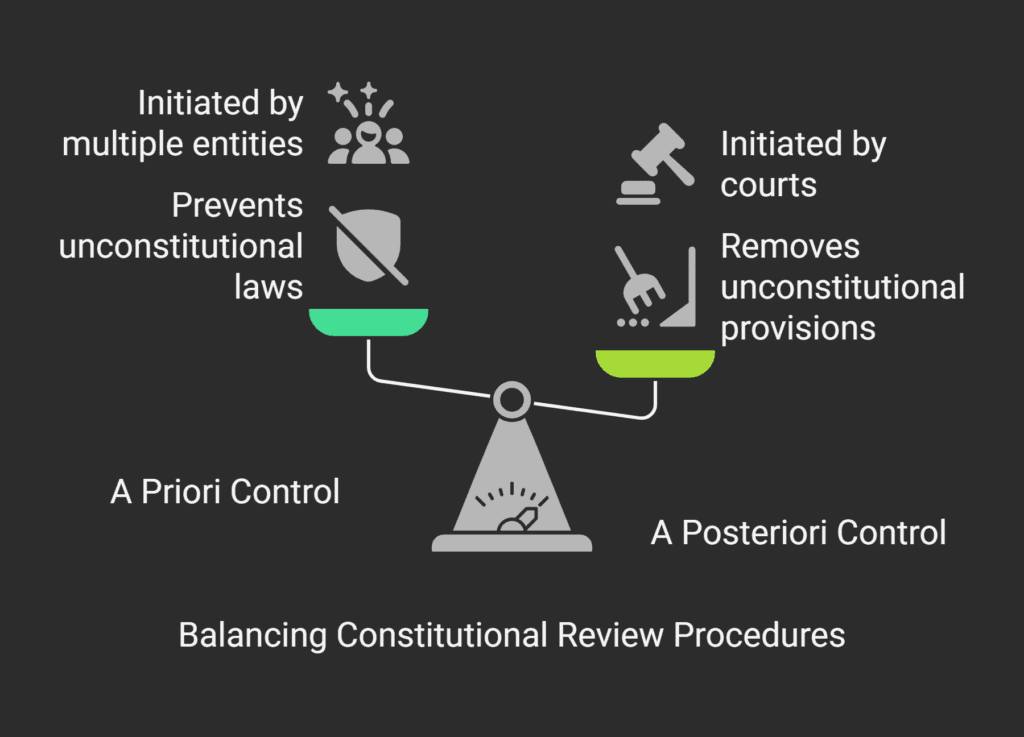
How can a victim of domestic violence obtain a protection order in Romania?

In Romania, a victim of domestic violence can obtain a protection order through two main pathways, depending on the urgency of the situation.

For standard protection orders, the victim must file a petition to the civil court in their jurisdiction.

This petition can be submitted personally by the victim, by a prosecutor, by representatives from social assistance agencies, or by child protection authorities when minors are involved.

The court will examine evidence including medical records, witness statements, and previous police reports before deciding on the issuing the protection order.