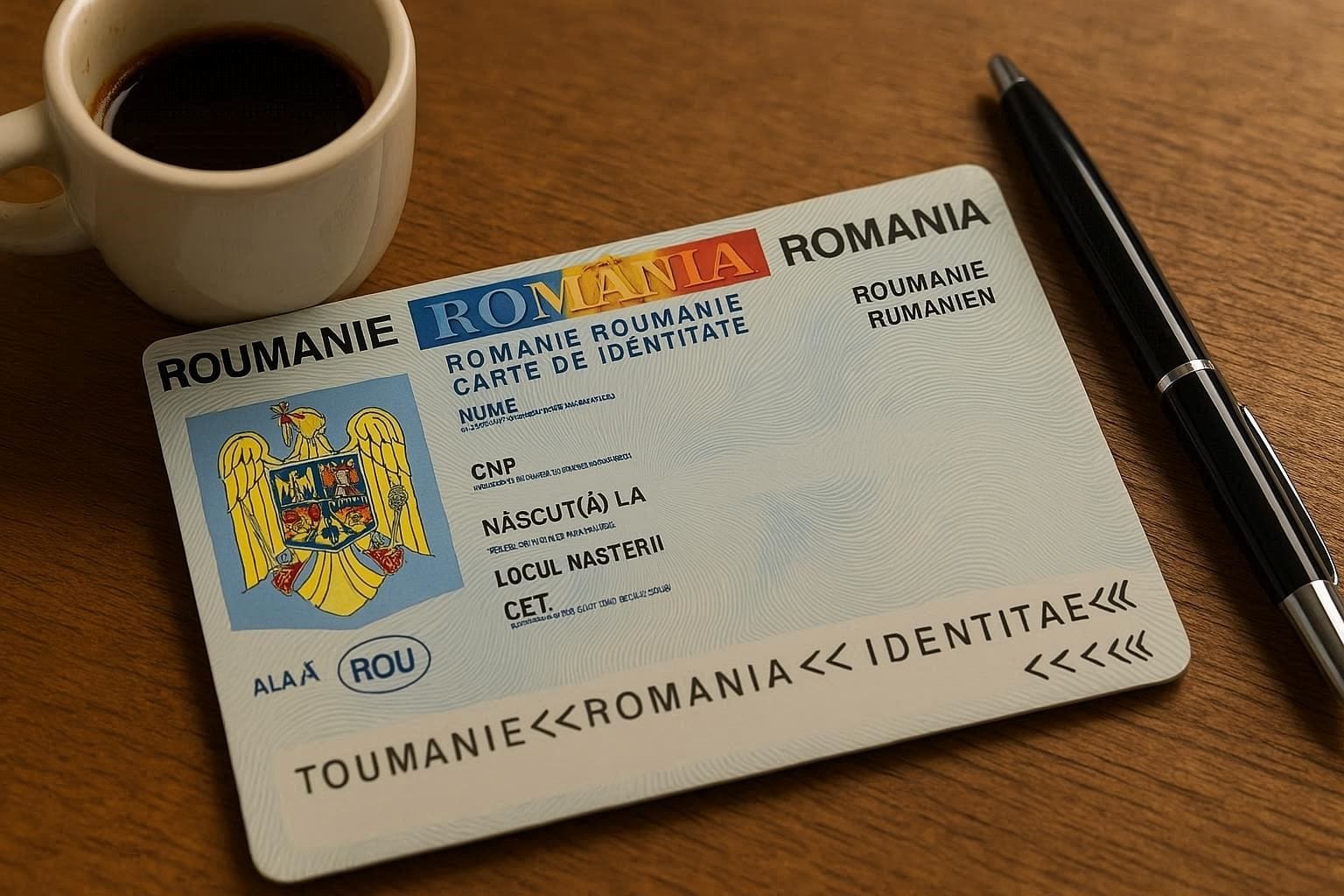
NIF Code Romania

Foreigners’ Fiscal Registration: NIF Code in Romania 2025

Foreigners’ Fiscal Registration: NIF Code in Romania

A close-up of a hand filling out a tax registration form.

Navigating the Romanian fiscal system can be complex, especially for foreign citizens.

One of the first steps is understanding and obtaining a Număr de Identificare Fiscală (NIF), which translates to Tax Identification Number.

This article provides a comprehensive guide to the NIF code in Romania, its importance, and how to obtain one.

Atrium Romanian Lawyers Bucharest aims to clarify these processes, ensuring foreigners can legally pay taxes in Romania with ease.

Understanding the NIF

Un om ținând un document cu codul NIF vizibil clar.

What is the NIF Code?

The NIF code, or Numărul de Identificare Fiscală, is a tax identification number assigned by the Romanian Tax Authority (ANAF).

It serves as a unique identification number for tax purposes.

Whether you are a Romanian citizen or a foreign citizen, understanding what a NIF is and knowing how to obtain one is paramount.

Atrium Romanian Lawyers can help you with your request.

Importance of the NIF in Romania

The NIF is essential for various transactions in Romania, including opening a bank account, signing contracts, and conducting business.

Paying taxes in Romania as a foreign citizen involves using this number for all tax-related activities.

Without a NIF, foreign citizens cannot comply with Romanian tax regulations.

The Romanian NIF is not just a formality; it is the key to engaging in legal and financial activities within the country, and for tax purposes.

Differences Between NIF and CNP

While both are identification codes, the NIF and CNP (Cod Numeric Personal or Personal Identification Number) serve different purposes and populations.

The CNP is assigned to Romanian citizens at birth and also functions as their tax identification number—meaning Romanian citizens with a CNP do not need to obtain a separate NIF for tax purposes.

The NIF, on the other hand, is specifically issued to foreign nationals who have tax obligations in Romania but do not possess a CNP.

Foreign citizens who earn income in Romania, own property, or conduct business must obtain a NIF by completing Form 030, ensuring they are properly registered as taxpayers with ANAF.

If foreign residents later obtain a residence permit and are assigned a CNP, the fiscal body will replace the NIF with the CNP in the tax records.

How to Obtain a NIF in Romania

Un calculator și un pix așezate lângă un formular de aplicare.

Eligibility for NIF Registration

Eligibility for NIF registration extends to both Romanian citizens and foreign citizens who need to pay taxes in Romania.

Foreign citizens are required to obtain a NIF if they engage in taxable activities, such as employment, business ownership, or property ownership.

To get a NIF, applicants must demonstrate a legitimate reason for needing a tax identification number within the Romanian fiscal system.

Our team of lawyers in Bucharest can assess your specific situation to determine your eligibility and guide you through the application process to obtain a NIF efficiently.

Required Documents for NIF Application

Here’s what foreign citizens generally need to provide when applying for a NIF in Romania.

This may include:

  • A copy of their passport.
  • A residence permit (if applicable).
  • Proof of address in Romania.

Depending on individual circumstances, additional documents like an employment contract or property ownership documents might also be necessary.

Form 030 is often used for non-EU citizens.

Our team of Romanian lawyers can provide a comprehensive list based on your individual circumstances to get your NIF, ensuring a smooth and successful application.

Steps to Apply for a NIF

The process to apply for a NIF typically involves submitting the required documents to the Romanian Tax Authority (ANAF).

The application can be submitted in person at an ANAF office or, in some cases, online.

After the application is processed, ANAF will issue a NIF.

For foreign citizens unfamiliar with the Romanian bureaucracy, this process can be daunting.

Atrium Romanian Lawyers Bucharest can act as your proxy, handling the entire application process on your behalf, from preparing the necessary documents to submitting the application and obtaining your NIF, allowing you to legally pay taxes in Romania.

Using the NIF in Romania

A person holds a document with the NIF code printed on it.

Paying Taxes in Romania with Your NIF

Your NIF serves as your taxpayer identification number, linking all your tax-related activities to your fiscal profile with the ANAF.

Whether you are filing income taxes, property taxes, or any other type of tax, you will need to include your NIF.

The Romanian NIF is essential to legally pay taxes in Romania, and accurately report all relevant financial information.

Understanding Your Tax Obligations as a Foreigner

As a foreign citizen in Romania, understanding your tax obligations is crucial for compliance with Romanian law.

Your tax obligations depend on several factors, including your residency status, the type of income you earn, and any applicable tax treaties between Romania and your home country.

Foreign citizens may need to pay income tax on their earnings, as well as other taxes such as social security contributions.

Consulting with our Romanian legal experts will help you understand your tax obligations.

Personal Tax and NIF Number Management

Proper management of your personal tax affairs and NIF number is essential for avoiding potential issues with the Romanian Tax Authority (ANAF).

Keep your NIF information secure and readily accessible for all tax-related transactions.

It’s also important to keep your contact information updated with ANAF to ensure you receive important notifications and correspondence.

If your personal circumstances change, such as a change of address or employment status, ensure these changes are reflected in your tax records.

Common Issues and Solutions

A calculator and a notepad on a desk with tax-related notes.

Problems in NIF Registration

While the NIF registration process is generally straightforward, applicants may encounter certain issues.

Common problems include incomplete or incorrect documentation, delays in processing, or difficulties navigating the ANAF bureaucracy.

Foreign citizens may face language barriers or lack of familiarity with Romanian tax regulations, further complicating the process.

Rectifying Errors in Your NIF

If you discover an error in your NIF information, it is crucial to rectify it promptly with the ANAF.

Errors can lead to complications with tax filings, penalties, or other issues.

To correct an error, you will typically need to submit a written request to ANAF along with supporting documentation.

This may involve completing form 030.

Atrium Romanian Lawyers can help with the necessary paperwork and communication with ANAF to correct any errors.

Contacting Authorities for Assistance

If you require assistance with your NIF, tax-related matters, or any issues with the Romanian tax system, contacting the appropriate authorities is essential.

The Romanian Tax Authority (ANAF) is the primary government agency responsible for tax administration.

You can contact ANAF through various channels, including phone, email, or in-person visits to an ANAF office.

For personalized guidance and support, consider engaging our Romanian Law Office as your proxy, offering assistance in Romanian tax matters.

NIF Code in Romania: Understanding Your Tax Identification Number

What is a NIF code in Romania?

The NIF code, or tax identification number, is a unique identifier assigned to individuals and entities for tax purposes in Romania.

It is essential for natural persons and legal entities to register for a NIF to legally pay their taxes and conduct various financial transactions within the Romanian state.

How can I obtain a NIF in Romania?

To obtain a NIF, you must submit a request to the Romanian tax authority.

Natural persons need to present identification documents, proof of residence, and fill out the necessary forms.

Documentation can be submitted in original at the fiscal office, and it typically takes a few days for the issuance of the document.

What are the differences between CNP and NIF?

The CNP, or personal numeric code, is a unique identification number assigned to Romanian citizens, while the NIF is specifically for tax purposes.

Although both codes serve as identification, the NIF is essential for business operations and tax obligations, whereas the CNP is primarily used for civil identification.

Do I need a NIF if I actually live in Romania?

If you actually live in Romania and plan to engage in any economic activities, you will need to obtain a NIF.

This applies to both Romanian citizens and foreigners who intend to pay taxes in Romania or conduct business operations.

Can a proxy obtain my NIF if I live in Bucharest?

Yes, a proxy can obtain your NIF on your behalf as long as they have the necessary authorization and documentation.

If your proxy lives in Bucharest, they can represent you at the fiscal office to facilitate the process of obtaining your NIF.

What happens if I do not have a NIF?

If you do not have a NIF, banks might refuse to open an account for you, and you may encounter difficulties in legally paying your taxes.

It is important to obtain a NIF to avoid complications with financial transactions and tax compliance.

Can I avoid double taxation with a NIF?

Having a NIF can help you navigate tax obligations and potentially avoid double taxation, especially if you are a foreign resident with income generated in Romania.

By properly declaring your tax status and utilizing tax treaties, you can minimize the risk of being taxed twice on the same income.

What documents do I need to attach to obtain a NIF?

To obtain a NIF, you need to attach the following documents: a valid identification document, proof of residence in Romania, and any additional forms required by the Romanian tax authority.

Our Romanian legal specialists advise to ensure that all documents are submitted in original and have proof of delivery to expedite the process.

Essential Documents for Foreign Founders Starting a Business in Romania

Essential Documents for Foreign Founders Starting a Business in Romania

Essential Documents for Foreign Founders Starting a Business in Romania

What if the fastest way to launch a European business isn’t where you’d expect?

Romania’s streamlined corporate framework allows entrepreneurs to establish an SRL company in just three working days with current minimum capital requirements that have recently undergone significant changes in 2025.

A stack of official documents and forms on a desk.

But beneath this efficiency lies a critical question:

How can international investors avoid hidden pitfalls in documentation processes that could derail their ambitions?

Romania’s open-market policies permit full foreign ownership without local partnership mandates, creating attractive opportunities for global entrepreneurs.

However, the registration process demands precise adherence to legal standards.

Corporate filings must align with Trade Register specifications, including certified translations into Romanian or bilingual formats.

Strategic document preparation forms the backbone of successful incorporation.

Errors in paperwork often lead to delays, financial penalties, or rejected applications.

Professional legal guidance from lawyers in Romania ensures compliance with corporate law frameworks while maintaining operational legitimacy from day one.

Investors benefit from understanding how each document interacts with regulatory systems.

Properly structured articles of association, shareholder agreements, and notarized identification papers establish transparent governance structures.

These elements collectively safeguard business interests within Romania’s evolving economic landscape.

Key Takeaways

  • Romania permits 100% foreign-owned companies with fast 3-day Trade Register approval timelines,
  • Document preparation requires strict compliance with Romanian language standards,
  • Legal expertise minimizes risks of administrative delays or non-compliance penalties,
  • Corporate filings must align with Trade Register specifications for approval,
  • Precise paperwork establishes long-term operational legitimacy,
  • VAT rate increased to 21% in August 2025, with registration threshold at RON 395,000,
  • Minimum capital requirements are undergoing reform, with new tiered structure proposed.

Introduction to Business Registration in Romania

A businessman reviewing papers at a desk.

Romania’s economic landscape presents a compelling proposition for global enterprises seeking competitive positioning in Europe.

As an EU member state, the country serves as a strategic crossroads connecting major continental markets.

This geographic advantage, combined with progressive regulatory frameworks, creates fertile ground for sustainable business growth.

Overview of the Romanian Market

A group of diverse business people reviewing documents around a table.

The local market distinguishes itself through a growing pool of skilled workforce, particularly in technology and engineering sectors.

Romania produces approximately 18.6 STEM graduates per 1,000 people aged 20-29, though this remains below the EU average of 23.0.

The country is actively working to expand its technical education programs.

Operational costs remain 34-51% lower than Western European averages without compromising service quality, with Romanian developer salaries approximately 40% below comparable Western rates.

Infrastructure development continues accelerating across transportation and digital networks.

Modern highways connect major cities to EU trade routes, while digital coverage expands nationwide.

These advancements enable companies to maintain efficient supply chains and regional operations.

Benefits for Foreign Entrepreneurs

Several colorful flags are displayed on a desk next to business papers.

Romania offers foreign investors streamlined processes through recent legal reforms.

The elimination of redundant permits and digital filing systems reduces Trade Register approval to approximately three working days.

EU membership guarantees alignment with continental standards while preserving local cost advantages.

Investors benefit from tax incentives for research-driven business initiatives and export-oriented activities.

Cultural adaptability further enhances market entry, with English widely spoken in professional environments.

These factors position the country as an attractive destination for scalable international ventures.

Why Start a Business in Romania?

A close-up of a business plan document with charts and graphs.

Romania’s tax and regulatory systems create a unique value proposition for commercial ventures targeting European markets.

Strategic fiscal policies combine with progressive legislative changes to support both startups and established enterprises.

Attractive Tax Environment

A smiling business person holding a briefcase and standing in front of a modern office building.

The country maintains one of Europe’s most competitive tax frameworks, though recent changes require careful attention.

Microenterprises benefit from a 1% revenue tax when employing at least one worker and earning up to €60,000 annually.

For revenues above €60,000 or for specific sectors like IT services (CAEN codes 6210, 6290) and restaurants, a 3% rate applies.

Traditional corporations face a flat 16% profit tax.

Tax TypeRateConditions
Microenterprise1%Revenue under €60K with 1+ employee
Microenterprise3%Revenue €60K-€250K (€100K from 2026) or IT/restaurant activities
Corporate Profit16%Standard companies
Dividends10%Increased from 8% in January 2025
Standard VAT21%Increased from 19% in August 2025
Reduced VAT11%Consolidated rate from August 2025

Favorable Legal Reforms

Recent legislative updates streamline operations for international investors.

Digital registration systems cut Trade Register processing times to 3 working days, while revised thresholds for micro-tax status continue until 2026, though the revenue limit decreases from €250,000 to €100,000 starting January 2026.

Enhanced transparency measures reduce bureaucratic hurdles.

Special support programs assist startups in navigating compliance requirements, ensuring smooth market entry.

However, investors must stay updated on frequent tax law changes, including the August 2025 VAT increase from 19% to 21%.

Understanding Legal Structures for Foreign Founders

Selecting the optimal legal framework forms the cornerstone of successful business operations.

Romania offers multiple corporate formats, each aligning with specific operational scales and strategic objectives.

Three primary options dominate commercial registrations, balancing legal safeguards with administrative practicality.

Limited Liability Company (SRL)

An open laptop displaying a business registration website.

The Societate cu Răspundere Limitată (SRL) remains the preferred choice for most ventures.

This structure provides limited liability protection, shielding personal assets from business debts.

Requirements include:

  • 1–50 shareholders
  • Minimum share capital currently ranges from RON 1 to RON 200 (sources vary), with a new tiered proposal for 2025-2026: RON 500 for new companies, increasing to RON 5,000 for revenues between RON 395,000-7 million, and RON 90,000 for revenues exceeding RON 7 million,
  • Simplified management structures.

Governance flexibility allows swift decision-making, ideal for small-to-medium enterprises. Annual reporting obligations remain manageable compared to complex entities.

StructureShareholdersCurrent CapitalProposed Capital (2025-2026)Best For
SRL1–50RON 1-200RON 500-90,000 (tiered)Startups/SMEs
SAUnlimitedRON 90,000RON 90,000 (€25,000)Large enterprises


Joint-Stock Company (SA) and Other Options

A group of diverse people discussing papers around a table.

The Societate pe Acțiuni (SA) suits ventures planning IPOs or major investments.

Key features include:

  • Minimum capital: RON 90,000 (approximately €25,000),
  • Public share trading capability,
  • Formal governance requirements.

Alternative structures like branches or partnerships serve niche scenarios.

Professional guidance ensures alignment between legal frameworks and long-term growth strategies, particularly given the evolving minimum capital requirements.

Required Documents for Foreign Founders in Romania

A person holding a passport and a business plan.

Navigating corporate registration demands meticulous attention to foundational paperwork.

Seven core submissions form the basis of compliant filings, supported by supplementary materials that address cross-border complexities.

The application form and tax annex require detailed operational data, including management structures and activity codes.

Identity verification for administrators ( directors) necessitates certified copies of passports or national IDs, translated into Romanian by authorized professionals.

Shareholder affidavits confirm tax status for individuals lacking local fiscal identification.

These declarations prevent delays during fiscal authority reviews.

Articles of Association drafted in Romanian establish governance protocols, requiring alignment with national corporate law frameworks.

Proof of registered office ranges from property deeds to virtual office contracts, validating a physical business address.

Beneficial ownership disclosures meet EU anti-money laundering directives, tracing control chains for transparency.

Optional apostille certifications authenticate foreign-signed documents.

While not mandatory, these additions streamline verification processes across jurisdictions.

Professional legal review ensures technical accuracy before Trade Register submission, particularly important given recent regulatory changes.

Preparing Your Articles of Association and Registered Office

A person is typing on a laptop with documents spread out on a table.

The foundation of a compliant Romanian enterprise lies in two critical components: constitutional documents and physical establishment.

These elements define operational boundaries while meeting legal obligations under national corporate frameworks.

Drafting the Articles of Association

A person reviews a document with a focused expression while sitting at a table.

Articles of Association act as a company’s operational blueprint.

This legally binding document must specify shareholder voting rights, capital distribution models, and decision-making hierarchies.

Romanian law mandates inclusion of NACE codes to classify business activities accurately.

Management roles require precise definitions of authority limits and appointment procedures.

Provisions for General Meetings must outline resolution processes and quorum requirements.

Legal professionals recommend embedding flexibility clauses to accommodate future growth scenarios, including provisions for the new tiered minimum capital requirements expected to phase in through 2026.

Establishing a Proof of Registered Office

All entities must maintain a verifiable registered office within Romania.

Valid proof includes notarized lease agreements or property ownership documents.

Virtual office contracts have gained traction for cost efficiency while fulfilling legal address requirements.

Service providers offering virtual solutions must issue compliance certificates recognized by the Trade Register.

Physical locations require utility bills or municipal confirmations.

Consistent address details across all filings prevent administrative delays during registration.

Steps in the Company Registration Process

A person filling out forms with a pen.

Establishing a corporate entity in Romania follows a precise sequence of regulatory actions.

This systematic approach ensures compliance while maintaining operational efficiency for new market entrants.

Name Reservation and Document Filing

The initial company name reservation occurs through the National Trade Register Office (ONRC) portal.

This free digital service verifies name availability against existing registrations within minutes.

Approved reservations remain valid for 30 calendar days, creating urgency for subsequent filings.

Document preparation requires alignment with ONRC specifications.

Essential materials include translated identification papers and notarized corporate agreements.

Submissions can occur physically at regional offices or digitally using qualified electronic signatures.

Processing with the Trade Register

Officials typically complete company registration reviews within three working days for the Trade Register approval.

This period allows thorough verification of statutory documents and legal compliance checks.

Delays usually stem from incomplete filings or translation discrepancies.

Successful applicants receive three critical identifiers: the Certificate of Incorporation, CUI tax code, and Certificat Constatator.

These enable immediate banking operations and contractual engagements across Romania.

Note that while Trade Register approval is fast, the complete registration process including VAT registration and full operational readiness typically takes 7-10 working days.

Navigating Tax and VAT Registration in Romania

An open laptop displaying a tax registration website with a cup of coffee nearby.

Understanding fiscal obligations marks a critical phase for enterprises establishing operations in emerging markets.

Romania’s integrated tax system combines automatic corporate registration with strategic VAT options, creating adaptable frameworks for diverse commercial needs.

Corporate and Microenterprise Tax Details

Newly registered companies receive tax IDs during incorporation, enabling immediate financial operations.

Important Update for 2025-2026:

Microenterprises benefit from preferential tax rates when maintaining at least one employee:

  • 1% tax rate on revenue up to €60,000
  • 3% tax rate on revenue from €60,000 to €250,000 (2025) or €100,000 (from January 2026)

Special activities including IT services (CAEN codes 6210, 6290), restaurants, and mobile food services are subject to the 3% rate regardless of revenue level.

Standard corporate tax applies at 16% for profits when companies exceed micro-company thresholds or don’t qualify for the regime.

The dividend withholding tax increased to 10% as of January 1, 2025 (previously 8%) for all recipients.

VAT Registration Requirements

Critical 2025 Updates:

Businesses must register for VAT when exceeding RON 395,000 annual turnover (effective September 1, 2025, increased from RON 300,000).

The standard VAT rate is 21% (increased from 19% in August 2025), with a consolidated reduced rate of 11% replacing the previous 5% and 9% rates.

Voluntary VAT registration remains available for smaller enterprises seeking input tax recovery.

Sector-specific rules apply, with businesses engaged in EU trade requiring VAT registration regardless of turnover thresholds.

FAQ

What legal structure is most common for foreign entrepreneurs in Romania?

The limited liability company (SRL) is preferred due to its flexibility and simplified compliance requirements.

Current minimum share capital varies between RON 1-200, with a new tiered proposal being implemented: RON 500 for new companies, increasing based on revenue thresholds to RON 5,000 (for revenues RON 395,000-7 million) and RON 90,000 (for revenues exceeding RON 7 million).

It allows full foreign ownership and limits liability to invested capital.

How does Romania’s tax environment benefit startups?

Romania offers a 16% corporate tax rate, one of the lowest in the EU.

Microenterprises with at least one employee pay only 1% on turnover up to €60,000 and 3% from €60,000 to €250,000 (reducing to €100,000 threshold from January 2026), making it ideal for early-stage businesses.

However, IT services and certain other sectors pay 3% regardless of revenue level.

Can a virtual office serve as proof of registered office?

Yes, foreign founders can use virtual office services compliant with Romanian law.

The address must be verifiable and included in the Articles of Association during company registration.

What are the VAT registration requirements for new businesses?

Updated for 2025: Companies must register for VAT if annual turnover exceeds RON 395,000 (effective September 1, 2025).

The standard VAT rate is 21% (increased from 19% in August 2025), with a reduced rate of 11%.

Voluntary registration is permitted, allowing input tax recovery.

Non-EU businesses require a fiscal representative for compliance.

How long does the company registration process take?

The Trade Register approval typically takes 3 business days with complete documentation.

However, the full registration process including VAT registration and complete operational setup takes 7-10 working days.

Delays often arise from incomplete documents or translation issues.

Are foreign shareholders required to visit Romania during incorporation?

No. A local lawyer can handle filings via power of attorney.

Notarized documents and apostilled/legalized identification (e.g., passports) must be submitted electronically or by courier.

What post-registration obligations apply to Romanian companies?

Firms must file annual financial statements, maintain accounting records, and submit monthly/quarterly tax declarations.

Important: As of 2025, the dividend tax is 10% (increased from 8%).

Companies must monitor the microenterprise revenue threshold, which decreases from €250,000 to €100,000 on January 1, 2026.

Hiring employees triggers additional labor law and social security compliance.

What are the current VAT rates in Romania?

Updated August 2025: The standard VAT rate is 21% (increased from 19%), and the reduced rate is 11% (consolidating the previous 5% and 9% rates).

These changes took effect August 1, 2025.

What documents are required to register a company in Romania as a foreigner?

To register a company in Romania, foreigners need to prepare and submit several necessary documents.

These include identification documents such as a valid passport, proof of address in Romania, and incorporation documents specific to the type of business structure chosen, whether it be a joint stock company or a limited liability company (SRL).

Additionally, an application for registration must be completed, and the unique company name must be verified through the trade registry.

How does the company registration process work for foreign entrepreneurs?

The company registration process for foreign entrepreneurs in Romania involves several key steps.

First, you must select a business structure and prepare the necessary documents.

Then, you will need to submit these documents to the trade registry for approval.

Following this, you will need to register your business office in Romania and meet the minimum share capital requirement.

Finally, once all documents are approved and the company is registered, you will receive a registration certificate, allowing you to start your business operations in Romania.

What are the benefits of starting a business in Romania as a foreigner?

Starting a business in Romania offers numerous benefits for foreign entrepreneurs.

Romania is situated in a strategic location within the European Union, providing access to a vast market.

The business environment is continually improving, with various incentives for foreign investment.

Additionally, the country offers a range of business structures available, allowing entrepreneurs to select the type of company that best fits their business needs.

This makes Romania an attractive destination for foreign founders looking to expand their operations in Europe.

 
Tax residency Romania

Romanian Tax Residence: A Guide to Tax Residency in Romania

Romanian Tax Residence: A Guide to Tax Residency in Romania

A person sitting at a desk with a laptop and tax documents spread out.

Navigating the complexities of the Romanian tax system can be daunting, especially when determining your tax obligations as a resident or non-resident.

This guide provides a comprehensive overview of tax residence in Romania, covering key aspects such as defining tax residency, understanding the Romanian tax system, and fulfilling your tax responsibilities.

Understanding Tax Residency in Romania

A group of people discusses tax forms around a table.

Determining your tax residency status in Romania is crucial for understanding your tax obligations.

Whether you are an expat, a foreign investor, or a Romanian citizen living abroad, understanding the rules of Romanian tax residence is essential for compliance with Romanian law and avoiding potential tax liabilities.

Definition of Tax Residency

Tax residence in Romania dictates how the Romanian tax authorities will treat your income.

A tax resident in Romania is subject to taxation on his or her worldwide income.

Understanding this definition is the first step in navigating the Romanian tax system, particularly for those with income sources outside Romania.

Criteria for Establishing Tax Residency

The primary criterion for establishing tax residency in Romania is spending more than 183 days in Romania within any 12-month period.

However, other factors can also contribute to determining your tax residency status, such as having your vital interests centered in Romania, including personal and economic ties, playing a crucial role in determining if someone is considered a tax resident.

Differences Between Resident and Non-Resident Status

Tax residents are subject to taxation on their worldwide income, while non-residents are only taxed on income sourced from Romania.

This distinction is vital for understanding your tax liabilities and completing accurate tax returns in accordance with Romanian law.

The Romanian Tax System

A person is reviewing documents while sipping coffee.

The Romanian tax system is governed by a range of legislation and regulations, impacting both individuals and businesses.

A solid understanding of this system is crucial for anyone considered a tax resident in Romania, ensuring compliance and effective financial management.

Furthermore, being a tax resident in Romania demands that individuals understand how to fulfill their tax obligations.

Overview of Romanian Tax Authorities

The main tax authority in Romania is the National Agency for Fiscal Administration (ANAF).

ANAF is responsible for the collection of taxes and enforcing tax legislation across the country.

Dealing effectively with the Romanian tax authorities requires understanding their procedures and ensuring all submissions are compliant with Romanian law.

Types of Taxes Applicable to Residents

Romanian tax residents are subject to various taxes, including income tax, social security contributions, and local taxes.

The flat income tax rate is a key feature of the Romanian tax system.

Understanding these different types of taxes is essential for proper fiscal planning and compliance.

How Tax Obligations are Determined

Tax obligations in Romania are primarily determined by your tax residency status and the type of income you earn.

Salary income, for example, is subject to specific tax and social security contributions, which are typically handled by the Romanian employer.

Properly declaring all income and understanding applicable tax treaties is crucial for accurate tax payments.

Tax Returns and Filing Requirements

A calendar on the wall highlights important tax filing deadlines.

Annual Tax Return Responsibilities

As a tax resident in Romania, you have an annual obligation to declare your worldwide income.

Ensuring compliance with Romanian law requires a thorough understanding of the tax legislation and accurate record-keeping of all financial transactions throughout the fiscal year.

Failure to submit accurate annual tax returns can result in tax liabilities and penalties in accordance with the Romanian tax code.

How to Declare Worldwide Income

Declaring your worldwide income as a tax resident involves completing and submitting the appropriate tax return forms to the Romanian tax authorities, ANAF.

These forms require a detailed account of all income sources, including salary, investments, and other earnings, both inside and outside Romania.

It’s important to accurately report all income.

Seeking professional tax advice can aid in correctly declaring your worldwide income.

Deadlines and Procedures for Filing Tax Returns

Adhering to the deadlines and procedures for filing tax returns is crucial.

Understanding the filing procedures, including online submission and required documentation, is essential for avoiding penalties.

Keep in mind that failure to comply with these provisions can result in tax liabilities and legal repercussions under Romanian law.

Implications of Tax Residency for Expats

A calculator and a notepad are placed beside a cup of coffee.

Tax Residency Status for Foreign Workers

If expats spend more than 183 days in Romania within a 12-month period, they are generally considered tax residents.

Understanding this threshold is essential for expats to comply with Romanian tax obligations and avoid potential issues with the Romanian tax authorities, ANAF.

Double Taxation Agreements and Their Importance

Double taxation agreements (tax treaties) prevent individuals from being taxed twice on the same income.

Romania has several tax treaties with EU member states and other nations to alleviate double taxation.

These agreements typically provide provisions for determining which country has the primary right to tax certain types of income, thereby impacting the tax obligations of expats and other tax residents in Romania.

Relocating for Work: Tax Considerations

Relocating to Romania for employment necessitates careful consideration of various tax implications.

Before relocation, expats should familiarize themselves with Romanian tax legislation to understand their potential tax obligations.

Factors such as employment contracts, salary, and the intention to spend more than 183 days in Romania within a 12-month period all impact tax residency status.

Consulting with tax professionals can ensure a smooth transition and compliance with the Romanian tax system.

Fiscal Obligations of Romanian Tax Residents

A calendar marked with tax deadlines and reminders.

Understanding Personal Income Tax Rates

As a tax resident in Romania, it’s crucial to understand the applicable personal income tax rates.

Romania operates with a flat income tax rate, currently set at 10%.

Understanding how this flat rate impacts your overall tax liabilities is essential for effective fiscal planning and budgeting as a tax resident.

Tax Deductions and Credits Available

Romanian tax legislation provides several tax deductions and credits that tax residents can utilize to reduce their tax obligations.

Expert guidance can help maximize your eligible deductions, ensuring compliance with Romanian law.

Consequences of Non-Compliance with Tax Obligations

Failure to comply with Romanian tax obligations can result in significant penalties and legal repercussions.

Ensuring accurate and timely tax compliance is crucial to avoid these potential adverse consequences for all Romanian tax residents.

Conclusion and Key Takeaways

A group of diverse people discussing documents around a table.

Summary of Romanian Tax Residency Principles

Spending more than 183 days in Romania within a 12-month period typically establishes tax residency, subjecting individuals to taxation on their worldwide income.

Understanding the nuances of Romanian tax residence is vital for compliance with Romanian law and fulfilling tax obligations, particularly for expats and those with income sourced outside Romania.

Important Resources and Links for Further Information

To further navigate the intricacies of Romanian tax residency, several resources are available.

The website of the National Agency for Fiscal Administration (ANAF) provides comprehensive information on tax legislation, tax returns, and filing procedures.

Consulting with a tax advisor specializing in Romanian tax law can provide tailored advice based on your specific circumstances.

Staying informed through these channels ensures compliance and maximizes tax efficiency as a tax resident.

Final Thoughts on Tax Residency in Romania

Navigating tax residency in Romania requires careful attention to detail and a thorough understanding of the applicable legislation.

As a tax resident in Romania, being aware of your tax obligations, understanding the Romanian Fiscal Code, and seeking professional guidance when needed are crucial for maintaining compliance.

Proactive management of your tax affairs ensures financial well-being and peace of mind while operating within the Romanian legal framework.

What is fiscal residency in Romania?

Fiscal residency in Romania refers to the legal status of individuals who are considered residents for tax purposes.

To be deemed a fiscal resident, one must meet specific residence criteria, such as having a permanent home in Romania or residing in the country for 183 days within a calendar year or 12 consecutive months.

How can foreign nationals establish tax residency in Romania?

Foreign nationals can establish tax residency in Romania by ensuring they meet the necessary residence criteria.

This includes having a permanent home in Romania or staying in the country for the required duration.

Additionally, registering with the Romanian tax authorities and notifying them of your residency status is crucial.

What are the tax obligations for residents in Romania?

Residents in Romania are liable to pay taxes on their worldwide income, which includes income obtained from employment activities, investments, and other sources.

They must also comply with mandatory social contributions and any reporting obligations set by the Romanian fiscal code.

How long do I need to reside in Romania to be considered a tax resident?

To be considered a tax resident in Romania, you must reside in the country for at least 183 days within a calendar year or maintain a permanent home there.

If you meet these conditions, you will be subject to Romanian tax laws.

Do I need to register with the tax authorities if I stay in Romania for less than 30 days?

If you are in Romania for less than 30 days, you typically do not need to register with the tax authorities.

However, it is advisable to check if your specific situation requires any notification or registration, especially if you have income sourced from Romania.

What happens if I do not meet the residence criteria?

If you do not meet the residence criteria for fiscal residency, you will be classified as a non-resident in Romania.

Non-residents are generally taxed only on their Romanian-source income, which may involve different tax rates and obligations compared to residents.

What is the standard procedure for establishing tax residency in Romania?

The standard procedure for establishing tax residency in Romania involves meeting the residence criteria, registering with the tax authorities, and submitting the necessary documents, including a questionnaire.

Additionally, if you are a foreign national, your tax documents may need to be translated into Romanian.

Are there any tax agreements in place to avoid double taxation?

Yes, Romania has tax agreements with various countries to avoid double taxation.

These agreements allow individuals to determine which country has the primary taxing rights on their income, thereby preventing tax liabilities in both the source country and Romania.

What are the implications of having a job with a salary in Romania?

If you are employed and receive a salary in Romania, you will be subject to Romanian tax laws and must fulfill your tax obligations as a resident if you meet the residence criteria.

This includes paying taxes on your income and contributing to mandatory social contributions.

What should I do if my circumstances change and I no longer meet the conditions for tax residency?

If your circumstances change and you no longer meet the conditions for tax residency, you must notify the tax authorities and update your residency status.

It’s essential to ensure compliance with all reporting obligations to avoid any penalties or issues related to your tax situation.

Tax Registration and Compliance in Romania Made Simple

Tax Registration and Compliance in Romania Made Simple

Are you planning to start a business in Romania?

Understanding the tax rules can seem overwhelming.

But, it doesn’t have to be.

This guide will help you understand tax registration and compliance in Romania.

This way, you can focus on growing your business without worrying about taxes.

Tax Registration and Compliance Romania

Key Takeaways

  • Romania has a flat tax system with a 16% corporate income tax and 10% personal income tax rate.
  • The standard VAT rate is 19%, with reduced rates of 9% and 5% for specific goods and services.
  • Companies must comply with strict accounting and reporting rules, including invoice requirements and maintenance of financial records.
  • Tax registration and compliance deadlines are crucial, with VAT returns and payments due by the 25th of the following month.
  • Penalties for non-compliance can be significant, ranging from fines to daily interest charges.

Overview of Romanian Tax System

Romania has a flat tax system.

The corporate income tax rate is 16%, and personal income tax is 10%.

The standard Value Added Tax (VAT) rate is 19%.

But, there are lower rates of 9% and 5% for some goods and services.

There’s also a 5% tax on dividends.

Property taxes range from 0.5% to 1.3% for non-residential buildings.

Romania offers tax breaks to encourage investment and innovation.

For example, there’s a 50% deduction for Research and Development (R&D) expenses.

The country has over 80 double taxation treaties to avoid double taxing income and assets.

The tax year in Romania is the same as the calendar year.

Tax payments are made quarterly by the 25th of each month.

This makes it easier for people and businesses to follow the tax rules in Romania.

Tax TypeTax Rate
Corporate Income Tax16%
Personal Income Tax10%
Value Added Tax (VAT)19% (with reduced rates of 9% and 5% for certain goods and services)
Dividend Tax5%
Property Tax0.5% to 1.3% on non-residential buildings

The Romanian tax system aims to balance competitiveness and revenue.

It offers good opportunities for both individuals and corporate tax Romania.

The personal income tax Romania, value added tax Romania, and tax incentives Romania make Romania attractive for business and investment.

romanian tax system

Tax Registration and Compliance Romania

Understanding taxes in Romania can be tough for businesses.

But, with the right help, it can be easier.

First, companies need to sign up with the National Agency for Fiscal Administration (ANAF).

They get a tax ID number and might need to register for VAT if they make over RON 300,000 a year.

Initial Registration Requirements

Foreign companies must register for VAT in Romania right away if they make taxable supplies.

This step is key to following the country’s tax rules. It also helps businesses keep track of the taxes they owe.

Compliance Timeline

  • Quarterly corporate income tax payments are due by the 25th of the month after each quarter.
  • Annual tax returns are due by May 25th after the tax year ends.
  • Companies can choose a different fiscal year if it matches their financial year.

Knowing the first steps and keeping up with deadlines helps businesses feel sure about Romania’s tax system.

This way, they can meet all their tax duties.

Romanian tax compliance

Corporate Income Tax Obligations

Understanding corporate tax in Romania is key.

The corporate income tax (CIT) rate is a flat 16% on profits.

But, the tax filing and payment process has its own rules.

Companies must make quarterly payments.

These are based on last year’s tax or this year’s estimates.

The tax year is usually the calendar year, but you can choose another.

Annual tax returns are due by May 25th after the tax year.

Some expenses are not deductible for tax in Romania.

It’s wise to get help from tax experts for corporate tax compliance Romania and to follow tax filing rules.

Romania has tax breaks for companies that invest in technology. This can help businesses with their corporate tax filing Romania and corporate income tax Romania needs.

Tax TypeRateFiling Deadline
Corporate Income Tax (CIT)16%May 25th
Micro-company Tax1% or 3%Quarterly
Gambling Sector CIT16% of profits or 5% of revenuesQuarterly

Value Added Tax (VAT) Requirements

In Romania, businesses need to know about VAT registration and filing.

The standard VAT rate is 19%.

There are also lower rates of 9% and 5% for certain goods and services.

VAT Registration Thresholds

Companies must register for VAT if their annual turnover is over RON 300,000.

Foreign companies making taxable supplies in Romania also need to register.

They have to do this within 10 days after the month they become liable.

VAT Filing and Reporting

Businesses in Romania file VAT returns monthly or quarterly, based on their turnover.

They must submit these returns and make payments by the 25th of the next month.

Companies doing business across EU borders also need to file EC Sales Lists and Intrastat declarations.

VAT RequirementDetails
Standard VAT Rate19%
Reduced VAT Rates9%, 5%
VAT Registration ThresholdRON 300,000 annual turnover (mandatory)
No threshold for foreign companies
VAT Filing FrequencyMonthly or quarterly, depending on turnover
VAT Return Deadline25th of the month following the reporting period
Additional ReportingEC Sales Lists, Intrastat declarations

Understanding vat registration Romania, Romanian vat registration, vat compliance Romania, vat filing Romania, and Romanian vat rates can be tricky.

But knowing the rules helps businesses meet their VAT obligations in Romania.

Payroll Taxes and Social Contributions

In Romania, employers must handle payroll taxes and social contributions for their employees.

It’s important to know the Romanian fiscal code well.

This helps keep payroll in check and avoids fines.

The income tax in Romania is a flat 10% for everyone.

But, social security contributions can increase the total a lot.

These include:

  • A 25% pension contribution, split between employer and employee.
  • A 10% health insurance contribution paid by the employee.
  • A 2.25% labor insurance contribution paid by the employer.

Employers might also have to add 4% to 8% to the pension for certain employees. This is for those in special or hard jobs.

ContributionEmployerEmployee
Pension12.5%12.5%
Health Insurance0%10%
Labor Insurance2.25%0%

Payroll taxes and social contributions in Romania must be paid by the 25th of the next month.

Keeping accurate records and making payments on time is key.

It ensures payroll compliance Romania and avoids fines.

For help with social security contributions Romania and labor insurance contribution, team up with a good payroll provider.

They should know the Romanian fiscal code and employment laws well.

Electronic Filing and Digital Compliance

Romania is moving fast towards a digital tax system.

Starting July 1, 2022, all high fiscal risk products must have electronic invoices.

The National Agency of Fiscal Administration (ANAF) is in charge of making e-invoicing work.

They are also introducing SAF-T, a system for sharing accounting data between taxpayers and tax authorities.

Digital Platform Requirements

Businesses in Romania need to meet digital platform rules for tax compliance.

They must be able to send electronic invoices correctly.

Not following these rules can lead to big fines.

These fines vary based on the size of the business.

Documentation Storage

Romania has strict rules for keeping electronic records.

Businesses must store these records for at least 10 years.

Not following this can result in fines.

These rules help reduce the VAT gap and make tax administration smoother.

Businesses in Romania can get help with these new rules from companies like Marosa.

They provide VAT reporting software and help with e-invoicing and SAF-T compliance in Europe, including Romania.

Compliance RequirementPenalty Range
Non-compliance with e-reporting1,000 LEI to 10,000 LEI
Non-compliance with B2G e-invoicing and B2B e-invoicing for high fiscal risk products1,000 LEI to 10,000 LEI
Non-compliance with providing necessary information to determine fiscal status4,000 LEI to 10,000 LEI for medium and large taxpayers, 2,000 LEI to 5,000 LEI for other legal entities
Non-compliance with archiving rules12,000 LEI to 14,000 LEI for medium and large taxpayers, 2,000 LEI to 3,500 LEI for other legal entities

Tax Audits and Inspections

As a business in Romania, you might face tax audits and inspections.

These checks are key to making sure you follow tax rules and find any problems.

Knowing how tax audits work can help you deal with them well and keep good relations with tax authorities.

The Romanian tax authorities do both desk and field audits.

Desk audits look at your financial records and documents.

Field audits might include visits and deeper checks.

These audits can take weeks or months, based on how complex your case is.

To get ready for a tax audit, keep all your financial and business documents in order.

This means having everything from financial records to contracts ready.

Being well-organized and quick to respond during an audit shows you’re serious about following tax rules.

If you’re picked for a tax audit, getting tax audit support in Romania is a good idea.

A tax expert can guide you through the audit, make sure you meet all the rules, and speak up for you.

They can also spot any trouble spots and work with the Romanian tax authorities to fix any problems during the tax inspections.

Being proactive and working together can really help with tax audits and inspections in Romania.

By keeping detailed records, getting professional help, and being open, you can handle the tax audit smoothly.

This way, you can keep your business running smoothly without too much trouble.

Key Compliance AreasFrequencyDeadlines
Monthly Withholding taxMonthly25th of the following month
Quarterly and Annual Corporate Income TaxQuarterly and AnnuallyQuarterly: 25th of the following month
Annually: 25th of the 3rd month following the end of the fiscal year
VAT ReportingMonthly or QuarterlyMonthly: 25th of the following month
Quarterly: 25th of the month following the end of the quarter

Penalties and Enforcement Measures

Not following tax rules in Romania can lead to big fines and actions from the government.

One big mistake is filing taxes late, which can cost between RON 1,000 and RON 5,000.

Also, paying taxes late means you’ll face daily interest of 0.02% and a 0.01% daily fine on top of that.

For companies that have to pay Value-Added Tax (VAT), not filing VAT returns on time can cost between RON 1,000 and RON 5,000.

The Romanian tax authorities can take harsh steps like freezing bank accounts, taking assets, or starting legal cases.

This is for serious cases of not following tax rules and fiscal obligations.

Late Filing Penalties

To dodge these expensive fines, it’s key for businesses and people to meet all tax deadlines and report their taxes correctly.

Keeping up with tax duties helps keep a good relationship with the tax authorities.

This way, you avoid the bad outcomes of not following the rules.

ViolationPenalty
Late filing of tax returnsRON 1,000 to RON 5,000
Late payment of taxes0.02% daily interest, 0.01% additional daily fine
Failure to submit VAT returns on timeRON 1,000 to RON 5,000

Conclusion

Understanding the Romanian tax system is key to managing your taxes well.

Using tax advisory services in Romania can greatly help your business.

They can assist with fiscal representation in Romania, accounting outsourcing, and international tax planning.

As Romania updates its tax laws and adopts digital solutions, you need to keep up. Staying updated helps you follow tax rules better, avoid risks, and grow your business.

With the right tax optimization strategies, you can handle Romanian taxes confidently.

Good tax management is more than just following the law.

It’s about finding chances for your business to succeed.

Working with tax experts and staying informed can set your company up for success in Romania.

Romanian law office can assist businesses in navigating the intricacies of VAT registration, payroll taxes, and digital compliance requirements, which are increasingly important as Romania moves towards a more digital tax administration system.

By leveraging the expertise of a Romanian lawyer, companies can effectively manage their tax obligations, avoid significant penalties for non-compliance, and take advantage of available tax incentives.

Engaging with a lawyer in Romania who specializes in tax law can provide crucial insights and guidance, ensuring compliance with the stringent regulations set forth by the National Agency for Fiscal Administration (ANAF).

In conclusion, partnering with a qualified legal professional is vital for any business operating in Romania.

This collaboration not only helps in adhering to the complex legal framework but also positions businesses for sustainable growth and success in a competitive market.

FAQ

What is the corporate income tax rate in Romania?

In Romania, the corporate income tax rate is 16% on profits.

What is the personal income tax rate in Romania?

The personal income tax rate in Romania is 10%.

What is the standard VAT rate in Romania?

Romania’s standard VAT rate is 19%. There are also reduced rates of 9% and 5% for certain goods and services.

What are the key requirements for tax registration in Romania?

Companies need to register with the National Agency for Fiscal Administration (ANAF).

They must get a tax identification number (TIN) and register for VAT if their annual turnover is over RON 300,000.

Foreign companies must register for VAT right away if they make taxable supplies in Romania.

What is the compliance timeline for businesses in Romania?

Businesses must make quarterly corporate income tax payments by the 25th of the month after each quarter.

They also need to file annual tax returns by May 25th after the tax year.

Companies can choose a different fiscal year if it matches their financial accounting year.

What are the digital compliance requirements in Romania?

Romania requires electronic invoicing for high fiscal risk products.

It also uses SAF-T (Standard Audit File for Tax) for exchanging accounting data.

Businesses must send electronic invoices in the right format and keep records for at least 10 years.

What are the consequences of non-compliance with tax obligations in Romania?

Not following tax rules can lead to penalties.

These include fines for late filing, daily interest and fines for late tax payments.

In serious cases, businesses might face bank account freezing or asset seizure.

It’s important to meet tax deadlines and report accurately to avoid these issues.

What are the basic VAT requirements for businesses operating in Romania?

Businesses operating in Romania must adhere to specific VAT compliance requirements.

These include registering for VAT if the company’s turnover exceeds the VAT registration threshold, charging the correct VAT rate on goods and services, submitting regular VAT returns, and maintaining accurate records of all VAT-related transactions.

The Romanian tax authorities require businesses to comply with these regulations to ensure proper VAT collection and remittance.

It is crucial for companies to understand their VAT obligations and stay up-to-date with any changes in Romanian VAT legislation to avoid potential penalties or tax audits.

How does one register for VAT in Romania?

To register for VAT in Romania, businesses must follow a specific process set by the Romanian tax authorities.

The first step is to determine if VAT registration is necessary based on the company’s turnover or specific business activities.

If registration is required, the company must submit a VAT registration application to the local tax office.

This application typically includes various documents such as the company’s registration certificate, articles of association, and proof of business address.

Once approved, the company will receive a VAT registration number.

It’s important to note that some businesses may need to appoint a fiscal representative or tax representative to handle their VAT affairs in Romania.

What is the standard VAT rate in Romania, and are there any reduced VAT rates?

The standard VAT rate in Romania is currently 19%.

However, Romania also applies reduced VAT rates for certain goods and services.