Understanding Civil Liability and Negligence in Romanian Law

Understanding Civil Liability and Negligence in Romanian Law

Table of Contents

Civil liability and negligence are key in Romanian law.

They help protect people’s rights and guide how damages are paid.

Knowing these basics is important when dealing with legal issues in Romania.

The Romanian Civil Code sets the rules for civil tort liability.

This means paying for damages done without a contract.

To prove this, four things must be true: damage must happen, an act must be wrong, there must be a cause and effect, and the person must be at fault.

Civil Liability and Negligence in Romanian Law

At Atrium Romanian Lawyers, we know how complex civil liability and negligence cases can be.

Our team is skilled in Romanian tort law.

We offer detailed legal help for your case.

Whether you need to get compensation or defend against a claim, we’re here to help you understand Romanian law.

Key Takeaways

  • Civil liability and negligence are fundamental to Romanian law;
  • The Romanian Civil Code provides the legal framework;
  • Four conditions must be met to establish civil tort liability;
  • Intention and negligence are recognized forms of guilt;
  • Compensation is proportional to participation or fault severity;
  • Directors may face joint liability in certain situations;
  • Criminal offenses can result in fines or imprisonment.

Civil Liability and Negligence in Romanian Law

The Romanian civil code is key to understanding civil liability and negligence.

It outlines how people and companies are held accountable for harm they cause.

Definition and Legal Framework

In Romania, civil liability means paying for damages caused by wrong actions.

The idea of tortious liability is at the heart of this.

It deals with cases where someone’s actions or lack of care harm others.

Scope of Application

Civil liability covers many areas, like personal injury and property damage.

Romanian law also looks at professional misconduct.

It emphasizes the duty of care, which means everyone must act responsibly to avoid harming others.

Key Components

To prove negligence in Romania, several important points must be shown:

  • Duty of care;
  • Breach of duty;
  • Causation;
  • Damages.

These points are the foundation for figuring out who is legally responsible in negligence cases.

Civil liability and negligence in Romanian Law

ComponentDescription
Duty of CareLegal obligation to act responsibly
Breach of DutyFailure to meet the required standard of care
CausationDirect link between breach and resulting harm
DamagesActual losses suffered by the injured party

Knowing these components is vital for dealing with civil liability cases in Romania.

Atrium Romanian Lawyers offer expert advice on tortious liability.

They help clients get the legal support they need in this complex area.

Essential Elements of Civil Tort Liability

To understand tort liability in Romania, you need to know four key parts.

These parts are the base for negligence claims.

They also decide if damages for negligence are valid in Romania.

Existence of Damage

In Romanian law, damage is key for tort liability.

It can be material, like losing property, or moral, like emotional harm.

You must show real harm to win a claim.

Illicit Act

An illicit act in Romanian tort law is any action or lack of action that breaks the law or harms someone’s rights.

This part is crucial for starting a negligence claim in Romania.

Causal Link

Causation in negligence Romania is very important.

You must show a clear link between the wrong action and the damage.

This link is key to proving tort liability in Romania.

Guilt and Responsibility

The last part is about the person who did the wrong action.

This affects the damages for negligence in Romania.

tort liability Romania

ElementDescriptionImportance in Tort Liability
DamageMaterial or moral harmEstablishes the basis for compensation
Illicit ActViolation of legal norms or rightsDefines the wrongful action
Causal LinkDirect connection between act and damageProves responsibility
GuiltPerpetrator’s psychological attitudeDetermines degree of liability

Understanding Guilt in Romanian Civil Law

Guilt is key in Romanian civil law for figuring out who’s at fault.

It shows if someone knew their actions were wrong and what those actions could lead to.

In cases of legal negligence, guilt means knowing the act’s importance and choosing to do it anyway.

Guilt in Romanian civil law

Romanian law splits guilt into two parts: intention and negligence.

Intention means knowing you’ll cause harm.

Negligence is about being careless or not taking the right steps.

These are important for deciding who’s to blame in civil cases.

In cases of negligence, the court looks at the defendant’s mind at the time.

This helps figure out if they knew they could harm someone or just didn’t care enough to prevent it.

Atrium Romanian Lawyers stress how crucial these ideas are in civil cases.

They say guilt in Romanian civil law can greatly affect the outcome of legal battles and how much money someone gets for being hurt.

Forms of Civil Liability

Romanian law has three main types of civil liability.

These forms are key to understanding contractual and civil liability in Romania.

Knowing them is essential for dealing with legal issues in the country.

Contractual Liability

Contractual liability happens when parties don’t meet their contract obligations.

In Romania, this is based on civil law.

It’s about when one party breaks the contract, hurting the other.

Tortious Liability

Tort law in Romania covers civil wrongs outside contracts.

It’s about harm caused by someone’s actions or carelessness.

This is a big part of legal liability in Romania.

Professional Liability

Professional negligence in Romania is a special kind of civil liability.

It affects professionals who don’t live up to their field’s standards.

This includes doctors, lawyers, and engineers whose mistakes harm their clients or patients.

Form of LiabilityKey CharacteristicExample
ContractualBreach of contract termsFailure to deliver goods as specified
TortiousCivil wrongs outside contractsCausing a car accident
ProfessionalFailure to meet professional standardsMedical malpractice

Forms of civil liability in Romania

Each type of liability has its own rules and outcomes.

For help understanding these, talk to Atrium Romanian Lawyers. They can give you detailed advice on how these might affect your case.

Types of Negligence Under Romanian Law

Romanian law divides negligence into three types.

Each type shows different levels of responsibility.

Knowing these categories helps in legal disputes in Romania.

Gross Negligence (Culpa Lata)

Gross negligence in Romanian law means extreme carelessness. It’s when the outcome was obvious to anyone with basic diligence. This shows a big failure to meet expected care standards.

Ordinary Negligence (Culpa Levis)

Ordinary negligence happens when someone doesn’t meet the care of an average person. It’s common in daily life and is key in Romanian negligence law.

Slight Negligence (Culpa Levissima)

Slight negligence is the least serious. It’s when only someone with very high diligence could have prevented the outcome. This type is less seen in court but is part of Romanian law.

Types of negligence under Romanian law

These differences are crucial in deciding who’s at fault in negligence cases.

Gross negligence often leads to harsher legal outcomes than ordinary or slight negligence.

For expert advice on these principles, contact Atrium Romanian Lawyers.

Burden of Proof in Negligence Cases

In Romanian civil cases, the plaintiff usually has to prove negligence.

You must show four main things: damage, an illicit act, a causal link, and guilt.

This is how you prove the defendant was negligent.

To win a negligence case in Romania, you must prove your story is more likely than not true.

You’ll need solid evidence for each part of negligence.

This evidence might include:

  • Documentation of injuries or financial losses;
  • Expert testimonies;
  • Witness statements;
  • Physical evidence from the incident.

Burden of proof in Romanian negligence cases

It’s important to know the legal effects of negligence in Romania.

Sometimes, the court can change who has to prove what.

For example, the “res ipsa loquitur” doctrine might make the defendant prove they weren’t at fault.

Also, employers must have strong reasons for firing someone.

Atrium Romanian Lawyers can help you understand how to prove negligence.

Our team of lawyers in Romania can also help you build a strong case.

Remember, proving negligence in civil cases is easier than in criminal cases.

Damages and Compensation

In Romanian negligence cases, damages and compensation are key.

The legal system in Romania recognizes various types of damages.

Knowing these can help you better understand the compensation process.

Material Damages

Material damages cover physical losses.

This includes medical bills, lost wages, and property damage.

For instance, if your car gets damaged in an accident, the repair costs are material damages.

Moral Damages

Moral damages are for non-physical harm.

They cover pain and suffering, emotional distress, and loss of life enjoyment.

These damages are important in Romanian law, even though they’re harder to measure.

Calculation Methods

Courts use different methods to figure out damages in negligence cases.

They look at injury severity, long-term effects, and economic factors.

The aim is to give fair compensation for all losses.

Damage TypeExamplesCalculation Factors
MaterialMedical bills, lost incomeActual costs, future expenses
MoralPain, emotional distressSeverity, duration, impact on life

Atrium Romanian Lawyers can help you understand damages and compensation in negligence cases.

They know the details of Romanian law.

They can make sure you get fair compensation for your losses.

Damages in Romanian negligence cases

Professional Negligence and Malpractice

Professional negligence in Romania affects many fields like medicine, law, and engineering.

It’s key for both professionals and clients to understand this well.

Medical Malpractice

Medical malpractice in Romania happens when doctors or healthcare staff don’t meet the expected care standards.

This can harm patients. To prove these cases, expert opinions are often needed.

In recent years, medical malpractice lawsuits have gone up, showing the need for insurance for healthcare workers.

Legal Professional Negligence

Lawyers can be held liable for negligence if they don’t meet their duty to clients.

This could be due to missed deadlines, poor representation, or conflicts of interest.

In Romania, legal malpractice cases are complex, needing deep knowledge of legal ethics and standards.

Engineering and Construction Negligence

In engineering and construction, negligence can have severe outcomes.

Failures or safety issues can cause big damage and even loss of life.

Romanian laws make engineers and contractors responsible for following safety and industry standards.

Professional FieldCommon Types of NegligencePotential Consequences
MedicineMisdiagnosis, Surgical errorsPatient harm, Legal action
LawMissed deadlines, Poor adviceClient financial loss, Disbarment
EngineeringDesign flaws, Safety oversightsStructural failures, Injuries

Atrium Romanian Lawyers, we are experts in handling professional negligence cases.

They offer advice on dealing with the complexities of professional malpractice law in Romania.

Directors’ Civil Liability in Corporate Law

Directors’ civil liability is key in corporate governance in Romania.

The law clearly states what directors owe to their company, shareholders, and others.

Knowing these duties is vital for good management and following the law.

Liability Towards Company

Directors must be careful and diligent in their work.

They are responsible for keeping financial records right and paying dividends correctly.

If they don’t, they could face legal trouble for harming the company.

Liability Towards Shareholders

Shareholders can sue directors for bad management or not following their duties.

This part of the law protects shareholders and encourages good corporate behavior.

Liability Towards Third Parties

Directors can be held liable to outsiders if they make deals without permission. This can lead to legal issues and fines.

Liability TypeKey AspectsPotential Consequences
Company LiabilityFinancial records, dividend paymentsDamages, legal action
Shareholder LiabilityFiduciary duties, management decisionsShareholder lawsuits, reputational damage
Third-Party LiabilityTransactions beyond authorityFinancial penalties, legal disputes

Atrium Romanian Lawyers can help directors understand their legal duties.

They ensure directors follow the law and reduce legal risks.

It’s important for directors to know their responsibilities to avoid legal problems.

Statute of Limitations for Negligence Claims

In Romania, knowing the statute of limitations for negligence claims is key.

It helps protect your rights.

For most negligence claims, you have three years from when you knew or should have known about the damage and who was responsible.

If you’re in a car accident, you must file a claim within three years.

Romania holds the at-fault party responsible for damages.

Even if you were partly to blame, you can still get compensation.

Time limits vary for different negligence claims.

For example, product liability claims might have shorter deadlines.

To avoid missing your claim deadline, contact Atrium Romanian Lawyers quickly after the incident.

Type of ClaimStatute of Limitations
General Negligence3 years
Car Accident3 years
Product LiabilityShorter period (varies)

Don’t let time limits expire and lose your right to sue.

Knowing the statute of limitations for negligence claims in Romania helps you act quickly.

This way, you can protect your legal rights effectively.

Defenses Against Negligence Claims

In Romania, it’s important to know how to defend against negligence claims.

The law offers several ways to fight liability in negligence cases.

Let’s look at the main defenses available under Romanian law.

Contributory Negligence

Contributory negligence in Romania is a key defense.

It happens when the injured person’s actions cause their own harm.

For example, if someone walks into the street without looking and gets hit, the driver might say it’s the pedestrian’s fault.

This could lessen the driver’s responsibility or even wipe it out.

Force Majeure

Force majeure is another strong defense against negligence claims in Romania.

It means events that are beyond anyone’s control.

Things like natural disasters, wars, or government actions fall under this.

If a contractor can’t finish a project because of a sudden flood, they might use force majeure as a defense.

Consent of the Injured Party

When someone knowingly takes a risk, it can be a defense.

This is common in sports or fun activities.

For example, if someone gets hurt in a boxing match, they might not have a strong case against negligence because they knew the risks.

Other defenses include statutory immunity, the statute of limitations, and lack of causation.

Atrium Romanian Lawyers can offer expert advice on these defenses.

They can help build a strong case against negligence claims.

Criminal Aspects of Civil Liability

In Romania, civil and criminal liability can sometimes overlap.

This happens when actions causing harm are both civilly and criminally wrong.

For example, serious medical mistakes leading to injury or death fall into this category.

There’s a big difference between civil and criminal cases in Romania.

Civil cases aim to compensate for damages.

Criminal cases, on the other hand, can lead to fines, jail time, or other penalties.

Criminal cases need strong evidence, beyond any doubt.

For example, car accidents show how civil and criminal liability can mix.

While insurance usually covers damage, serious accidents might lead to criminal charges.

The time to file for property damage is 3 years.

AspectCivil LiabilityCriminal Liability
FocusCompensationPunishment
Burden of ProofBalance of probabilitiesBeyond reasonable doubt
OutcomeMonetary damagesFines, imprisonment

Atrium Romanian Lawyers can help you understand criminal liability in civil cases in Romania.

Knowing these details is key when dealing with legal issues that involve both civil and criminal aspects.

Conclusion

Civil liability and negligence in Romanian law are complex.

They balance individual rights with societal duties.

The goal is to fairly compensate victims and set clear conduct standards.

It’s important to understand guilt, types of negligence, and liability types.

Romanian tort law has different levels of negligence, from gross to slight.

It also divides liability fairly when many are involved.

Professional negligence, like medical malpractice, is covered too.

Atrium Romanian Lawyers can help you understand these laws.

As Romania’s laws change, the basics of civil liability and negligence stay the same.

New technologies, like AI, might bring new challenges.

It’s crucial to keep up with these changes to handle Romanian law’s complexities.

FAQ

What are the essential elements of civil tort liability in Romanian law?

In Romanian law, civil tort liability has four key parts.

These are: damage must exist, an act must be wrong, there must be a link between the act and the damage, and the person doing it must be at fault.

All these must be true to prove someone was negligent.

How is guilt defined in Romanian civil law?

Guilt in Romanian civil law means how someone feels about their wrong actions and their effects.

It has two parts: knowing what you’re doing and choosing to do it.

Romanian law sees two kinds of guilt: doing it on purpose and being careless.

What are the different types of negligence recognized under Romanian law?

Romanian law splits negligence into three kinds.

These are: serious carelessness, normal carelessness, and very slight carelessness.

The difference is based on how much care is expected and if the outcome was predictable.

Who bears the burden of proof in Romanian negligence cases?

In Romanian negligence cases, the person suing usually has to prove their case.

They must show there was damage, a wrong act, a link between the act and the damage, and the person was at fault.

They need to have evidence for each part to prove the defendant was negligent.

What types of damages can be claimed in negligence cases under Romanian law?

Romanian law lets people claim two kinds of damages in negligence cases.

Material damages are for things you can see like medical bills, lost pay, and damaged property.

Moral damages are for things you can’t see like pain, emotional hurt, or losing the joy of life.

What is the statute of limitations for negligence claims in Romania?

In Romania, you usually have three years to sue for a tort.

This starts when you knew or should have known about the damage and who did it.

But, some cases might have different time limits, so it’s important to know these.

What are some common defenses against negligence claims in Romanian law?

In Romanian law, common defenses against negligence claims include: if both sides were careless, if something outside of anyone’s control happened, or if the injured person agreed to it.

Other defenses might be if the law protects the defendant, if too much time has passed, or if the defendant’s actions didn’t cause the injury.

How does professional negligence differ from general negligence in Romanian law?

Professional negligence in Romania is about specific fields like medicine, law, and engineering.

It’s when professionals don’t meet the expected standards, causing harm.

These cases often need expert witnesses and might involve insurance for professionals.

Can civil liability overlap with criminal liability in Romanian law?

Yes, in some cases, civil and criminal liability can overlap in Romania.

If an action causes damages, it might also be a crime, especially if it’s very careless or intentional.

Civil cases focus on paying for damages, while criminal cases can lead to fines or jail.

What is the role of the Romanian Civil Code in civil liability and negligence cases?

The Romanian Civil Code sets the rules for civil liability and negligence.

It explains what makes someone liable, including the duty of care, breaking that duty, causation, and damages.

The Civil Code is key in figuring out who is responsible in negligence cases in Romania.

What is civil liability under Romanian law?

Civil liability in Romania refers to the legal obligation of a person or entity to compensate for damage caused to another party.

Under Romanian civil law, this concept is primarily governed by the Civil Code. Civil liability can arise from various situations, including breach of contract, negligence, or other forms of misconduct.

It is important to note that civil liability is distinct from criminal responsibility and focuses on compensating the injured party rather than punishing the wrongdoer.

In cases of negligence, the injured party must establish that the defendant had a duty of care, breached that duty, and caused harm as a result.

How does Romanian law define negligence?

Negligence under Romanian law is generally understood as a failure to exercise reasonable care or caution in one’s actions or omissions, resulting in harm to another party.

The Romanian Civil Code does not provide a specific definition of negligence, but it is interpreted through case law and legal doctrine. To establish negligence, the plaintiff must prove four elements: duty of care, breach of that duty, causation, and damage.

Romanian courts consider various factors when determining negligence, including the foreseeability of harm, the defendant’s level of expertise, and the circumstances surrounding the incident.

What is the difference between negligence and willful misconduct in Romanian civil law?

In Romanian civil law, there is a significant distinction between negligence and willful misconduct.

Negligence involves a failure to exercise proper care or caution, often resulting from carelessness or oversight.

Medical Malpractice Romania

Medical Malpractice Liability in Romania: Know Your Rights

Table of Contents

Medical Malpractice Liability in Romania: Know Your Rights

Romania leads the European Union with a high rate of 210 deaths per 100,000 people from treatable causes.

This is much higher than the EU average of 91 per 100,000. Many of these deaths are due to medical errors during treatment.

It’s vital for us to know our rights and the laws on medical malpractice in Romania.

Romania’s system for handling medical malpractice is a mix of legal and negotiation paths.

It aims to hold those responsible for patient harm accountable.

Under Law 95/2006, medical mistakes that cause injury lead to legal blame for healthcare providers and suppliers.

Patients can get compensation through negotiation or court, with the court’s final say based on expert medical reports.

Medical Liability in Romania

The Romanian healthcare system follows many laws and rules.

One key rule is Directive 24/2011 from the European Parliament and the Council.

It requires member states to protect patients and have systems for compensation when medical mistakes happen.

Yet, getting compensation can be hard, often needing expert medical reports for the court or authorities.

It’s crucial for us to know our rights and the laws on medical malpractice in Romania.

By understanding the system, we can speak up for our healthcare needs.

We can make sure medical mistakes are handled right and compensated fairly.

Introduction to Medical Malpractice in Romania

In Romania, medical malpractice means making a mistake while doing a medical job.

This mistake can cause harm to the patient.

It makes the medical staff and those who provide medical services liable.

This includes mistakes, not keeping patient secrets, not getting patient consent, and breaking rules.

Medical errors are very common in Romania.

It has the most deaths from treatable causes in the European Union.

This shows how big of a problem these mistakes are for patient safety and healthcare quality.

The media coverage makes people more aware of these issues.

Defining Medical Malpractice

By Law no 95/2006, medical malpractice in Romania is seen as a mistake during medical or pharmaceutical acts.

This mistake can harm the patient and make the medical staff and providers liable.

It’s important to show that the mistake caused the harm to the patient.

The Prevalence and Impact of Medical Errors

Romania has the most deaths from treatable causes in the European Union.

This shows how big of a problem medical errors are.

These mistakes put patient safety at risk and hurt public trust in healthcare.

They also cause a lot of financial and emotional pain for patients and their families.

People in Romania are more aware of medical malpractice thanks to the media.

This has made healthcare providers more watched and demanded more accountability and openness.

Legal Framework for Medical Malpractice in Romania

Efforts to create a specific law for medical malpractice in Romania are ongoing.

Currently, the main law is Law 95/2006. This law sets up the healthcare system in the country.

It defines medical malpractice as a mistake made by a doctor that harms the patient.

This mistake makes the doctor and the providers of medical services legally responsible.

Being part of the European Union, Romania also follows Directive 24/2011.

This directive makes sure the country has systems to protect patients and compensate them if they get hurt during medical care.

Relevant Laws and Regulations

The laws and rules for medical malpractice in Romania include:

  • Law no. 95/2006 – Defines what medical malpractice is and who is legally responsible for it.
  • Directive 24/2011 – Tells Romania to set up systems to protect patients and pay for medical mistakes.
  • Romanian Criminal Code – Covers criminal charges for medical mistakes that cause harm or death.
  • Romanian Civil Code – Deals with legal blame for medical mistakes and the rights of patients and doctors.

The laws are still changing, which can make it hard to figure out who is at fault.

Insurance companies struggle with unclear rules, especially for clinical trials or unauthorized medical tests.

Key RegulationsScope
Law no. 95/2006Defines medical malpractice and outlines the civil liability of healthcare professionals and providers
Directive 24/2011Requires patient protection systems and compensation mechanisms for medical injuries
Criminal CodeAddresses criminal liability for medical negligence, such as bodily injury by negligence or involuntary manslaughter
Civil CodeGoverns the principles of tort liability and the legal relationship between professionals and patients

Elements of Medical Malpractice Liability

In Romania, the rules for medical malpractice are clear.

Healthcare workers must care for their patients well.

If they don’t meet this standard and cause harm, they could be liable.

Let’s look closer at what makes a healthcare provider liable.

Duty of Care

Doctors, nurses, and other healthcare workers in Romania must give a certain level of care.

They should act as well as a skilled healthcare provider would in similar situations.

Breach of Standard of Care

If a healthcare worker doesn’t meet the expected care level, and this causes harm, it’s a breach.

This could be misdiagnosis, wrong treatment, surgery mistakes, or other mistakes.

Causation

To prove medical malpractice, the patient must show the healthcare provider’s actions caused their injuries.

It must be clear how the provider’s actions led to the patient’s harm.

Damages

If the patient proves the healthcare provider was at fault and caused harm, they might get compensation.

This could be for medical bills, lost wages, or pain and suffering.

Knowing these key points about medical malpractice in Romania is important for patients.

It helps them understand their rights and how to seek justice for bad care.

Medical Malpractice Liability Romania

In Romania, doctors and hospitals can be liable for mistakes.

They could be sued if they don’t do their job well or use company resources for personal gain.

They could also be in trouble if they keep doing things that cause the company to go bankrupt.

Healthcare providers in Romania can also be held responsible for damages to patients.

The court decides how much money the patient should get.

This includes both money for medical bills and emotional pain.

A recent study looked into the mistakes made by family doctors in Romania.

It compared data from 2023 and 2012.

The goal was to see how well family doctors follow the law and protect patients’ rights.

The study pointed out big problems in Romania’s healthcare system.

These include not having enough money and poor management.

This leads to not having enough information on medical mistakes and following the law.

Since 2013, medical law courses have been added to medical and pharmacy schools in Romania.

These courses help doctors understand their legal duties and responsibilities.

The research shows how important this topic is worldwide, nationally, and regionally.

It highlights the need for safe medical practices and sharing good ideas between countries.

YearMedical Malpractice CasesCompensation Awarded
2012120€2.5 million
2023195€3.8 million

The Romanian Constitution says everyone has the right to healthcare.

Article 34, paragraph 1, and paragraph 3, guide how medical staff are liable for mistakes.

But, it’s important to find a balance.

This balance protects patients’ health and lets doctors work well.

In Romania, doctors must have insurance against medical malpractice.

This protects both doctors and patients.

Since medicine is a high-risk job, mistakes happen often.

This leads to more malpractice cases.

Roles and Responsibilities of Healthcare Providers

Healthcare providers in Romania have important roles and responsibilities.

These include physicians, nurses, hospitals, and healthcare facilities.

They all play a part in ensuring patient safety and quality care.

Let’s look at what each healthcare provider does in Romania.

Physicians

Physicians in Romania must follow the highest medical standards.

They need to stick to medical protocols, keep patient information private, get consent from patients, and give the right care.

If they don’t do this, they could face legal trouble and lose trust from the public.

Nurses

Nurses are key to keeping patients safe and well cared for in Romania.

They must follow nursing rules, keep accurate records, and work with doctors for the best patient care.

If nurses make mistakes, it could lead to legal issues.

Hospitals and Healthcare Facilities

Hospitals and healthcare places in Romania must make sure their staff are trained well.

They need to keep medical gear and places clean, and have safety steps for patients.

They should also encourage their staff to make ethical choices.

Not doing these things can lead to legal problems.

Healthcare providers in Romania can lower the risk of legal trouble by doing their jobs well.

They should always put patients first and follow ethical standards. T

his is key for good healthcare in Romania.

Healthcare ProviderKey Responsibilities
Physicians
  • Adhere to medical standards and protocols
  • Maintain patient confidentiality
  • Obtain informed consent
  • Provide appropriate care
Nurses
  • Follow nursing protocols and guidelines
  • Accurately document patient information
  • Collaborate with physicians
Hospitals and Healthcare Facilities
  • Ensure staff are properly trained
  • Maintain medical equipment and facilities
  • Implement patient safety measures
  • Foster a culture of accountability and ethics

Patient Rights in Medical Malpractice Cases

In Romania, patients have certain rights in medical malpractice cases.

These rights help ensure quality healthcare and prevent mistakes.

Key rights include the right to informed consent and access to medical records.

Informed Consent

Before doing any medical procedures, healthcare providers in Romania must get the patient’s consent.

This means patients get all the details about the treatment.

They learn about the risks, benefits, and other options.

This helps patients make informed choices about their health.

Access to Medical Records

Patients in Romania can also see their medical records.

These records are key in medical malpractice cases, showing the care given.

Patients should get copies of their records easily.

This helps them understand their health and the care they got.

Keeping these patient rights is key for safe and quality healthcare in Romania.

By making sure patients are informed and in control, we build trust in healthcare.

This also lowers the chance of medical mistakes.

Healthcare regulation in Romania

Procedural Aspects of Medical Malpractice Claims

In Romania, patients who want to file a medical malpractice claim must follow certain steps.

It’s key to know these rules to protect their rights and make sure their claims are valid.

Statute of Limitations

The time limit to file a medical malpractice claim in Romania is three years.

This starts from when the mistake happened.

If patients don’t file their claim in time, the court will dismiss it.

Notification Requirements

Patients also need to tell others they plan to file a claim within a certain time.

Not doing this can also lead to their case being thrown out.

It’s vital for patients to know these rules about filing medical malpractice claims in Romania.

Getting legal advice can help make sure they follow the right steps.

This increases their chances of a successful claim.

Procedural AspectRequirementConsequence of Non-Compliance
Statute of Limitations3 years from the date of the alleged malpractice incidentCase dismissal
Notification RequirementsPatients must provide notification of their intent to file a claim within a specific timeframeCase dismissal

Following these steps is key for patients wanting to file medical malpractice claims in Romania.

Not doing so can mean their case gets dismissed.

This shows why it’s important to know and follow the medical malpractice claims Romaniastatute of limitations of Romania, and notification requirements Romania rules.

Medical Malpractice Litigation Process

In Romania, the process of suing for medical malpractice has several steps.

These include pre-litigation procedures, filing a lawsuit, and gathering evidence.

Patients who think they were harmed by a doctor must go through this process to get compensation and make healthcare providers take responsibility.

Pre-Litigation Procedures

Before starting a lawsuit, patients may need to go through special committees.

These include the Malpractice Committee of the College of Physicians or the Malpractice Committee of the Directorate of Public Health.

These groups check if there was a medical mistake and give an opinion on it.

Filing a Lawsuit

If a patient wants to sue for medical malpractice, they need to collect strong evidence.

This means getting medical records, finding experts to testify, and putting together all important documents.

Discovery and Evidence Gathering

During the discovery phase, both the patient and the healthcare provider share information and evidence.

The court looks at all the evidence, including reports from forensic medical experts, to decide if the healthcare provider was at fault. They also figure out how much malpractice compensation the patient should get.

The process of suing for medical malpractice in Romania is complex.

It requires understanding the law, patient rights, and the steps involved.

Patients facing hospital negligence claims in Romania should get help from skilled lawyers to go through this process well.

Damages and Compensation in Medical Malpractice Cases

In Romania, if you’re a victim of medical malpractice, you can get compensation for economic damages and non-economic damages.

Economic damages are things like medical bills, lost wages, and other financial losses.

Non-economic damages are for things you can’t see, like pain, suffering, and emotional distress.

Sometimes, the court might give punitive damages if the mistake was very bad.

The amount depends on how badly you were hurt and how it changed your life.

Healthcare providers in Romania often have malpractice insurance for these cases.

Economic Damages

Economic damages in medical malpractice cases in Romania include:

  • Medical expenses: Costs for treatment, rehab, and devices needed because of the mistake
  • Lost wages: Money lost because of the mistake, including what you could have earned in the future
  • Other financial losses: Extra costs like travel, home changes, and childcare

Non-Economic Damages

Non-economic damages in medical malpractice cases in Romania are for things you can’t see, like:

  • Pain and suffering: Money for the physical and emotional pain from the mistake
  • Loss of enjoyment of life: Money for not being able to do things you used to enjoy because of the mistake
  • Emotional distress: Money for feeling anxious, sad, or depressed because of the mistake

Punitive Damages

Very rarely, the court might give punitive damages in medical malpractice cases in Romania.

These damages are meant to punish the healthcare provider for very bad or intentional mistakes.

They’re also meant to stop similar mistakes from happening again.

Conclusion

Medical malpractice is a big issue in Romania, ranking first in the EU for deaths from treatable causes. The legal system is complex, with laws, regulations, and committees.

Patients have rights like informed consent and access to their medical records, which protect them in malpractice cases. Most disputes are solved in court, but there are other ways to settle them too.

It’s important that healthcare providers do their job right and patients know how to seek help for medical mistakes.

This helps improve healthcare quality and safety in Romania.

To fix medical malpractice in Romania, we need a plan that focuses on patient safety and making healthcare providers accountable.

We must also encourage open communication between patients and doctors.

By working together, we can lower medical errors and give Romanians the safe, quality healthcare they need.

FAQ

What is the definition and scope of medical malpractice in Romania?

In Romania, medical malpractice means a professional mistake during a medical act.

It causes harm to the patient and makes the medical staff and product suppliers liable.

It includes negligence, not keeping patient secrets, not getting patient consent, and making intentional mistakes.

What is the prevalence and impact of medical errors in Romania?

Romania has the highest rate of deaths from treatable causes in the EU.

Many of these deaths are due to mistakes in diagnosis or treatment.

This shows that medical errors are common and harm patient safety and healthcare quality.

What are the relevant laws and regulations for medical malpractice in Romania?

Romania doesn’t have a specific law on medical malpractice.

But, it has Law 95/2006, which covers healthcare system organization.

Being part of the EU, Romania must follow EU laws, including one on patient protection and compensation for medical harm.

What are the elements of medical malpractice liability in Romania?

To prove medical malpractice in Romania, there must be wrongdoing, guilt, damage, and a cause-and-effect link. Healthcare providers owe patients a duty of care.

If they don’t meet this standard and harm the patient, they can be liable.

Patients can claim compensation for both money losses and personal harm.

What are the roles and responsibilities of healthcare providers in Romania that can impact medical malpractice liability?

Healthcare workers in Romania have important roles that affect their liability for malpractice.

Doctors must follow medical standards and keep patient secrets.

Nurses are key to patient safety and must stick to their protocols.

Hospitals and facilities must train their staff and keep patient safety in mind.

What are the patient rights in medical malpractice cases in Romania?

Patients in Romania have the right to give informed consent and see their medical records.

Doctors must get consent before treatments and tell patients about the risks and options.

Patients can see their records, which is key in malpractice cases.

What are the procedural aspects of medical malpractice claims in Romania?

Patients must file a claim within three years of the alleged malpractice in Romania.

They must also notify their intent to sue within a set time.

Missing these deadlines can lead to the case being thrown out.

What is the medical malpractice litigation process in Romania?

Before suing, patients might go through committees to prove a medical error.

If suing, they gather evidence like medical records and expert opinions.

The discovery process lets both sides share information.

The court then decides on liability and compensation based on the evidence.

What types of damages can patients seek in medical malpractice cases in Romania?

Victims of medical malpractice in Romania can claim for money and personal losses.

This includes medical bills, lost wages, and other costs.

They can also seek compensation for pain, suffering, and emotional distress.

What alternative dispute resolution options are available for medical malpractice cases in Romania?

Besides going to court, there are ways to settle malpractice disputes in Romania.

These include mediation or negotiation between the patient, doctor, and their teams.

This can be faster and cheaper, while still protecting patient rights and healthcare standards.

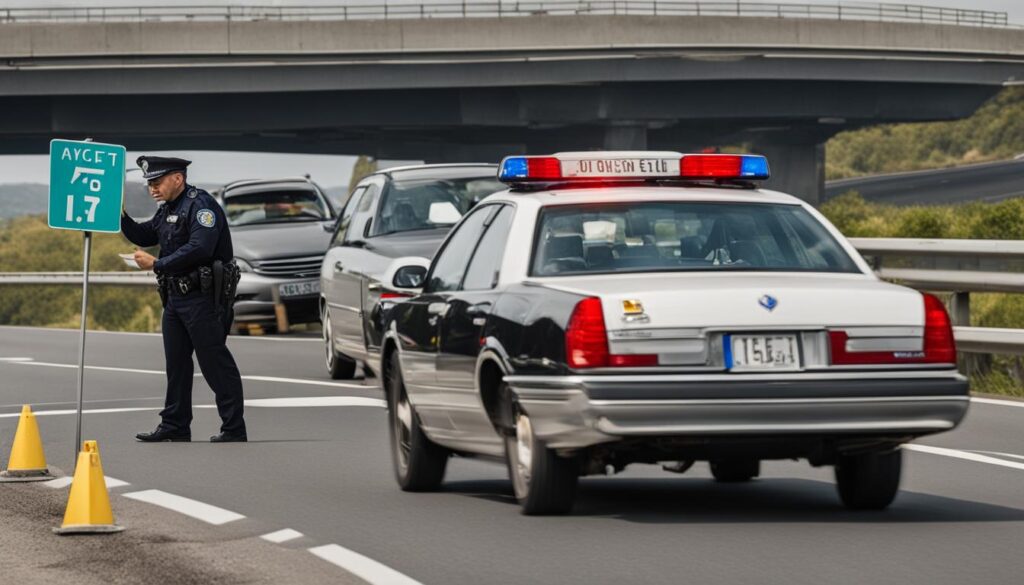
Road traffic offences Romania

Road Traffic Offences in Romania: Laws & Penalties


If you are a driver or planning to obtain a driving license in Romania, it is crucial to be aware of the specific laws and penalties related to traffic offenses.

Understanding the consequences of these offenses can help you navigate the roads safely and avoid penalties.

Traffic violations in Romania encompass a range of offenses, each with its own set of penalties dictated by the Romanian Criminal Code.

One of the most serious offenses is driving without a license, which can lead to imprisonment for one to five years.

Similarly, driving a vehicle without the appropriate license category, or when the license has been withdrawn, canceled, or suspended, can result in imprisonment for six months to three years or a fine.

Entrusting a vehicle to someone who does not possess a valid license or is under the influence of alcohol or drugs is also punishable by imprisonment.

To ensure compliance with traffic laws and avoid these severe penalties, it is essential to adhere to the regulations set by the Romanian authorities.

Traffic violation Romania

Driving a Motor Vehicle Without a Driving License in Romania

Driving a motor vehicle without a valid driving license is a serious offense in Romania. Under Article 335 of the Romanian Criminal Code, this offense carries a penalty of imprisonment for a period of one to five years.

It is important to note that this offense applies to individuals who do not have a valid driving license. If a person has acquired the right to drive but does not possess the necessary documents or if their license has expired, it does not constitute driving without a license. In such cases, these offenses are subject to fines according to Article 101 of the Romanian Traffic Code.

The act of driving, as defined by the Supreme Court, includes directing the movement of a vehicle on public roads, regardless of whether the engine is running.

OffencePunishment
Driving without a valid licenseImprisonment for one to five years
Driving with an expired license or without necessary documentsFines according to Article 101 of the Romanian Traffic Code

traffic offense fines romania

Driving with an Inappropriate or Suspended License in Romania

Driving with an inappropriate license or a suspended license is a serious offense in Romania that carries severe penalties.

Drivers must ensure that they possess the correct license category or subcategory for the vehicle they are operating.

If you are caught driving with an inappropriate license in Romania, you may face imprisonment for a period of six months to three years, or you could be fined. Additionally, driving a vehicle with a suspended license can result in the same penalties.

The severity of the punishment depends on various factors, including the circumstances surrounding the offense and any prior convictions.

However, it is important to note that the court may consider replacing the fine with a warning in certain cases where the offense is deemed to be of low social danger and the behavior has been immediately corrected upon detection.

This is at the discretion of the judge, and it is not guaranteed in every case.

To avoid the consequences of driving with an inappropriate or suspended license, it is crucial to adhere to the licensing requirements set by the Romanian authorities. Always ensure that your license is valid and appropriate for the vehicle you are driving.

This will help you stay in compliance with the law and ensure the safety of yourself and others on the road.

Penalties for Driving with an Inappropriate or Suspended License in Romania:

OffensePenalty
Driving with an inappropriate licenseImprisonment for 6 months to 3 years or a fine
Driving with a suspended licenseImprisonment for 6 months to 3 years or a fine

Driving by a Person not Entitled to Drive in Romania

In Romania, it is illegal for a person to drive a motor vehicle if they are not entitled to do so. This can occur if a person’s driving license is not issued by an EU country or a country with which Romania has a driving license recognition agreement. In such cases, driving on Romanian roads is considered a criminal offense.

The penalties for driving by a non-entitled person include imprisonment for a period of six months to three years or a fine.

Individuals need to ensure that they have the necessary driving qualifications before driving in Romania.

If you attempt to drive in Romania without the proper license, you may face severe consequences.

Not only can you be deprived of your freedom through imprisonment, but you may also be subject to substantial financial penalties. Driving without the appropriate entitlement jeopardizes the safety of both yourself and other road users.

It is crucial to respect and adhere to the driving regulations in Romania to avoid legal troubles and ensure the safety of all individuals on the road.

To emphasize the gravity of this offense and its potential consequences, here is a table outlining the penalties for driving by a non-entitled person:

Fine Range (RON)Imprisonment
1000 – 50006 months to 3 years

Driving without entitlement is a serious offense, and it is essential to respect the driving laws in Romania to avoid facing these penalties.

unqualified driver Romania

unqualified driver Romania

Entrusting a Motor Vehicle to an Unlicensed or Impaired Driver in Romania

In Romania, it is a criminal offence to entrust a motor vehicle to a person who is not legally entitled to drive or is under the influence of alcohol or psychoactive substances.

This offence applies to individuals who knowingly provide access to a vehicle to someone who is not qualified to drive or is impaired.

The penalties for entrusting a vehicle to an unlicensed or impaired driver are severe.

They include imprisonment for a period of six months to three years or a fine. It is important for vehicle owners to understand the consequences of entrusting a vehicle to an unlicensed or impaired driver and to take steps to prevent it from happening.

By entrusting your vehicle to an unlicensed or impaired driver, you not only put the driver’s safety at risk but also the safety of other road users.

It is crucial to prioritize road safety and prevent the occurrence of accidents and injuries caused by unqualified or impaired drivers.

As a responsible vehicle owner, it is your duty to verify the driver’s license and ensure that they are legally authorized to operate your vehicle.

By doing so, you contribute to the overall safety of the road and help prevent unnecessary accidents.

If you suspect that someone is driving your vehicle without a valid license or while impaired, it is important to report it to the authorities immediately.

Doing so can help prevent potential accidents and hold the responsible parties accountable for their actions.

Tips to Avoid Entrusting Your Vehicle to an Unlicensed or Impaired Driver:

  • Always verify the driver’s license before allowing them to operate your vehicle.
  • If the driver is impaired or shows signs of impairment, do not allow them to drive.
  • Make sure to educate and inform other individuals who have access to your vehicle about the legal requirements and the importance of responsible driving.
  • If you suspect that someone is driving your vehicle without a valid license or while impaired, report it to the authorities immediately.

By following these simple steps, you can help promote road safety and prevent accidents caused by unlicensed or impaired drivers.

Contesting Traffic Offence Fines in Romania

traffic offence lawyer

If you have been fined for a traffic offense in Romania, you have the right to challenge the fine by filing an administrative complaint with the appropriate court.

To contest the fine, you need to gather the necessary information and supporting evidence to strengthen your case.

Gather the Required Information and Evidence

When filing a complaint, it is important to include your identification details, such as your full name, address, and personal identification number.

Additionally, provide the offense report number and the date it was issued. This information will help the court identify your case and investigate it further.

You should also outline the grounds for your complaint.

Clearly explain why you believe the fine is unjust, highlighting any relevant details or circumstances that support your argument.

It is helpful to provide any supporting evidence, such as photographs, witness statements, or any other documentation that strengthens your case.

File the Complaint with the Appropriate Court

After gathering all the necessary information and evidence, you can file your administrative complaint with the court having jurisdiction over the area where the offense was committed.

Make sure to follow the court’s specific requirements for filing a complaint, including any necessary forms or documents.

Once your complaint is submitted, the court will review your case and assess the validity of your arguments and evidence.

It is important to note that complaining automatically suspends the enforcement of the penalty until a final judgment is given by the court.

During the court proceedings, it is recommended to seek legal advice from a qualified Romanian lawyer who specializes in traffic offenses.

They can provide expert guidance, help you navigate the legal process, and ensure that your rights are protected.

Final Thoughts

Challenging traffic offense fines in Romania is a legal right for individuals who believe they have been unjustly penalized.

By gathering the necessary information, outlining strong grounds for your complaint, and submitting it to the appropriate court, you have the opportunity to contest the fine and seek a fair resolution.

Remember, seeking legal counsel is highly recommended to maximize your chances of success and ensure a thorough understanding of the legal procedures involved.

Frequently Asked Questions (FAQ)

1. What are the traffic rules that apply in Romania?

When driving in Romania, it’s important to be familiar with the local traffic rules and road safety regulations.

These rules are enforced by the Romanian police and cover various aspects such as speed limits, right of way, lane usage, and more.

2. How can I report a traffic offence in Romania?

If you witness a traffic offence or are a victim of one, you can file an offence report with the Romanian police or the competent authority within 15 days from when the offence was committed.

The report must include details such as the date, time, location, and nature of the offence.

3. What is the procedure for filing a complaint about a road traffic incident in Romania?

If you need to lodge a complaint related to a road traffic incident, you can do so by contacting the traffic police or the relevant authority

4. Are the traffic laws in Romania applicable to EU citizens?

Yes, the traffic laws in Romania apply to all individuals, including EU citizens.

Any traffic violations committed by EU citizens will be subject to the penalties and sanctions outlined in the local legislation.

5. What are the consequences of not paying a traffic fine in Romania?

Failing to pay a traffic fine in Romania within the specified timeframe may lead to additional penalties and sanctions.

The competent authority may take necessary steps to ensure compliance with the payment and enforce the applicable consequences.

Conclusion

Traffic offenses in Romania are governed by specific laws and are accompanied by corresponding penalties.

Individuals must familiarize themselves with these laws and understand the potential consequences of committing traffic offenses.

Driving without a valid license, driving with an inappropriate or suspended license, and entrusting a vehicle to an unlicensed or impaired driver are serious criminal offenses that can result in imprisonment or fines.

To protect your rights and challenge unfair fines, you have the option to contest them by filing an administrative complaint with the court.

Ensure you gather all relevant information and evidence to support your claim.

Seeking legal advice from a qualified Romanian lawyer can provide invaluable guidance throughout the process.

Remember, compliance with traffic laws is essential to prevent traffic offenses and the associated penalties.

By staying informed and abiding by the regulations, you can contribute to road safety in Romania and avoid unnecessary legal complications.

Drive safely and responsibly!

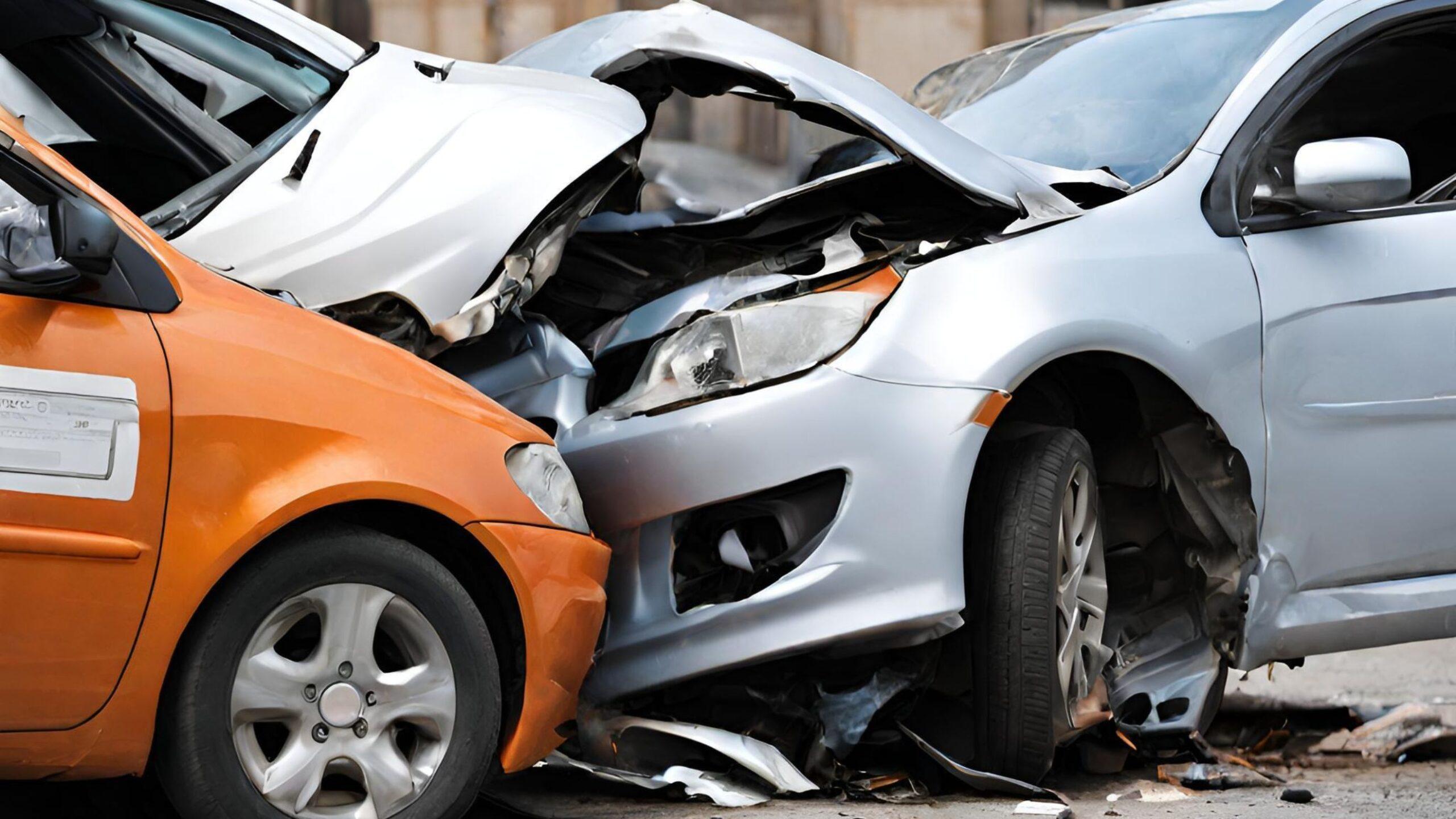
Liability in Car Crash Accidents in Romania

Understanding Liability in Car Accident Cases in Romania – Key Facts

Understanding Liability in Car Accident Cases in Romania

When involved in a car accident case in Romania, understanding liability is crucial for determining responsibility and ensuring proper compensation for damages and injuries.

In car accident cases, liability refers to the legal responsibility of the party at fault for causing the accident.

It is important to identify the liable party as it determines who should be held accountable for the damages and injuries resulting from the accident.

Liability in car accidents can be divided into different types:

  • Driver Liability: This type of liability holds the driver responsible for the accident if their actions or negligence caused the collision. Examples include reckless driving, running a red light, or driving under the influence.
  • Owner Liability: Vehicle owners can be held liable if they entrusted their vehicle to someone they knew or should have known to be an incompetent or reckless driver. This includes cases where the owner failed to properly maintain the vehicle, resulting in an accident.
  • Manufacturer Liability: If a car accident is caused by a defect in the vehicle or its components, the manufacturer may be held liable. This type of liability is often seen in cases involving faulty brakes, airbags, or other safety-related issues.
  • Government Liability: In some situations, government entities can be held liable for car accidents. This includes cases where poor road maintenance, inadequate signage, or other negligent actions on the part of government agencies contribute to the accident.

Understanding liability laws and seeking legal advice, such as consulting with a car accident lawyer, is crucial in protecting your rights and ensuring that you receive the compensation you deserve.

Proving liability in car accident cases requires collecting evidence to support your claim.

This can include accident scene photos, police reports, eyewitness statements, and expert reports.

Factors such as traffic violations, speed, vehicle conditions, driver impairment, and license compliance can all contribute to determining liability.

It is important to note that liability in car accident cases can sometimes be split among multiple parties.

In these cases, compensation may be discounted based on the percentage of liability assigned to each party.

Seeking legal advice from a car accident lawyer is essential in understanding the complex factors involved in determining liability and protecting your rights throughout the claims process.

An attorney can assist in negotiating with insurance companies and represent you in court to ensure fair settlements and adequate compensation.

Remember, understanding liability in car accident cases is key to protecting yourself and receiving the compensation you are entitled to.

Car Crash RomaniaTypes of Liability in Car Accident Cases

Liability in car accident cases can be attributed to various parties, including drivers, vehicle owners, manufacturers, and even government entities.

Understanding these different types of liability is crucial for individuals involved in car accidents and seeking legal recourse. Let’s take a closer look at each type:

1. Driver Liability:

One of the most common types of liability in car accident cases is driver liability. When a driver is at fault for the accident, they can be held liable for the damages and injuries caused.

This includes cases where the driver was speeding, driving recklessly, under the influence of alcohol or drugs, or violated traffic laws.

2. Owner Liability

Vehicle owners can also be held liable for accidents involving their vehicles.

If the owner negligently entrusted their vehicle to an individual who caused the accident, they may be held responsible for the resulting damages.

This could include cases where the owner knew or should have known that the person driving their vehicle was unfit or inexperienced.

3. Manufacturer Liability:

In some car accidents, liability can fall on the manufacturer of the vehicle or its components.

If a defect in the vehicle or its parts contributed to the accident or exacerbated injuries, the manufacturer may be held legally responsible.

This type of liability often involves product liability claims and requires extensive investigations and expert analysis.

4. Government Liability:

In certain cases, government entities can be held liable for car accidents.

This typically occurs when negligence on the part of a government agency or employee leads to a car accident.

Examples may include poorly maintained roads, inadequate signage, or other hazardous conditions caused by negligence or failure to implement necessary safety measures.

These types of liability can often intertwine, making it essential to seek legal representation from a Romanian car accident lawyer or law firm.

With our expertise and understanding of Romanian car accident laws, we can navigate the complexities of determining liability and advocate for our clients’ rights.

Types of LiabilityKey Points
Driver LiabilityDriver at fault is responsible for damages and injuries caused by the accident.
Owner LiabilityVehicle owner can be held liable if they negligently entrusted their vehicle to an unfit driver.
Manufacturer LiabilityManufacturer may be liable if a defect in the vehicle or its parts contributed to the accident.
Government LiabilityGovernment entities may be held responsible for car accidents caused by their negligence.

insurance contract RomaniaProving Liability in Car Accident Cases

Proving liability in car accident cases requires a comprehensive collection of evidence and expert legal guidance to establish fault and ensure fair compensation.

When pursuing a personal injury claim, it’s important to gather as much supporting evidence as possible.

This includes accident scene photos, police reports, eyewitness statements, and expert reports.

These pieces of evidence can help reconstruct the events leading to the accident and establish liability.

Factors such as traffic violations, speed, vehicle conditions, driver impairment, and license compliance are essential in determining liability.

Each case is unique, and a skilled personal injury lawyer with experience in Romania car crash cases can analyze these factors to build a strong case.

Our team of Romanian Lawyers can navigate the complexities of liability laws, conduct thorough investigations, and provide expertise in proving fault.

Seeking legal advice from a personal injury lawyer is crucial in protecting your rights throughout the claims process.

We can negotiate with insurance companies on your behalf and ensure you receive fair compensation for your injuries and damages. In court, we will advocate for your best interests, presenting the collected evidence to establish liability and fight for the compensation you deserve.

Key Points:
Proving liability requires a comprehensive collection of evidence
Expert legal guidance is essential in establishing fault
personal injury lawyer can navigate liability laws and conduct investigations
Will negotiate with insurance companies and represent clients in court

Summary

Understanding and proving liability in car accident cases is crucial for determining fault and securing fair compensation. Gathering evidence, such as accident scene photos, police reports, and expert testimonials, is essential for establishing liability. Factors like traffic violations, speed, vehicle conditions, driver impairment, and license compliance play a significant role in determining fault.

Hiring a skilled personal injury lawyer is paramount to navigate the complexities of liability laws, negotiate with insurance companies, and represent your best interests in court.

By seeking legal advice and building a strong case, you can protect your rights and ensure fair compensation for your injuries and damages.

Split Liability and Protecting Your Rights

Understanding split liability in car accident cases and taking appropriate legal action is vital for safeguarding your rights and receiving the compensation you deserve.

In some accidents, multiple parties may share responsibility for the incident, resulting in what is known as split liability.

When this occurs, the compensation awarded may be discounted based on the percentage of liability assigned to each party involved.

Dealing with split liability cases can be complex, requiring a thorough understanding of the law and the ability to navigate negotiations with insurance companies.

This is why it is essential to seek the expertise of a car accident lawyer who specializes in handling liability issues and protecting the rights of their clients.

A knowledgeable attorney can work closely with you to conduct a comprehensive investigation, gathering critical evidence such as accident scene photos, police reports, eyewitness statements, and expert reports.

Our team of Romanian lawyers will assess the various factors that contribute to liability, including traffic violations, speed, vehicle conditions, driver impairment, and license compliance.

Armed with this evidence, your lawyer can build a strong case that supports your claim for compensation.

By enlisting the help of a car accident lawyer, you can ensure that your rights are fully protected throughout the claims process.

We will advocate on your behalf, negotiating with insurance companies to secure a fair settlement that adequately compensates you for your damages and injuries.

If necessary, Atrium Romanian Lawyers will also represent you in court, fighting for your rights and holding the responsible parties accountable for their actions.


FAQ – Liability in Car Accidents in Romania

1. What is liability in car accidents in Romania?

In Romania, liability refers to the legal responsibility that one holds when they are involved in a car accident. This includes the obligation to compensate for any damage caused to third parties due to their actions or negligence.

2. What is RCA in Romania?

RCA stands for “Răspundere Civilă Auto” which translates to Civil Auto Liability in English. It is a mandatory type of liability insurance in Romania, covering damages caused to third parties in a car accident.

3. What is liability insurance policy?

Liability insurance policy, also known as civil liability insurance policy, is a contract between an individual and an insurance company. It provides coverage for the policyholder’s liability towards third parties in case of a car accident.

4. What should I do in case of a car accident in Romania?

If you are involved in a car accident in Romania, you should follow the following conditions:

– Stop the vehicle and move it to a safe place if possible.

– Ensure the well-being of all individuals involved and offer assistance if required.

– Call the police and report the accident.

– Exchange information with the other party involved including insurance details, name, and contact information.

– Notify your insurance company within 24 hours.

– Obtain a copy of the police report for future reference.

5. Are there any competent authorities that I should inform in case of a car accident in Romania?

Yes, you should inform the police and your insurance company about the accident as soon as possible.

The police report will be essential for filing an insurance claim and resolving any legal issues that may arise.

6. Can I claim personal injury in case of a car accident in Romania?

Yes, if you sustain personal injuries as a result of a car accident in Romania, you can file a personal injury claim.

It is advisable to seek legal advice from Romanian lawyers who specialize in personal injury cases.

7. What are the terms and conditions for filing a personal injury claim in Romania?

The terms and conditions for filing a personal injury claim in Romania may vary depending on the specifics of your case.

It is important to consult with a Romanian lawyer to understand the specific requirements, limitations, and procedures involved.

8. Are damages covered by liability insurance in Romania?

Yes, damages produced to third parties as a result of a car accident are covered by liability insurance in Romania.

The insurance company will assess.

Index