Romanian business professional reviewing GDPR compliance checklist on laptop in Bucharest office

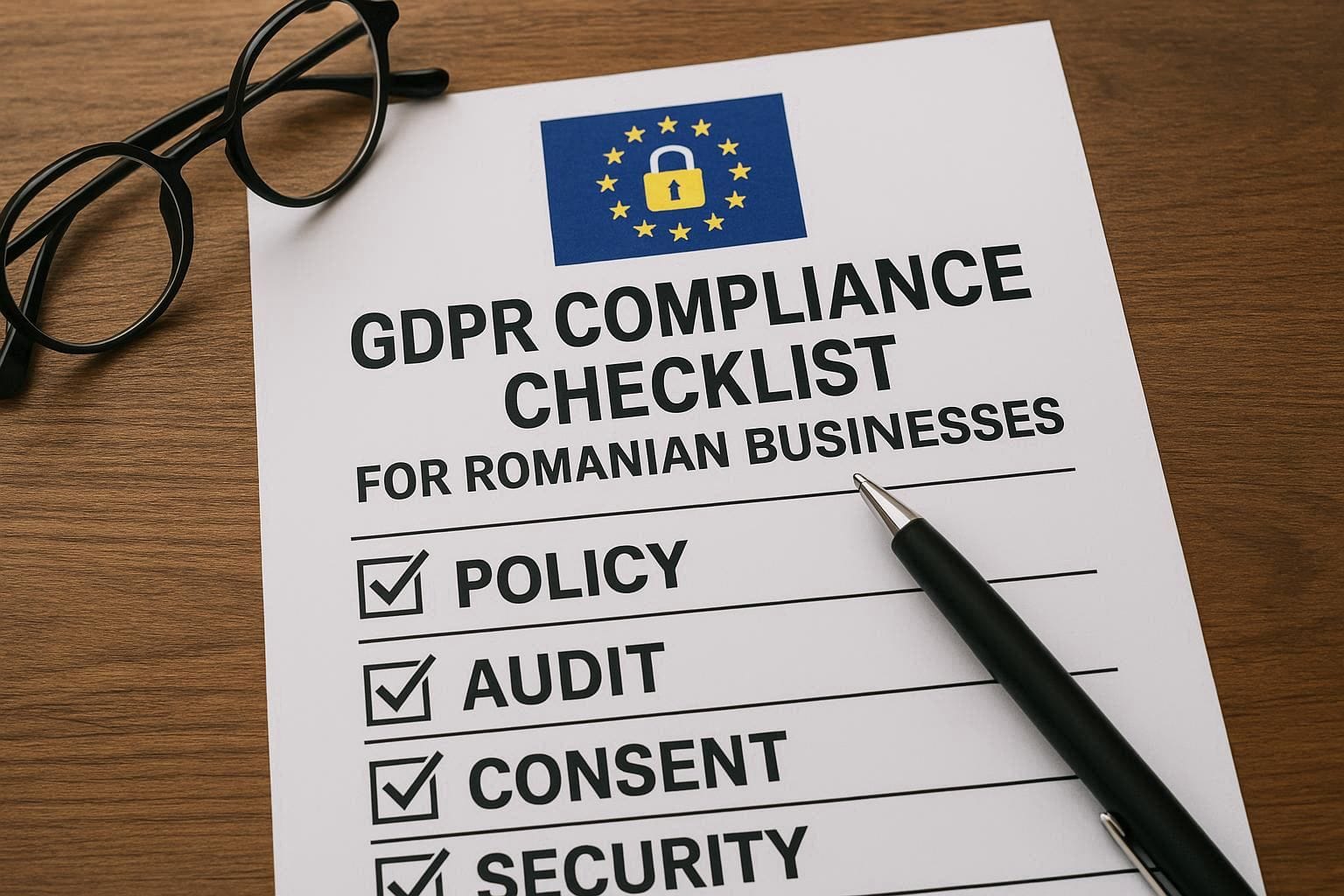
GDPR Compliance Checklist for Romanian Companies 2025

GDPR Compliance Checklist for Romanian Companies

What crucial step could protect your business from devastating fines while building customer trust?

Many organizations underestimate how Europe’s strict data protection laws apply to their operations.

While GDPR penalties can reach €20 million or 4% of global revenue, Romanian enforcement authorities have imposed fines ranging from €3,000 to €130,000 for violations, demonstrating that penalties scale with the severity of breaches and organizational size.

GDPR compliance checklist for Romanian companies

Romania’s evolving digital economy demands proactive measures to align with rigorous privacy standards.

Legal experts emphasize that proper adherence involves more than basic policy updates—it requires systematic data governance.

Companies must address consent protocols, breach response plans, and cross-border data flows to avoid regulatory scrutiny.

Specialized legal guidance helps businesses transform compliance into strategic advantages.

Firms adopting privacy-first approaches often see improved client relationships and operational resilience.

Those delaying action risk not only financial consequences but also long-term reputational damage in competitive markets.

For tailored strategies meeting international standards, contact our data protection lawyers in Bucharest.

Our team of legal professionals provide actionable frameworks to navigate complex requirements while prioritizing business growth.

Key Takeaways

  • Data protection laws apply regardless of a company’s physical location if EU resident information is processed,
  • Penalties can reach €20 million or 4% of global revenue, emphasizing the need for preventive measures,
  • Building customer trust through transparent data practices creates market differentiation,
  • Legal experts offer customized solutions to align business operations with regulatory demands,
  • Compliance involves continuous monitoring, not just one-time adjustments.

Understanding GDPR and Its Impact on Romanian Businesses

How can organizations in Romania turn regulatory demands into strategic opportunities?

The General Data Protection Regulation (GDPR) reshapes how businesses manage information, particularly for entities handling EU residents’ data.

Its extraterritorial scope means even non-EU-based firms must adhere to strict standards when processing personal details of European citizens.

Core Regulatory Foundations

The regulation establishes six foundational principles for data handling, plus an overarching accountability principle.

These mandate that organizations:

  • Process information lawfully and transparently,
  • Collect only necessary data for specific purposes,
  • Maintain accuracy and limit storage durations.

Such requirements demand technical safeguards like encryption and operational protocols for accountability.

Privacy-by-design methodologies ensure protections are embedded in all systems.

Strategic Advantages for Local Entities

Adhering to these standards transforms obligations into opportunities.

Firms prioritizing data protection report:

  • Enhanced client confidence through transparent practices,
  • Reduced breach-related costs and operational disruptions,
  • Differentiation in markets where privacy concerns influence decisions.

For tailored strategies aligning Romanian operations with these regulations, consult our team of Romanian Lawyers.

Proactive adaptation not only mitigates risks but positions businesses as trustworthy data stewards.

Exploring Key GDPR Roles and Terminology

Who holds ultimate accountability in data governance frameworks?

Clarifying responsibilities under privacy regulations helps organizations establish clear operational boundaries.

Three critical roles form the foundation of proper data management practices.

data protection officer

Data Controllers, Processors, and Data Subjects

Data controllers determine why and how personal information is handled.

They bear legal responsibility for compliance across all processing activities.

Third-party processors execute tasks under controller directives but must independently meet security standards.

Individuals whose data is collected, known as data subjects, retain rights to access or delete their information.

Organizations must implement systems to honor these requests efficiently.

The Essential Role of the Data Protection Officer (DPO)

A data protection officer oversees compliance strategies and acts as the regulatory liaison.

This role is mandatory for entities processing sensitive data or conducting large-scale monitoring.

Under Romanian Law 190/2018, organizations processing national identification numbers (CNP) based on legitimate interest must also appoint a DPO, even if they don’t meet the standard GDPR thresholds.

This additional requirement reflects Romania’s enhanced protection for sensitive national identifiers.

Romanian businesses uncertain about role allocations should consult office@theromanianlawyers.com.

Proper classification prevents overlapping liabilities and ensures alignment with cross-border standards.

Conducting a Comprehensive Data Audit and Mapping

Organizations handling personal information must first establish clarity in their data ecosystems.

A systematic audit reveals how data flows through operations, exposing vulnerabilities while ensuring alignment with legal obligations.

This foundational step transforms raw information into actionable insights for risk management.

data audit and mapping

Identifying What Personal Data You Collect

Begin by cataloging every category of personal data your organization processes.

Common examples include:

  • Contact details (names, email addresses).
  • Digital identifiers (IP addresses, device information).
  • Sensitive records (financial data, health information).

Document each data point’s purpose, collection method, and retention timeline.

Assess whether processing activities rely on valid legal grounds like contractual necessity or explicit consent.

Storage locations demand equal scrutiny—identify physical servers, cloud platforms, and third-party repositories holding sensitive materials.

Access controls form another critical audit component.

Map which employees or systems interact with personal data and verify authorization protocols.

This process highlights potential exposure points while streamlining responses to information requests.

Romanian entities seeking structured frameworks for these assessments may contact our data protection legal specialists.

Expert guidance ensures audits meet regulatory expectations while supporting operational efficiency.

GDPR Compliance Checklist for Romanian Companies

Businesses handling EU data face operational complexity when aligning processes with privacy standards.

Structured frameworks simplify adherence while minimizing risks of non-conformance.

Effective strategies combine procedural clarity with technological safeguards to meet evolving requirements.

data protection checklist steps

Actionable Protocols for Information Security

Organizations should prioritize these critical measures:

Action ItemResponsible PartyDeadline
Complete data flow mappingIT & Legal Teams30 Days
Implement encryption protocolsSecurity Department45 Days
Update third-party contractsCompliance Officer60 Days

Consent Management Best Practices

Valid authorization requires unticked checkboxes and separate permissions for distinct processing purposes.

Confirmation emails enhance verification, while centralized logging systems track user agreements with timestamps and purpose details.

Organizations must honor withdrawal requests without undue delay and provide confirmation within one month, as required by GDPR Article 12(3).

Automated systems should flag outdated records immediately upon withdrawal, ensuring ongoing alignment with transparency obligations and ceasing processing activities promptly.

Regular audits verify adherence to storage limitation principles and access controls.

Local enterprises seeking customized frameworks may contact office@theromanianlawyers.com.

Specialized guidance helps establish resilient processes that satisfy regulatory expectations while supporting operational scalability.

Ensuring Website Security and Transparent Privacy Policies

How do modern businesses balance robust security with user transparency?

Websites storing personal information require layered defenses against cyber threats.

Organizations must adopt technical safeguards while clearly communicating data handling practices to users.

website security and privacy policies

Implementing SSL, Strong Passwords, and Anti-Virus Measures

HTTPS encryption via SSL certificates forms the first line of defense.

Multi-factor authentication and complex passwords prevent unauthorized account access.

Regular vulnerability scans and firewall updates address emerging threats.

Advanced protections include:

  • Content Delivery Networks (CDNs) to mitigate DDoS attacks,
  • Intrusion detection systems monitoring server activity,
  • Automated backups stored in geographically separate locations.

Designing Clear and Accessible Privacy Notices

Privacy policies must explain data collection purposes in plain language.

Every page should feature a visible link to these documents. Essential disclosures include:

  • Types of information gathered (contact details, device data)
  • Legal basis for processing activities
  • Third-party data sharing arrangements

Entities developing their online platforms should consult office@theromanianlawyers.com for policy reviews.

Proper alignment with privacy standards builds credibility while reducing legal exposure.

Managing Third-Party Vendors and International Data Transfers

How can businesses ensure their partners meet strict data protection standards?

Organizations relying on external vendors must verify their adherence to privacy regulations.

This requires thorough evaluations and contractual safeguards to maintain accountability across supply chains.

Evaluating Vendor Requirements and Contracts

Entities handling personal information must catalog all service providers processing data.

This includes cloud platforms, payment systems, and marketing tools.

Assessments should examine vendors’ security certifications, breach response plans, and documentation of regulatory alignment.

Legally binding agreements define responsibilities between controllers and processors.

These contracts specify permitted activities, retention timelines, and security protocols.

Subcontractor arrangements require explicit approval to maintain oversight.

RequirementActionMechanism
Vendor AccountabilityReview security auditsAnnual assessments
Data TransfersImplement SCCsContractual clauses
Risk MitigationConduct impact analysesTransfer evaluations

Cross-border data flows demand additional precautions.

Companies must confirm whether recipient countries have EU adequacy status.

For other regions, standardized contractual clauses or binding corporate rules become mandatory safeguards.

Romanian enterprises navigating these complexities should seek specialized Romanian Lawyer.

Proactive vendor management frameworks prevent regulatory violations while fostering trust with European partners.

Contact office@theromanianlawyers.com for tailored strategies addressing cross-border operational challenges.

Preparing for Data Breaches and Facilitating Data Subject Rights

What separates resilient organizations from vulnerable ones when cyber threats strike?

Proactive preparation for security incidents and efficient handling of individual rights form the backbone of modern data governance.

Organizations must balance rapid response capabilities with systematic processes to address user inquiries.

Developing a Robust Breach Response Plan

Effective incident management requires predefined protocols.

Immediate detection mechanisms trigger containment procedures within one hour of identifying unauthorized data access.

Forensic teams analyze breach scope while legal advisors determine notification obligations to authorities within 72 hours.

Regular simulation exercises test communication channels between IT, legal, and PR departments.

Documentation templates for breach reports ensure regulatory requirements are met without delays.

Continuous monitoring systems flag unusual activity patterns to prevent escalation.

Streamlining Data Subject Access Requests

Individuals increasingly exercise their right to review or delete personal information.

Centralized portals allow users to submit requests through secure authentication methods.

Automated workflows verify identities and route inquiries to appropriate teams within 24 hours.

Response templates maintain consistency while adhering to legal timelines.

Secure delivery channels protect sensitive information during transmission.

Audit trails demonstrate compliance with access rights obligations during regulatory inspections.

Entities requiring customized frameworks for incident management or user rights processes should contact office@theromanianlawyers.com.

Structured approaches transform regulatory demands into operational strengths while maintaining stakeholder trust.

FAQ

When must Romanian businesses appoint a data protection officer?

Organizations must designate a data protection officer if they systematically monitor individuals on a large scale or process sensitive categories like health records.

Public authorities in Romania also require this role regardless of data volume.

How long can companies retain customer information under EU regulations?

Storage periods must align with the original purpose for collection.

For example, transaction records may be kept for tax compliance periods specified by ANAF (Romania’s tax authority), while marketing contact lists require periodic reviews for relevance.

What technical safeguards are mandatory for website security?

Essential measures include SSL encryption, multi-factor authentication, regular penetration testing, and documented patch management processes.

Organizations should implement security measures proportionate to the risk level of data processing, following GDPR Article 32 requirements for appropriate technical and organizational measures.

Are international cloud providers like AWS or Microsoft Azure GDPR-compliant for Romanian data?

Providers operating under EU-approved mechanisms like Standard Contractual Clauses (SCCs) or binding corporate rules generally meet requirements.

However, companies must verify current certifications and update Data Processing Agreements (DPAs) annually.

What penalties apply for violating data subject rights in Romania?

The National Supervisory Authority for Personal Data Processing (ANSPDCP) can impose fines up to €20 million or 4% of global turnover.

Recent enforcement actions targeted improper consent practices and delayed breach notifications.

How should organizations handle data access requests from employees?

Businesses must respond within 30 days, providing free electronic copies of records.

Implement automated DSAR workflows in platforms like Microsoft 365 or specialized tools such as OneTrust to track and fulfill requests efficiently.

Protect Yourself from Phishing Scams in Romania

Protect Yourself from Phishing Scams in Romania

Did you know 71% of working adults in Romania have taken risky online actions?

This shocking fact from Proofpoint’s 2024 State of the Phish Report shows we need to know about phishing scams in Romania.

It’s key to understand how to avoid email fraud and identity theft in Romania.

Phishing scams in Romania are getting smarter, targeting both people and businesses.

Scammers use fake emails and social engineering tricks to steal your info.

This guide will teach you how to spot and stop these scams in Romania.

Phishing Scams in Romania

Every time you check your email, browse social media, or shop online, you face phishing threats.

By staying informed and careful, you can lower your risk of falling for these scams.

Let’s explore how to protect your digital world from phishing attacks.

Key Takeaways

  • 71% of Romanian working adults engage in risky online behavior;
  • Nearly 70% of Romanian organizations faced ransomware attacks;
  • Emails are the primary vector for social engineering breaches;
  • Implementing security training reduces phishing vulnerability;
  • Always verify website security before entering personal information;
  • Use two-factor authentication to enhance account security;
  • Stay alert for various phishing types: vishing, smishing, and spear phishing.

Understanding Phishing Scams in Romania

Phishing scams are a big problem in Romania.

Cybercriminals use smart tricks to get your information.

It’s important to know how to protect yourself and stay safe online.

What is Phishing and How it Works

Phishing is when scammers try to trick you into giving them your personal info.

They might pretend to be someone you trust, like a bank.

In Romania, about 1 in 3 people have been targeted by phishing scams in the last year.

Phishing scams in Romania

Common Types of Phishing Attacks in Romania

Email phishing is the most common, making up over 70% of scams.

SMS scams, or “smishing,” have jumped six times in 2023.

The most common scams target banks, followed by courier and telecom services.

Current Threat Landscape

The threat in Romania is changing fast.

Scams about cryptocurrency and investments have caused a 50% rise in financial losses.

Also, 60% of people can’t tell fake banking websites from real ones.

It’s key to be careful and know how to protect yourself online.

Banking and Financial Phishing Threats

Romanian banks are facing big cybersecurity challenges.

Phishers are targeting them, putting your money at risk.

It’s key to prevent online fraud in today’s digital banking world.

Scammers use smart tactics to steal your info.

They make fake bank emails and apps that seem real.

Some even pretend to be financial advisors to trick you.

Banking and financial phishing threats in RomaniaNever give out card numbers, PINs, or activation codes via email.

Always update your info through official channels.

This shows how important email security is.

To protect yourself:

  • Check sender email addresses carefully;
  • Don’t click links in suspicious messages;
  • Use official bank websites and apps only;
  • Enable two-factor authentication on accounts;
  • Report any suspicious activity immediately.

Stay alert and use anti-phishing strategies to keep your money safe.

Cybersecurity in Romania needs banks and customers to work together to stop scams.

Social Engineering Tactics Used by Romanian Scammers

Romanian cybercrime has grown, with scammers using smart social engineering tricks.

These methods are part of the rising phishing attacks in Romania.

It’s key to know how to fight these scams.

Psychological Manipulation Techniques

Scammers try to create urgency or play on emotions to trick victims.

In 2019, they used a tactic called “accident method.”

They called people, pretending their loved ones were in danger.

This method tries to make victims act without thinking.

phishing scam examples in romania

Common Persuasion Methods

Cybercriminals use many ways to trick people:

  • Fake contests: In 2019, they promised iPhone X Max prizes to trick victims.
  • Impersonation: They pretended to be trusted companies like Fan Courier to spread malware.
  • Celebrity exploitation: In 2019, Simona Halep’s Instagram was hacked for scams.
  • Trust exploitation: They made fake identities of famous people to ask for money.

Red Flags to Watch For

To stay safe in Romania, watch out for these signs:

  • Urgent requests for personal or financial info;
  • Suspicious links or attachments in emails;
  • Unwanted calls asking for sensitive data;
  • Messages that push you to act fast;
  • Offers that seem too good to be true.

By spotting these tricks, you can protect yourself from phishing scams.

This helps keep Romania’s cybersecurity strong.

Email-Based Phishing Schemes

Email scams in Romania are a big problem.

Scammers send fake messages that seem real.

They want your personal info. This fraud is getting worse fast.

Phishing emails ask for sensitive information.

They might want your name, CNP, or bank details. Real companies never ask for this by email.

If you get such a request, it’s likely a scam.

Email phishing scams in Romania

  • 90% of data breaches start with a phishing email;
  • 1 in 3 people face a phishing attempt yearly;
  • 60% of scams create false urgency;
  • 70% of phishing emails are generic.

To fight hacking threats in Romania, watch out for urgent emails.

Check the sender’s address well.

Don’t click on links or download files from unknown sources.

These steps help protect you from cybercrime in Romania.

Common Phishing TacticsRed Flags
Fake bank emailsRequests for login info
Humanitarian aid scamsPressure to act fast
Investment fraudPromises of high returns
Copycat websitesSlight URL changes

Stay alert and protect your digital identity.

If you see a suspicious email, report it to your local cybercrime unit.

Your watchfulness helps fight online fraud in Romania.

Mobile Phone and SMS Phishing

Smartphones are now a big part of our lives in Romania.

This has led to a rise in mobile phishing attacks.

In 2023, smishing attacks went up six times from 2022.

This shows we need to be more careful online.

Mobile phone and SMS phishing threats in Romania

SMS Scam Patterns

Cybercrime in Romania often uses fake SMS messages to trick mobile users.

In early 2023, 75% of these scams tried to steal identities. They use tricks to look real.

Scams include fake delivery notices, winning prizes, and urgent account updates.

These messages aim to get your personal info.

Mobile Banking Threats

The banking sector is a big target for mobile phishing.

Over three years, 56% of smishing scams were about banking.

Scammers pretend to be banks to get your info or take you to fake sites.

SIM Card Fraud Prevention

To avoid SIM card fraud, tell your service provider if you notice anything odd.

Use two-factor authentication for all accounts. Also, be careful of messages asking for personal info.

SectorPercentage of Smishing Scams
Banking56%
Courier Industry25%
Telecommunications15%
Other4%

Stay alert and learn about these threats to keep your internet safe in Romania.

Always remember, real companies don’t ask for your info via SMS or email.

E-commerce and Online Marketplace Scams

Online marketplace scams are becoming more common in Romania.

They target sites like Facebook Marketplace, TikTok Shop, and Instagram.

Scammers use advanced methods to steal your personal and financial details.

They often use fake payment confirmation emails to trick sellers.

This makes sellers send items without getting paid.

Another scam involves sellers claiming items have been shipped when they haven’t.

To stay safe, follow these tips:

  • Use secure payment methods;
  • Avoid deals that seem too good to be true;
  • Enable two-factor authentication on your accounts;
  • Be cautious of urgency tactics pressuring you to act quickly.

Romania is working hard to fight these scams.

The government is making new laws and starting education campaigns.

Keep up with these efforts to enjoy safe online shopping.

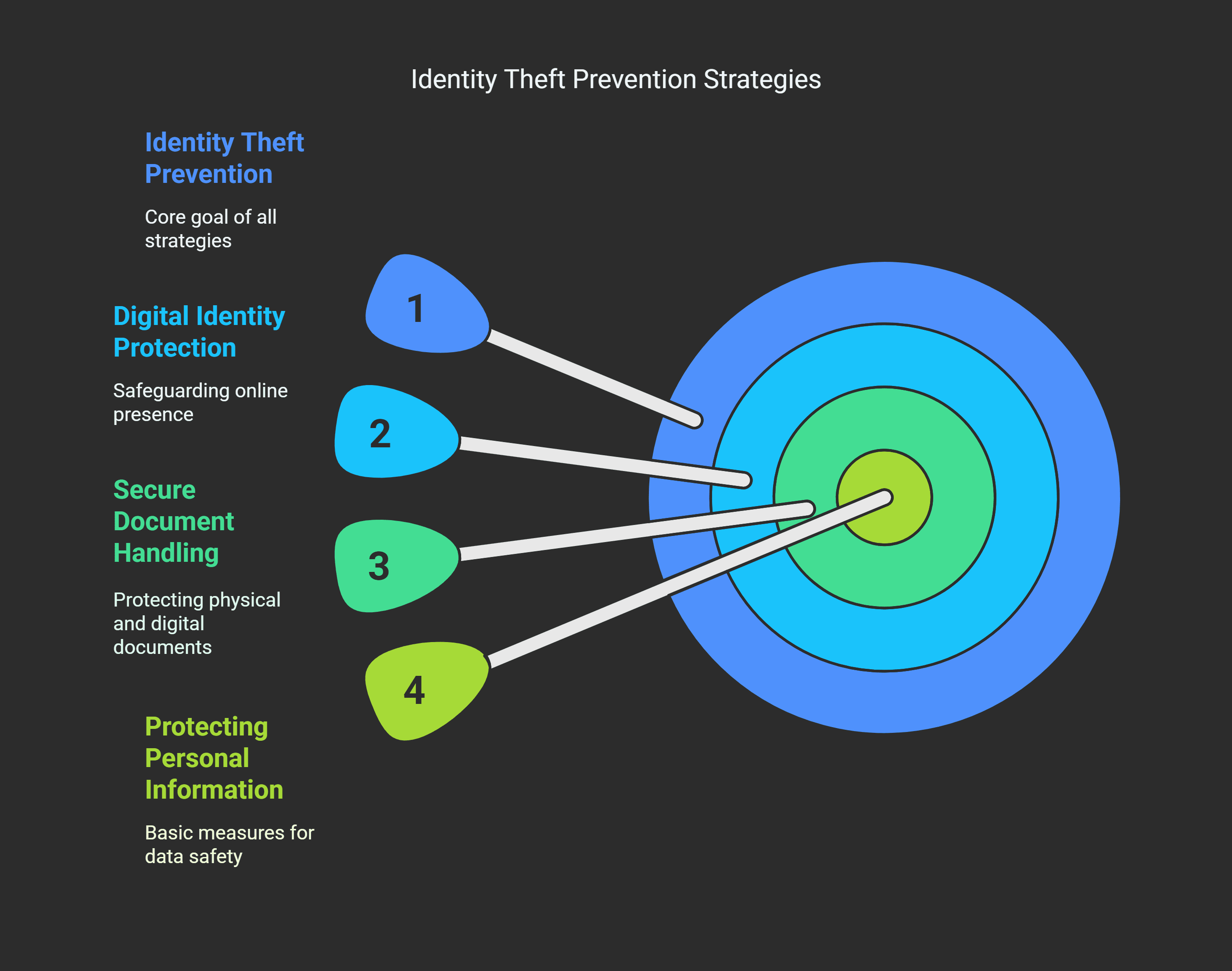
Identity Theft Prevention Strategies

Identity theft in Romania has jumped by 354% from 2022.

This makes it a big threat online.

With financial fraud losses hitting 1.13 billion euros, keeping your personal info safe is key.

Let’s look at ways to protect your identity from hackers in Romania.

Identity Theft Prevention Strategies Romania

Protecting Personal Information

Keep your data safe.

Don’t share personal details online, and be careful on public Wi-Fi.

Use strong, unique passwords for all accounts.

Try to make them at least 12 characters long, with a mix of letters, numbers, and symbols.

Enable two-factor authentication for extra security.

This adds an extra step to log in.

Secure Document Handling

Handle sensitive documents carefully.

Shred papers with personal info before throwing them away.

Keep important documents in a safe place at home.

When sending sensitive info online, use encrypted connections.

Look for “https://” in website URLs to ensure it’s secure.

Digital Identity Protection

Use strong email security to avoid scams. Install reputable antivirus software to fight malware.

Update your passwords often, but make sure they’re complex.

Consider using a password manager to keep your passwords safe.

This way, you can have complex passwords without having to remember them all.

  • Monitor your credit reports regularly;
  • Place fraud alerts with credit bureaus;
  • Use identity monitoring services;
  • Be cautious of phishing attempts;
  • Limit personal information shared on social media.

By using these strategies, you can lower your risk of identity theft in Romania’s digital world.

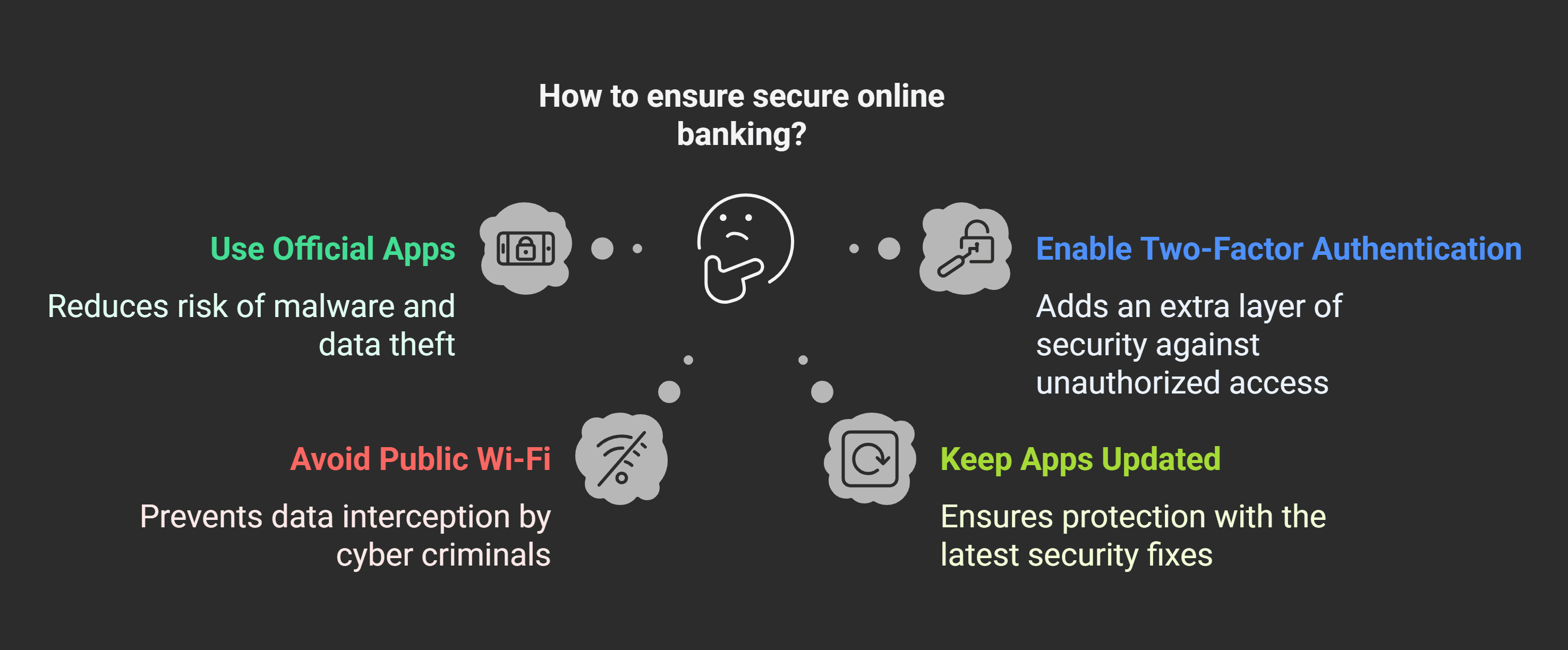
Secure Online Banking Practices

Secure Online Banking Practices Romania

In Romania, keeping your online banking safe is key as cyber threats grow.

Banks have rules to protect your money, but you also have a big part to play.

By using smart methods, you can protect yourself from hackers and data breaches.

Only use official banking apps from places like Google Play or Apple’s App Store.

This keeps you away from malware that could steal your info.

Always check the URL for “https” and look for the padlock icon when you’re on your bank’s site.

These signs mean it’s a secure connection.

Turn on two-factor authentication for more security.

This makes it tough for hackers to get into your account, even if they know your password.

Also, don’t do banking on public Wi-Fi.

These networks are not secure and can let cyber criminals see your data.

Keep your devices and banking apps up to date.

These updates often include security fixes that fight off new threats.

Be careful of emails or texts that seem to be from your bank but aren’t.

Scammers often use these to trick people into sharing sensitive info.

Banking Security MeasureEffectivenessUser Adoption Rate
Two-Factor AuthenticationHigh68%
Secure Wi-Fi UsageMedium82%
Regular App UpdatesHigh75%
Phishing AwarenessMedium60%

By being careful and following these steps, you can enjoy online banking safely.

Remember, your bank will never ask for your sensitive info via email or text.

If you’re unsure, always call your bank directly using official channels.

Two-Factor Authentication and Security Measures

In Romania, hacking and cyber fraud are big problems.

Two-factor authentication (2FA) is a key defense against online scams.

It adds an extra layer of protection to your accounts, making it harder for cybercriminals to get in.

Two-Factor Authentication and Security Measures Romania

Setting Up 2FA

To boost your internet security in Romania, set up 2FA on your key accounts.

Most platforms have this feature in their security settings.

You’ll need to give a phone number or email for verification codes.

Some services also support authenticator apps or hardware tokens for more security.

Authentication Best Practices

When using 2FA, follow these best practices to protect against spam emails and online scams in Bucharest and beyond:

  • Use unique, strong passwords for each account;
  • Opt for authenticator apps over SMS when possible;
  • Regularly update your recovery information;
  • Be cautious of phishing attempts disguised as 2FA prompts.

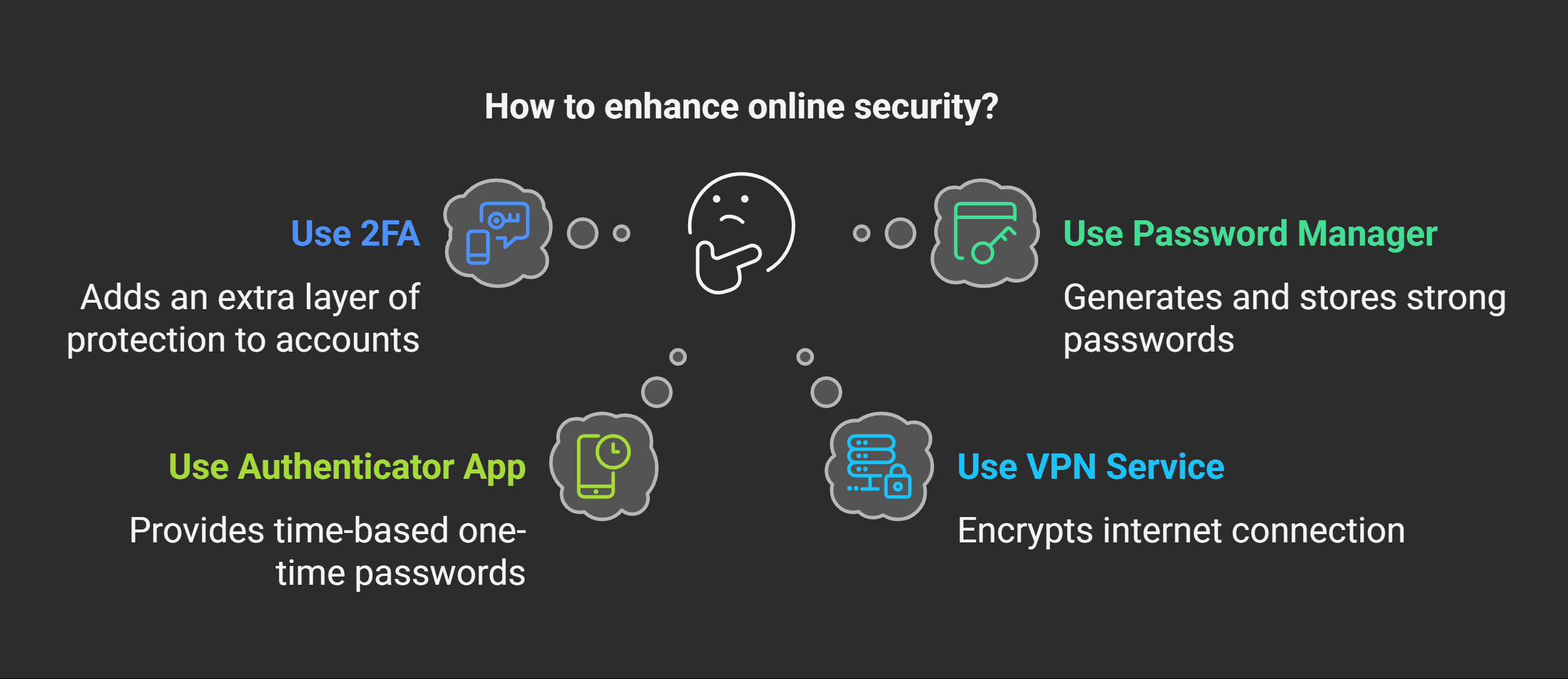
Security Tool Recommendations

To further safeguard against cyber fraud in Romania, consider these security tools:

Tool TypeRecommendationKey Feature
Password ManagerLastPassGenerates and stores strong passwords
Authenticator AppGoogle AuthenticatorProvides time-based one-time passwords
VPN ServiceVPNEncrypts internet connection

By using these security measures, you’ll greatly lower your risk of falling victim to hacking attempts and online scams in Romania.

Stay alert and keep your digital defenses strong.

Recognizing Fraudulent Websites

It’s important to know how to spot fake websites to avoid scams in Romania.

Most people can’t tell if an email is a scam.

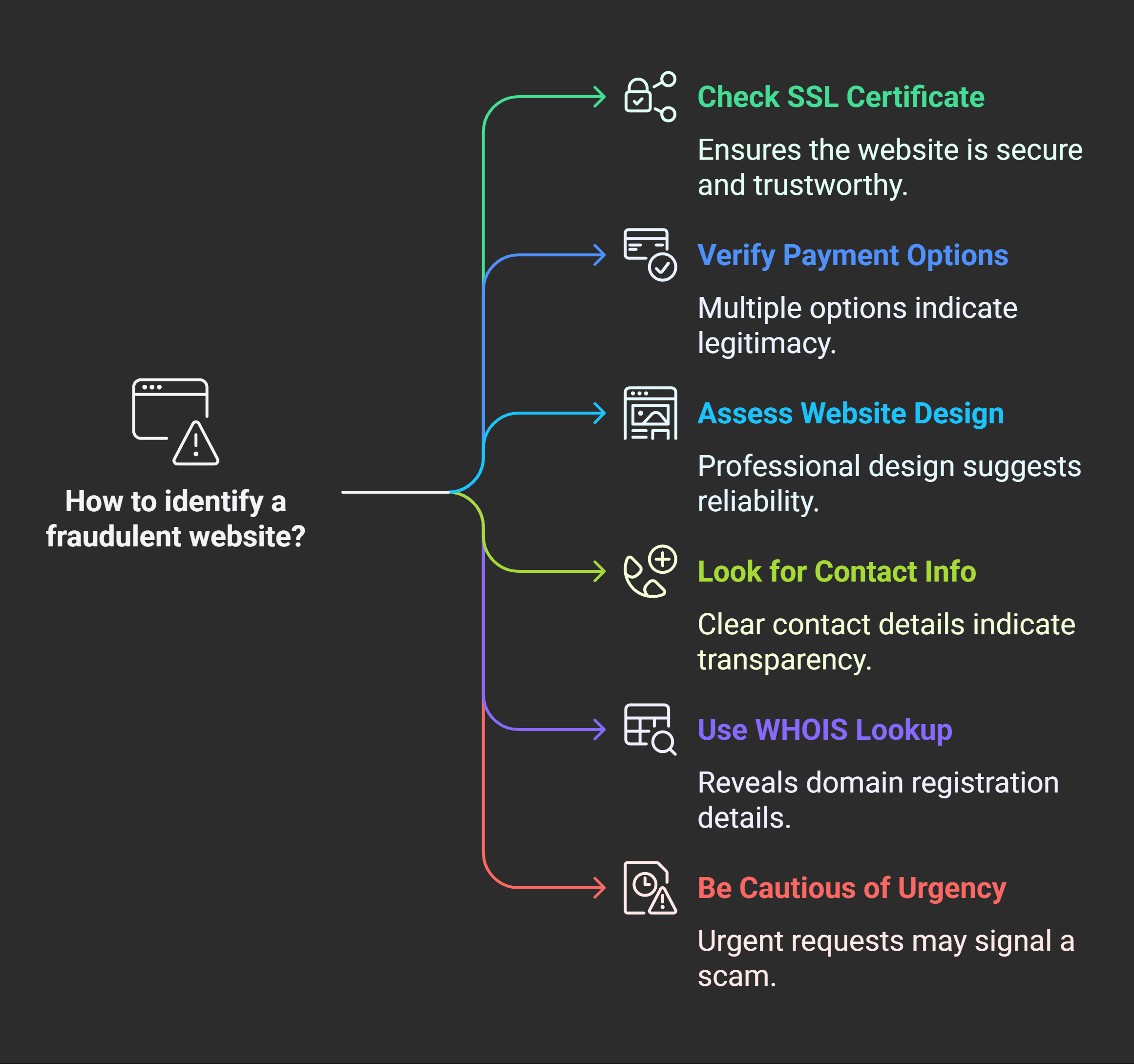
Recognizing Fraudulent Websites

Look for signs like bad design, weird URLs, and no security certificates.

Watch out for sites that are new.

Real sites offer many ways to pay, but scams only take bank transfers.

If there’s no “contact us” page, it’s a warning sign.

Also, fake sites often have spelling errors and low-quality images.

To stay safe from scams, check who owns a website.

Real sites feel professional. If you see bad reviews, it might be a scam. Always be careful and listen to your gut when online.

  • Verify the website’s SSL certificate;
  • Check for multiple payment options;
  • Look for a professional design and clear contact information;
  • Use WHOIS lookup to check domain registration details;
  • Be cautious of urgent offers or requests for personal information.

Romanian Cybercrime Reporting Procedures

In Romania, the battle against spam and email fraud never stops.

It’s key to know how to report cybercrime.

This guide will show you how to report and stay safe online.

Official Reporting Channels

The Fight Against Fraud Department (DLAF) leads the fight against cybercrime in Romania.

If you spot suspicious online activity or get caught in a spam trap, tell DLAF right away.

They are experts in keeping the internet safe.

Documentation Requirements

When you report cybercrime, collect all the evidence you can.

This includes:

  • Screenshots of suspicious emails or websites;
  • Transaction records if financial fraud occurred;
  • Any communication with the suspected scammer;
  • Dates and times of incidents.

Having detailed evidence helps authorities tackle spam in Romania better.

Contact Information for Authorities

To report cybercrime or get help with internet security, use these contacts:

AuthorityContact Details
Fight Against Fraud Department (DLAF)Address: Regina Elisabeta no 3, Bucharest 030015, Romania
Website: http://www.antifrauda.gov.ro
Legal AdviceEmail: office@theromanianlawyers.com

Quickly reporting spam emails and cyber threats helps everyone stay safe online in Romania.

Legal Framework and Consumer Protection

Romania has made big strides in protecting consumers.

The country follows EU rules to fight identity theft and social engineering.

This has been the case ever more strictly, thanks to the Consumer Protection Cooperation Regulation from 2020.

Romanian shoppers have strong rights.

You can return items within 14 days for any reason and get your money back.

This rule also applies to online shopping.

If someone tries to force you to buy, you have 14 days to change your mind.

These rules help keep you safe from scams and malicious links by Romanian hackers.

The National Authority for Consumer Protection (ANPC) looks after consumer rights in Romania.

They check out complaints and can fine businesses for unfair practices.

This helps fight hacking across Romania. You can check if a business is okay on the ANPC website.

New EU rules for digital content started in 2022.

These laws aim to protect you from online scams and ensure fair online markets.

They’re part of the ongoing fight against identity theft and phishing.

  • Minimum product warranty: 2 years;
  • Return period for online purchases: 14 days;
  • ANPC authority: Investigate complaints, penalize businesses;
  • EU-wide protection: Covers cross-border transactions.

Know your rights. This knowledge is key to protecting yourself from scams and getting fair treatment online.

Corporate Email Security Guidelines

In Romania, cyber threats and phishing attacks are big risks for businesses.

Malware campaigns and financial cybercrime are increasing.

It’s important to have strong email security to protect your company from these threats.

Corporate Email Security Guidelines

Business Email Compromise Prevention

BEC scams have cost Romanian companies millions.

To protect your business:

  • Use strong email filters to block suspicious messages;
  • Implement multi-factor authentication for all email accounts;
  • Always verify financial transaction requests by phone or in person;
  • Keep your email security software up to date.

Employee Training Protocols

Training is key to fight phishing attacks in Romania.

Create a detailed training program that includes:

  • Regular phishing simulations to test employee awareness;
  • Teach employees how to spot common phishing tactics in Romanian attacks;
  • Provide guidelines for reporting suspicious emails or security breaches;
  • Keep employees updated on the latest malware campaigns and cyber threats in Romania.

Security Policy Implementation

A solid security policy is your first defense against financial cybercrime in Romania.

It should include:

Policy ComponentDescription
Access ControlsLimit email access based on job roles and responsibilities
Email EncryptionProtect sensitive information in transit and at rest
Incident Response PlanDefine steps to take in case of a successful phishing attack
Regular AuditsConduct periodic reviews of email security measures

By following these guidelines, Romanian businesses can improve their email security.

This helps protect against growing cyber threats.

Recovery Steps After a Phishing Attack

If you’ve fallen victim to internet scams in Romania, don’t panic.

Quick action is key to minimizing damage from cyber crimes.

First, isolate the affected device by disconnecting it from the network.

This step in phishing prevention Romania helps contain the threat.

Next, report the incident to your bank and local authorities.

Romania has specific channels for reporting cyber crimes.

Change all your passwords, focusing on financial accounts.

Use strong, unique passwords for each service.

This is a vital anti-phishing measure Romania residents should follow.

Monitor your accounts closely for any suspicious activity.

If you’ve shared sensitive information, consider placing a fraud alert on your credit reports.

Many victims find professional help valuable in navigating the recovery process.

Cybersecurity experts can assess the breach and help secure your systems, improving your protection against phishing Romania.

Remember, recovery is also about learning. Take time to educate yourself and your family about the latest phishing tactics.

Many organizations offer free resources on protecting against phishing Romania.


By staying informed, you’ll be better equipped to spot and avoid future scams, strengthening your overall cybersecurity posture.

FAQ

What are the most common types of phishing attacks in Romania?

In Romania, phishing attacks often target you through email, SMS, social media, and fake banking sites.

Scammers pretend to be real institutions to get your personal info.

How can I spot a phishing email?

Watch out for urgent messages, spelling mistakes, and attachments that seem off.

Always check the sender’s email address.

Hover over links before clicking to see where they lead.

What should I do if I suspect I’ve fallen victim to a phishing scam?

Change your passwords right away. If your financial info was stolen, contact your bank. Report the scam to the Fight Against Fraud Department (DLAF) at http://www.antifrauda.gov.ro.

Freeze your credit and watch your accounts for any odd activity.

How can I protect myself from mobile phishing attacks?

Be careful with texts you didn’t ask for. Only download apps from trusted stores.

Keep your phone’s software up to date and use security apps.

Use two-factor authentication and avoid clicking on links in texts.

What are some effective ways to prevent identity theft in Romania?

Use strong, unique passwords for all accounts.

Enable two-factor authentication.

Check your credit reports often.

Be careful sharing personal info online.

Shred sensitive documents securely.

How can I ensure my online banking activities are secure?

Bank online from a private network.

Keep your device’s software updated. Use multi-factor authentication.

Always check your bank’s official website and app.

Never share your login details or give out financial info to unknowns.

What should I look for to identify a fraudulent website?

Look for https and a padlock in the address bar.

Check for poor design or spelling mistakes.

Verify the URL and use WHOIS lookups.

Be cautious of offers that seem too good to be true.

How can Romanian businesses protect themselves from phishing attacks?

Use strong email security and train employees on cybersecurity.

Implement multi-factor authentication and have clear policies for sensitive info.

Keep all systems and software updated.

What are the legal consequences for phishing in Romania?

Phishing is a serious crime in Romania, leading to fines and jail time.

Penalties vary based on the crime’s severity, following Romanian and EU laws.

How can I report a cybercrime in Romania?

Report cybercrimes to the Fight Against Fraud Department (DLAF) at http://www.antifrauda.gov.ro or the Romanian Police.

Give as much detail as you can, including any evidence of the attack.

What are the most common types of phishing scams targeting Romanian citizens in 2023?

In 2023, Romania has seen a significant rise in various phishing scams.

The most prevalent include banking-related phishing attempts where fraudulent messages claim to be from legitimate Romanian banks requesting verification of account details.

Email address spoofing is particularly common, where scammers create emails that appear to come from trusted organizations.

Online scams involving fake investment opportunities that seem “too good to be true” have also increased, targeting those looking for quick financial gains.

SMS phishing (also known as smishing) has become more sophisticated, with text messages claiming to be from delivery services requesting payment or verification.

Government impersonation scams where fraudsters pretend to be from tax authorities or other official Romanian institutions have also been on the rise.

Cybercriminals are increasingly targeting remote workers through fake collaboration tools, exploiting the continued growth of work-from-home arrangements across Romania.

How can I recognise a phishing attack targeting Romanian consumers?

Phishing attacks targeting Romanian consumers often have several tell-tale signs.

First, look for poor grammar and spelling mistakes, as many scammers use translation tools that produce imperfect Romanian language.

Be wary of communications creating artificial urgency with claims that your account will be suspended or that you’ve won a prize that must be claimed immediately.

Legitimate organizations will never ask for sensitive information or passwords via email.

Suspicious links are another red flag—hover over links without clicking to see if the URL matches the legitimate bank’s website or organization.