Recovering Unpaid Debts Romania

Debt Collection in Romania: Recovering Unpaid Debts

Debt Collection in Romania: Recovering Unpaid Debts

Debt Collection in Romania: Recovering Unpaid Debts

Navigating the intricacies of debt collection in Romania requires a comprehensive understanding of the local legal framework and the specific nuances of Romanian law. This article serves as a guide to help creditors understand the debt collection process, explore available options for debt recovery, and ultimately recover their unpaid invoices.

Understanding Debt Collection in Romania

Successfully navigating the debt collection process in Romania demands a clear understanding of both local and international regulations. As an expert legal services provider, we can assist you in understanding the full scope of the legal action you can take. Our goal is to provide the best legal solutions, ensuring effective strategies for debt recovery in Romania. Learn more about creditors’ rights and legal protections in Romania.

What is Debt Collection?

Debt collection is the process of pursuing debtors to pay outstanding debts owed to creditors. This can involve various methods, from sending reminders for unpaid invoices to initiating legal proceedings. The aim of debt collection in Romania is to recover receivables in a timely and cost-effective manner, while adhering to the Civil Procedure Code and other applicable laws. For detailed guidance on the complete debt collection process, visit our comprehensive guide to debt collection in Romania.

The Landscape of Debt in Romania

The economic landscape of Romania, like many other nations, faces challenges related to unpaid debts. Understanding the current trends and statistics related to non-payment and insolvency is crucial for both creditors and debtors in Romania. Factors such as economic downturns, business relationship strains, and inefficient payment systems contribute to the prevalence of unpaid invoices in Romania.

Types of Debts: Commercial vs. Personal

In Romania, debts can be broadly categorized into the following types:

  • Commercial debts, which typically arise from unpaid invoices between businesses.
  • Personal debts, which often involve loans, credit card balances, or other financial obligations of an individual.

The type of debt influences the debt collection process and the available legal action options, requiring tailored strategies from a debt recovery lawyer.

Legal Framework for Debt Recovery

Key Legislation Governing Debt Collection

The debt collection process in Romania is governed by a comprehensive set of laws and regulations designed to protect both creditors and debtors. Key legislation includes the Civil Procedure Code, which outlines the procedures for legal action, including filing a payment order. Understanding these laws is essential for effective debt recovery in Romania and for ensuring compliance throughout the debt collection process. Knowledge of the Romanian Law will help you recover your unpaid invoices. For detailed information on how to bring a case to court in Romania, refer to the European e-Justice Portal.

Role of Debt Recovery Lawyers

A debt recovery lawyer plays a crucial role in navigating the complexities of debt collection in Romania.

Atrium Romanian Law Office is an expert legal services provider based in Romania, specifically in Bucharest. Atrium aims to be the best in handling complex and challenging legal matters. The firm’s team of experienced Romanian lawyers and professionals are equipped to resolve any legal issue in a timely manner. They offer guidance through processes related to commercial transactions, dispute resolution, compliance, and even personal issues. The team are members of the Romanian Bucharest Bar.

These legal professionals provide expert guidance on legal proceedings, represent creditors in Romanian courts, and develop tailored strategies for debt recovery. At Atrium Romanian Law Office, experienced lawyers understand the nuances of Romanian law. This ensures that all legal action taken is both effective and compliant with the Civil Procedure Code, maximizing the chances of recovering outstanding debt.

Understanding the Statute of Limitations

The statute of limitations sets a time limit within which a creditor must initiate legal action to recover an outstanding debt. In Romania, understanding the limitation period for different types of debts is crucial for debt recovery. Once the limitation period expires, the debt becomes unenforceable in Romanian courts. Therefore, it is vital for creditors to act promptly and seek legal advice from a debt recovery lawyer to recover their unpaid invoices before the statute of limitations runs out. For more information on civil procedure requirements, consult the European e-Justice Portal on Romanian Civil Procedure.

Steps to Recover Unpaid Debts

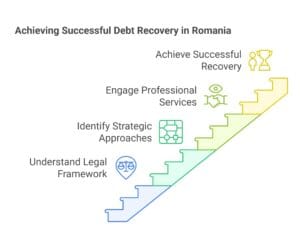
The debt collection process in Romania involves several key steps designed to maximize your chances of successful recovery. Whether through amicable settlement or legal proceedings, understanding each phase is critical. For more details on the complete process, read our article on simplified cross-border debt collection in Romania.

Identifying Outstanding Amounts

The first step in the debt collection process in Romania is to accurately identify and document all outstanding debts. This involves reviewing unpaid invoices, contracts, and any other relevant documentation to determine the total amount owed by the debtor in Romania. Precise record-keeping is essential for initiating legal proceedings and demonstrating the validity of the claim in Romania to the competent court. Expert legal services providers can help you organize and verify your financial records.

Initiating Collection Procedures

Once the outstanding debt is identified, the next step involves initiating formal debt collection procedures. This typically begins with sending a formal demand letter to the debtor in Romania, outlining the unpaid invoices and requesting immediate payment. This initial communication aims to resolve the issue amicably, potentially avoiding costly legal action. If the debtor fails to respond or make payment, further steps such as involving a debt collection agency or a debt recovery lawyer may be necessary to recover their unpaid invoices. Our debt collection lawyer services can handle this entire process for you.

Filing a Payment Order

If amicable attempts to recover unpaid invoices fail, filing a payment order (Ordin de Plata) is a common legal action in Romania. A payment order is a simplified procedure for debt recovery that allows creditors to obtain a court order requiring the debtor in Romania to pay the outstanding debt. This process is particularly effective for straightforward cases where the debt is undisputed. It streamlines the debt collection process through the Romanian courts, offering a faster and more cost-effective route to debt recovery.

Handling Unpaid Invoices in Romania

Best Practices for Invoice Management

Effective invoice management is crucial for preventing unpaid invoices and ensuring smooth debt recovery in Romania. Creditors should implement clear and concise invoicing procedures, including detailed payment terms and due dates. Regular monitoring of outstanding debts and prompt follow-up on overdue invoices can help minimize the risk of non-payment. Maintaining a strong business relationship with debtors through open communication can also facilitate timely payments and prevent disputes.

Strategies for Unpaid Invoices

Creditors in Romania have several options for recovering unpaid invoices. Initially, they can try some direct approaches:

  • Sending reminder notices
  • Making phone calls
  • Offering payment plans

These steps can encourage debtors in Romania to settle their outstanding debt. If these amicable efforts are unsuccessful, engaging a debt collection agency or seeking assistance from a debt recovery lawyer may be necessary to initiate more formal legal action. Expert law firms ensure that all strategies comply with Romanian law.

Using Interim Measures in Debt Recovery

In certain cases, interim measures can be used during the debt collection process in Romania to protect the creditor’s interests. These measures may include freezing the debtor’s assets or obtaining a court order to prevent the transfer of funds. Such actions can provide leverage and increase the likelihood of debt recovery. It is essential to seek legal advice from a debt recovery lawyer before pursuing interim measures to ensure compliance with the Civil Procedure Code. The Romanian Courts oversee such measures. For more details on enforcement procedures, consult the e-Justice Portal on online case processing in Romania.

International Debt Collection in Romania

Challenges in International Debt Recovery

International debt collection in Romania presents unique challenges compared to domestic debt recovery. One significant hurdle is the lack of familiarity with Romanian law and procedures. Consider these common challenges for international business owners:

  • Lack of familiarity with Romanian laws
  • Potential language barriers
  • The complexity of setting up or managing a business in a foreign country

Language barriers, cultural differences, and logistical complexities can also impede the debt collection process. Engaging a law firm with experience in international debt collection is crucial for navigating these challenges and maximizing the chances of recovering outstanding debt from a Romanian debtor.

Legal Considerations for International Creditors

International creditors seeking debt recovery in Romania must carefully consider the applicable legal action. This includes understanding the relevant international treaties and agreements, as well as the specific requirements of Romanian law. For comprehensive guidance on international civil proceedings, refer to Book VII of Romania’s Code of Civil Procedure on International Civil Proceedings.

Atrium Romanian Law Office provides comprehensive legal services in multiple languages, including English, French, and German. The firm offers expertise in various practice areas, including Business law, Data Protection Compliance, and Tax Law, helping international business owners navigate the legal complexities of operating in Romania. Ensuring compliance with the Civil Procedure Code and the statute of limitations is essential for a successful debt collection process.

Resources for International Debt Collection

Several resources are available to assist international creditors with debt recovery in Romania. These include debt collection agencies specializing in international debt collection, law firms with expertise in Romanian law, and government agencies that provide support to foreign businesses. Leveraging these resources can streamline the debt collection process and improve the likelihood of recovering unpaid invoices. Expert legal services providers offer tailored solutions for international debt collection in Romania, ensuring compliance with all relevant regulations.

Conclusion: Effective Strategies for Debt Recovery

Key Takeaways for Creditors

For creditors seeking debt recovery in Romania, several key takeaways can enhance their success. To increase your chances of recovering unpaid debts, it’s crucial to:

  • Maintain thorough documentation of all transactions and unpaid invoices.
  • Act promptly and be aware of the statute of limitations.
  • Understand the Romanian legal framework governing debt collection.

Lastly, consider engaging a law firm with expertise in debt recovery in Romania to navigate the complexities of the legal proceedings and recover unpaid invoices.

Resources and Support for Debt Recovery

Various resources and support systems are available for debt recovery in Romania. Debt collection agencies can assist with the initial stages of debt collection, while debt recovery lawyers provide expert legal action. Government agencies and trade organizations also offer guidance on debt collection processes and insolvency procedures. Leveraging these resources can streamline the debt collection process, helping creditors recover their unpaid invoices effectively.

When to Seek Legal Action

Seeking legal action is advisable when amicable attempts to recover unpaid invoices have failed. If the debtor in Romania is unresponsive or unwilling to pay, initiating legal proceedings becomes necessary. Engaging a debt recovery lawyer ensures that all legal action is taken in compliance with the Civil Procedure Code and Romanian Law. This proactive approach increases the likelihood of debt recovery and protects the creditor’s financial interests against non-payment.

Additional Resources for Debt Collection in Romania

To support your debt recovery efforts, here are authoritative resources, references, and additional information from our blog:

Video: Understanding Debt Collection in Romania

Frequently Asked Questions About Debt Collection in Romania

What should I do if I have unpaid invoices in Romania?
To address unpaid invoices in Romania, first communicate with the debtor to obtain payment. If this fails, consider hiring a Romanian law firm to assist with debt collection services, or initiate a court claim under the Romanian civil procedure code.
How can I substantiate my claim for unpaid invoices?
You can substantiate your claim by gathering all relevant documentation, including contracts, correspondence, and invoices. This evidence is crucial in a debt collection case in Romania to support your statement of claim.
What is the process for initiating a small claims procedure in Romania?
To initiate a small claims procedure in Romania, the value of the claim must not exceed RON 10,000 on the date of referral to court. You must file your claim within the statute of limitations period (typically 3 years from the date the debt became due). Once filed, the defendant has 30 days to respond to the court’s service of documents. Ensure you are familiar with the rules of civil procedure, as this will guide you through the necessary steps.
What are the costs involved in debt recovery?
Collection costs can vary depending on the complexity of the case and the amount of the claim. You may incur costs from your debtor if you successfully recover your unpaid invoices, as Romanian law provides for the recovery of outstanding collection costs.
How long does the limitation period last for debt collection cases?
The statute of limitations for debt collection in Romania typically lasts for three years from the date the debt became due. It’s important to act promptly to ensure your claim is still valid during this period.
Can I issue an order for payment for unpaid invoices?
Yes, you can issue an order for payment for unpaid invoices through the Romanian courts. This is a formal request that can expedite the recovery process and is often part of a debt recovery strategy.
What role does a bailiff play in debt collection?
A bailiff, or executor judiciar, in Romania can assist in enforcing court decisions related to unpaid invoices. They are authorized to seize assets if a debtor fails to comply with a payment order.
How does the relationship between the parties affect debt recovery?
The relationship between the parties can impact the debt recovery process. A more amicable relationship may lead to negotiations and settlements, while a contentious one might necessitate legal representation and formal court procedures.
What are the benefits of using a Romanian law firm for debt collection?
Engaging a top law firm in Romania can provide you with expert legal representation and a robust debt recovery strategy. They can navigate the complexities of the Romanian civil procedure code and improve your chances of recovering your receivables efficiently.

Simplified Cross-Border Debt Collection in Romania

Simplified Cross-Border Debt Collection in Romania

Are you having trouble getting debts back from clients or customers in Romania?

The process of debt collection in Romania can seem hard.

But, with the right help, it can be easier.

A professional cross-border debt lawyer in Bucharest can guide you through it.

For expert advice, reach out to a lawyer in Romania at (004) 0765366887.

They know the local laws and can help you.

A cross-border debt collection Romanian Law Office offers support and guidance every step of the way.


Cross-Border Debt Collection in Romania


Key Takeaways

  • Debt collection in Romania can be a complex process, but it can be simplified with the right guidance.
  • A professional cross-border debt collection agency can help you navigate the complexities of debt collection in Romania.
  • International debt recovery services can provide you with the necessary support and guidance throughout the process.
  • A cross-border debt collection agency can help you recover your debts and provide you with the necessary support and guidance.
  • The average timeline for the payment ordinance procedure in Romania is approximately 3 months.
  • The stamp duty for filing a payment ordinance is RON 200 (approximately EUR 40).
  • Courts are required to issue a decision within 45 days from the filing of the application for a payment ordinance.

debt collection in Romania

Understanding Cross-Border Debt Collection in Romania

Dealing with debt collection in Romania requires knowing the laws and process.

Debt recovery across countries can be tricky.

But, understanding local laws helps you manage the process better.

In Romania, debts can’t be collected after 3 years, as debtors can claim “prescription.”

But, you can stop or reset this time limit.

This includes written confirmations from debtors, starting legal actions, or making partial payments.

Romania’s debt collection process is governed by many laws.

Often, debts are settled outside of court.

debt collection laws in Romania

Success rates for enforcing judgments in Romania vary.

To boost success chances, get help from specialized lawyers in Romania, Bucharest.

Knowing Romania’s debt laws and process can help in recovering debts across countries.

Debt Collection StageSuccess RateCost
Out-of-court settlement70%5-10% of claim amount
Legal proceedings50%10-15% of claim amount

Legal Framework for International Debt Recovery

Understanding the legal framework is key when dealing with cross-border debt recovery.

In Romania, the rules are complex but manageable with the right help.

A debt collection law firm in Europe can offer valuable support.

The European Union’s rules greatly influence debt recovery laws.

For example, the European small claims procedure helps recover debts up to EUR 2,000 across EU countries.

A Romanian debt collection company can assist in using this procedure to efficiently collect debts.

Important aspects of Romania’s debt recovery laws include:

  • The new Romanian Civil Procedure Code, which updated debt collection rules;
  • The option to start debt recovery through common law trial, Ordinance of Payment, or a special low-value claim procedure;
  • The need to know about stamp duty and court fees for different recovery methods.


cross-border debt recovery services


In summary, Romania’s debt recovery laws are detailed, and businesses need expert help.

By understanding these laws and working with a Romanian debt collection Law Office, businesses can increase their chances of successful debt recovery.

Debt Recovery ProcedureApplicable Debt ValueCourt Fees
Common Law TrialNo limitVariable
Ordinance of PaymentNo limitRON 200
Small Claims ProcedureLess than RON 10,000Lower than Common Law Trial

The Romanian Debt Collection Process

Understanding the debt collection process in Romania is key to efficiently recover unpaid debts.

The process includes several steps, from initial assessment to court proceedings.

It’s important to follow the debt collection laws in Romania to recover debts.

The first step is an initial assessment of the debt.

The creditor checks if the debt is valid and if the debtor can pay.

This step helps decide the best way to recover the debt.

Sometimes, pre-legal steps can help without going to court.

Key Steps in the Debt Collection Process

  • Initial assessment and documentation: gathering all relevant information about the debt and the debtor.
  • Pre-legal collection procedures: attempting to recover the debt through negotiation and communication with the debtor.
  • Court proceedings: taking the case to court if the pre-legal procedures are unsuccessful.

The debt collection laws in Romania guide the recovery process.

The European small claims procedure makes cross-border debt recovery easier within the EU.

By following the process and laws, creditors can improve their chances of successful debt recovery.

debt collection process in Romania

Strategic Approaches to Cross-Border Debt Recovery

When dealing with international debt recovery, it’s key to use smart strategies.

This boosts the chances of getting the debt back.

Using cross-border debt recovery services helps tackle the challenges of collecting debts abroad.

A debt collection Law Firm in Romania with international experience is very helpful.

Important strategies include amicable debt recovery and using technology.

Amicable recovery saves money and keeps relationships good.

Knowing the local laws and culture of the debtor’s country is also vital.

international debt recovery

In Romania, for example, there are rules for small claims and common law procedures.

Creditors can join insolvency proceedings by registering assets and liabilities.

With the right strategies and a good debt collection agency, businesses can recover debts more effectively.

Enforcement of Foreign Judgments in Romania

Understanding how to enforce foreign judgments in Romania is key for businesses.

This involves recognizing and executing foreign court decisions.

Romania, being part of the European Union, follows EU rules like Regulation (EU) No 1215/2012.

This makes it easier to enforce judgments across the EU.

For foreign judgments to be recognized in Romania, there must be a mutual agreement.

The Romanian Civil Procedure Code handles judgments from outside the EU.

A court review checks if the judgment was fair and follows Romanian laws.

Key Considerations for Enforcement

  • Reciprocity between Romania and the issuing country;
  • Compliance with Romanian public policy;
  • Procedural fairness in the foreign judgment;
  • Execution procedures, including asset seizure and garnishment of wages.

Enforcing foreign judgments in Romania can help recover debts efficiently.

But, it’s important to know the legal steps well.

Getting legal help in Romania and having all the right documents is vital.

This way, businesses can handle debt collection across borders better and avoid risks.

Out-of-Court Settlement Options

Dealing with debt collection in Romania can be easier without going to court.

Debt settlement options like negotiation and mediation can help.

These methods aim to solve disputes peacefully.

They also reduce the need for long and expensive legal battles.

In Romania, creditors can enforce debts outside of court for non-real estate assets.

This includes things like equipment or inventory.

The process is usually quicker, taking less than a month, making it more efficient.

Out-of-court settlements have many benefits.

They are cheaper, faster, and help keep business relationships strong.

Using negotiation and mediation, creditors can get their money back while keeping things friendly.

This way, they avoid the high costs and time of court cases.

For the best results, creditors should work with a professional debt collection agency or lawyer.

These experts know how to handle the process and talk to debtors.

They help find agreements that work for everyone.

This way, creditors can get their money back quickly and keep their business relationships intact.

Professional Debt Collection Services in Romania

Dealing with unpaid debts in Romania requires professional help.

Debt collection lawyers offer efficient recovery solutions.

They have local knowledge and can handle international cases too.

Professional services bring expertise in local laws and a network of professionals.

They can tackle complex cases.

When using professional debt collection in Romania, consider these points:

* The time limit for business debts is 5 years.

* Late payments can hurt cash flow, affecting growth.

* Romanian companies must file annual accounts within 120 to 150 days after the financial year ends.

Using these services can boost debt recovery chances in Romania.

Preventive Measures for International Business

When you take your business global, it’s key to avoid debt collection problems.

You need to manage risks well.

Debt collection prevention and risk management are vital.

They help keep your cash flow smooth and your business safe.

To prevent debt issues, check your clients’ credit thoroughly.

Make sure payment terms are clear.

Keep an eye on what you’re owed.

Working with a local partner or a debt collection lawyer can also help.

It’s also important to know the local laws and rules.

For example, Romania’s Small Claims Procedure can help you get debts back quickly.

By being proactive, you can protect your business and aim for long-term success.

CountryDebt Recovery Rate
RomaniaApproximately 40%

By using these preventive steps and staying informed, you can lower debt collection risks.

This way, your international business can thrive.

Time Limitations and Statutory Considerations

When dealing with debt collection in Romania, knowing the time limits and laws is key.

You must act quickly to increase your chances of getting the debt back.

In Romania, most debts have a three-year limit to be collected.

It’s vital to start the process within this time to get the best results.

There are other laws you need to know about too.

For example, in Romania, you can only get back legal costs if you’ve already paid them.

The court fees can also be different from what you’re used to.

Many debt collection agencies work in Romania, helping creditors with lots of debts.

Some important things to remember about debt collection in Romania include:

  • Time limitations for debt collection: taking action within the three-year statute of limitations is key for success;
  • Statutory considerations: knowing the legal framework and costs is essential;
  • Documentation requirements: having all the right documents can make the recovery process smoother.

By understanding the time limits and laws for debt collection in Romania, you can act fast to recover your debts.

Knowing the specific rules in Romania is important to get the best outcome.

Technology and Modern Collection Methods

Technology is changing debt collection a lot. New methods are making it faster and better.

Tools like artificial intelligence and data analytics help a lot.

In Romania, digital banking is getting popular.

Now, 60% of banking services are online. This makes talking to creditors and debtors easier and safer.

Modern ways like mobile reminders and push notifications help too.

They make it more likely for people to pay back on time.

Some interesting facts about digital banking in Romania are:

  • 70% of Romanians use contactless bank cards;
  • 65% of Romanians access banking services through mobile banking apps;
  • 53% of Romanians utilize internet banking services.

Technology in debt collection is growing fast.

The global market for debt collection software is expected to double by 2026.

We’ll see even more new ways to make debt recovery better.

Conclusion: Securing Your Cross-Border Debt Recovery in Romania

When dealing with cross-border debt recovery in Romania, a strategic plan is key.

You need to understand the local laws and best practices.

This approach helps in successfully recovering debts.

Romanian law offers several ways for creditors to act.

From early collection efforts to court actions, there are options.

Working with legal experts who know the Romanian legal system well is very helpful.

Also, teaming up with top debt collection agencies in Romania can boost your success rate.

It’s important to watch out for time limits, document needs, and legal rules.

By focusing on these, you can increase your chances of success.

This ensures you get your cross-border debt back in Romania.

FAQ

What is the legal framework for cross-border debt collection in Romania?

Romania’s laws for collecting debts from other countries are complex.

It’s important for businesses to understand these laws to collect debts well.

What are the common challenges in cross-border debt collection in Romania?

Collecting debts across borders in Romania can be tough.

Language and cultural differences, legal system variations, and finding debtors are big challenges.

What is the Romanian debt collection process like?

The process in Romania starts with an initial check.

Then, there are steps before court and possible court actions.

Knowing this helps businesses get their money back.

How can businesses enforce foreign judgments in Romania?

To enforce judgments from other countries in Romania, you need to get the foreign decision recognized.

Then, you follow execution steps, keeping in mind time and cost.

It’s a complex process.

What are the out-of-court settlement options for debt collection in Romania?

Businesses can try mediation or negotiation to solve debt issues without court.

These methods can be effective in Romania.

How can professional debt collection services in Romania assist businesses?

Professional services in Romania offer local knowledge and help with the legal side.

They also find cost-effective ways to help businesses get their money back.

What are the preventive measures for international businesses to avoid debt collection issues?

To avoid debt problems, businesses can take steps like preventing debt and managing risks.

These actions help keep debt issues away.

What are the time limitations and statutory considerations for debt collection in Romania?

Businesses must know the time limits and what documents are needed for debt collection in Romania.

This knowledge helps in recovering debts efficiently.

How can technology and modern collection methods help with cross-border debt recovery in Romania?

Technology and new methods, like AI and data analytics, can make debt recovery in Romania better.

They help businesses get their money back more easily and well.