
travel Romanian children outside Romania

Traveling with Minor Children: Exit Requirements in Romania

Traveling with Minor Children: Exit Requirements in Romania

If you’re planning on traveling with minor children outside of Romania, it’s essential to familiarize yourself with the legal requirements.

Romanian authorities enforce stringent rules to ensure the safety and welfare of their youngest citizens while traveling.

Understanding these regulations will allow for a smooth and hassle-free travel experience while adhering to all necessary immigration regulations and border control protocols.

In order to facilitate international travel with Romanian minors, parents or legal guardians should be aware of the necessary travel documents required both for exit and entry purposes.

Not only do these measures ensure the child’s safety, but they also conform to international regulations governing the travel of children.

Key Takeaways

  • Romanian authorities enforce strict regulations for traveling with minor children.
  • Understanding Romanian law is crucial for smooth navigation of immigration and border controls.
  • An awareness of required travel documents is necessary for international travel with Romanian minors.
  • Adherence to safety measures ensures a hassle-free travel experience.
  • Preparation and proper documentation can prevent potential travel disruptions.

Understanding Romania’s Legal Framework for Minor Travel

Traveling with a minor is no small feat, especially when you’re up against legal nuances and formal requirements.

A crucial piece of the jigsaw is understanding Romanian laws that regulate minors traveling abroad. Let’s explore Law No. 248/2005 and the significance of parental consent in minor travel.

Overview of Law no 248/2005

At the core of legal requirements for traveling with Romanian minors lies Law No. 248/2005.

This law mandates that Romanian minors under the age of 18 must possess individual travel documents.

Additionally, it calls for clear parental consent for international travel.

Depending on the traveling dynamics, a declaration from the non-accompanying parent(s) or proof of sole custody may also be necessary.

If a minor is traveling with an adult who isn’t their parent, a notarized letter from both parents is obligatory, highlighting the companion’s details along with the plan of the journey.

The Role of Parental Consent in Minor Travel

Parental consent is an integral part of Romanian minor travel regulations.

The consent must be all-encompassing, specifying the destination, duration, and purpose of the trip.

It should also include the details of the custodian abroad if the minor isn’t returning to Romania with the person they left with.

It’s not about ticking off a checklist, but about ensuring the welfare and safety of the minor throughout their journey.

These rules are not to tie you down, but to provide a travel authorization with the best interest of the child in mind.

The Essential Travel Documents for Romanian Minors

Traveling abroad with Romanian children involves understanding Romania’s stringent travel laws.

While this may be tiresome, it is essential to note that it serves as a protection measure for the children.

Let’s delve in and unpack the primary documents needed for a smooth, stress-free journey.

Passports and ID Cards for International Travel

One of the significant travel documents required by Romanian minors for international journeys is a valid passport or ID card.

From a legal standpoint, these two pieces of documentation are indispensable as they authenticate the identity of the minor at checks.

For Romanian children traveling abroad, issuing a passport becomes a crucial starting point, ensuring the minor’s identification isn’t compromised at any international checkpoint.

Notarized Consent Letters: When and Why?

A common scenario during travel involves minors accompanied by a single parent or an adult who isn’t their legal guardian.

In these situations, a notarized consent letter from legally authorized individuals proves pivotal in satisfying the travel framework.

This consent letter serves as an endorsement for the minor’s travel specifics, bearing the duration and purpose of the trip, as well as the assigned adult companion’s details.

At the heart of these travel document requirements lie both the welfare and safety of the children.

Thus, anyone planning a trip with a Romanian minor must familiarize themselves with these provisions, to make their experience hassle-free and compliant with all Romanian travel regulations.

Scenarios for Travelling with a Romanian Minor Child Outside of Romania

When traveling with a Romanian minor without a parent, multiple circumstances must be considered.

These different scenarios require distinct documentation reflecting the traveling conditions per Romanian laws.

Each situation that involves traveling abroad with Romanian minors can drastically differ, and as a result, is guided by respective requirements:

  1. Traveling with both parents
  2. Traveling with one parent
  3. Traveling with an adult, who is not a parent.

Consider the following scenarios:

ScenarioRequired Documentation
Accompanied by both parentsNo additional documents are needed in Romania
Accompanied by one parentA notarized consent letter for traveling with Romanian minor children from the non-traveling parent.
Accompanied by an adult who is not a parentA notarized consent letter from both parents or the legal guardian.

Knowing the entry and exit requirements for Romanian minors is imperative.

It ensures the minor’s safety, compliance with the legal system, and most importantly, a smooth and hassle-free journey.

Preparation is key in these situations, and understanding these requirements becomes a guardian’s responsibility when traveling with Romanian minor children.

Procedures for Obtaining Consent and Notarization

Traveling with a Romanian minor abroad entails a certain process to ensure legal compliance.

A critical component of these procedures, as stated in Romanian travel regulations, involves obtaining proper consent and notarization.

This aims at protecting the minor’s well-being and rights during their international travel.

Visiting a Civil-Law Notary Office

One of the initial steps of the journey commences at a civil-law notary office.

When you visit this office, you must have detailed information prepared about your planned trip with a Romanian minor.

A declaration of consent prepared before the notary must comprehensively encompass the minor’s full name, date of birth, passport number, travel dates, purpose, destination(s), and your relationship to the minor.

In addition, the document should provide comprehensive particulars of the adult traveling with the minor.

The Apostille and Legalization Process

Post-notarization of the consent, the procedure may demand further legalization.

This primarily depends on the regulations of the destination country.

Several countries recognize the Hague Apostille, which validates the notarized consent declaration for international use without further legalization.

Conversely, some nations seek full legalization by their embassy after the Apostille.

Thus, it becomes crucial to inquire and comprehend the specific requirements of your destination country to streamline your travel preparations for a Romanian minor.

Consider these procedures as a necessary step ensuring a smoother journey, and factoring in these legal regulations for traveling with Romanian minors can contribute to a hassle-free experience.

International Transit: Ensuring Compliance Beyond Romania

Navigating the international travel landscape with Romanian minors.

While Romania has outlined certain requirements for minors leaving its borders, it’s important to remember that transit and destination countries may hold their own set of rules.

This often includes airline-specific documentation or transit forms specifically for minors.

Your diligence towards these nuances could be the deciding factor between a smooth journey and unexpected hurdles at various checkpoints.

Knowing the processes involved can also save you from unwanted surprises and last-minute panic.

Here are two essential considerations regarding international transit with Romanian minors:

  1. Transit Countries Regulations: Any country that your journey involves could potentially require additional paperwork or have specific entry/exit rules for minors. Whether it’s a country you’re briefly stopping over at or your final destination, it’s vital to get informed about these rules well in advance.
  2. Airline Policies: Similarly, different airlines may have distinct policies when it comes to traveling with minors. Some may need additional proof or consent forms, while others might have age restrictions or require a designated escort. Be sure to contact your airlines and get a thorough understanding of their guidelines.

Adhering to the travel requirements for Romanian minors beyond Romanian borders may seem daunting, but adequate preparation can ease the process significantly.

Being well-informed about the documentation for travelling with Romanian minors can lead to a stress-free travel experience.

Always remember, a smart traveler is one who is well-prepared, well-informed and compliant with international travel norms.

Special Considerations for Solo and One-Parent Travel

parental consent for travel in Romania

When traveling abroad with Romanian minors, whether the child is alone or accompanied by just one parent or a guardian, there are additional considerations to make to ensure a smooth journey.

Worth noting is the importance of securing parental consent for international travel with Romanian minors, especially if they are traveling alone or with someone who isn’t their legal guardian.

Departing Alone or with One Parent

When a Romanian minor is traveling alone or with only one parent, a notarized declaration of consent from the other parent is often required.

The declaration affirms that the absent party has given their permission for the minor to travel.

It’s essential to understand the specific requirements for this declaration, as a lack of compliance could lead to complications at immigration checkpoints.

Accompanying Adults Who Are Not Legal Guardians

It’s not uncommon for a minor to travel with an adult who isn’t their parent. In this scenario, even stricter protocols exist.

The accompanying adult must have a notarized declaration of consent from both parents or the minor’s legal guardian.

This document validates the caregiver’s authority to accompany the child during travel.

Remember, requirements may vary in distinct countries and airlines.

Thus, it’s advisable to thoroughly understand the required forms and requirements necessary for such travel situations.

Consult with Romanian legal experts to ensure successful compliance with these stipulations when traveling with minors from Romania.

Air Travel Specifics: Airline Policies and Practices

When it comes to international travel, being informed about each airline’s specific regulations and practices regarding minor passengers is essential.

Knowing your chosen airline’s policies in advance can avoid last-minute hiccups and ensure a smooth transition from ground to air.

Checking with Airlines Before Departure

Each airline may have unique requirements and specific forms needed for minor passengers, especially when not accompanied by both parents.

Apart from the generically required travel documentation for Romanian children, these requirements could involve informing the airline of the minor’s travel or filling out specialized consent forms.

Making such proactivity a part of your travel tips for Romanian parents with minor children can significantly ease the journey forward.

Dealing with Last-minute Policy Changes

It’s important to stay updated about any policy revisions in your chosen airline.

These changes can be unexpected and last-minute, but they can cause significant disruptions to travel plans if not swiftly addressed.

Having a channel for timely updates on airline policies is hence crucial.

AirlineMinors’ PolicyForms Required
TaromPassengers under 12 traveling alone need to use the Unaccompanied Minors serviceUM handling advice form, Indemnity form
Blue AirUnaccompanied Minors service available for children aged 5–14Parental consent form, ID documentation
Wizz AirMinors under 14 need to be accompanied by a passenger aged 16 or aboveStandard travel documentation
RyanairTravelers under 16 need to be accompanied by an adultCurrent passport/ID card

By ensuring your child’s travel documentation fully adheres to airline policies, parents minimize the risk of travel disruptions and consequently make the journey more relaxed for all involved.

Entry and Exit Requirements for Romanian Minors

International travel with Romanian children involves more than just planning your itinerary. In compliance with the rigorous legal structure of Romania and foreign nations, it’s essential to understand the passport, visa, and entry-exit requirements for Romanian minors.

This will help ensure a smooth, hassle-free travel experience.

Let’s delve into the specifics.

Passport Validity and Schengen Area Transit

Irrespective of their age, Romanian children are required to have individual travel documents.

Their passports must have a validity that extends beyond their travel dates.

This is especially crucial if you’re journeying through or to countries in the Schengen Area.

The Schengen regulations require passports to be valid for at least three months beyond the planned departure date from the Schengen area.

Remember, each country might have additional demands regarding passport validity.

Passport RequirementFor Schengen Countries
Passport Validity3 months beyond the planned departure
Blank Passport PagesAt least one page for entry stamp
Tourist Visa RequiredNot required for stays under 90 days

U.S. Citizens and Dual Nationals: Special Rules

In the case of U.S. citizens or dual nationals traveling with Romanian children, specific guidelines need to be addressed.

As per Romanian and U.S regulations for international travel, consent from both parents or guardians is essential for Romanian minors. In situations where one or both parents are U.S. citizens, US law may also apply, especially if the child holds dual nationality.

Therefore, ensuring comprehension of the specific entry and exit rules for such cases can facilitate a smoother journey.

Lastly, ensure that all of these requirements are met ahead of time to allow for any unexpected situations.

Bear in mind, vigilance and preparedness are key to ensuring unhindered international travel with Romanian minors. Safe travels!

Overstays and Legal Consequences in Romania

Understanding the implications of overstaying and the penalties that come with it is crucial when planning travel.

It’s imperative to be aware that overstaying can result in severe legal consequences, such as fines, exit permits and re-entry bans, and it can impact your travel experiences to Romania in the future.

This section provides some essential tips for parents of Romanian minors abroad, highlighting the immigration regulations related to overstaying.

Here is an overview to help you navigate potential situations and learn how to respond accordingly.

Exit Permits and Fines for Overstaying

The first step in understanding the implications of overstaying involves recognizing that exiting the country after your visa has expired is not as simple as just booking a flight and leaving.

Overstays are met with potential penalties such as fines that must be settled before you can exit Romania.

While planning your stay and even during your time in the country, it’s wise to stay vigilant and keep track of the duration of your visa.

Once you’ve overstayed, an exit permit from the Romanian Immigration Office will be demanded. This permit can be a proof of penalty paid as well as a formality to maintain record-keeping.

Re-entry Bans and Appeals

Violating the terms of your visa might result not only in fines but also in re-entry bans.

The latter is even more daunting, as it can limit your travels to Romania for a certain period of time.

The imposing of re-entry bans is a legally-mandated consequence, meant to serve as a deterrent for future visa violations.

However, waivers can be appealed in particular circumstances by providing reliable reasons for the inability to comply with stay duration requirements, such as unforeseen medical emergencies or delayed documentation.

Legal ConsequenceDescriptionActionable Advice
Overstay FinesFines imposed for staying beyond the visa or permit duration.Pay the fines promptly to avoid additional penalties.
Exit PermitRequired document from the Romanian Immigration Office after an overstay violation.Obtain this as soon as possible after settling all fines.
Re-entry BanPenalty restricting your re-entry into Romania for a specified period.An appeal can be filed proving valid extenuating circumstances, like medical emergencies.

Stay aware, stay informed, and most importantly, respect the immigration regulations of the country you are visiting.

Traveling should be an exciting and enjoyable experience, not marred by avoidable legal hassles. Understand the laws, follow them carefully, and ensure a smooth, unforgettable journey.

Your travel stories should be full of adventures and discoveries, not overstays or legal troubles.

Ensuring Smooth International Travel with Romanian Minors

Traveling with minor children requires meticulous planning, especially when it comes to adhering to strict legal requirements.

This is particularly pertinent when it comes to Romanian parents traveling with their minor children.

On top of packing essentials and planning out the travel itinerary, understanding specific travel protocols for Romanian minors is equally crucial.

The Romanian law stipulates specific requirements for minors leaving the country, including having the necessary travel documentation and obtaining proper parental consent.

Failures to adhere to these regulations not only risk inconveniences at the border control but can also result in legal consequences.

Hence, you must understand these requirements in detail and take necessary action before departure.

Here are a few travel tips for Romanian parents with minor children that can guide you:

  • Secure Travel Documents: Ensure children have valid passports or ID cards for international travel.
  • Obtain Parental Consent: If the child is traveling with one parent or an adult who is not the legal guardian, a notarized consent letter from the non-accompanying parent(s) or legal guardian(s) is necessary.
  • Consult Romanian Lawyers: For more complex situations or if you have any doubts, consult professional Romanian lawyers or a trusted Romanian law office for guidance. They can help ensure you’re adhering strictly to Romanian travel regulations for minors.

In conclusion, every detail matters when preparing for international travel with Romanian minor children.

By following these essential travel tips, you’ll be setting the stage for a smooth, stress-free journey.

Consultation with Romanian Law Offices

In consultation with a Romanian lawyer, you’ll review all necessary procedures, ensuring you’re not only aware of them but also understand how to execute them effectively.

Discrepancies or misunderstandings of the legal framework for minor travel can lead to unpleasant circumstances like interjected journeys or legal implications.

But with a competent Romanian law office guiding you, these potential roadblocks can be effectively mitigated, if not altogether avoided.

Travel With Romanian Minors – FAQ

1. What are the entry and exit requirements for minors traveling from Romania?

When traveling from Romania, Romanian minors are required to possess a valid travel document, typically a passport.

Additionally, they may need to adhere to specific regulations set forth by the Romanian border police as well as the authorities of the destination country.

It’s important to research the entry and exit requirements for Romanian citizens traveling abroad to ensure a smooth journey.

2. Can a minor child leave Romania without being accompanied by a parent or legal representative?

In general, unaccompanied minors may face restrictions when attempting to leave Romania and may be required to obtain special permissions, such as a notarized declaration from the other parent or legal guardian.

It’s essential to be aware of the specific regulations pertaining to children traveling alone from Romania and ensure compliance with all necessary requirements.

3. What is the process for one parent to travel abroad with a Romanian minor?

When one of the parents intends to travel abroad with a Romanian minor, they may need to provide consent of the other parent or legal guardian.

This consent could involve notarization or other formal procedures, and it’s essential to understand and fulfill all relevant requirements before departure.

4. What are the regulations for minors traveling within the Schengen Area?

Minors traveling within the Schengen Area may need to comply with specific regulations, which can include providing consent of parents, a notarized document, or other forms of approval.

Additionally, there may be restrictions on unaccompanied minors entering or leaving the Schengen Area, so it’s crucial to be well-informed about the applicable laws.
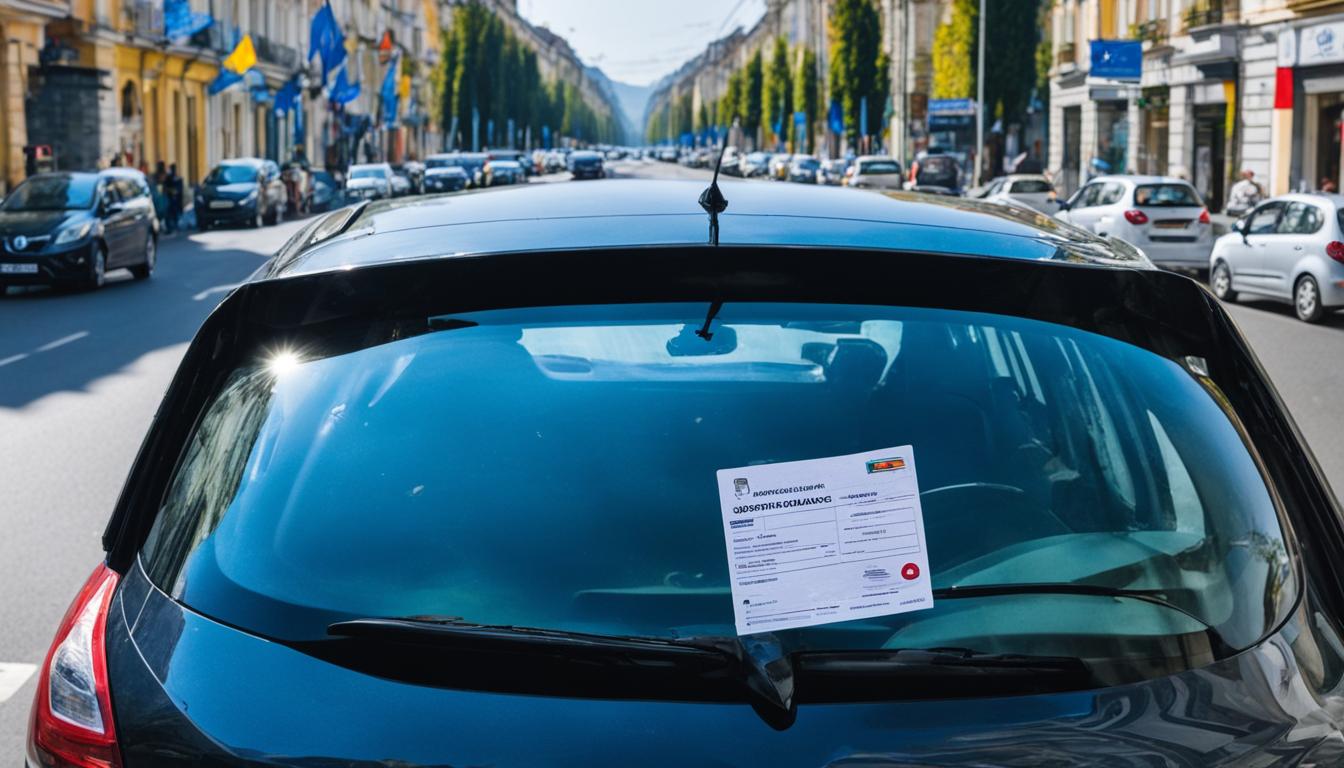

Car insurance policies in Romania

Mandatory Car Insurance Policies in Romania: RCA Regulations and Coverage

If you own a motor vehicle in Romania, it is essential to have a mandatory car insurance policy that complies with the regulations set forth by the Romanian authorities.

This type of insurance, known as the mandatory civil liability insurance policy for motor vehicles (RCA), is required by law to ensure that all vehicle owners have coverage for damages caused to third parties.

The RCA policy is governed by Law No. 135/1996 and Norm No. 39/2016 on insurance and reinsurances in Romania.

It is mandatory for every registered motor vehicle to have a valid RCA policy that lasts for a period of 1 to 12 months.

It’s important to understand the regulations and coverage of RCA insurance to make an informed decision about your car insurance policy.

In the following sections, we will delve into the risks covered by the RCA policy, the indemnification limits, exclusions from coverage, the liability of the insurer, and the compulsory nature of RCA insurance, among other essential topics.

Risks Covered by the RCA Policy

The mandatory civil liability insurance policy for motor vehicles (RCA) in Romania provides coverage for a range of risks.

It is essential for vehicle owners to understand the extent of coverage offered by the RCA policy to ensure they are adequately protected.

The risks covered by the RCA policy include:

  • Bodily Injury or Death: The RCA policy provides coverage for bodily injury or death caused to third parties in accidents involving the insured vehicle. This includes damages without a patrimonial nature, meaning that even non-monetary losses are accounted for.
  • Material Damages: The policy also covers material damages caused to third-party property as a result of a covered accident.
  • Loss of Use: Damages resulting from the lack of use of the damaged vehicle are also included in the coverage.
  • Legal Charges: In addition, the RCA policy provides coverage for legal charges incurred by the aggrieved person, such as costs related to legal representation or court fees.

Having comprehensive car insurance coverage is crucial for protecting oneself and others in case of unexpected accidents.

The RCA policy ensures that individuals are financially protected from liability for damages caused to third parties due to the use of their insured vehicle.


Indemnification Limits

The indemnification limits for the RCA policy in Romania are determined by the applicable legislation.

These limits dictate the maximum amount of coverage provided by insurance companies in the event of an accident.

Understanding these limits is essential for both car owners and insurance policyholders to ensure adequate protection.

Let’s take a closer look at the indemnification limits for car insurance in Romania.

Material Damages Limit

The first aspect to consider is the limit for material damages caused in one accident.

Currently, the limit stands at EUR 1,000,000.

However, for accidents that occurred on or after January 1st, 2017, the limit has been increased to EUR 1,220,000.

This means that if your vehicle causes damage to someone else’s property, the insurance company will cover the repair or replacement costs up to the specified limit.

Bodily Injuries and Deaths Limit

In addition to material damages, the RCA policy also covers bodily injuries and deaths resulting from an accident.

The current limit for bodily injuries and deaths, including damages without a patrimonial nature, is EUR 5,000,000.

Similarly to the material damages limit, this limit has been raised for accidents that occurred on or after January 1st, 2017, to EUR 6,070,000.

This means that if someone is injured or killed due to your vehicle’s fault, the insurance company will provide compensation up to the specified limit.

It’s important to note that these limits are subject to the exchange rate on the date of the accident, as communicated by the National Bank of Romania.

Therefore, the actual amount in Romanian currency (Lei) may vary depending on the exchange rate.

Here is a visual representation of the indemnification limits for car insurance in Romania:

Accident DateMaterial Damages LimitBodily Injuries and Deaths Limit
Before January 1st, 2017EUR 1,000,000EUR 5,000,000
On or after January 1st, 2017EUR 1,220,000EUR 6,070,000

Understanding the indemnification limits of your car insurance policy is essential for making informed decisions about your coverage.

This knowledge allows you to assess the level of protection provided by insurance companies in Romania and ensure that you have adequate coverage for potential risks.

Exclusions from RCA Insurance

When it comes to RCA insurance coverage, there are specific exclusions that you need to be aware of.

These exclusions determine the situations where the insurer will not provide indemnification.

Understanding these exclusions is crucial to ensure that you meet the car insurance requirements and comply with the insurance law in Romania.

  • No Civil Liability: The insurer does not grant indemnification if the owner, user, or driver of the at-fault motor vehicle does not have civil liability.
  • Driver’s Property: Damages to the property of the driver of the at-fault vehicle are excluded from coverage.
  • Insured Vehicle Damages: Damages caused by the insured vehicle to individuals or entities owned or used by the same person or entity are not covered.
  • Transportation of Dangerous Products: Damages caused by the transportation of dangerous products are excluded from RCA insurance coverage.
  • Fines and Criminal Expenses: Fines, criminal expenses, and expenses incurred within a criminal trial are not covered by the insurer.

These exclusions underline the importance of understanding the insurance law in Romania and ensuring that you meet the necessary requirements for car insurance.

By familiarizing yourself with these exclusions, you can make informed decisions when it comes to obtaining RCA insurance and protecting yourself on the road.

Liability of the Insurer

When it comes to car insurance in Romania, understanding the liability of the insurer is crucial.

The liability of the RCA insurance begins on the day following the expiration of the previous insurance policy, as long as the new policy is obtained by the last day of validity.

This ensures uninterrupted coverage and compliance with the law.

If you do not have valid RCA insurance, the liability begins on the day following the conclusion of the insurance document.

It’s important to note that the liability of the insurer ends at 12:00 a.m. on the last day of validity recorded in the RCA policy or earlier if the vehicle is deregistered or ownership is transferred.

It’s essential to take appropriate action and renew or transfer the policy to maintain continuous coverage.

Additionally, it’s worth mentioning that insurance premiums for RCA policies can be recovered if no indemnifications have been paid or are owed for events that occurred after the insurance validity period.

This ensures that you only pay for the coverage you actually use, providing financial peace of mind.

Summary of Liability of the Insurer

  1. The liability begins after the expiration of the previous insurance policy.
  2. The liability begins on the day following the conclusion of the insurance document for individuals without valid RCA insurance.
  3. The liability ends on the last day of validity recorded in the RCA policy or earlier due to deregistration or ownership transfer.
  4. RCA insurance premiums can be recovered if no indemnifications have been paid or are owed for events that occurred after the insurance validity period.

Understanding the liability of the insurer is essential for ensuring continuous coverage and compliance with the law.

By staying informed and taking the necessary steps to maintain your RCA policy, you can protect yourself and others on the road.

Cancellation and Termination of RCA Policies

In certain situations, RCA policies can be cancelled or terminated.

If you sell your motor vehicle, you can terminate the policy by presenting supporting documents such as a sale-purchase deed and deregistration certificate.

Additionally, in the event of a total damage declaration, the policy can be cancelled.

In these situations, you have the opportunity to recover the difference between the paid premium and the calculated premium.

It’s crucial to understand the cancellation and termination process for RCA policies.

By following the necessary procedures and providing the required documentation, you can avoid unnecessary charges and ensure a smooth transition in case of vehicle sale or total damage declaration.

Compulsory Nature of RCA Insurance

RCA insurance is legally mandatory for all motor vehicle owners in Romania.

It is required by Law no. 135/1996 and Norm no. 39/2016 on insurances and reinsurances in Romania.

Failure to have valid RCA insurance can result in legal consequences and fines.

To ensure compliance with the law, it is important for vehicle owners to obtain RCA insurance coverage.

Key Points:
RCA insurance is mandatory for motor vehicle owners in Romania.
Failure to have valid RCA insurance can lead to legal consequences and fines.
It is crucial for vehicle owners to obtain RCA insurance coverage to comply with the law.


Regulation and Scope of RCA Insurance

RCA insurance in Romania is governed by Law no. 132 of May 31, 2017.

This law establishes the legal framework for compulsory insurance against civil liability for damages caused to third parties in vehicle and tram accidents.

It outlines the scope of RCA insurance, including the obligations of insured persons, territorial limits for coverage, limits of liability, and the responsibilities of the Romanian Motor Insurers’ Bureau (BAAR).

Obligations of Insured Persons

  • Obtaining a valid RCA insurance policy for their motor vehicle
  • Ensuring continuous coverage without any gaps
  • Providing accurate and up-to-date information to the insurer
  • Complying with the terms and conditions of the insurance policy

Territorial Limits for Coverage

The RCA insurance coverage extends to the territories of Romania, the Member States of the European Union, the Parties to the Agreement on the European Economic Area, and the territory of the Swiss Confederation.

This ensures that policyholders are protected while driving in these countries and that claims can be filed accordingly.

Limits of Liability

The law sets specific limits of liability for RCA insurance claims.

These limits vary depending on the nature of the damages and the date of the accident.

It is essential for vehicle owners to be aware of these limits to understand the extent of coverage provided by their insurance policy.

Responsibilities of the Romanian Motor Insurers’ Bureau (BAAR)

The Romanian Motor Insurers’ Bureau (BAAR) is responsible for various tasks related to RCA insurance, including:

  • Supervising compliance with RCA insurance regulations
  • Establishing technical and operational procedures
  • Collaborating with other national and international bodies to facilitate claims settlement
  • Providing information and assistance to policyholders and injured parties

Overall, the regulation of RCA insurance ensures that both insured persons and injured parties are protected within the specified legal framework.

It sets clear guidelines for obtaining coverage, determining liability, and handling claims, promoting transparency and accountability in the insurance industry.

Definitions in RCA Insurance

The RCA insurance law includes various definitions for terms used in the regulation.

These definitions are in accordance with Law no. 237/2015 on the authorization and supervision of the business of insurance and reinsurance.

Some of the defined terms include:

  • Vehicle accident: Refers to an incident involving a motor vehicle that results in damage to third parties.
  • High-risk insured person: An individual or entity classified as having a higher probability of being involved in accidents or causing damages.
  • RCA insurer: The insurance company providing the mandatory civil liability insurance for motor vehicles.
  • Policyholder: The individual or entity that holds the RCA insurance policy.
  • Total loss: A situation where the damaged vehicle is beyond repair or its repair costs exceed its market value.

Understanding these definitions is crucial for a clear interpretation of the RCA insurance policy and its terms.

It allows policyholders to navigate the insurance process effectively and ensures compliance with the applicable regulations.

Registration and Claims Process

The registration and claims process for your RCA insurance policy in Romania is a crucial step in ensuring that you receive the coverage and compensation you need in the event of an insured incident.

Here are the key points to understand:

Registration of Damage

If you have been involved in an accident or your vehicle has been damaged, it is important to promptly register the damage with your insurer.

Notify them of the occurrence of the insured event and provide all necessary supporting documents to establish liability.

This includes documents such as the police report, photographs of the damage, and any other relevant evidence.

Submitting Claims

Once you have registered the damage, you can proceed with submitting your claim for compensation.

Claims can be filed directly with your RCA insurer or through the Romanian Motor Insurers’ Bureau (BAAR).

Ensure that you complete all required forms accurately and provide all necessary supporting documentation to expedite the claims process.

Required Documents for Claims Submission

DocumentsDescription
Police ReportA copy of the official police report filed at the scene of the accident.
Proof of IdentityValid identification documents, such as a passport or ID card.
Vehicle Registration DocumentsProof of ownership and registration of the insured vehicle.
Photos of DamageClear and detailed photographs of the damage to the insured vehicle.
Repair InvoicesInvoices or estimates for the repair of the damaged vehicle.
Medical ReportsIf applicable, medical reports and bills for injuries sustained.

It is important to note that the claims process may require additional documentation depending on the specific circumstances of the incident.

Ensure that you carefully review the requirements provided by your insurer or the BAAR to facilitate a smooth claims process.

By following the proper registration and claims process, you can ensure that your affordable car insurance in Romania provides you with the necessary coverage and compensation in case of an accident or damage to your vehicle.

Be proactive in providing all required documentation and communicate with your insurer throughout the process to ensure a satisfactory resolution.

Territory and Green Card

The territory covered by RCA insurance extends beyond Romania.

In addition to providing coverage within Romania, the policy also applies to the territories of Member States of the European Union, the Parties to the Agreement on the European Economic Area, and the territory of the Swiss Confederation.

This means that if you have RCA insurance, you can travel within these areas with the assurance that your coverage remains valid.

To facilitate international travel, the Green Card comes into play.

The Green Card is an internationally recognized certificate of insurance.

It is issued by the national motor insurers’ bureau on behalf of the insurer.

The Green Card serves as proof of insurance coverage when traveling to other countries.

With a Green Card, you can confidently drive your vehicle in foreign territories, knowing that you have the necessary insurance protection.

Romanian Lawyers for International Legal Matters

When dealing with legal matters related to international travel or insurance, it is advisable to seek the services of experienced Romanian lawyers.

A reputable Romanian law office can provide expert guidance and representation in legal matters that involve RCA insurance coverage, including issues related to the Green Card.

Romanian lawyers possess an in-depth understanding of both national and international legal frameworks, ensuring that you receive accurate and reliable advice tailored to your specific situation.

Whether you need assistance with insurance claims, international legal disputes, or any other legal matters related to RCA insurance, a Romanian attorney can provide the necessary expertise and support.

Car Insurance in Romania –  FAQ

1. What are the mandatory car insurance requirements in Romania?

In Romania, it is mandatory to have mandatory car insurance (RCA) for all vehicles. This type of insurance is required by law for the registration of a car and covers the liability for any damage caused to third parties in case of an accident.

2. What is the difference between RCA and CASCO insurance in Romania?

RCA (mandatory car insurance) is the basic liability insurance for motor vehicles.

In contrast, CASCO insurance is an optional insurance that provides coverage for damage to the insured vehicle, including theft and repair costs.

3. How is the insurance premium calculated for car insurance in Romania?

The insurance premium for car insurance in Romania is calculated based on various factors such as the type of insurance, the value of the insured vehicle, and the level of coverage chosen.

The premium can be paid in RON or EUR to the insurance companies.

4. What should I do if I have a car accident in Romania?

In case of a car accident in Romania, it is important to inform your insurer and the local authorities.

The compensation and indemnification process will be handled according to Romanian insurance and liability laws.

5. Can I use my Romanian car insurance abroad?

Depending on your insurance contract, your mandatory car insurance in Romania may provide limited coverage for travel abroad.

However, it is advisable to obtain additional insurance policies for extended coverage outside of Romania.


Conclusion

Car insurance policies in Romania are essential for all motor vehicle owners in the country.

The mandatory civil liability insurance policy for motor vehicles, known as RCA insurance, provides coverage for damages caused to third parties.

It is governed by specific laws and regulations, including Law no. 135/1996 and Norm no. 39/2016 on insurance and reinsurances in Romania.

legal framework smart contracts in Romania

Understanding the Legal Framework for Smart Contracts in Romania

Understanding the Legal Framework for Smart Contracts in Romania

Smart contracts in Romania have gained significant attention due to their potential applications in various sectors, such as public procurement, contract management, and secure transactions.

With the advent of blockchain technology and cryptocurrencydigital contracts have become more popular, allowing for decentralized applications and enhancing the efficiency of legal agreements.

When it comes to the legal framework surrounding smart contracts, it is important to analyze their compatibility with existing regulations in Romania.

This analysis is crucial for businesses and individuals who seek to utilize smart contracts in their operations. By understanding the legal landscape, you can ensure compliance and mitigate potential risks.

One area of interest is the potential use of smart contracts in public procurement.

While the advantages and use cases of smart contracts in public procurement have been widely discussed, practical implementations are still limited.

However, exploring the potential for blockchain and smart contracts in both the contract award and execution stages can provide valuable insights into their impact on the EU public procurement system.

If you are considering employing smart contracts in Romania, it is essential to consult with legal professionals who specialize in this field.

They can guide you through the legal regulations, contract validity, and enforceability, as well as assist in addressing any potential challenges or breach resolutions that may arise.

Stay tuned for the next sections of this article, where we will delve deeper into the legal regulations and validity of smart contracts in Romania, as well as the benefits and challenges of implementing them in your business or personal endeavors.

The Legal Regulations and Validity of Smart Contracts in Romania

Smart contracts in Romania are considered to be a digital version of traditional contracts stored on the blockchain network.

These contracts rely on blockchain technology, ensuring security and transparency in transactions.

However, it is crucial to understand the legal regulations and the validity of smart contracts within the Romanian legal framework.

According to Romanian law, the legal validity of smart contracts is determined by their adherence to the essential elements of a contract, such as agreement, consideration, competence and capacity, legal object, and purpose.

While smart contracts offer immutability and automatic execution, debates continue to surround their classification as legally binding contracts.

It is essential to consult with a Romanian lawyer or law firm specializing in smart contract law to navigate these legal intricacies.

When entering into smart contracts, it is also important to consider the implications for intellectual property rights. Intellectual property can be embedded within smart contracts, such as copyright licenses, patents, or trademarks.

Protecting these rights and ensuring their validity within the context of smart contracts requires a comprehensive understanding of both intellectual property law and blockchain technology.

Table: Legal Elements of Smart Contracts in Romania

Legal ElementDescription
AgreementThe parties involved must reach a mutual understanding and consent to the terms of the contract.
ConsiderationSomething of value, such as money or a promise, must be exchanged between the parties.
Competence and CapacityThe parties must be legally capable of entering into a contract and understand its implications.
Legal ObjectThe purpose of the contract must be lawful and not violate any legal or ethical norms.
PurposeThe contract must have a clear objective that can be achieved through the execution of smart contract code.

In conclusion, understanding the legal regulations and validity of smart contracts in Romania is crucial for businesses and individuals utilizing blockchain technology.

Consulting with a knowledgeable Romanian lawyer or law firm will ensure compliance with the legal framework and provide guidance on protecting intellectual property rights.

With the right legal expertise, smart contracts can offer enhanced security, efficiency, and transparency in various fields of business and law.

The Benefits and Challenges of Implementing Smart Contracts in Romania

Implementing smart contracts in Romania offers numerous benefits for businesses and individuals.

One of the key advantages is the potential for cost savings.

Smart contracts eliminate the need for intermediaries, reducing transactional costs and streamlining the contract management process.

This can be particularly beneficial for small and medium-sized enterprises, allowing them to compete more effectively in the market.

In addition to cost savings, smart contracts also offer increased efficiency.

By automating contract execution and eliminating manual processes, smart contracts can significantly reduce the time and resources required for contract management.

This streamlined approach enhances overall operational efficiency and enables faster transactions.

Transparency is another notable benefit of implementing smart contracts.

The blockchain technology underlying smart contracts ensures that all transactions and contract terms are recorded in a secure and transparent manner.

This enhances trust between parties and reduces the risk of disputes, as the entire transaction history is immutably stored on the blockchain.

However, there are challenges to consider when implementing smart contracts in Romania.

The legal framework surrounding smart contracts is still evolving, and clear legislation is needed to govern their use.

Ensuring contract validity and enforceability is crucial, as parties need confidence that their smart contracts will be legally recognized and upheld in Romanian courts.

Additionally, mechanisms for resolving breaches of smart contracts need to be established to address potential disputes.

In conclusion, while implementing smart contracts in Romania presents numerous benefits such as cost savings, increased efficiency, and transparency, it is important to navigate the legal landscape and address the challenges.

To ensure compliance with Romanian legislation on smart contracts and to mitigate risks, seeking guidance from a Romanian lawyer or law firm specializing in smart contract law is advisable.

Smart Contracts Legal Framework – FAQ

1. What is a smart contract?

A smart contract is a self-executing contract with the terms of the agreement directly written into lines of code.

It operates on a blockchain technology platform and automatically executes the transaction once the predefined conditions are met.

2. How does blockchain technology relate to smart contracts?

Blockchain technology is the underlying technology that powers smart contracts.

It provides the necessary infrastructure for secure and transparent execution of smart contracts by recording the transactions on a distributed and decentralized ledger.

3. What is the legal framework for smart contracts in Romania?

In Romania, the legal framework for smart contracts is still in development.

However, the existing laws and regulations related to contract law, data protection, and electronic signatures may apply to certain aspects of smart contracts.

4. What is the impact of smart contracts on traditional contracts?

Smart contracts have the potential to revolutionize traditional contracts by automating many aspects of contract execution and enforcement.

They can bring increased efficiency, transparency, and cost-effectiveness to the contracting process.

5. Are smart contracts legally binding?

Yes, smart contracts can be legally binding if the parties involved have the intention to be bound by the terms of the contract and if the contract meets the legal requirements for validity.

However, the enforceability of smart contracts may depend on the specific jurisdiction and the applicable laws.

6. How do smart contracts impact privacy and data security?

Smart contracts have the potential to enhance privacy and data security by enabling the use of cryptographic techniques and decentralized storage.

However, concerns regarding data privacy and security also arise, as the execution and storage of smart contracts on a public blockchain may expose sensitive data.

7. Can smart contracts be used for financial transactions?

Yes, smart contracts can be used for various types of financial transactions.

They can be used to facilitate the transfer of digital assets, create and manage digital currencies, and automate payment processes.

8. Do smart contracts require the involvement of lawyers?

The involvement of lawyers in the creation and implementation of smart contracts may depend on the complexity and nature of the contract.

While some smart contracts can be self-executing and require minimal or no legal assistance, more complex transactions may still require the guidance

Romania Labour Law for Foreigners

Understanding Romania Labour Law for Foreigners: A Guide

Understanding Romania Labour Law for Foreigners: A Guide

Navigating the complexities of Romania labour law as a foreigner can be challenging, but with our comprehensive guide, you will gain a clear understanding of the legal requirements and rights when working in Romania.

At Atrium Romanian Lawyers, we recognize the importance of ensuring that foreign employees are aware of the Romanian work regulations and have the knowledge needed to navigate the legal landscape.

Our guide provides valuable information on Romania’s labour law for foreigners, covering a range of topics including the legal requirements for foreign workers, types of employment agreements, and employee rights in Romania.

When working in Romania, it is essential to understand the legal framework that governs employment for non-Romanian citizens. This includes knowing the minimum age requirement, required documentation, and the process for hiring non-residents.

Our guide also outlines important aspects such as the mandatory medical check, minimum salary requirementvacation days, and probationary periods that foreign employees need to be aware of.

In addition, we provide insights into termination of the employment contract, notice periods, and the employer’s obligations regarding contributions and taxes.

Understanding these aspects is crucial to ensure a smooth working experience in Romania.

Furthermore, the guide touches on working hours, vacation days, and benefits for employees.

We believe that by having a comprehensive understanding of these provisions, foreign workers can maximize their legal rights and protections.

Finally, our guide includes information on entry and stay in Romania, work authorizations, and the documents required for obtaining a work authorization.

This section will provide clarity on the procedures and requirements for obtaining the necessary permits to work in Romania.

For more details and personalized assistance, feel free to contact us at office@theromanianlawyers.com.

We strive to provide the most up-to-date and accurate information to help you navigate Romania’s labour law for foreigners.

Types of Employment Agreements for Foreigners in Romania

Before starting work in Romania, it is vital to understand the various types of employment agreements available to foreign citizens and the implications they carry.

Romania has specific laws and regulations governing employment for non-Romanian citizens, and it is important to comply with these provisions to ensure both the rights of the employees and the obligations of the employers are met.

There are three main types of employment agreements that foreign workers can enter into in Romania: fixed-term contracts, indefinite-term contracts, and temporary assignments.

Each type has its own specific requirements and conditions.

Understanding the differences between these agreements is key to making informed decisions and ensuring compliance with Romanian labor laws.

  • Fixed-term contracts are employment agreements with a predetermined start and end date. They are typically used for projects with a specific duration or when there is a temporary need for additional workforce. Under a fixed-term contract, the employment relationship automatically terminates at the end of the agreed-upon period, without the need for notice.
  • Indefinite-term contracts, on the other hand, have no fixed end date. They continue until either the employee or the employer terminates the agreement. This type of contract provides more stability and security for employees, as it offers long-term employment prospects. However, termination of an indefinite-term contract requires a notice period as per Romanian labor law.
  • Temporary assignments involve the secondment of an employee from their home country to work in Romania for a limited period of time. These assignments are usually arranged between multinational companies or organizations. In such cases, the employee retains their employment relationship with their home country employer but works temporarily in Romania. The duration of the temporary assignment is typically defined in the assignment agreement.

Comparison of Employment Agreements

Type of AgreementDurationTermination Notice
Fixed-term ContractPredefined start and end dateAutomatic termination at the end of the agreed period
Indefinite-term ContractNo fixed end dateNotice period required for termination
Temporary AssignmentDefined period of secondmentDepends on the agreement between home country and Romanian employer

It is important to note that employment agreements in Romania must comply with both local labor laws and any applicable international agreements or conventions.

Employers and foreign workers should seek legal advice and ensure they understand their rights and obligations before entering into any employment agreement in Romania.

Legal Requirements for Hiring Foreign Workers in Romania

Employers in Romania must adhere to specific legal requirements when hiring foreign workers, which are essential to ensuring a smooth and compliant employment process.

To employ non-Romanian citizens, employers are required to obtain work permits for expats in Romania.

These permits are issued by the General Inspectorate for Immigration and are subject to certain conditions and documentation.

Documentation RequiredProcess
Valid employment contractSubmit work permit application to the General Inspectorate for Immigration
Proof of education and professional qualificationsProvide supporting documents, including diplomas or certificates
Proof of health insuranceSubmit proof of health insurance coverage for the foreign worker

Additionally, employers must be aware of the foreign worker rights in the Romanian labor market.

Foreign employees are entitled to the same rights and protections as Romanian citizens, including fair wages, safe working conditions, and access to social benefits.

It is important for employers to consult with a Romanian lawyer to ensure compliance with these regulations and to effectively navigate the legal landscape.

Roles and Responsibilities

  • Employers must provide foreign workers with a written employment contract in a language they understand.
  • Employers are responsible for obtaining and renewing work permits as required.
  • Foreign workers must have a valid work authorization and must notify the General Inspectorate for Immigration of any changes to their employment status.
  • Employers must adhere to labor laws regarding working hours, minimum wage requirements, and vacation days.
  • Foreign workers have the right to join trade unions and participate in collective bargaining.

In conclusion, understanding the legal requirements for hiring foreign workers in Romania is crucial for employers.

By following the necessary steps and obtaining the required documentation, employers can ensure a compliant employment process and provide foreign workers with a safe and fair working environment.

Contactoffice@theromanianlawyers.com

Employment Conditions and Rights for Foreign Workers in Romania

As a foreign worker in Romania, it is crucial to be aware of your employment conditions and rights, including working hours, salary requirements, and holiday entitlements.

Understanding these aspects will help ensure that you are treated fairly and in accordance with Romania’s labor laws.

Working Hours

According to Romanian labor law, the standard working week consists of 40 hours, with a maximum of 8 hours per day.

However, certain industries or job positions may have specific regulations that allow for longer working hours.

In such cases, employers must obtain written consent from employees and ensure that they are compensated for any overtime worked.

Salary Requirements

Romania has a minimum wage requirement that employers must comply with.

The exact amount is determined by the government and is subject to change annually.

As a foreign worker, you are entitled to receive at least the minimum wage set for your respective job position.

Employers are also required to provide written contracts stating the agreed-upon salary, which should be paid in full and on time.

Vacation Days and Benefits

Foreign workers in Romania are entitled to annual leave, also known as vacation days, based on the length of their employment.

The minimum number of vacation days allotted per year is 20, but this can increase with years of service.

In addition to vacation days, employees are also entitled to public holidays and sick leave, with the latter requiring a medical certificate issued by a certified healthcare professional.

Employment ConditionRequirement
Working Hours40 hours per week, with a maximum of 8 hours per day
SalaryAt least the minimum wage determined by the government
Vacation DaysMinimum of 20 days per year, increasing with years of service

Being knowledgeable about your employment conditions and rights as a foreign worker in Romania is essential for a smooth and fair work experience.

If you have any questions or concerns, it is advisable to seek legal advice from Romanian lawyers specializing in Romanian labor law.

For more information or legal assistance regarding employment conditions and rights in Romania, you can contact us.

Termination of Employment for Foreign Workers in Romania

Understanding the termination process for foreign workers in Romania is essential to protect both the employee’s rights and the employer’s legal obligations.

When it comes to the termination of employment contracts, there are certain rules and regulations that must be followed to ensure a fair and lawful process.

One important aspect to consider is the notice period.

In Romania, the notice period for terminating an employment contract is usually determined by the length of service.

According to the Romanian Labour Code, the notice period is a minimum of  20 days for employees . However, it is important to note that these notice periods can be altered by mutual agreement between the employer and the employee.

Additionally, it is crucial for employers to comply with the terms and conditions outlined in the employment contract. The contract should clearly state the conditions under which termination can occur and the procedures that need to be followed. It is advisable to seek legal advice from a Romanian law firm to ensure that the employment contract is in compliance with Romanian labor laws.

In conclusion, understanding the termination process for foreign workers in Romania is vital to ensure compliance with labor laws and protect the rights of both employees and employers.

By following the correct procedures, such as adhering to the notice period and reviewing the employment contract, employers can navigate the termination process smoothly and avoid any potential legal pitfalls.

Employer Obligations: Contributions and Taxes in Romania

Employers have specific obligations related to contributions and taxes when hiring foreign workers in Romania, which must be fulfilled to comply with legal regulations.

These obligations include social security contributions, income tax, and other legal requirements.

When employing foreign workers in Romania, employers are required to make contributions to the country’s social security system. This involves deducting a certain percentage from the employee’s salary and contributing it to the social security fund.

The exact percentage depends on the employee’s salary level and is subject to change according to Romanian labor regulations.

In addition to social security contributions, employers must also ensure that the necessary income tax is deducted from the employee’s salary.

The income tax rate in Romania varies based on the employee’s income level, and employers are responsible for calculating and withholding the correct amount.

It is essential for employers to stay up to date with any changes in income tax rates to avoid legal issues.

Table: Employer Obligations for Contributions and Taxes

Contribution/TaxDescription
Social Security ContributionsDeducted from the employee’s salary and contributed to the social security fund.
Income TaxDeducted from the employee’s salary based on the applicable income tax rate.
Other Legal RequirementsAdditional contributions or taxes required by Romanian labor regulations.

Ensuring compliance with all contributions and taxes can be complex, so it is advisable for employers to seek the assistance of a qualified Romanian law firm.

The expertise and guidance provided by legal professionals can help employers navigate the intricacies of employer obligations and avoid potential legal pitfalls.

For more information and expert assistance with employer obligations, please contact our team at office@theromanianlawyers.com.

Entry and Stay in Romania: Work Authorizations for Foreign Workers

To legally work in Romania, foreign workers must go through the process of obtaining work authorizations and ensure compliance with the necessary legal requirements.

Employers hiring non-resident workers must follow specific procedures and provide appropriate documentation to facilitate their entry and stay in the country.

The first step in obtaining a work authorization is for the employer to submit an application to the Romanian Immigration Office.

The employer must provide information about the foreign worker, including their personal details, qualifications, and the nature of the employment.

Along with the application, supporting documents such as a valid passport, employment contract, and proof of accommodation in Romania must be submitted.

Required Documents for Obtaining a Work Authorization

  1. A valid passport with a minimum validity of 6 months from the date of application.
  2. A copy of the employment contract signed by both the employer and the employee.
  3. Proof of accommodation in Romania, such as a rental agreement or a letter of invitation from a Romanian resident.
  4. Evidence of qualifications and professional experience relevant to the job position being offered.
  5. A medical certificate attesting to the candidate’s fitness for employment.
  6. Proof of payment of the necessary administrative fees.

Once the application and supporting documents are submitted, the Romanian Immigration Office will review the application and make a decision.

The processing time may vary, but it is important to allow sufficient time for the application to be processed before the intended employment start date.

Work Authorization TypeDurationRenewal Process
Temporary Residence PermitMaximum 1 yearRenewable
Long-Term Residence PermitMinimum 1 year up to 10 yearsRenewable

Once the work authorization is granted, the foreign worker can legally work in Romania for the duration specified in the permit. Employers must ensure that all legal requirements are met and that foreign workers are treated in accordance with Romanian labor laws.

For further assistance and guidance with obtaining work authorizations or understanding labor laws for foreign workers in Romania, contact us at office@theromanianlawyers.com.

Conclusion

In conclusion, navigating Romania’s labour law for foreigners can be challenging, but with the right knowledge and guidance, you can ensure work compliance and protect your rights as an employee in Romania.

Understanding Romania’s labour law for foreigners is essential for both employers and foreign workers alike.

By familiarizing yourself with the legal requirements and regulations, you can avoid potential pitfalls and ensure a smooth employment experience.

At Atrium Romanian Lawyers, we specialize in providing comprehensive legal services to foreign clients in Romania.

Our team of experienced lawyers can guide you through the intricacies of Romanian labour law, ensuring that you have the necessary information and support to comply with regulations and protect your rights as an employee.

For more information or to schedule a consultation, please contact our office at office@theromanianlawyers.com.

We are here to assist you every step of the way in navigating Romania’s labour law for foreigners and ensuring a successful employment experience in Romania.

FAQ

What is an employment contract?

An employment contract, also known as an individual employment agreement, is a legally binding document that establishes the terms and conditions of the employment relationship between an employer and an employee.

In Romania, this contract is governed by the Romanian Labour Code.

Who is covered by the Romanian Labour Code?

The Romanian Labour Code applies to both Romanian citizens and foreign citizens who are working in Romania, regardless of their position or field of work.

What are the working hours defined by the Romanian Labour Code?

The Romanian Labour Code stipulates that the maximum working hours per week are 48 hours, and the maximum working hours per day are 8 hours. However, there may be exceptions provided by law.

What is the notice period for termination of employment?

The notice period for termination of employment in Romania varies depending on the length of employment. According to the Labour Code, it can range from 20 working days to a maximum of 3 months.

What is an internal regulation?

An internal regulation, also known as internal work rules, is a set of rules and regulations that govern the conduct and behavior of employees within a specific workplace. It is established by the employer and must comply with the provisions of the Romanian Labour Code.

Do foreign citizens need a work permit to work in Romania?

Yes, foreign citizens who wish to work in Romania need to obtain a work permit. The work permit is issued by the Romanian authorities and is required in order to legally work in the country.

What are the provisions regarding working time under the Romanian Labour Code?

The Romanian Labour Code defines the maximum working hours per week as 48 hours. It also ensures that employees are entitled to a minimum rest period of 12 consecutive hours between two working days.

What is a collective labour agreement?

A collective labour agreement is a legally binding agreement between employers or employer organizations and trade unions or workers’ representatives. It establishes the terms and conditions of employment for a specific group of employees or a specific industry.

What are the provisions for temporary employment in Romania?

Temporary employment in Romania is regulated by the Labour Code. It allows employers to hire employees for a fixed-term period, subject to certain conditions and limitations defined by the law.

What is the minimum gross salary in Romania?

The minimum gross salary in Romania is determined annually by the Ministry of Labour. It is the lowest amount that an employer is legally required to pay to an employee for their work.

gdpr compliance dropshipping

Master GDPR Compliance in Dropshipping for Online Success

GDPR compliance is essential for achieving online success in dropshipping, as it ensures the protection of customer data and helps build trust.

The General Data Protection Regulation (GDPR) is a set of legal requirements that regulate the storage and use of personal data of EU citizens.

It applies to businesses that have customers in the EU, regardless of their physical location.

As a dropshipper, it is crucial to follow GDPR regulations and ensure the protection of customers’ personal data.

This includes information such as names, email addresses, home addresses, and more.

By informing customers about the data collected, obtaining their consent, and providing access to and deletion of their data upon request, you can establish a strong foundation of trust with your customers.

Non-compliant businesses may face severe penalties, including fines of up to 4% of their annual global turnover or €20 million.

To make your dropshipping store GDPR compliant, there are several steps you need to take:

  • First, revise the types of data you collect and ensure they align with GDPR regulations. Review the suppliers you share data with and make sure they also adhere to data protection regulations.
  • Create a privacy notice on your website, explaining how you use customer data and how you protect their privacy.
  • Additionally, consider setting up a privacy notification on your website to inform visitors about the use of cookies or data collection practices. Remaining updated on GDPR regulations is also crucial to maintain compliance and avoid any potential penalties.

By mastering GDPR compliance in dropshipping, you can ensure the protection of customer data and build a reputation for trustworthiness.

Seek legal guidance from a reputable Romanian law firm, such as the Atrium Romanian Lawyers, to ensure your dropshipping business complies with GDPR and other relevant regulations.

And remember, Shopify dropshipping is a popular online business idea that can thrive when compliance with GDPR is prioritized.

Understanding GDPR Compliance in Dropshipping

To ensure GDPR compliance in dropshipping, it is crucial to have a solid understanding of the General Data Protection Regulation and its impact on dropshipping businesses.

The GDPR is a set of legal requirements that regulates the storage and use of personal data of EU citizens.

It applies to businesses that have customers in the EU, regardless of their physical location. As a dropshipper, you must follow GDPR regulations and take the necessary steps to protect your customers’ personal data.

Under GDPR, personal data includes information such as names, email addresses, home addresses, and more. As a dropshipper, you need to inform your customers about the type of data you collect, obtain their consent to collect and process their data, and provide them with access to their data or delete it upon request. This means you need to have clear privacy policies in place and ensure that your customers are fully aware of how their data will be used.

Non-compliant businesses may face severe penalties, including fines of up to 4% of their annual global turnover or €20 million. To make your dropshipping store GDPR compliant, you need to review the types of data you collect, evaluate the suppliers you share data with, and create a privacy notice that explains how you use and protect customer data.

It is also important to set up a privacy notification on your website to inform visitors about your data collection practices.

Staying updated on GDPR regulations is essential to ensure ongoing compliance.

By taking these steps and prioritizing the protection of your customer’s personal data, you can build trust and credibility with your customers.

GDPR compliance not only helps you avoid legal consequences but also contributes to the success and growth of your dropshipping business.

Key Steps for GDPR Compliance in Dropshipping

Achieving GDPR compliance in dropshipping requires following key steps to ensure data protection and adhere to privacy regulations.

As a dropshipper, it is essential to revise the types of data you collect from customers and make sure you are in compliance with GDPR regulations.

Firstly, review the suppliers you share data with. Ensure that they are also GDPR compliant and have robust data protection measures in place.

It is crucial to work with suppliers who prioritize customer privacy and data security.

Secondly, create a privacy policy for your dropshipping business.

This policy should clearly state how you collect, store, and use customer data.

Include information about the legal basis for processing data, how long you retain the data, and how customers can request access or deletion of their personal information.

Thirdly, set up a privacy notification on your website.

This notification should inform visitors that you collect and process personal data in compliance with GDPR regulations.

It should also provide a link to your privacy policy for customers to review.

Example of a Privacy Policy

Data CollectedPurpose of CollectionRetention Period
Customer’s name, email, and shipping addressTo process orders and provide customer supportUntil order completion and customer request for deletion
Payment informationTo facilitate secure payment processingAs required by legal and financial obligations

By following these key steps, dropshippers can ensure the protection of customer data and comply with GDPR regulations. Remember to stay updated on GDPR guidelines and any changes in data protection regulations to maintain compliance and build trust with your customers.

Ensuring Customer Data Protection in Dropshipping

Customer data protection is a critical aspect of GDPR compliance in dropshipping, and dropshippers must take measures to ensure the safeguarding of personal data. The General Data Protection Regulation (GDPR) requires businesses to handle customer information with utmost care and transparency. This includes the collection, processing, and storage of personal data such as names, email addresses, and home addresses. To maintain compliance, dropshippers should implement the following practices:

  1. Revise data collection practices: Review the types of data your dropshipping store collects from customers. Ensure that you only collect the necessary information and that customers are fully aware of how their data will be used.
  2. Review suppliers: Assess the data-sharing practices of your suppliers. Ensure that they also comply with GDPR regulations and are committed to protecting customer data. Consider signing data processing agreements with your suppliers to establish clear responsibilities.
  3. Create a privacy policy: Develop a comprehensive privacy policy that outlines how customer data is collected, used, and protected. Make sure it is easily accessible on your dropshipping store’s website, and clearly explain customers’ rights and how they can exercise them.
  4. Set up privacy notifications: Implement a privacy notification system on your website to inform visitors about the data you collect and how it is processed. This will help build trust and transparency with your customers.

Table: Summary of Measures for Customer Data Protection in Dropshipping

MeasuresDescription
Revise Data CollectionReview and limit the types of personal data collected from customers to only what is necessary, and ensure customers are informed about how their data will be used.
Review SuppliersAssess the data-sharing practices of suppliers and sign data processing agreements to ensure they comply with GDPR regulations.
Create Privacy PolicyDevelop a comprehensive privacy policy that clearly outlines the collection, use, and protection of customer data.
Set Up Privacy NotificationsImplement a system to notify website visitors about the data collection and processing practices on your dropshipping store.

By implementing these measures, dropshippers can ensure compliance with GDPR regulations, protect customer data, and foster trust with their online store visitors. Remember, GDPR compliance is an ongoing process, and it’s crucial to stay updated on any changes or new requirements to maintain data security and lawful processing.

Consequences of Non-Compliance and Penalties

Non-compliance with GDPR regulations in dropshipping can result in severe consequences, including significant financial penalties and damage to a business’s reputation.

As a dropshipper, it is crucial to understand the potential risks and take proactive measures to ensure GDPR compliance.

Under GDPR, businesses that fail to comply with data protection regulations can face fines of up to 4% of their annual global turnover or €20 million, whichever is higher.

These penalties can have a devastating impact on a Romanian dropshipping business, especially for small and medium-sized enterprises.

The financial burden alone can be crippling, leading to potential bankruptcy and closure.

In addition to financial penalties, non-compliance can also damage a business’s reputation.

In today’s digital age, consumers are increasingly concerned about their data privacy.

If customers discover that a dropshipper has mishandled their personal information or failed to comply with GDPR, they are likely to lose trust in the company.

This loss of trust can lead to a decline in customer loyalty, negative reviews, and a negative impact on brand reputation.

Table: Potential Penalties for Non-Compliance

ViolationPenalty
Failure to obtain customer consent for data processingUp to 4% of annual global turnover or €20 million
Failure to implement data security measuresUp to 4% of annual global turnover or €20 million
Failure to provide customers with access to and deletion of their data upon requestUp to 4% of annual global turnover or €20 million
Failure to notify customers of data breachesUp to 2% of annual global turnover or €10 million

To avoid these consequences, dropshippers should prioritize GDPR compliance by implementing the necessary measures.

This includes revising the types of data collected, reviewing partners and suppliers for their compliance, creating a comprehensive privacy policy, obtaining customer consent for data processing, and ensuring data security measures are in place.

By taking proactive steps to comply with GDPR regulations, dropshippers can protect both their customers’ personal data and their own business’s success.

Conclusion

GDPR compliance is a vital aspect of dropshipping success, and seeking legal guidance from a trusted Romanian law firm can ensure adherence to data protection regulations and secure online prosperity.

Contact our team of Romanian Lawyers at office@theromanianlawyers.com for expert legal advice on GDPR compliance in dropshipping and other relevant legal matters.

FAQ

Q: Why is GDPR compliance important in dropshipping?

A: GDPR compliance is crucial in dropshipping to protect the personal data of EU citizens and ensure their privacy rights are respected. Non-compliance can lead to significant penalties and harm the reputation of your business.

Q: What is the General Data Protection Regulation (GDPR)?

A: The GDPR is a set of legal requirements that regulate the storage and use of personal data of EU citizens.

It applies to businesses that have customers in the EU, regardless of their physical location.

Q: What types of personal data should dropshippers protect?

A: Dropshippers should protect personal data such as names, email addresses, home addresses, and any other information that can identify an individual.

Q: How can dropshippers make their store GDPR compliant?

A: Dropshippers can make their store GDPR compliant by revising the types of data they collect, reviewing data sharing with suppliers, creating a privacy note, setting up privacy notifications on the website, and staying updated on GDPR regulations.

Q: Can dropshippers be penalized for non-compliance with GDPR?

A: Yes, non-compliant dropshippers can face penalties of up to 4% of their annual global turnover or €20 million. It is essential to prioritize GDPR compliance to avoid financial and reputational risks.

Q: Where can dropshippers seek legal guidance for GDPR compliance?

A: Dropshippers can seek legal guidance from reputable Romanian Law Firm, such as Atrium Romanian Lawyers, to ensure compliance with GDPR and other relevant regulations.

contract breaches in Romania

Contract Breaches in Romania

Understanding Contract Breaches in Romania: What You Need to Know

Contract breaches can be frustrating and lead to potential legal disputes.

In this article, we will dive into the topic of contract breaches in Romania to help you understand your rights and options when dealing with such situations.

What is a Contract Breach?

A contract breach simply means that one party fails to fulfill their obligations as outlined in a legally binding agreement.

It can involve various scenarios, such failing to deliver goods or services, not meeting project deadlines, or violating specific terms and conditions stated in the contract.

When a breach of contract occurs under the stipulations of the Romanian Law, the non-breaching party may seek legal remedies to address the situation appropriately.

Types of Contract Breaches in Romania

In Romania, contract breaches can be classified into two main types: material breaches and minor breaches.

  • Material Breaches:

A material breach is a significant violation of the contract that goes to the core of the agreement.

It occurs when the breaching party’s actions or omissions substantially prevent the other party from receiving the benefits they were entitled to under the contract.

Material breaches often give rise to substantial legal remedies for the non-breaching party.

  • Minor Breaches:

A minor breach, also known as a partial breach, refers to a lesser violation of the contract’s terms.

While it does not fundamentally undermine the purpose of the agreement, it still represents a failure to perform certain obligations. In such cases, the non-breaching party may be entitled to seek limited remedies, such as damages or specific performance.

Legal Remedies for Contract Breaches in Romania

When a contract breach occurs in Romania, the non-breaching party has several legal remedies available to properly address the situation. Let’s explore some of the common remedies:

  • Damages:

The non-breaching party may seek monetary compensation to cover any financial losses incurred due to the breach. The damages aim to put the injured party in the position they would have been in had the breach not occurred.

  • Specific Performance:

The non-breaching party may request the court to order the breaching party to fulfill their contractual obligations as originally agreed. This remedy is typically sought when the subject matter of the contract is unique.

  • Contract Termination:

In severe cases, the non-breaching party may choose to terminate the contract, releasing both parties from their obligations. However, reviewing the contract terms and consulting legal counsel is crucial before termination.

  • Seeking Legal Assistance:

Dealing with contract breaches in Romania can be complex, so seeking legal assistance from an experienced Romanian attorney is advisable to protect your rights and interests.

Minimizing Contract Breaches in Romania

While understanding remedies is essential, it’s equally important to take preventive measures to minimize the chances of a breach occurring in Romania in the first place:

  • Draft Clear and Precise Contracts: Ensure contracts clearly define the rights, obligations and expectations of all parties involved to avoid disputes.
  • Perform Due Diligence: Research the other party thoroughly before entering into a contract to reduce the risk of unreliable partners.
  • Include Dispute Resolution Clauses: Consider including mediation or arbitration clauses to resolve disputes efficiently, without going to court.
  • Regularly Review and Update Contracts: Review contracts periodically to ensure they reflect any changes in laws or regulations that may impact the agreement.

In summary, understanding contract breaches in Romania is key to protecting your rights and navigating disputes.

Seeking legal assistance from qualified Romanian attorneys ensures you can address any contract breaches effectively, while preventive measures help minimize breach occurrences.

Debt Collection in Romania

Debt Collection in Romania: How to Protect Your Interests and Rights as a Creditor

Debt Collection in Romania: Protect Your Interests and Rights as a Creditor

Debt collection in Romania is the process of pursuing and collecting unpaid debts from delinquent debtors, either through extrajudicial or judicial means. It is a vital part of credit management and risk mitigation for any business.

Sometimes your customers or clients may fail to pay their invoices on time, or even refuse to pay at all. This can cause serious cash flow problems, damage your reputation, and affect your relationships with other stakeholders. If you are a business owner or manager, you know how important it is to get paid for your products or services. That’s why you need to know how to recover your debts effectively and efficiently.

However, debt recovery can also be challenging and complex, especially if you are dealing with debtors in a different country, such as debt collection in Romania. Romania is a member of the European Union, but it has its own legal system, culture, and business practices that may differ from yours. You need to be aware of the regulations, procedures, and best practices for debt recovery in Romania, as well as the potential risks and opportunities involved.

In this article, we will provide you with the ultimate guide to debt recovery in Romania. We will cover the following topics:

  • The legal framework and regulations for debt recovery in Romania
  • The extrajudicial phase of debt recovery in Romania
  • The judicial phase of debt recovery in Romania
  • The best practices and tips for debt recovery in Romania

Debt collection in Romania: By the end of this article, you will have a better understanding of how to recover your debts in Romania effectively and efficiently. You will also learn how to avoid common pitfalls and mistakes, and how to protect your interests and rights as a creditor.

The Legal Framework and Regulations for Debt Collection in Romania

The first thing you need to know about debt collection in Romania is the legal framework and regulations that govern it. There are several sources of law that apply to debt recovery in Romania, such as:

  • The Romanian Civil Code: This is the main source of law for civil matters, including contracts, obligations, and liabilities. It defines the rights and obligations of creditors and debtors, as well as the remedies available for breach of contract or non-payment of debts.
  • The Romanian Civil Procedure Code: This is the main source of law for civil litigation, including debt collection lawsuits. It regulates the jurisdiction, competence, procedure, and enforcement of court judgments and orders.
  • The Romanian  Insolvency Law: This is the main source of law for insolvency and bankruptcy cases, including those involving debtors who are unable to pay their debts. It establishes the conditions, procedure, and effects of insolvency proceedings, as well as the rights and obligations of creditors, debtors, and insolvency practitioners.
  • The Romanian Consumer Protection Law: This is the main source of law for consumer protection matters, including those involving consumer debts. It sets out the rules and principles for fair trade practices, consumer rights, and consumer disputes.

These sources of law are supplemented by various secondary legislation, such as decrees, orders, regulations, guidelines, and codes of conduct issued by relevant Romanian authorities or professional bodies.

As a creditor, you need to be familiar with these sources of law and how they apply to your specific case. You also need to comply with them when pursuing your debts in Romania.

Failure to do so may result in legal consequences, such as invalidity of your claim, dismissal of your lawsuit, or sanctions by the court or regulators.

The Extrajudicial Phase of Debt Collection in Romania

The second thing you need to know about debt collection in Romania is the extrajudicial phase. This is the phase where you try to recover your debts without involving the courts or other formal institutions. It is also known as the amicable phase or the pre-litigation phase.

The extrajudicial phase of debt recovery in Romania usually involves the following steps:

  • Sending reminders: This is the first step you should take when your debtor fails to pay their invoice on time. You should send them a friendly reminder by email or phone call, informing them about their overdue payment and requesting them to pay as soon as possible. You should also keep a record of your communication with them.
  • Sending demand letters: This is the second step you should take if your debtor does not respond to your reminders or still refuses to pay. You should send them a formal demand letter by registered mail or courier service, stating the amount and details of your claim, the deadline for payment (usually 15 days), and the consequences of non-payment (such as interest charges, legal action, or reporting to credit bureaus). You should also attach a copy of your invoice and any relevant documents (such as contracts or agreements) to support your claim.
  • Sending notices of default: This is the third step you should take if your debtor does not comply with your demand letter or still disputes your claim. You should send them a notice of default by registered mail or courier service, declaring that they are in default of their obligation and that you reserve your right to take further action against them (such as initiating a lawsuit or an insolvency proceeding). You should also inform them about the possibility of reaching an amicable settlement or a payment plan, if you are willing to do so.
  • Negotiating with the debtor: This is the fourth and final step you should take before resorting to judicial action. You should try to negotiate with your debtor in good faith and reach a mutually acceptable solution, such as a partial payment, a discount, a waiver, or a rescheduling of the debt. You should also document any agreement or arrangement you make with your debtor in writing and have it signed by both parties.

The extrajudicial phase of debt recovery in Romania is usually faster, cheaper, and more flexible than the judicial phase. It also helps you preserve your relationship with your debtor and avoid unnecessary conflicts. However, it also depends on the cooperation and willingness of your debtor to pay their debts. If your debtor is unresponsive, dishonest, or insolvent, you may need to escalate your case to the judicial phase.

The Judicial Phase of Debt Collection in Romania

The third thing you need to know about debt collection in Romania is the judicial phase. This is the phase where you involve the courts or other formal institutions to recover your debts. It is also known as the contentious phase or the litigation phase.

The judicial phase of debt recovery in Romania usually involves the following steps:

  • Filing a lawsuit: This is the first step you should take if you decide to pursue your claim through legal action. You should file a lawsuit against your debtor at the competent court, depending on the amount and nature of your claim. You should also pay the court fees and attach all the relevant documents and evidence to support your claim.
  • Obtaining a court order: This is the second step you should take after filing your lawsuit. You should wait for the court to examine your case and issue a court order, either granting or rejecting your claim. The court order may be issued after a hearing or without a hearing, depending on the type and complexity of your case.
  • Enforcing the court order: This is the third and final step you should take after obtaining a court order. You should enforce the court order against your debtor, either by yourself or with the help of a bailiff or an enforcement agent. You should also monitor the enforcement process and collect your debt from your debtor’s assets or income.

The judicial phase of debt recovery in Romania is usually more effective, reliable, and enforceable than the extrajudicial phase. It also helps you protect your interests and rights as a creditor and obtain legal recognition for your claim. However, it also involves more time, money, and resources than the extrajudicial phase. It also exposes you to more risks and uncertainties, such as procedural delays, appeals, counterclaims, or insolvency proceedings.

The Best Practices and Tips for Debt Recovery in Romania

The fourth and final thing you need to know about debt recovery in Romania is the best practices and tips for debt collection in Romania. These are some of the recommendations and suggestions that can help you recover your debts in Romania more effectively and efficiently:

  • Choose the right Romanian debt collection law office or Romanian attorney: If you need professional assistance or representation for debt recovery in Romania, you should choose a reputable and experienced debt collection attorney near you that can handle your case properly. You should also check their credentials, references, fees, and success rate before hiring them.
  • Use online platforms and tools: If you want to save time and money for debt recovery in Romania, you should use online platforms and tools that can facilitate your communication, documentation, and verification of your claims. For example, you can use e-invoicing, e-signature, e-delivery, e-payment, or e-verification services that are available in Romania.
  • Maintain good communication and documentation: If you want to avoid misunderstandings and disputes for debt collection in Romania, you should maintain good communication and documentation with your debtor throughout the process. You should also keep copies of all your correspondence, invoices, contracts, agreements, receipts, and evidence for future reference.
  • Avoid common pitfalls and mistakes: If you want to prevent problems and complications for debt recovery in Romania, you should avoid common pitfalls and mistakes that can jeopardize your claim or lawsuit. For example, you should not send abusive or threatening messages to your debtor, ignore their legitimate complaints or objections, violate their privacy or data protection rights, or act in bad faith or dishonesty.

Debt collection in Romania can be challenging and complex, but it can also be rewarding and satisfying if you know how to do it properly. By following this ultimate guide to debt recovery in Romania, you will be able to recover your debts effectively and efficiently.

Limited Liability Company in Romania

How to Set Up a Limited Liability Company in Romania


Set up a Limited Liability Company in Romania

The most common forms of companies in Romania are the Limited Liability Company, the Joint Stock Company and Branches.

The Limited Liability Company in Romania has:

  • The share capital is divided into equal shares and, according to Law no. 31/1990, it cannot be less than 1 RON.
  • A Limited Liability Company in Romania may have between 1 and 50 shareholders.
  • The shareholders are liable in the limit of the contribution to the share capital.

Documents requested by the Trade Register for the company formation are:

  • Proof of reservation of company name
  • Articles of incorporation for the new Romanian company
  • Excerpts issued by the Trade Register where the shareholders are incorporated- legal entities (if they are)
  • The identity document of the shareholders natural persons (ID, Passport)
  • Passport or ID of the future director of the Romanian company
  • The document attesting the right of use over the space with destination of registered office ( e.g. lease agreement, property) and the ownership property documents
  • standard application.

Taxation of LLC company in Romania 2023

The tax rates used for micro-company income tax are:

  • 1% for micro-companies with one or more employees.
  • 3% for micro-companies with no employees.

The standard corporate income tax rate is 16%. Taxpayers that are carrying on activities such as gambling and nightclubs are either subject to 5% rate of the revenue obtained from such activities or to 16% of the taxable profit, depending on which is higher.

Romanian micro company tax regime starting with the first fiscal year and will remain under this tax regime if it meets all of the following criteria:

  • The maximum threshold of annual turnover is EUR 500.000.
  • Income generated from consultancy and management activities is not more than 20% of the annual turnover;
  • It does not carry out any banking, insurance and reassurance, capital markets, gambling or upstream oil & gas activities;
  • The share capital must be held by entities other than the state or the local authorities.

Moreover, the Romanian company has to pay to the state the imposed social contributions (pensions, health, work contribution) and the income tax for each employee.

There are no citizenship or residency requirements in order to register a Limited Company in Romania.

Our team of Romanian Lawyers can assist you for the set up of a LLC in Romania and our team of Romanian accountants can take on the fiscal set up of your newly formatted company.


Contact us for more info in order to set up a Romanian Limited Liability Company.

Romanian Passport

5 Legal Ways to get the EU Citizenship

Are you looking for ways to get EU citizenship legally? If so, you’re not alone.

Many people around the world dream of having an EU passport for the benefits it provides, such as visa-free travel to many countries, access to world-class education and healthcare, and the ability to live and work in any EU member state.


In this article, we’ll discuss five legal ways to obtain EU citizenship, including:


1. Citizenship by descent
2. Citizenship by marriage
3. Citizenship by investment
4. Citizenship by naturalization
5. Citizenship by adoption


We’ll explore the eligibility criteria for each option, the application process, and the benefits of obtaining EU citizenship through these channels.


1. Citizenship by Descent


If you have ancestors who were citizens of an EU country, you may be eligible to apply for citizenship by descent. This is one of the most straightforward ways to obtain EU citizenship, as you simply need to prove your lineage and fulfill any other eligibility requirements.
Each EU country has its own rules regarding citizenship by descent, but in general, you’ll need to provide documentation such as birth certificates, marriage certificates, and other evidence of your ancestry. You may also need to demonstrate a certain level of proficiency in the language of the country in question.
Citizenship by descent is a popular option for those with European roots, as it allows them to reconnect with their heritage and gain the benefits of EU citizenship.


2. Citizenship by Marriage


If you’re married to an EU citizen, you may be eligible to apply for citizenship by marriage. This option is available to both men and women, and the requirements vary depending on the country in which your spouse is a citizen.
In general, you’ll need to have been married for a certain period of time, typically two to five years, and demonstrate that you have a genuine relationship with your spouse. You’ll also need to meet any other eligibility criteria, such as language proficiency and residency requirements.
Citizenship by marriage can be a great option for those who are in a committed relationship with an EU citizen and want to make their life together more stable and secure.


3. Citizenship by Investment


Many EU countries offer citizenship by investment programs, which allow individuals to obtain citizenship in exchange for a substantial investment in the country’s economy.

These programs can be expensive, but they can also be an attractive option for those who have the financial means to make a significant investment.


The requirements for citizenship by investment vary depending on the country in question, but in general, you’ll need to invest a certain amount of money in real estate, government bonds, or other approved investments.

You may also need to meet residency requirements and demonstrate a clean criminal record.
Citizenship by investment can be a good option for those who are looking for a relatively fast and straightforward path to EU citizenship, as the investment requirements can often be met within a year or two.


4. Citizenship by Naturalization


Citizenship by naturalization is available to those who have lived in an EU country for a certain period of time and meet other eligibility criteria. The length of time required varies depending on the country, but in most cases, you’ll need to have lived in the country for at least five years.


To qualify for citizenship by naturalization, you’ll also need to meet other requirements such as language proficiency, knowledge of the country’s history and culture, and a clean criminal record.

You may also need to demonstrate that you have been financially self-sufficient during your time in the country.


Citizenship by naturalization can be a good option for those who have already been living in an EU country for an extended period and want to formalize their status as a citizen.


5. Citizenship by adoption


Citizenship by adoption in the European Union (EU) can vary depending on the specific country and its citizenship laws. Generally, adoption alone does not confer citizenship in most EU countries.


In most cases, an adopted child must meet certain criteria to become a citizen, such as residing in the country for a certain period of time or having at least one adoptive parent who is already a citizen.

Additionally, some EU countries may have specific requirements or restrictions for children adopted from certain countries.
It is important to note that citizenship laws can change over time, so it is best to check with the relevant authorities or seek legal advice for the most up-to-date information on citizenship by adoption in a specific EU country.


Our Romanian lawyers will offer details for this matter if you contact us.

property and real estate law in Romania

Buy a property in Romania

Depending on your citizenship, the procedure for purchasing a new property in Romania can vary.

Fortunately, as long as the property serves as your secondary residence, EU and EEA individuals will have no trouble purchasing real estate in Romania.

You will need a Fiscal Identification Number to complete the process if you are an EU citizen without a Romanian Personal Identification Number.

If you have your residency permit, getting this number is simple. The contract will be void if you don’t begin the procedure of obtaining this Fiscal Identity Number before you begin the purchasing process.

The procedure will be a little more challenging for a non-EU citizen because a non-EU citizen can typically possess a building or other structure but not the land on which it is constructed.

To utilize the home and land, they will instead need a permit; nevertheless, if the building is demolished, they will lose all legal rights to the property.

In order to confirm the seller owns the property and to check the land survey records for a report from the land registration, you will also need to locate a Romanian licensed attorney.

Also, a real estate Romanian lawyer can do a due diligence report of the property in order to analyze the legal situation.

Our Romanian lawyers can offer the legal help with a real estate due-diligence (information on the characteristics of the property, owners, risks and legal restrictions)  and also to draft a sale or purchase contract or real estate purchase promissory agreement, while providing assistance and representation in the negotiation process for concluding such contracts.

Both the buyer and the seller will be present at the closing together with a local notary. The property will then officially be yours after the deed has been recorded in the Romanian Land Registry.

The costs for the purchase will also include transfer tax, notary fees, local taxes, and registration fees.

Contact us for further information.