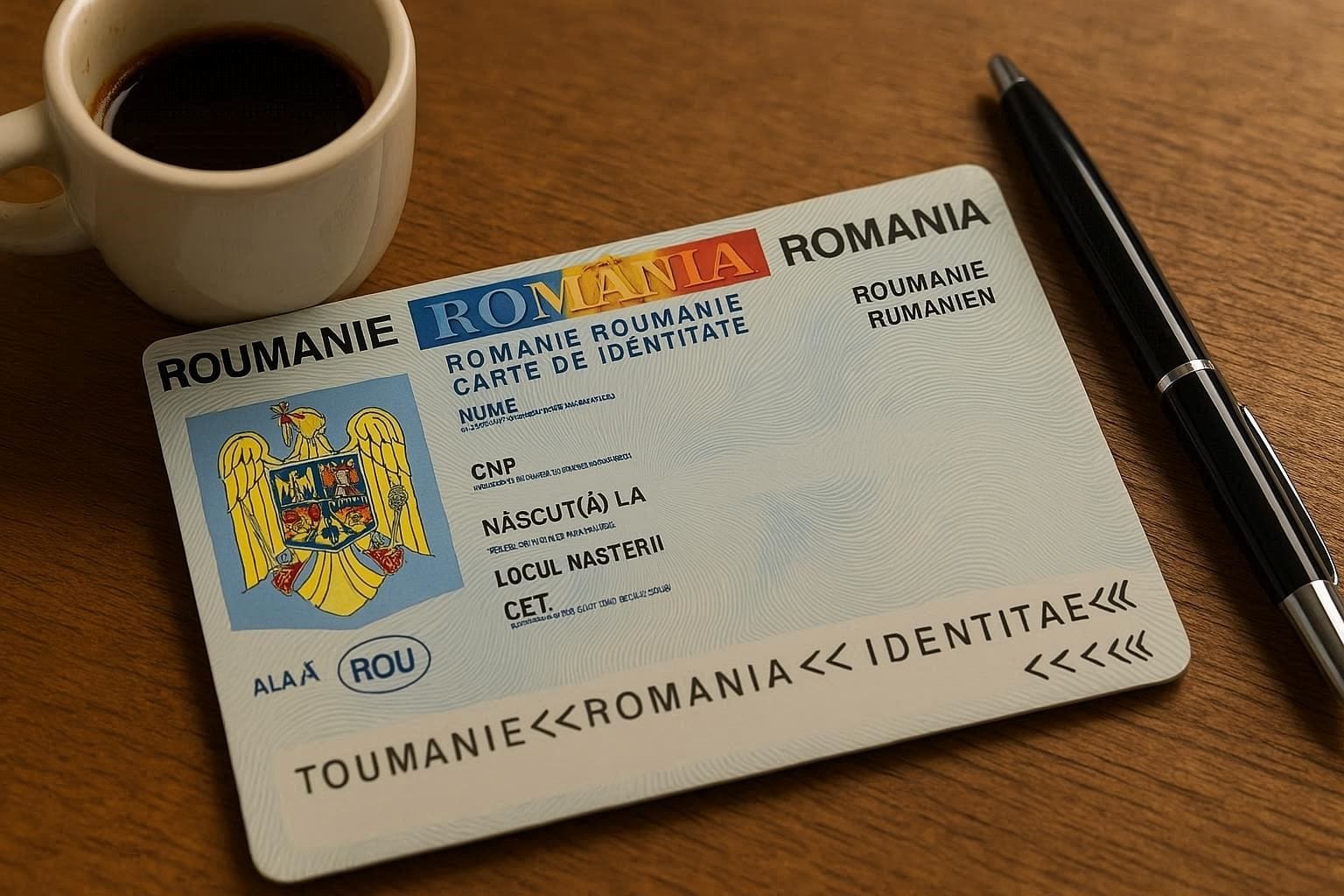
shareholder agreement Romania

Shareholder Agreement Romania: Guide for Investors and Entrepreneurs


Shareholder Agreements in Romania – The 2025 Guide for Investors and Entrepreneurs

Table of Contents

A shareholder agreement in Romania is a private contract between company shareholders that regulates their rights, obligations, and internal governance. While not mandatory, a well-crafted shareholder agreement can save tens of thousands of euros and years of litigation later.


Need Professional Help?

At Atrium Romanian Lawyers, we assist clients with corporate & commercial law, contract drafting, shareholder disputes, and company formation.


What Is a Shareholder Agreement?

A shareholder agreement is a private contract between shareholders that regulates shareholder rights and obligations, management and governance rules, voting procedures, profit distribution, share transfers and exit mechanisms, deadlock resolution, and restrictions on competition and confidentiality.

Key advantage: Unlike the Articles of Association, shareholder agreements are not filed publicly, making them ideal for protecting proprietary deal structures and maintaining sensitive voting arrangements.

Why Romanian Companies Benefit from Shareholder Agreements

Romanian Companies Law (Law 31/1990) provides only baseline protections. Majority rule dominates decision-making, share transfer restrictions are minimal in SRLs and SAs, there is no automatic deadlock resolution, and founder exit rules are not regulated.

A shareholder agreement allows shareholders to customize protections beyond these statutory defaults, providing greater stability and clarity, particularly for startups and companies with foreign investors.

Benefits for Foreign Investors

  • Secure veto or consent rights for important decisions
  • Establish information and inspection rights beyond statutory minimums
  • Protect capital through pre-emption or anti-dilution mechanisms
  • Clarify dispute resolution through arbitration clauses

Benefits for Romanian Startups

  • Align founders on vision and responsibilities
  • Define vesting schedules for equity
  • Prevent conflicts from early founder departures
  • Protect intellectual property created by founders

Essential Clauses in a Romanian Shareholder Agreement

1. Capital Contributions & Ownership Structure

Clearly define each shareholder’s initial contribution (cash, assets, IP), future contribution obligations, and ownership percentages and voting rights.

IP Consideration: Without explicit assignment clauses, IP created by founders may legally remain with the individual. To ensure enforceability, draft separate IP assignment agreements and include employment contracts with IP clauses for founder-employees.

Enforceability: Strong if properly documented.

2. Voting Rights and Decision-Making

Shareholder agreements cannot enforce voting obligations in Romanian law. However, they can require supermajorities for internal contractually binding decisions, create additional shareholder rights and internal governance rules, and define reserved matters for shareholder consultation.

Coordination: To affect the company externally, critical voting thresholds must also appear in the Articles of Association.

3. Management Roles & Responsibilities

Define roles, authority, and reporting obligations for CEO, Managing Director, CFO, CTO, and specify decision authority limits and key performance indicators.

Enforceability: Strong. These internal rules are binding among shareholders.

4. Profit Distribution

Set frequency and conditions for dividend distribution, minimum or mandatory reinvestment thresholds, and handling of losses.

Tax Considerations: Dividends face 5% withholding tax for Romanian residents, while management fees vs. dividends have different taxation and deductibility implications. Coordinate with a tax advisor to optimize both corporate and personal tax outcomes.

5. Share Transfer Restrictions

Common clauses include right of first refusal (ROFR), right of first offer (ROFO), tag-along rights (minority protection), drag-along rights (majority exit facilitation), lock-up periods, and transfers to affiliates.

Important Note: Binding between shareholders (strong enforcement) but external enforceability requires Articles of Association registration.

6. Exit Clauses

Include buy-out mechanisms, put/call options, shotgun clauses, drag-along and tag-along clauses, and valuation methodologies.

Enforceability: Buy-sell and call/put options are enforceable; drag-along/tag-along are enforceable internally; external enforceability requires Articles coordination. Valuation clauses are enforceable if clearly defined.

7. Deadlock Resolution

Common mechanisms include mediation → arbitration → binding resolution and buy-sell triggers (Russian roulette, Texas shoot-out).

Important: Romanian law does not enforce vote obligations. Deadlock clauses must rely on mechanisms other than forcing votes. Enforceability is strong if designed around buy-sell or arbitration.

8. Non-Compete and Confidentiality

Specify duration, scope, and geographic limits with reasonable exceptions.

Legal Limits: Article 21 of the Romanian Constitution protects the right to work. Non-compete clauses must be reasonable in time, geography, and scope. Overbroad clauses may be void.

9. Dispute Resolution

Choose between domestic arbitration (VIAC, Romanian Chamber of Commerce) or international arbitration (ICC, LCIA, Vienna). Specify language and governing law.

Enforceability: Strong. Foreign arbitral awards are recognized under the New York Convention.

10. Notarization

Not legally required but provides proof of authenticity and signature dates, enhances enforceability against heirs or successors, with cost of €50–€150.


Common Mistakes and Overstatements

❌ Assuming voting clauses are enforceable

Shareholders cannot be forced to vote a certain way. Use buy-sell options or call options instead.

❌ Relying solely on shareholder agreements for external effect

Certain provisions must also appear in Articles of Association to be externally enforceable.

❌ Using US/UK-style vesting without legal mechanisms

Must be implemented via call options or conditional transfers under Romanian law.

❌ Expecting full minority protection without legal coordination

Agreements add protections but cannot override statutory rights.

❌ Overbroad non-compete or IP clauses

Must be reasonable in duration, geography, and scope to be enforceable.

Updating Your Agreement

Review your shareholder agreement every 2–3 years or after major events such as:

  • New investors: Add rights, pre-emption clauses, anti-dilution protections
  • Founder changes: Update vesting, non-compete, management roles
  • Business pivots: Adjust permitted activities, IP clauses, exit rules
  • Regulatory changes: Beneficial ownership disclosure, corporate governance, foreign investment rules

📹 Video Guide: Understanding Romanian Shareholder Agreements

Watch our comprehensive video on shareholder agreement essentials, enforceability, and best practices for protecting your investment.


Useful Resources & Links


FAQ – Shareholder Agreements in Romania

Q: Is a shareholder agreement mandatory in Romania?

A: No, it’s not legally required. However, it’s strongly recommended for any company with multiple shareholders, foreign investment, or high-value assets. It provides crucial protection against disputes, deadlocks, and unclear governance.

Q: Can I enforce voting obligations in a shareholder agreement?

A: No. Romanian courts cannot enforce direct voting obligations. However, you can enforce contractual remedies like buy-sell options, call/put options, or drag-along/tag-along mechanisms to achieve similar outcomes.

Q: What’s the difference between a shareholder agreement and the Articles of Association?

A: A shareholder agreement is private and not filed publicly; the Articles of Association is the company’s founding document and must be registered with the Trade Registry. Key external-facing provisions should appear in both for full enforceability.

Q: How do I protect IP created by founders?

A: Include explicit IP assignment clauses in the shareholder agreement, draft separate IP assignment agreements, and require employment contracts with IP clauses for founder-employees. Without these, IP may legally remain with the individual.

Q: Can I use US-style vesting in Romania?

A: Not directly. Romanian law does not recognize US-style vesting. Instead, implement vesting through enforceable legal mechanisms such as call options, conditional share transfer agreements, or repurchase rights.

Q: What happens if a shareholder breaches the agreement?

A: You can pursue remedies through negotiation, mediation, arbitration, or court litigation. Arbitration is often preferred for confidentiality and speed. Ensure your agreement includes a clear dispute resolution mechanism.

Q: How often should I update my shareholder agreement?

A: Review every 2–3 years or after major events such as new investor entry, founder departures, business pivots, or regulatory changes affecting ownership or governance.


Conclusion

A shareholder agreement in Romania is not optional for companies with multiple shareholders, foreign investment, or high-value assets. It provides protection against disputes and deadlocks, clarification of governance and decision-making, IP protection and alignment of founders, and clear exit and valuation mechanisms.

Key legal caveats: Voting obligations cannot be enforced; external enforceability requires Articles coordination; vesting must use Romanian-compliant legal mechanisms; non-compete clauses must be reasonable; and tax planning should be integrated.

Next Steps

  • Coordinate drafting with a Romanian corporate lawyer
  • Ensure key clauses appear in both shareholder agreement and Articles of Association
  • Include IP assignment, dispute resolution, and proper exit mechanisms
  • Review tax implications for dividends, management fees, and exits

A shareholder agreement, when properly structured, is the foundation for sustainable, conflict-free business in Romania.


Disclaimer: This article is for general information only and does not constitute legal advice. Please consult with a qualified Romanian corporate lawyer to verify current laws and regulations before finalizing your shareholder agreement. Laws and procedures are subject to change, and individual circumstances may vary.

Articles of Incorporation Romania

Articles of Incorporation in Romania – How to Draft the Constitutive Act (2025 Guide)


Articles of Incorporation in Romania – How to Draft the Constitutive Act (2025 Guide)

Setting up a company in Romania involves several crucial steps, with the drafting and registration of the Articles of Incorporation, also known as the Act Constitutiv, being paramount. This document serves as the foundational legal framework for Romanian companies, outlining the company’s structure, objectives, and operational guidelines. This guide provides a comprehensive overview of drafting the Articles of Incorporation in Romania, ensuring compliance with Romanian law and optimizing your business for success in 2025.


Need Professional Help?

At our law firm, Atrium Romanian Lawyers, we assist clients with corporate & commercial law, company formation, and articles of incorporation services.


What Are the Articles of Incorporation (Act Constitutiv) in Romania?

Un ecran de computer care afișează un șablon pentru actele de constituire.

Legal meaning under Romanian Company Law

Under Romanian company law, the Articles of Incorporation, or Act Constitutiv, is a legally binding document that establishes a company as a distinct legal entity. This document, essential for company incorporation in Romania, specifies the company’s core attributes, including its company name, registered office, and business activities. The Act Constitutiv details the share capital, the number of shareholders, and their respective contributions. It also outlines the rules governing the management and representation of the company. Furthermore, the Articles of Incorporation includes provisions for profit distribution and conditions for the company’s dissolution, making it a comprehensive guide for the company’s operations under Romanian law.

Difference between Articles of Incorporation and Articles of Association

While both Articles of Incorporation and Articles of Association are vital for company formation, they serve distinct purposes. The Articles of Incorporation, or Act Constitutiv in the Romanian context, primarily focuses on the fundamental aspects of the company. On the other hand, the Articles of Association, often referred to as the bylaws, detail the internal rules and procedures for governing the company.

DocumentFocus
Articles of Incorporation (Act Constitutiv)Company name, registered office, share capital, and business activities
Articles of Association (Bylaws)Internal rules and procedures for governing the company

The Articles of Incorporation are a prerequisite for registering a company in Romania with the National Trade Register Office, while the Articles of Association provide a more detailed operational framework.


Mandatory Elements of the Romanian Constitutive Act

A stack of legal documents is placed on a wooden desk.

Company name, registered office, and object of activity

One of the primary components of the Articles of Incorporation for any Romanian company is the clear specification of the company name. This name must comply with Romanian law and be unique, distinguishing the new entity from existing Romanian companies registered in the Trade Register. Additionally, the registered office, the official address of the business in Romania, needs to be precisely stated. The business activities, or object of activity, must also be detailed, outlining the scope of operations the company will undertake, ensuring compliance with the regulations set by the Romanian Trade Register Office. These elements are crucial during the company incorporation process.

Share capital and shareholders’ contributions

The Articles of Incorporation must meticulously define the share capital of the Romanian company, specifying the total amount and the contribution of each shareholder. The document needs to clearly state the number of shares, their nominal value, and the method of contribution, whether in cash or in-kind. Proper documentation of these elements ensures compliance with Romanian trade regulations, and transparent records are maintained during company registration in Romania.

Company TypeShare Capital Requirements
Limited Liability Company (SRL)No minimum capital requirement (abolished in November 2020). Companies can be established with minimal share capital of as little as 1 RON.
Joint Stock Company (SA)Share capital requirements differ from SRLs, with higher minimum capital mandates.

Management and representation provisions

Defining the management structure and representation provisions is essential within the Articles of Incorporation of any Romanian company. For Romanian companies, ensuring that these provisions comply with Romanian law is critical for the company’s proper governance and to avoid any legal complications related to the Romanian Trade Register.

AreaDetails
ManagementOutlines who is authorized to manage the company, detailing the powers and responsibilities of the directors or administrators.
RepresentationSpecifies how the company will be represented in legal and business transactions, whether by a single director or a board.

Profit distribution and dissolution clauses

The Act Constitutiv must include clear clauses regarding profit distribution among shareholders and the conditions under which the company may be dissolved. These provisions dictate how profits will be allocated based on the number of shares held by each shareholder in the Romanian company. The document also outlines the procedures for dissolution, including liquidation processes and the distribution of assets. Properly drafted profit distribution and dissolution clauses ensure compliance with Romanian law, providing a transparent and equitable framework for all stakeholders during company formation in Romania.


Step-by-Step: How to Draft the Articles of Incorporation

A close-up of hands typing on a laptop keyboard.

Templates and examples used by Romanian lawyers

Drafting the Articles of Incorporation, or Act Constitutiv, for a Romanian company involves careful consideration of Romanian law and best practices. Many lawyers in Romania utilize standardized templates as a starting point. These templates provide a structured framework, covering essential elements such as the company name, registered office, share capital, and business activities. However, it is crucial to tailor these templates to reflect the specific requirements and objectives of each Romanian company. Consulting with lawyers in Romania ensures that the Articles of Incorporation comply with all legal requirements and company incorporation requirements, optimizing the company’s operational framework.

Common mistakes to avoid when drafting your Act Constitutiv

When drafting the Act Constitutiv for a company in Romania, avoiding common mistakes is essential to ensure a smooth company registration process and long-term legal compliance. One frequent error is failing to accurately define the business activities, which can lead to operational limitations. Another common pitfall is neglecting to specify the share capital correctly, particularly the number of shareholders and their contributions. Ambiguous or incomplete management and representation provisions can also cause governance issues within the company. It is important to seek legal advice to avoid these errors and ensure the Articles of Incorporation are legally sound for the Romanian Trade Register.


Articles of Incorporation for SRL vs. SA Companies

A group of businesspeople discussing a document in a meeting room.

Differences in structure and legal requirements

The Articles of Incorporation for a Romanian SRL (limited liability company in Romania) differ significantly from those of an SA (joint stock company) due to variations in structure and legal requirements. An SRL, common for smaller businesses, benefits from simpler management and flexible share capital requirements with no mandatory minimum. The Act Constitutiv for an SRL reflects this, with straightforward provisions for management and share transfer. In contrast, an SA, typically used by larger enterprises, has more complex corporate governance structures, requiring a board of directors and greater regulatory compliance. Therefore, the Articles of Incorporation for an SA are more detailed, covering extensive reporting and shareholder rights, aligning with Romanian law.

How foreign investors can adapt templates

Foreign investors looking to set up a company in Romania can effectively use standard Articles of Incorporation templates, but adaptation is key to ensure compliance with Romanian law and alignment with their specific business needs. These templates often need modification to accurately reflect the intended business activities and management structure. Furthermore, foreign investors must ensure that the share capital and shareholder contributions comply with Romanian regulations. Consulting with lawyers in Romania is vital for navigating these nuances and tailoring the Articles of Incorporation to meet the unique requirements of international business practices and ensure a smooth registration in Romania.


Filing and Registering the Constitutive Act in Romania

A stack of folders labeled legal documents.

Required documents and ONRC registration procedure

Filing and registering the Act Constitutiv involves a detailed procedure with the National Trade Register Office (ONRC) in Romania. The first step in company registration in Romania requires submitting several essential documents, including the drafted Articles of Incorporation, proof of the company name availability, and the identification documents of the shareholders. For limited liability companies, demonstrating the Romanian minimum share capital deposit is necessary. Once all documents are submitted to the Romanian Trade Register, the ONRC reviews them for compliance with Romanian law. Upon approval, the company is registered, and a certificate of incorporation is issued, marking the official company formation in Romania.

Legal fees and translation requirements

When setting up a company in Romania, understanding the associated legal fees and translation requirements is essential for proper budgeting and compliance. Legal fees typically cover the cost of drafting the Articles of Incorporation, legal advice, and representation during the Romanian Trade Register Office registration. If the original documents are not in Romanian, certified translations are mandatory and must be provided during company incorporation. These translation requirements add to the overall expense, so it’s crucial to account for these costs in the initial investment plan for your business in Romania. Engaging lawyers in Romania who are experienced in company formation in Romania can help navigate these requirements.


Expert Tips for Foreign Entrepreneurs

A stack of official papers with a seal and signature on top.

How to align your Articles with Romanian business law

For foreign entrepreneurs aiming to establish a business in Romania, aligning the Articles of Incorporation with Romanian law is paramount for a seamless company incorporation process. Foreign investors should ensure their Articles of Incorporation comply with specific legal provisions governing various Romanian companies, such as limited liability companies and joint stock companies. This includes adherence to regulations related to share capital, the number of shareholders, and the registered office. Consulting with lawyers in Romania is crucial to navigate these legal nuances and ensure your business activities are accurately reflected in the Act Constitutiv and comply with Romanian law.

Legal review by a Romanian lawyer

Engaging a Romanian lawyer to review the Articles of Incorporation is an essential step for both local and foreign entrepreneurs to ensure full compliance with Romanian law. A legal expert can identify potential issues and provide tailored advice to align the document with current legal standards and the specific type of company being established. They can verify that all required elements, such as the company name, share capital, and business activities, are accurately defined, minimizing the risk of rejection by the Romanian Trade Register. This legal review safeguards against future legal challenges, providing a solid foundation for the registration of the company and its subsequent operations.


Conclusion: Why the Constitutive Act Matters in 2025

A close-up of a signature being written on a contract.

In 2025, the Articles of Incorporation remain a critical document for any company in Romania, serving as the cornerstone of its legal and operational framework. Properly drafting and registering the Act Constitutiv ensures compliance with Romanian law, enabling the company to conduct business activities smoothly and without legal impediments. As regulations evolve, staying updated with the latest legal requirements is crucial. For foreign investors, understanding these nuances is particularly important to navigate the company incorporation process effectively and ensure a successful start for their business in Romania.


Useful Resources & Links


FAQ – Articles of Incorporation in Romania

Q: What are the articles of incorporation in Romania?

A: The articles of incorporation in Romania are legal documents that establish a company as a distinct legal entity. They outline the company’s name, purpose, registered office, share capital, and structure. This document is essential for the registration of the company in the Romanian trade registry.

Q: How do I set up a company in Romania?

A: To set up a company in Romania, you need to choose a business form, prepare the articles of incorporation, and submit them along with other necessary documents to the Romanian trade register. You must also obtain a unique registration code and a registration certificate to legally operate your business in Romania.

Q: What is the process of company registration in Romania?

A: The process of company registration in Romania involves several steps, including selecting a company name, preparing the articles of incorporation, paying the required fees, and registering with the Romanian trade registry. Once registered, the company will receive a registration number and be legally recognized to conduct business operations. The standard registration timeline is 7 to 10 working days, though recent technical difficulties at the Trade Registry have occasionally extended this process beyond the typical timeframe.

Q: What types of businesses can I register in Romania?

A: In Romania, you can register various types of businesses, including limited liability companies (SRL), joint stock companies (SA), and micro companies. The choice of business form depends on factors like the number of shareholders and the capital required for incorporation.

Q: Do I need a Romanian bank account to register a company?

A: Yes, opening a Romanian bank account is necessary to deposit the share capital required for company incorporation. The bank will provide a certificate confirming the deposit, which is needed for the registration process with the Romanian trade register.

Q: What is the minimum number of shareholders required to start a business in Romania?

A: The minimum number of shareholders required to start a limited liability company in Romania is one. However, for joint stock companies, at least two shareholders are necessary. This structure allows both Romanian and foreign individuals to establish a company in Romania.

Q: How long does the registration process take for a company in Romania?

A: The registration process for a company in Romania typically takes about 7 to 10 working days, provided all documents are correctly submitted and comply with Romanian law. However, recent technical difficulties at the Trade Registry have occasionally extended registration procedures beyond this typical timeframe. Delays may also occur if additional information is required by the Romanian authorities.

Q: What is the significance of the registration certificate?

A: The registration certificate is a crucial document that proves your company is legally registered with the Romanian trade registry. It contains important information, such as the registration number, date of registration, and details about the company’s structure, which are necessary for conducting business operations in Romania.

Q: Is VAT registration necessary for all companies in Romania?

A: VAT registration is mandatory for companies in Romania whose taxable turnover exceeds the threshold set by the Romanian tax authorities. However, businesses can also opt for VAT registration voluntarily, which allows them to reclaim VAT on their expenses, benefiting their overall business operations.


Disclaimer: This article is for general information only and does not constitute legal advice. Please consult with a qualified Romanian corporate lawyer to verify current laws and regulations before proceeding with drafting your company’s articles of incorporation. Laws and procedures are subject to change, and individual circumstances may vary.

change company office Romania

How to Change the Registered Office of a Romanian Company: Complete Guide


How to Change the Registered Office of a Romanian Company: Complete Guide

O persoană completează documente la birou cu un laptop.

Changing the registered office of a Romanian company is a critical process that requires careful attention to detail.

This guide provides a comprehensive overview of the steps involved in changing the registered office of a Romanian company, ensuring compliance with Romanian law and regulations.

Whether you’re a seasoned entrepreneur or new to the Romanian business landscape, understanding this process is essential for maintaining the legal standing of your business.


Need Professional Help?

At our law firm, Atrium Romanian Lawyers, we assist clients with corporate & commercial law, company registration, and office relocation services.


Understanding the Registered Office in Romania

O persoană stă la birou cu un laptop deschis, revizuind documente.

The registered office, also known as the company headquarters, is the official address of a Romanian company.

It is where all official correspondence from the Romanian authorities, such as ANAF (the National Agency for Fiscal Administration), and other legal entities is sent.

In Romania, the registered office must be a physical address; a P.O. box is not sufficient.

The registered office is a crucial detail recorded in the Trade Registry and on the registration certificate, making it essential to keep this information current.

Definition of Registered Office

The registered office in Romania serves as the official address for all legal and administrative purposes for a company in Romania.

It’s more than just a mailing address; it’s the legally recognized location where the Romanian authorities can contact the company.

According to Romanian law, every Romanian company, whether it is a limited liability company (SRL) or another type of legal entity, must have a registered office.

The address must be accurately registered with the Trade Registry, and any change of the registered office requires a formal amendment to the company’s registration documents.

Importance of the Registered Office for a Romanian Company

The registered office is paramount for a Romanian company’s legal standing and operational efficiency.

It’s the address to which all official communications, including tax notifications from ANAF and legal notices, are sent.

Failing to maintain an accurate registered office can lead to missed communications, fines, or even legal complications. For a Romanian company, it’s a critical element of compliance.

The Trade Registry maintains records of all registered offices, ensuring transparency and accountability within the Romanian business environment.

Legal Framework Surrounding Registered Offices in Romania

The legal framework governing registered offices in Romania is primarily defined by the Company Law No. 31/1990, as subsequently amended, and other related regulations issued by the Trade Registry.

These laws dictate the requirements for registration, documentation, and procedures for changing the registered office of a company.

The articles of association of a Romanian company must include details of the registered office.

When changing the registered office, a formal decision of the sole associate (if it is a sole proprietorship) or a general meeting of shareholders is required, followed by an application for registration with the Trade Registry.


Steps to Change the Registered Office of a Romanian Company

A stack of documents is placed next to a pen and a notepad.

Initial Considerations Before Changing Headquarters

Before embarking on the process of changing the registered office of your Romanian company, several crucial factors need careful consideration.

Firstly, determine the reasons for the change of registered office, whether it’s due to expansion, cost reduction, or operational streamlining.

Secondly, evaluate the implications for your company in Romania, including the potential impact on your Romanian trade relationships, tax obligations, and overall business strategy.

Consulting with Romanian lawyers is highly advisable to navigate these complexities and ensure compliance.

For more information on remote company formation and business setup, visit our comprehensive guide.

Necessary Documents for Changing the Registered Office

A comprehensive set of documents is essential when changing the registered office.

This includes the decision of the sole shareholder or the general meeting of shareholders approving the change of the registered office, the updated articles of association reflecting the new registered office address, and proof of the right to use the new registered office space.

This proof can be a lease agreement or a title deed if the company headquarters owns the property.

Depending on the specific circumstances, additional documents may be required by the Trade Registry, making it crucial to consult with Romanian lawyers to ensure all formality requirements are met.

The updated registration certificate must accurately reflect the updated address.

Filing Requirements with Romanian Authorities

The final step involves submitting the necessary documents to the Romanian Trade Registry (ONRC) where the company in Romania is registered.

This includes filing an application for registration of the change of registered office along with all supporting documents.

The Trade Registry will review the application and, if everything is in order, will issue a revised registration certificate reflecting the new registered office.

It’s also essential to notify several relevant Romanian authorities, such as:

  • ANAF, to avoid any potential issues with tax compliance or official communications.
  • Other relevant authorities, depending on the specific company.

Some companies might also need to consider changing the headquarters of a company from one county to another.

For detailed information on business registers in EU countries and Romania, consult the European e-Justice Portal.


Legal Aspects of Changing the Registered Office

O persoană stă la birou cu documente întinse, părea concentrată.

Relevant Laws and Regulations in Romania

Navigating the legal landscape is crucial when changing the registered office of a Romanian company.

Several key laws and regulations in Romania govern this process, primarily the Romanian Company Law No. 31/1990, as amended.

Compliance with these laws and regulations is essential to ensure the legality of the change of registered office and avoid potential penalties or legal complications for the company in Romania.

For more information on tax registration and compliance, explore our detailed guides.

Role of Lawyers in Romania during the Process

The role of Romanian lawyers is invaluable during the process of changing the registered office.

A law firm specialized in Romanian law and corporate matters can provide expert guidance on navigating the complex legal requirements and procedures.

Lawyers in Romania can assist with drafting the necessary decision of the sole shareholder or the general meeting of shareholders, updating the articles of association, and preparing the application for registration with the Trade Registry.

They can also ensure compliance with all applicable Romanian regulations, represent the company headquarters before the Trade Registry, and address any legal issues that may arise during the process.

Atrium Romanian Lawyers offers legal services and their experienced team can resolve any legal issue in a timely manner. The team provides comprehensive legal services in multiple languages.

Potential Legal Implications of Changing Headquarters

Changing the headquarters of a company carries potential legal implications that must be carefully considered.

Failure to properly notify the ANAF and other relevant authorities can lead to fines or penalties.

If the company headquarters is changing from one county to another, it may affect the jurisdiction for legal proceedings.

Additionally, the change of registered office may impact existing contracts and agreements that specify the previous address.

Consulting with Romanian lawyers is crucial to assess these implications and ensure compliance with all applicable laws.

The law firm can help mitigate potential risks and ensure a smooth transition.

The registration certificate must accurately reflect the new address.

Making changes regarding the registered office requires due diligence to avoid future legal issues.


Common Challenges and Solutions

Un grup de oameni discutând în jurul unei mese cu laptopuri.

Obstacles in Changing the Registered Office

Navigating the process of changing the registered office of a Romanian company can present several obstacles.

One common challenge is incomplete or inaccurate documentation, which can lead to delays or rejection by the Trade Registry.

Another hurdle is ensuring compliance with all applicable Romanian laws and regulations, which can be complex and subject to change.

Additionally, coordinating the change with various stakeholders, such as ANAF and other legal entities, requires careful planning and communication.

Seeking guidance from experienced Romanian lawyers can help overcome these obstacles and ensure a smooth and compliant change of the registered office.

Our firm understands these hurdles and offers expert assistance.

As an expert legal services provider, we aim to provide the best solution when making changes to your Romanian company.

How to Overcome Common Issues

To overcome common issues associated with changing the registered office, a proactive and meticulous approach is essential.

Thoroughly review all documentation requirements and ensure accuracy before submitting to the Trade Registry.

Engage with Romanian lawyers familiar with Romanian law and corporate regulations to navigate the legal complexities and ensure compliance.

Establish clear communication channels with ANAF and other relevant authorities to facilitate a seamless transition.

Additionally, consider conducting a preliminary legal audit to identify and address any potential issues before initiating the registration process.

By taking these steps, company headquarters can minimize delays, avoid penalties, and ensure a successful change of the registered office.

For companies undergoing more significant changes, you may want to explore our guide on company restructuring processes in Romania.

We at our law firm understand the importance of compliance when changing the registered office in Romania, and we help you along the way.

Case Studies: Successful Changes of Headquarters

Examining case studies of successful changes regarding company headquarters can provide valuable insights and practical guidance.

For instance, a Romanian company undergoing expansion successfully changed the headquarters from one county to another by meticulously documenting the rationale behind the move, ensuring all necessary amendments to the articles of association were in place, working with Romanian lawyers and proactively communicating with ANAF and local authorities.

Companies in specialized sectors have also successfully navigated address changes while maintaining their SRL or SA structure.

These case studies highlight the importance of thorough planning, attention to detail, and expert legal support in achieving a smooth and compliant change of the registered office.

We believe in our quality over quantity when providing legal services in Romania.


After the Change of Registered Office

Un birou cu un computer și o plantă, simbolizând un nou început.

Updating Business Registrations and Licenses

Following the approval of the change of the registered office by the Trade Registry, several crucial steps must be taken to ensure continued compliance.

One of the most important steps is updating all relevant business registration certificates and licenses to reflect the new registered office address. This involves:

  • Notifying ANAF and other relevant Romanian authorities of the change.
  • Updating the registration information with the Trade Registry.
  • Amending any licenses or permits that specify the previous address.

Failure to update these documents can result in fines, penalties, or even the suspension of business operations.

As an expert legal services provider, our law firm ensures all paperwork is followed through formality.

Informing Stakeholders and Clients

Communicating the change of registered office to all stakeholders and clients is a critical step in maintaining transparency and trust.

This includes several important actions:

  • Notifying customers, suppliers, partners, and other relevant parties about the new registered office address.
  • Updating the company headquarters website, business cards, letterheads, and other marketing materials to reflect the changes in your Romanian company.

Send out a formal announcement to all clients and partners, informing them of the change and providing the new registered office address.

Clear and proactive communication can help minimize confusion and maintain positive relationships.

We understand the unique needs and requirements of each client and provide tailored legal solutions; it’s about being the best when making changes to your registered office.

Monitoring Compliance Post-Change

After the change of registered office, it is essential to establish a system for monitoring compliance with all applicable Romanian laws and regulations.

Regularly review all business licenses and permits to ensure they are up to date and accurately reflect the new registered office address.

For companies with employees, ensure your HR practices and employment agreements reference the correct office address.

Stay informed about any changes to Romanian law that may impact the company in Romania and take appropriate action to ensure continued compliance.

Conduct periodic internal audits to identify and address any potential issues.

By proactively monitoring compliance, a Romanian company can minimize the risk of fines, penalties, or legal complications.

We ensure that the decision of the sole shareholder or the general meeting of shareholders is respected with regards to the registered office and articles of association.


FAQ – Changing the Registered Office of a Romanian Company

Q: What are the key steps to change the registered office of a Romanian company?

A: To change the registered office of a Romanian company, you need to follow several key steps.

First, ensure that the decision to relocate is approved by the general assembly of shareholders.

Next, prepare the necessary documents, including an addendum to the articles of association, and submit them to the National Trade Register Office (ONRC).

Additionally, you must obtain a new certificate reflecting the new registered office and publish the change in the official gazette.

Q: What documents must be submitted for changing the headquarters to another county?

A: When changing the headquarters to another county, the documents that must be submitted include the original registration certificate, the decision of the general assembly, the addendum to the articles of association, and documents attesting to the right to use the new space.

If applicable, a request for availability check may also be required to ensure no conflicts with the new address.

Q: Do I need legal assistance to change the registered office in Romania?

A: While it is possible to change the registered office without legal assistance, it is highly recommended to seek legal consultation, especially if you are unfamiliar with the law in Romania.

Legal professionals can help navigate the legal procedures, ensure compliance, and assist with the necessary documents.

Q: Can individuals and legal entities change the headquarters in another county?

A: Yes, individuals and legal entities can change the headquarters in another county.

The process is similar for both, requiring the approval of a general assembly, the preparation of specific documents, and registration with the ONRC.

It is important to ensure that the new location aligns with the company’s object of activity and complies with local regulations.

Q: What is the role of the ONRC in changing the registered office?

A: The National Trade Register Office (ONRC) plays a crucial role in the change of registered office.

It is responsible for processing the submitted documents, updating the trade register, and issuing the new registration certificate.

The ONRC also ensures that the change is published in the official gazette, making it publicly accessible.

Q: What are the implications of non-compliance when changing the registered office?

A: Non-compliance with the legal procedures for changing the registered office can lead to penalties, including fines or the inability to conduct business legally.

It is essential to adhere to all requirements, such as submitting the correct documents and adhering to timelines, to avoid any legal complications.

Q: How does the electronic signature facilitate the process of changing a registered office?

A: The use of an electronic signature simplifies the process of changing a registered office by allowing for quicker submission of documents to the ONRC and other relevant authorities.

It eliminates the need for physical signatures and can expedite the processing time for the necessary legal documents.

Q: What are the assistance services available for companies relocating their headquarters?

A: Various assistance services are available for companies relocating their headquarters, including secretarial assistance, legal advice, and real estate law consultations.

These services can help streamline the process, ensuring compliance with regulations and aiding in the selection of suitable office space.


Disclaimer: This article is for general information only and does not constitute legal advice. Please consult with a qualified Romanian corporate lawyer to verify current laws and regulations before proceeding with changing your company’s registered office. Laws and procedures are subject to change, and individual circumstances may vary.

Smiling Romanian lawyer holding a legal book with text “Register Company Name in Romania” on a bright background

Register Your Company Name in Romania


Register Your Company Name in Romania

Table of Contents

If you’re considering starting a business in Romania, registering your company name with the National Trade Register Office (ONRC) is the essential first step. For 2025, the process is streamlined, affordable, and can be completed entirely online within one business day.

On this page, you’ll find a clear, step-by-step guide to registering a company name in Romania, expected timelines, key requirements, common challenges, and how to proceed to full company formation in Romania. This article is ideal for entrepreneurs, both domestic and international, who want a swift name registration process with confidence in their business identity.


Need Professional Help?

At our law firm, Atrium Romanian Lawyers, we assist clients with corporate & commercial law, company formation, and registration services.


What Does It Mean to Register a Company Name in Romania?

Registering a company name in Romania means officially reserving a unique business name with the National Trade Register Office (ONRC). This reservation protects your chosen name and establishes your business identity for legal purposes.

The name registration process is separate from full company formation in Romania. Registering your company name is the first essential step in establishing a business in Romania. It creates an official record proving you have the exclusive right to use that specific business name while you complete the remaining registration requirements.

Romanian law requires that every business operating in the country must have a unique, officially registered name. This prevents business name duplication and protects consumers who need to identify the companies they work with. The registration creates a public record accessible through the ONRC database, allowing anyone to verify company information.


Why Register a Company Name in Romania?

Legal Protection and Exclusivity

Registering your company name provides legal protection ensuring no other business in Romania can use an identical or confusingly similar name. This exclusivity applies nationwide throughout all of Romania, not just in your local jurisdiction.

Without name registration, another entrepreneur could establish a competing business with a nearly identical name, damaging your brand reputation and creating customer confusion. Name registration prevents this conflict by establishing priority rights to your chosen business name.

Prerequisite for Full Company Registration

Romanian law requires name reservation before you can complete full company formation. You cannot file incorporation documents with the ONRC without proof of a reserved company name. The name reservation certificate is mandatory documentation in your full registration packet.

This requirement ensures business names are verified for availability and legal compliance before companies are officially established. It prevents entrepreneurs from investing time and resources into incorporation only to discover their chosen name is unavailable.

Public Record and Brand Establishment

Registration creates an official public record establishing your business identity in Romania’s commercial registry. This official record builds credibility with customers, suppliers, banks, and government authorities.

When your company name appears in the ONRC registry, it becomes easier for business partners to verify your legitimate status. This public recognition helps establish your brand presence in the Romanian market.

Compliance with EU and Romanian Law

Registering your company name ensures compliance with Romanian legal requirements under Law 31/1990 (regarding limited liability companies and joint-stock companies) and Law 265/2022 (regarding trade register procedures). These laws govern how businesses must register and operate in Romania.

Meeting these legal requirements from the beginning protects your business from regulatory penalties and ensures your company can legally conduct business operations. For information on EU legal procedures, you can consult the European e-Justice Portal which provides guidance on civil procedures across member states.


Key Requirements for Registering a Company Name in Romania

Name Must Be Unique

Your chosen company name must be unique compared to existing Romanian companies and distinctive (not too general). The ONRC database contains records of all previously registered companies, and your name cannot match any existing business name.

If an existing company is named “Tech Solutions SRL,” you cannot register “Tech Solutions Ltd” or similar variations. The names must be sufficiently different that they are not too similar. The ONRC’s automated system checks for similarity and rejects applications when proposed names conflict with existing registrations.

Name Must Contain at Least One Romanian Word

The company name must include at least one word in Romanian. This requirement means your company name cannot consist entirely of foreign language words.

For example, “International Business Solutions” would not be acceptable because it contains no Romanian words. However, “International Solutions SRL” would be acceptable because “SRL” (the Romanian abbreviation for Limited Liability Company) satisfies this requirement. Alternatively, you could use “Business Solutions Internațional SRL” incorporating a Romanian language element.

Name Cannot Contain Restricted Words

Words such as “scientific,” “academy,” “university,” “scholar,” or “school,” or their derivatives are restricted and can only be included if the Government Secretariat or Prefecture’s Office provides authorization.

These restricted words are protected to maintain academic and scientific institution credibility. If your business requires using any restricted terminology, you must obtain special authorization from government authorities before your name can be approved.

Name Must Not Mislead About Business Nature

Your company name cannot mislead about your actual business activities or suggest false connections to government authorities. For example, if your company provides marketing services, you cannot name it “Health Ministry Consultants” as this would mislead customers about your business nature and falsely suggest government affiliation.

Name Should Be Sufficiently Long and Descriptive

It is recommended to use at least 2-3 words for the company name to ensure it is distinctive and not too short. Very short names like “Tech Ltd” or “Solutions SRL” are harder to distinguish from other companies and may face rejection.

Longer, more descriptive names help the ONRC system distinguish your company from others and reduce the risk of rejection due to similarity concerns.


The Step-by-Step Process to Register a Company Name in Romania

Step 1: Prepare Three Name Options

Before accessing the ONRC system, prepare at least three preferred company names in order of preference. This preparation ensures that if your first choice is unavailable, you have backup options ready to submit.

When selecting names, consider your business activities, target market, and brand identity. Verify mentally that each name meets the requirements: contains at least one Romanian word, is unique, and doesn’t use restricted terminology.

Step 2: Check Name Availability Online

Visit the National Trade Register Office (ONRC) website portal and use the online verification tool to search for existing businesses with similar names.

This preliminary search takes minutes and allows you to verify whether your preferred name is likely available before formally submitting the application. The ONRC database contains all registered companies, enabling you to check for duplicates or confusingly similar names.

Step 3: Access the ONRC Online Portal

Visit the official ONRC online portal. The portal provides digital access to name reservation services.

You will need to create an account or log in with existing credentials. The ONRC portal requires you to provide basic information including your identity details, contact information, and business information.

Step 4: Submit the Name Reservation Application

Log in to the ONRC platform, access the “Company Name Reservation” section from the main menu, read the personal data processing information notice, and press the “I have been informed” button to proceed.

In the application form, list your three preferred company names in order of preference. The online verification tool will search for existing businesses with similar names, and name verification and reservation works nationwide, not just in your registration county.

Step 5: Electronically Sign the Application

Electronically sign the application using a qualified digital signature issued by an accredited provider in Romania, ensuring that the signed document retains the exact same title as before signing.

Foreign applicants without Romanian digital signature certificates can alternatively submit applications through a representative with power of attorney or complete the process in person at an ONRC office.

Step 6: Submit the Signed Application

After signing the application, press the “Submit” button to send the request to the ONRC. The verification and approval process is automated and takes place quickly.

The ONRC system processes submitted applications in automated verification workflows, checking name availability and legal compliance. Most applications receive decisions on the same business day.

Step 7: Receive Your Name Reservation Certificate

Once approved, your name reservation stays valid for three months, giving you time to finish the remaining registration steps.

To obtain proof of name reservation, access the relevant section of your account and click the “Update Request” button, then download and keep the name reservation proof to use in the next steps of the registration process. The reservation certificate is an essential document proving you have reserved the name and must be included when filing full company incorporation documents with the ONRC.


Timeline for Registering a Company Name in Romania

The name reservation process is remarkably fast. The Trade Registry usually processes name reservations within one working day, and sometimes the same day.

Once you submit a complete, properly formatted application through the ONRC portal, you typically receive approval or rejection within 24 hours. Some applications are processed within hours on the same business day.

Your name reservation stays valid for three months, giving you time to finish the remaining registration steps. This three-month window allows you to prepare incorporation documents, open bank accounts, and complete other registration requirements without losing your reserved name.

If you don’t complete full company incorporation within three months, you must repeat the name reservation process with a new application.


Costs Associated with Registering a Company Name in Romania

Official ONRC Fee

The official ONRC fee for company name reservation is minimal and costs approximately EUR 5-10 (approximately 50-100 RON). This fee covers the automated verification and reservation process through the ONRC system.

This low cost makes name registration accessible to entrepreneurs at any startup stage. The fee is typically paid electronically through the ONRC portal when you submit your application.

Additional Optional Costs

If you work with a legal professional to assist with name registration, professional fees typically range from EUR 50-150. Many entrepreneurs complete name registration independently using the online portal to avoid these additional costs.

If you require document translation services (for example, if you are a foreign individual and need documents translated into Romanian), translation costs range from EUR 25-75 per document.


Common Challenges When Registering a Company Name in Romania

Similar Names Being Rejected

The most common challenge entrepreneurs face is discovering their preferred name is unavailable or too similar to existing registered companies. Finding unique names is getting harder, so it’s best to prepare about five alternative options.

If your first-choice name is rejected, you can immediately submit applications for your backup names. Having multiple options prepared prevents delays in the registration process.

Incorrectly Formatted Applications

Applications missing required information, improperly formatted, or lacking required declarations are rejected and must be resubmitted. Common errors include failing to include at least one Romanian word, not listing three name choices, or missing notarization requirements for foreign applicants.

Name Containing Restricted Terms

If your proposed name contains restricted words like “academy” or “university,” approval requires special authorization from government authorities. This authorization process delays name registration by several weeks.

Special Characters or Formatting Issues

The ONRC system has specific formatting requirements. Names containing special characters, unusual punctuation, or non-standard characters are sometimes rejected. The system prefers standard letters, numbers, and basic punctuation marks.


What Happens After Your Company Name Is Registered?

Three-Month Timeline to Complete Registration

After your name is reserved, you have exactly three months to file complete company incorporation documents with the ONRC. This deadline is firm—if you don’t complete incorporation within three months, the name reservation expires and you must repeat the reservation process.

Next Steps in Company Formation

With your reserved name confirmed, you proceed to complete your company formation by preparing incorporation documents including the Articles of Association, designating your registered office address, arranging share capital deposits, and preparing all required supporting documentation.

Our comprehensive guides on company formation in Romania and how to start a Limited Liability Company (SRL) in Romania cover all remaining steps after name registration, including capital requirements, document preparation, and ONRC filing procedures.

Failed Name Approval at Final Registration

In some cases, even though your name is reserved, the ONRC judge may ultimately reject the name when you file full incorporation documents. If this occurs, you must start over with a new company name reservation.

To minimize this risk, it’s advisable to submit multiple name options during the reservation phase, providing the ONRC with alternatives if the judge later identifies issues with your primary choice.


How Atrium Romanian Lawyers Can Help

Atrium Romanian Lawyers provides comprehensive support for company name registration and full company formation in Romania. Our team:

  • Conducts thorough name availability research to identify optimal business names
  • Prepares and submits name reservation applications through the ONRC portal
  • Guides you through complete company formation procedures after name reservation
  • Ensures compliance with all Romanian legal requirements
  • Provides representation before ONRC if issues arise during registration
  • Advises on business structure selection and registration strategy

As established experts in Romanian company law since 2003, Atrium understands the nuances of ONRC procedures and has successfully registered thousands of company names for both Romanian citizens and foreign investors across all sectors.


Key Takeaways for Registering a Company Name in Romania

Registering your company name in Romania is the essential first step in establishing a business. The process is streamlined, affordable, and quick—typically completed within one business day through the ONRC online portal.

Your reserved name remains valid for three months, providing sufficient time to complete full company incorporation. Prepare multiple name options to account for availability, ensure your chosen name includes at least one Romanian word, and avoid restricted terminology.

With your name successfully reserved, you can proceed confidently to incorporate your company knowing your business identity is legally protected and officially recognized in Romania’s commercial registry. The National Trade Register Office (ONRC) maintains all official records and documentation of registered business names throughout the country.


FAQ – Registering a Company Name in Romania

Q: How long does it take to register a company name in Romania?

A: Most name registrations are approved within one business day through the online ONRC portal, with many processed the same day of submission.

Q: Can I register a company name without Romanian citizenship?

A: Yes, foreigners and non-residents can register company names in Romania with the same process as Romanian citizens using the online ONRC portal or through a representative with power of attorney.

Q: What if my preferred company name is already taken?

A: Submit your backup name options listed in order of preference on the application form. The ONRC will reserve the first available name from your list.

Q: Can I change my company name after registration?

A: Yes, you can change your company name after incorporation by filing a modification request with the ONRC, though this involves additional procedures and costs.

Q: Is the name reservation valid indefinitely?

A: No, name reservations are valid for exactly three months. You must complete full company incorporation within this period or the reservation expires.

Q: Do I need a lawyer to register a company name?

A: No, you can complete name registration independently through the ONRC online portal. However, a lawyer can assist with the process and ensure compliance with all requirements.


Related Company Formation & Startup Resources

To support your journey in registering company names and establishing startups in Romania, explore these comprehensive guides:


Disclaimer: This article is for general information only and does not constitute legal advice. Please consult with a qualified Romanian corporate lawyer to verify current laws and regulations before proceeding with company name registration. Laws and procedures are subject to change, and individual circumstances may vary.

NIF Code Romania

Foreigners’ Fiscal Registration: NIF Code in Romania 2025

Foreigners’ Fiscal Registration: NIF Code in Romania

A close-up of a hand filling out a tax registration form.

Navigating the Romanian fiscal system can be complex, especially for foreign citizens.

One of the first steps is understanding and obtaining a Număr de Identificare Fiscală (NIF), which translates to Tax Identification Number.

This article provides a comprehensive guide to the NIF code in Romania, its importance, and how to obtain one.

Atrium Romanian Lawyers Bucharest aims to clarify these processes, ensuring foreigners can legally pay taxes in Romania with ease.

Understanding the NIF

Un om ținând un document cu codul NIF vizibil clar.

What is the NIF Code?

The NIF code, or Numărul de Identificare Fiscală, is a tax identification number assigned by the Romanian Tax Authority (ANAF).

It serves as a unique identification number for tax purposes.

Whether you are a Romanian citizen or a foreign citizen, understanding what a NIF is and knowing how to obtain one is paramount.

Atrium Romanian Lawyers can help you with your request.

Importance of the NIF in Romania

The NIF is essential for various transactions in Romania, including opening a bank account, signing contracts, and conducting business.

Paying taxes in Romania as a foreign citizen involves using this number for all tax-related activities.

Without a NIF, foreign citizens cannot comply with Romanian tax regulations.

The Romanian NIF is not just a formality; it is the key to engaging in legal and financial activities within the country, and for tax purposes.

Differences Between NIF and CNP

While both are identification codes, the NIF and CNP (Cod Numeric Personal or Personal Identification Number) serve different purposes and populations.

The CNP is assigned to Romanian citizens at birth and also functions as their tax identification number—meaning Romanian citizens with a CNP do not need to obtain a separate NIF for tax purposes.

The NIF, on the other hand, is specifically issued to foreign nationals who have tax obligations in Romania but do not possess a CNP.

Foreign citizens who earn income in Romania, own property, or conduct business must obtain a NIF by completing Form 030, ensuring they are properly registered as taxpayers with ANAF.

If foreign residents later obtain a residence permit and are assigned a CNP, the fiscal body will replace the NIF with the CNP in the tax records.

How to Obtain a NIF in Romania

Un calculator și un pix așezate lângă un formular de aplicare.

Eligibility for NIF Registration

Eligibility for NIF registration extends to both Romanian citizens and foreign citizens who need to pay taxes in Romania.

Foreign citizens are required to obtain a NIF if they engage in taxable activities, such as employment, business ownership, or property ownership.

To get a NIF, applicants must demonstrate a legitimate reason for needing a tax identification number within the Romanian fiscal system.

Our team of lawyers in Bucharest can assess your specific situation to determine your eligibility and guide you through the application process to obtain a NIF efficiently.

Required Documents for NIF Application

Here’s what foreign citizens generally need to provide when applying for a NIF in Romania.

This may include:

  • A copy of their passport.
  • A residence permit (if applicable).
  • Proof of address in Romania.

Depending on individual circumstances, additional documents like an employment contract or property ownership documents might also be necessary.

Form 030 is often used for non-EU citizens.

Our team of Romanian lawyers can provide a comprehensive list based on your individual circumstances to get your NIF, ensuring a smooth and successful application.

Steps to Apply for a NIF

The process to apply for a NIF typically involves submitting the required documents to the Romanian Tax Authority (ANAF).

The application can be submitted in person at an ANAF office or, in some cases, online.

After the application is processed, ANAF will issue a NIF.

For foreign citizens unfamiliar with the Romanian bureaucracy, this process can be daunting.

Atrium Romanian Lawyers Bucharest can act as your proxy, handling the entire application process on your behalf, from preparing the necessary documents to submitting the application and obtaining your NIF, allowing you to legally pay taxes in Romania.

Using the NIF in Romania

A person holds a document with the NIF code printed on it.

Paying Taxes in Romania with Your NIF

Your NIF serves as your taxpayer identification number, linking all your tax-related activities to your fiscal profile with the ANAF.

Whether you are filing income taxes, property taxes, or any other type of tax, you will need to include your NIF.

The Romanian NIF is essential to legally pay taxes in Romania, and accurately report all relevant financial information.

Understanding Your Tax Obligations as a Foreigner

As a foreign citizen in Romania, understanding your tax obligations is crucial for compliance with Romanian law.

Your tax obligations depend on several factors, including your residency status, the type of income you earn, and any applicable tax treaties between Romania and your home country.

Foreign citizens may need to pay income tax on their earnings, as well as other taxes such as social security contributions.

Consulting with our Romanian legal experts will help you understand your tax obligations.

Personal Tax and NIF Number Management

Proper management of your personal tax affairs and NIF number is essential for avoiding potential issues with the Romanian Tax Authority (ANAF).

Keep your NIF information secure and readily accessible for all tax-related transactions.

It’s also important to keep your contact information updated with ANAF to ensure you receive important notifications and correspondence.

If your personal circumstances change, such as a change of address or employment status, ensure these changes are reflected in your tax records.

Common Issues and Solutions

A calculator and a notepad on a desk with tax-related notes.

Problems in NIF Registration

While the NIF registration process is generally straightforward, applicants may encounter certain issues.

Common problems include incomplete or incorrect documentation, delays in processing, or difficulties navigating the ANAF bureaucracy.

Foreign citizens may face language barriers or lack of familiarity with Romanian tax regulations, further complicating the process.

Rectifying Errors in Your NIF

If you discover an error in your NIF information, it is crucial to rectify it promptly with the ANAF.

Errors can lead to complications with tax filings, penalties, or other issues.

To correct an error, you will typically need to submit a written request to ANAF along with supporting documentation.

This may involve completing form 030.

Atrium Romanian Lawyers can help with the necessary paperwork and communication with ANAF to correct any errors.

Contacting Authorities for Assistance

If you require assistance with your NIF, tax-related matters, or any issues with the Romanian tax system, contacting the appropriate authorities is essential.

The Romanian Tax Authority (ANAF) is the primary government agency responsible for tax administration.

You can contact ANAF through various channels, including phone, email, or in-person visits to an ANAF office.

For personalized guidance and support, consider engaging our Romanian Law Office as your proxy, offering assistance in Romanian tax matters.

NIF Code in Romania: Understanding Your Tax Identification Number

What is a NIF code in Romania?

The NIF code, or tax identification number, is a unique identifier assigned to individuals and entities for tax purposes in Romania.

It is essential for natural persons and legal entities to register for a NIF to legally pay their taxes and conduct various financial transactions within the Romanian state.

How can I obtain a NIF in Romania?

To obtain a NIF, you must submit a request to the Romanian tax authority.

Natural persons need to present identification documents, proof of residence, and fill out the necessary forms.

Documentation can be submitted in original at the fiscal office, and it typically takes a few days for the issuance of the document.

What are the differences between CNP and NIF?

The CNP, or personal numeric code, is a unique identification number assigned to Romanian citizens, while the NIF is specifically for tax purposes.

Although both codes serve as identification, the NIF is essential for business operations and tax obligations, whereas the CNP is primarily used for civil identification.

Do I need a NIF if I actually live in Romania?

If you actually live in Romania and plan to engage in any economic activities, you will need to obtain a NIF.

This applies to both Romanian citizens and foreigners who intend to pay taxes in Romania or conduct business operations.

Can a proxy obtain my NIF if I live in Bucharest?

Yes, a proxy can obtain your NIF on your behalf as long as they have the necessary authorization and documentation.

If your proxy lives in Bucharest, they can represent you at the fiscal office to facilitate the process of obtaining your NIF.

What happens if I do not have a NIF?

If you do not have a NIF, banks might refuse to open an account for you, and you may encounter difficulties in legally paying your taxes.

It is important to obtain a NIF to avoid complications with financial transactions and tax compliance.

Can I avoid double taxation with a NIF?

Having a NIF can help you navigate tax obligations and potentially avoid double taxation, especially if you are a foreign resident with income generated in Romania.

By properly declaring your tax status and utilizing tax treaties, you can minimize the risk of being taxed twice on the same income.

What documents do I need to attach to obtain a NIF?

To obtain a NIF, you need to attach the following documents: a valid identification document, proof of residence in Romania, and any additional forms required by the Romanian tax authority.

Our Romanian legal specialists advise to ensure that all documents are submitted in original and have proof of delivery to expedite the process.

Essential Documents for Foreign Founders Starting a Business in Romania

Essential Documents for Foreign Founders Starting a Business in Romania

Essential Documents for Foreign Founders Starting a Business in Romania

Table of Contents

What if the fastest way to launch a European business isn’t where you’d expect?

Romania’s streamlined corporate framework allows entrepreneurs to establish an SRL company in just three working days with current minimum capital requirements that have recently undergone significant changes in 2025.

A stack of official documents and forms on a desk.

But beneath this efficiency lies a critical question:

How can international investors avoid hidden pitfalls in documentation processes that could derail their ambitions?

Romania’s open-market policies permit full foreign ownership without local partnership mandates, creating attractive opportunities for global entrepreneurs.

However, the registration process demands precise adherence to legal standards.

Corporate filings must align with Trade Register specifications, including certified translations into Romanian or bilingual formats.

Strategic document preparation forms the backbone of successful incorporation.

Errors in paperwork often lead to delays, financial penalties, or rejected applications.

Professional legal guidance from lawyers in Romania ensures compliance with corporate law frameworks while maintaining operational legitimacy from day one.

Investors benefit from understanding how each document interacts with regulatory systems.

Properly structured articles of association, shareholder agreements, and notarized identification papers establish transparent governance structures.

These elements collectively safeguard business interests within Romania’s evolving economic landscape.

Key Takeaways

  • Romania permits 100% foreign-owned companies with fast 3-day Trade Register approval timelines,
  • Document preparation requires strict compliance with Romanian language standards,
  • Legal expertise minimizes risks of administrative delays or non-compliance penalties,
  • Corporate filings must align with Trade Register specifications for approval,
  • Precise paperwork establishes long-term operational legitimacy,
  • VAT rate increased to 21% in August 2025, with registration threshold at RON 395,000,
  • Minimum capital requirements are undergoing reform, with new tiered structure proposed.

Introduction to Business Registration in Romania

A businessman reviewing papers at a desk.

Romania’s economic landscape presents a compelling proposition for global enterprises seeking competitive positioning in Europe.

As an EU member state, the country serves as a strategic crossroads connecting major continental markets.

This geographic advantage, combined with progressive regulatory frameworks, creates fertile ground for sustainable business growth.

Overview of the Romanian Market

A group of diverse business people reviewing documents around a table.

The local market distinguishes itself through a growing pool of skilled workforce, particularly in technology and engineering sectors.

Romania produces approximately 18.6 STEM graduates per 1,000 people aged 20-29, though this remains below the EU average of 23.0.

The country is actively working to expand its technical education programs.

Operational costs remain 34-51% lower than Western European averages without compromising service quality, with Romanian developer salaries approximately 40% below comparable Western rates.

Infrastructure development continues accelerating across transportation and digital networks.

Modern highways connect major cities to EU trade routes, while digital coverage expands nationwide.

These advancements enable companies to maintain efficient supply chains and regional operations.

Benefits for Foreign Entrepreneurs

Several colorful flags are displayed on a desk next to business papers.

Romania offers foreign investors streamlined processes through recent legal reforms.

The elimination of redundant permits and digital filing systems reduces Trade Register approval to approximately three working days.

EU membership guarantees alignment with continental standards while preserving local cost advantages.

Investors benefit from tax incentives for research-driven business initiatives and export-oriented activities.

Cultural adaptability further enhances market entry, with English widely spoken in professional environments.

These factors position the country as an attractive destination for scalable international ventures.

Why Start a Business in Romania?

A close-up of a business plan document with charts and graphs.

Romania’s tax and regulatory systems create a unique value proposition for commercial ventures targeting European markets.

Strategic fiscal policies combine with progressive legislative changes to support both startups and established enterprises.

Attractive Tax Environment

A smiling business person holding a briefcase and standing in front of a modern office building.

The country maintains one of Europe’s most competitive tax frameworks, though recent changes require careful attention.

Microenterprises benefit from a 1% revenue tax when employing at least one worker and earning up to €60,000 annually.

For revenues above €60,000 or for specific sectors like IT services (CAEN codes 6210, 6290) and restaurants, a 3% rate applies.

Traditional corporations face a flat 16% profit tax.

Tax TypeRateConditions
Microenterprise1%Revenue under €60K with 1+ employee
Microenterprise3%Revenue €60K-€250K (€100K from 2026) or IT/restaurant activities
Corporate Profit16%Standard companies
Dividends10%Increased from 8% in January 2025
Standard VAT21%Increased from 19% in August 2025
Reduced VAT11%Consolidated rate from August 2025

Favorable Legal Reforms

Recent legislative updates streamline operations for international investors.

Digital registration systems cut Trade Register processing times to 3 working days, while revised thresholds for micro-tax status continue until 2026, though the revenue limit decreases from €250,000 to €100,000 starting January 2026.

Enhanced transparency measures reduce bureaucratic hurdles.

Special support programs assist startups in navigating compliance requirements, ensuring smooth market entry.

However, investors must stay updated on frequent tax law changes, including the August 2025 VAT increase from 19% to 21%.

Understanding Legal Structures for Foreign Founders

Selecting the optimal legal framework forms the cornerstone of successful business operations.

Romania offers multiple corporate formats, each aligning with specific operational scales and strategic objectives.

Three primary options dominate commercial registrations, balancing legal safeguards with administrative practicality.

Limited Liability Company (SRL)

An open laptop displaying a business registration website.

The Societate cu Răspundere Limitată (SRL) remains the preferred choice for most ventures.

This structure provides limited liability protection, shielding personal assets from business debts.

Requirements include:

  • 1–50 shareholders
  • Minimum share capital currently ranges from RON 1 to RON 200 (sources vary), with a new tiered proposal for 2025-2026: RON 500 for new companies, increasing to RON 5,000 for revenues between RON 395,000-7 million, and RON 90,000 for revenues exceeding RON 7 million,
  • Simplified management structures.

Governance flexibility allows swift decision-making, ideal for small-to-medium enterprises. Annual reporting obligations remain manageable compared to complex entities.

StructureShareholdersCurrent CapitalProposed Capital (2025-2026)Best For
SRL1–50RON 1-200RON 500-90,000 (tiered)Startups/SMEs
SAUnlimitedRON 90,000RON 90,000 (€25,000)Large enterprises


Joint-Stock Company (SA) and Other Options

A group of diverse people discussing papers around a table.

The Societate pe Acțiuni (SA) suits ventures planning IPOs or major investments.

Key features include:

  • Minimum capital: RON 90,000 (approximately €25,000),
  • Public share trading capability,
  • Formal governance requirements.

Alternative structures like branches or partnerships serve niche scenarios.

Professional guidance ensures alignment between legal frameworks and long-term growth strategies, particularly given the evolving minimum capital requirements.

Required Documents for Foreign Founders in Romania

A person holding a passport and a business plan.

Navigating corporate registration demands meticulous attention to foundational paperwork.

Seven core submissions form the basis of compliant filings, supported by supplementary materials that address cross-border complexities.

The application form and tax annex require detailed operational data, including management structures and activity codes.

Identity verification for administrators ( directors) necessitates certified copies of passports or national IDs, translated into Romanian by authorized professionals.

Shareholder affidavits confirm tax status for individuals lacking local fiscal identification.

These declarations prevent delays during fiscal authority reviews.

Articles of Association drafted in Romanian establish governance protocols, requiring alignment with national corporate law frameworks.

Proof of registered office ranges from property deeds to virtual office contracts, validating a physical business address.

Beneficial ownership disclosures meet EU anti-money laundering directives, tracing control chains for transparency.

Optional apostille certifications authenticate foreign-signed documents.

While not mandatory, these additions streamline verification processes across jurisdictions.

Professional legal review ensures technical accuracy before Trade Register submission, particularly important given recent regulatory changes.

Preparing Your Articles of Association and Registered Office

A person is typing on a laptop with documents spread out on a table.

The foundation of a compliant Romanian enterprise lies in two critical components: constitutional documents and physical establishment.

These elements define operational boundaries while meeting legal obligations under national corporate frameworks.

Drafting the Articles of Association

A person reviews a document with a focused expression while sitting at a table.

Articles of Association act as a company’s operational blueprint.

This legally binding document must specify shareholder voting rights, capital distribution models, and decision-making hierarchies.

Romanian law mandates inclusion of NACE codes to classify business activities accurately.

Management roles require precise definitions of authority limits and appointment procedures.

Provisions for General Meetings must outline resolution processes and quorum requirements.

Legal professionals recommend embedding flexibility clauses to accommodate future growth scenarios, including provisions for the new tiered minimum capital requirements expected to phase in through 2026.

Establishing a Proof of Registered Office

All entities must maintain a verifiable registered office within Romania.

Valid proof includes notarized lease agreements or property ownership documents.

Virtual office contracts have gained traction for cost efficiency while fulfilling legal address requirements.

Service providers offering virtual solutions must issue compliance certificates recognized by the Trade Register.

Physical locations require utility bills or municipal confirmations.

Consistent address details across all filings prevent administrative delays during registration.

Steps in the Company Registration Process

A person filling out forms with a pen.

Establishing a corporate entity in Romania follows a precise sequence of regulatory actions.

This systematic approach ensures compliance while maintaining operational efficiency for new market entrants.

Name Reservation and Document Filing

The initial company name reservation occurs through the National Trade Register Office (ONRC) portal.

This free digital service verifies name availability against existing registrations within minutes.

Approved reservations remain valid for 30 calendar days, creating urgency for subsequent filings.

Document preparation requires alignment with ONRC specifications.

Essential materials include translated identification papers and notarized corporate agreements.

Submissions can occur physically at regional offices or digitally using qualified electronic signatures.

Processing with the Trade Register

Officials typically complete company registration reviews within three working days for the Trade Register approval.

This period allows thorough verification of statutory documents and legal compliance checks.

Delays usually stem from incomplete filings or translation discrepancies.

Successful applicants receive three critical identifiers: the Certificate of Incorporation, CUI tax code, and Certificat Constatator.

These enable immediate banking operations and contractual engagements across Romania.

Note that while Trade Register approval is fast, the complete registration process including VAT registration and full operational readiness typically takes 7-10 working days.

Navigating Tax and VAT Registration in Romania

An open laptop displaying a tax registration website with a cup of coffee nearby.

Understanding fiscal obligations marks a critical phase for enterprises establishing operations in emerging markets.

Romania’s integrated tax system combines automatic corporate registration with strategic VAT options, creating adaptable frameworks for diverse commercial needs.

Corporate and Microenterprise Tax Details

Newly registered companies receive tax IDs during incorporation, enabling immediate financial operations.

Important Update for 2025-2026:

Microenterprises benefit from preferential tax rates when maintaining at least one employee:

  • 1% tax rate on revenue up to €60,000
  • 3% tax rate on revenue from €60,000 to €250,000 (2025) or €100,000 (from January 2026)

Special activities including IT services (CAEN codes 6210, 6290), restaurants, and mobile food services are subject to the 3% rate regardless of revenue level.

Standard corporate tax applies at 16% for profits when companies exceed micro-company thresholds or don’t qualify for the regime.

The dividend withholding tax increased to 10% as of January 1, 2025 (previously 8%) for all recipients.

VAT Registration Requirements

Critical 2025 Updates:

Businesses must register for VAT when exceeding RON 395,000 annual turnover (effective September 1, 2025, increased from RON 300,000).

The standard VAT rate is 21% (increased from 19% in August 2025), with a consolidated reduced rate of 11% replacing the previous 5% and 9% rates.

Voluntary VAT registration remains available for smaller enterprises seeking input tax recovery.

Sector-specific rules apply, with businesses engaged in EU trade requiring VAT registration regardless of turnover thresholds.

FAQ

What legal structure is most common for foreign entrepreneurs in Romania?

The limited liability company (SRL) is preferred due to its flexibility and simplified compliance requirements.

Current minimum share capital varies between RON 1-200, with a new tiered proposal being implemented: RON 500 for new companies, increasing based on revenue thresholds to RON 5,000 (for revenues RON 395,000-7 million) and RON 90,000 (for revenues exceeding RON 7 million).

It allows full foreign ownership and limits liability to invested capital.

How does Romania’s tax environment benefit startups?

Romania offers a 16% corporate tax rate, one of the lowest in the EU.

Microenterprises with at least one employee pay only 1% on turnover up to €60,000 and 3% from €60,000 to €250,000 (reducing to €100,000 threshold from January 2026), making it ideal for early-stage businesses.

However, IT services and certain other sectors pay 3% regardless of revenue level.

Can a virtual office serve as proof of registered office?

Yes, foreign founders can use virtual office services compliant with Romanian law.

The address must be verifiable and included in the Articles of Association during company registration.

What are the VAT registration requirements for new businesses?

Updated for 2025: Companies must register for VAT if annual turnover exceeds RON 395,000 (effective September 1, 2025).

The standard VAT rate is 21% (increased from 19% in August 2025), with a reduced rate of 11%.

Voluntary registration is permitted, allowing input tax recovery.

Non-EU businesses require a fiscal representative for compliance.

How long does the company registration process take?

The Trade Register approval typically takes 3 business days with complete documentation.

However, the full registration process including VAT registration and complete operational setup takes 7-10 working days.

Delays often arise from incomplete documents or translation issues.

Are foreign shareholders required to visit Romania during incorporation?

No. A local lawyer can handle filings via power of attorney.

Notarized documents and apostilled/legalized identification (e.g., passports) must be submitted electronically or by courier.

What post-registration obligations apply to Romanian companies?

Firms must file annual financial statements, maintain accounting records, and submit monthly/quarterly tax declarations.

Important: As of 2025, the dividend tax is 10% (increased from 8%).

Companies must monitor the microenterprise revenue threshold, which decreases from €250,000 to €100,000 on January 1, 2026.

Hiring employees triggers additional labor law and social security compliance.

What are the current VAT rates in Romania?

Updated August 2025: The standard VAT rate is 21% (increased from 19%), and the reduced rate is 11% (consolidating the previous 5% and 9% rates).

These changes took effect August 1, 2025.

What documents are required to register a company in Romania as a foreigner?

To register a company in Romania, foreigners need to prepare and submit several necessary documents.

These include identification documents such as a valid passport, proof of address in Romania, and incorporation documents specific to the type of business structure chosen, whether it be a joint stock company or a limited liability company (SRL).

Additionally, an application for registration must be completed, and the unique company name must be verified through the trade registry.

How does the company registration process work for foreign entrepreneurs?

The company registration process for foreign entrepreneurs in Romania involves several key steps.

First, you must select a business structure and prepare the necessary documents.

Then, you will need to submit these documents to the trade registry for approval.

Following this, you will need to register your business office in Romania and meet the minimum share capital requirement.

Finally, once all documents are approved and the company is registered, you will receive a registration certificate, allowing you to start your business operations in Romania.

What are the benefits of starting a business in Romania as a foreigner?

Starting a business in Romania offers numerous benefits for foreign entrepreneurs.

Romania is situated in a strategic location within the European Union, providing access to a vast market.

The business environment is continually improving, with various incentives for foreign investment.

Additionally, the country offers a range of business structures available, allowing entrepreneurs to select the type of company that best fits their business needs.

This makes Romania an attractive destination for foreign founders looking to expand their operations in Europe.

 
Romanian Company Capital Increase 2025

Romanian Company Capital Increase: Streamlined Processes 2025

Romanian Company Capital Increase: Streamlined Processes 2025

Recent draft reforms on Romanian company capital increase 2025 have reshaped foundational requirements for Romanian companies, requiring both entrepreneurs and established firms to act quickly to stay compliant and maintain operational continuity.

capital increase procedures Romanian Company

Recent proposed changes in corporate legislation will require soon a minimum financial commitment, times higher than before, significantly impacting how companies, especially limited liability companies, operate.

Proposed changes are still in draft form and have not been enacted.

The current minimum capital requirement is 1 RON, and the proposal would increase it to variable amounts (500-90,000 RON).

The draft of law links financial obligations to company size, establishing specific compliance tiers across industries.

These changes will come with tight deadlines, enhanced reporting for banking activities, and stricter registry submissions.

Non-compliance could lead to severe penalties like operational suspension or dissolution.

Seeking professional advice is important, particularly for Romanian company formation or making structural adjustments.

Key Takeaways

  • Romania’s draft of corporate laws will enforce significantly higher minimum financial commitments,
  • Three-tier compliance system will align obligations with business size and revenue,
  • Mandatory banking protocols will affect entity registration and reporting,
  • Legal expertise ensures adherence to strict deadlines and documentation requirements,
  • Non-compliance may result in operational restrictions or business dissolution.

Navigating Romanian Corporate Regulations

The recent legislative draft introduces structured financial benchmarks for commercial entities.

These changes will create clear financial parameters tied to operational scale, ensuring alignment between resources and business activities.

bank account setup requirements

Updated Financial Benchmarks for Businesses

The revised draft establishes three financial tiers based on annual revenue.

Microenterprises with earnings below 395,000 RON must maintain 500 RON in reserves.

Mid-sized organizations generating up to 7 million RON require 5,000 RON.

Larger enterprises surpassing this threshold need 90,000 RON in available funds.

Business SizeRevenue RangeFinancial Reserve
MicroUnder 395k RON500 RON
Medium395k – 7M RON5,000 RON
LargeOver 7M RON90,000 RON

Banking Compliance Essentials

Under recent reforms in Romanian company law, newly incorporated businesses will be required to open and maintain a bank account within 30 days of registration, with banks permitted to refuse only on grounds related to anti-money laundering compliance under Law 129/2019.

Companies that fail to comply risk being declared fiscally inactive by ANAF, a status that suspends tax rights and may trigger fines of up to RON 10,000 for related non-compliance.

In parallel, the draft law increases the minimum share capital for limited liability companies (SRL) in Romania to RON 8,000, obliging existing SRLs to align either at the first amendment of their articles of association or within two years of the law’s entry into force.

Legal specialists recommend that entrepreneurs and investors prepare early to ensure smooth company formation, compliance, and business continuity in Romania.

Step-by-Step: capital increase procedures Romanian Company

Strategic documentation preparation forms the foundation of successful compliance.

Organizations must balance legal precision with operational agility when modifying foundational documents to meet revised standards.

trade register documentation process

Drafting Constitutive Acts and Submissions

Modifying Articles of association requires shareholder approval through formal resolutions.

Romanian lawyers must draft updated Articles reflecting adjusted financial commitments while maintaining alignment with existing operational parameters.

Completed documentation packages must include shareholder agreements and bank deposit confirmations.

The trade register mandates electronic submission of these materials within 15 days of approval.

Common errors in draft versions often delay processing timelines.

Timelines and Compliance Deadlines

Compliance timelines under the proposed Romanian company law reforms focus on SRL share capital increases and related corporate compliance filings.

All limited liability companies (SRL) will be required to raise their minimum share capital to RON 8,000, either at the first amendment of their articles of association or within two years of the law’s entry into force.

Once approved, the shareholder resolution must be registered with the Romanian Trade Register within 15 days, with late submissions leading to administrative penalties.

Although no official deadlines apply to POS installation or payment infrastructure upgrades, businesses should align their banking arrangements and capital adjustments early to avoid being declared fiscally inactive by ANAF and facing operational delays.

Engaging professional legal and accounting services in Romania is strongly recommended to ensure smooth compliance and safeguard business continuity.

Professional guidance helps navigate overlapping requirements efficiently.

Managing Compliance and Fiscal Transparency for Business Success

Effective governance in Romania’s business environment requires close monitoring of regulatory updates and proactive adjustment to new fiscal rules.

The latest company law and tax reforms introduce obligations that connect corporate governance, banking compliance, and shareholder transactions, making coordinated management essential for business stability.

compliance risk management

Mitigating Risks and Avoiding Administrative Blockages

Under the draft reforms, share transfers involving controlling shareholders must be reported to the tax authorities within 15 days.

Where companies have outstanding debts to the state, the Romanian Trade Register may require financial guarantees from the company or incoming shareholders before registering the transfer.

At the same time, failure to maintain an active bank account or to meet the new minimum capital thresholds for SRLs may result in a declaration of fiscal inactivity by ANAF.

Companies declared inactive face serious tax consequences: they must continue paying taxes but lose the right to deduct expenses and face restrictions on VAT claims.

To prevent these risks, businesses should adopt three practical safeguards:

  • Regular audits of banking documentation and shareholder records

  • Immediate updates to Trade Register filings following ownership changes

  • Preemptive resolution of outstanding state debts before major corporate transactions

Specialized legal and accounting advisors in Romania provide real-time monitoring, representation during ANAF audits, and strategic planning to maintain compliance.

Prompt action is also critical when receiving notices from fiscal authorities: while deadlines vary by procedure, some ANAF processes grant only 30 days to submit corrective documentation, and missed deadlines may trigger enforcement measures such as account freezes or asset seizures.

Conclusion

Navigating Romania’s revised corporate framework demands strategic adaptation.

Limited liability companies in Romania face permanent operational changes rather than temporary fixes.

Successful adaptation requires proactive planning with legal specialists.

Organizations prioritizing these measures secure long-term viability in Romania’s transformed business environment.

Romanian legal expertise remains critical for interpreting evolving requirements while safeguarding growth opportunities.

FAQ – Romanian Company Law and Compliance (2025)

What is the minimum share capital for a limited liability company (SRL) in Romania?


Under the draft reforms to Law 31/1990, the minimum share capital for an SRL will increase from 1 RON to 8,000 RON.

Existing companies must align either at the first amendment of their articles of association or within two years of the law’s entry into force.

Certain regulated industries (e.g. banking, insurance) still require much higher thresholds under sector-specific rules.

How long does it take to open a bank account for a capital increase?


Romanian banks usually process share capital deposit accounts within 3–5 business days, provided that the company submits incorporation documents, shareholder identification, and complies with anti-money laundering (AML) checks under Law 129/2019.

What penalties apply for missing compliance deadlines during share transfers?


Failure to submit share transfer documentation to the Trade Register or ANAF within 15 days may result in fines of up to 5,000 RON.

Persistent non-compliance can also expose companies to fiscal inactivity status, which restricts VAT deductions and expense claims, though dissolution is not an automatic sanction.

Do constitutive acts and amendments require notarization?


Notarization is no longer mandatory for standard SRL incorporation or simple amendments since the 2020 simplification of Romanian company law.

However, notarization may still be required in special cases, such as share transfers involving real estate contributions or when parties choose additional contractual safeguards.

What tax obligations follow a capital increase?


Companies must notify ANAF and the Trade Register of any capital increase within 15 days.

While capital injections themselves are not subject to taxation, incomplete or incorrect documentation may trigger tax audits or reclassification of funds.

Can foreign shareholders participate in increasing share capital?


Yes. Foreign investors may contribute capital under the same conditions as Romanian nationals.

For cross-border transfers, companies must comply with AML documentation requirements, and transactions above €10,000 are subject to reporting obligations under Law 129/2019.

Micro Enterprise in Romania for 2025

Micro Enterprise Eligibility Criteria in Romania for 2025

Micro Enterprise Eligibility Criteria in Romania for 2025

Table of Contents

New regulations effective January 2025 will dramatically reshape fiscal strategies for small businesses.

Recent amendments to fiscal legislation through OUG No 156/2024 introduce unprecedented reductions in income thresholds for preferential tax treatment.

The revised framework slashes permitted earnings by 50% compared to prior limits, creating urgent compliance challenges.

micro enterprise eligibility criteria Romania 2025

These adjustments demand immediate attention from company leaders and financial advisors.

Organizations exceeding €250,000 in annual revenue now face critical decisions about restructuring operations or exploring alternative fiscal arrangements.

The changes particularly impact service-oriented businesses and startups scaling toward mid-market positions.

Key Takeaways

  • Income ceilings for a preferential tax treatment drop to €250,000 starting January 2025,
  • Additional reductions to €100,000 planned for 2026 under current legislation,
  • Mandatory operational reviews required for businesses near revised thresholds,
  • Strategic planning essential for maintaining fiscal efficiency,
  • Professional advisory services critical for compliance verification.

This analysis provides actionable insights into navigating the reformed fiscal landscape.

Understanding these modifications enables informed decision-making for sustainable business growth under updated regulatory conditions.

Introduction to Romania’s Fiscal Landscape in 2025

The year 2025 marks a pivotal shift in fiscal policy designed to stabilize national finances while supporting market adaptability.

Government measures prioritize efficient resource distribution through updated tax structures, creating a balanced framework for economic growth.

tax changes 2025

Revised tax laws align with broader EU financial strategies, ensuring competitive positioning within continental markets.

These adjustments focus on sustainable revenue streams without imposing excessive burdens on commercial operations.

Businesses in Romania must recognize these modifications as interconnected components of a long-term economic vision.

Key reforms emphasize strategic alignment between public spending controls and private sector innovation.

The updated law introduces refined compliance standards to enhance fiscal transparency.

This approach maintains investor confidence while addressing budgetary pressures through measured adjustments.

Organizations operating within this jurisdiction should reevaluate financial strategies to align with evolving requirements.

Proactive adaptation ensures continued competitiveness under the restructured fiscal system.

Professional guidance remains critical for navigating these systematic changes effectively.

Overview of the Micro Enterprise Tax Regime in Romania

Romania’s simplified fiscal system offers distinct advantages for qualifying organizations through a structured dual-rate approach.

This model replaces traditional profit-based taxation with turnover-focused calculations, particularly advantageous for ventures with limited operational complexity.

Key Features of the Simplified Structure

The 1% rate applies to entities generating under €60,000 annually, while those exceeding this threshold or operating in designated sectors face a 3% liability.

This tiered system allows precise financial planning while maintaining compliance with national revenue objectives.

Romanian tax regime 2025

Updated Fiscal Parameters

Recent adjustments emphasize stricter revenue monitoring to align with EU economic strategies.

The revised thresholds require businesses to implement enhanced tracking systems for real-time financial oversight.

These modifications aim to preserve the regime’s benefits while preventing misuse through improved accountability measures.

Organizations must now conduct quarterly reviews to verify compliance with updated earning limits.

This proactive approach helps maintain preferential rates while adapting to evolving market conditions.

Professional advisors strongly recommend automated accounting solutions for accurate reporting under the new requirements.

Micro enterprise eligibility criteria Romania 2025

Romanian Businesses seeking preferential fiscal treatment must meet six core conditions under Romania’s updated framework.

These requirements ensure alignment with national economic priorities while preventing system exploitation.

Romanian tax compliance 2025

Legal entities must satisfy these mandatory criteria throughout the fiscal year:

  • Annual revenue below €250,000,
  • Full private ownership of capital shares,
  • Active operational status (not in liquidation),
  • Social security payments for minimum one staff member or executive,
  • Single ownership restriction for major shareholders (25%+ stakes),
  • Annual financial reports submitted before legal deadlines.

The income ceiling forms the primary compliance checkpoint.

Organizations approaching this threshold require monthly monitoring systems to maintain eligibility.

Ownership rules prevent multiple benefit claims through subsidiary structures.

Employment obligations ensure active participation in Romania’s social security framework.

This condition applies even to single-member companies, requiring formal labor contracts for executives.

Late financial disclosures trigger immediate disqualification, regardless of other compliance factors.

Legal advisors recommend implementing automated tracking tools for real-time eligibility verification.

Non-compliance risks retroactive tax adjustments and potential audits.

Professional consultation remains essential for interpreting nuanced requirements.

Detailed Requirements for Qualified Micro Enterprises

Meeting workforce obligations forms a critical pillar of compliance under Romania’s preferential tax system.

Organizations must balance operational needs with strict regulatory mandates to maintain fiscal advantages.

employee documentation 2025

Staff Engagement and Social Security Rules

Companies must formalize employment contracts within 30 days of establishment.

This requirement applies equally to businesses hiring external staff or retaining directors who fulfill social security obligations.

The framework ensures active participation in national social programs.

Minimum gross wage standards (€814/month) apply to traditional employment arrangements.

This dual-path structure supports diverse operational models while maintaining workforce development goals.

Financial Reporting Deadlines

Timely submission of annual financial statements remains non-negotiable for continued eligibility.

Authorities require complete documentation before statutory deadlines to verify operational transparency.

Late filings trigger immediate disqualification from preferential rates.

Automated accounting systems prove vital for meeting these obligations.

Regular internal audits help prevent reporting delays that could jeopardize fiscal status.

Professional advisors emphasize proactive calendar management for critical submission dates.

Corporate Income Tax vs. Turnover Tax Explained

Understanding fiscal obligations requires clear differentiation between profit-based and revenue-based taxation models.

The choice between these systems determines financial planning strategies and compliance requirements for organizations operating under Romanian jurisdiction.

Transition from Turnover Tax to Profit Tax

Organizations exceeding specific operational parameters face automatic conversion to standard corporate income tax rules.

This irreversible transition occurs when companies surpass €250,000 in annual revenue or fail to meet employment requirements within 30 days of registration.

The shift triggers immediate application of a 16% tax rate on net profits.

Unlike the simplified turnover model, this system demands detailed expense tracking and comprehensive financial documentation.

Our team of lawyers in Romania stress the importance of quarterly monitoring to prevent unexpected regime changes.

Methods for Calculating Tax Liabilities

Turnover-based calculations apply fixed percentages to gross revenues, offering predictable fiscal outcomes.

In contrast, profit taxation requires subtracting verified business expenses from total income before applying the statutory corporate income tax rate.

Key differences include:

  • Documentation needs: Profit tax requires expense receipts,
  • Reporting frequency: Monthly vs quarterly declarations,
  • Compliance complexity: Advanced accounting systems recommended.

Financial planners emphasize proactive modeling of both scenarios to optimize fiscal outcomes.

Permanent ineligibility for preferential treatment makes strategic forecasting essential for sustainable operations.

Understanding Income Thresholds and Revenue Monitoring

Strategic revenue tracking becomes paramount for organizations navigating revised fiscal parameters.

The 2025 income ceiling drops to €250,000 – half the previous limit – with a further reduction to €100,000 planned for the following year.

Compliance hinges on annual earnings recorded by December 31, requiring continuous oversight to prevent unexpected tax regime changes.

Quarterly financial reviews now serve as essential safeguards against threshold breaches.

Advanced tracking systems enable businesses to project annual revenues using real-time data, identifying potential compliance risks months in advance.

Many firms implement alerts when reaching 75% of permitted earnings, allowing time for operational adjustments.

Three critical considerations guide effective threshold management:

  • Automated accounting tools for instant revenue visibility,
  • Scenario planning for different growth trajectories,
  • Regular cross-departmental financial reviews.

Organizations surpassing these limits face immediate transition to standard corporate tax rules.

This irreversible shift underscores the need for proactive measures rather than reactive corrections.

Financial teams must balance growth ambitions with strict fiscal boundaries to maintain preferential treatment.

The determination method based on prior-year totals adds complexity to strategic planning.

Companies approaching thresholds often benefit from staggered invoicing or temporary service adjustments to stay within permitted ranges.

Our team of lawyers in Bucharest  increasingly emphasize predictive analytics in maintaining compliance while pursuing sustainable expansion.

Special Industry Considerations in Taxation

Tax obligations under Romania’s updated framework vary significantly across commercial sectors.

Specific activities classified under CAEN codes trigger distinct fiscal treatment, requiring careful operational analysis.

The 3% rate applies regardless of revenue levels for ventures in technology and hospitality fields.

Software development and IT service activities face elevated rates due to their scalability and profit potential.

This includes custom programming solutions (CAEN 6210) and technical support operations (CAEN 6290).

Government policies aim to balance sector growth with equitable revenue collection.

Food-related businesses encounter similar tax treatment.

Restaurants, food trucks, and catering activities (CAEN 5611-5622) operate under the higher rate structure.

These rules reflect market dynamics and operational complexities in hospitality.

Three critical factors influence tax categorization:

  • Primary revenue-generating operations,
  • Secondary commercial engagements,
  • Accurate CAEN code alignment.

Organizations operating across multiple sectors must designate their principal activity through documented revenue analysis.

Our team of Romanian Lawyers play vital roles in verifying classifications and preventing compliance errors.

This structured approach supports strategic planning while meeting fiscal responsibilities.

Businesses offering combined food service activities with retail operations require particular attention.

Clear documentation separating revenue streams ensures proper rate application.

Regular operational reviews help maintain compliance as commercial portfolios evolve.

Impact of Employment and Minimum Wage Rules

Workforce management challenges intensify under updated labor regulations, requiring precise alignment between payroll practices and fiscal compliance.

Businesses must now navigate layered obligations spanning social contributions, sector-specific wage floors, and conditional tax benefits.

Social Contributions and Mandatory Hiring

Romanian Employers face dual responsibilities for health insurance and pension funds.

Construction sector staff require minimum gross wages of RON 4,582 monthly, while agricultural and food industry workers demand RON 4,050.

These figures represent baseline commitments before calculating employer contribution rates.

The RON 300 monthly tax exemption applies when two conditions align:

  • Gross salary matches the legal minimum for the sector,
  • Total employee earnings stay below RON 4,300 monthly.

Strategic Payroll Management

Automated systems prove essential for tracking variable wage thresholds across industries.

Companies combining multiple business activities must implement separate payroll calculations for each operational division.

Errors in contribution allocations risk penalties exceeding 5% of annual turnover.

Human resources teams should prioritize:

  • Monthly verification of sector-specific wage compliance,
  • Integration of tax exemption parameters into payroll software,
  • Cross-departmental audits for social security alignment.

This regulatory framework demands continuous coordination between financial and HR departments.

Our Emplyoment legal specialists in Romania increasingly recommend unified platforms that synchronize labor costs with tax eligibility requirements.

Financial Statement Compliance and Reporting Requirements

Accurate financial documentation serves as the cornerstone of maintaining fiscal benefits under revised regulations.

Organizations must submit annual financial statements by strict deadlines to qualify for preferential treatment.

The updated framework mandates timely preparation and submission of financial statements through authorized platforms.

Late filings trigger automatic disqualification from simplified tax regimes, regardless of operational performance.

This requirement applies even if other compliance standards appear satisfactory.

Effective compliance requires implementing reliable tracking systems to monitor reporting milestones.

Many firms now use automated tools to streamline annual financial documentation processes.

These solutions reduce errors while ensuring alignment with evolving submission protocols.

Our team of tax lawyers in Bucharest emphasize proactive calendar management for declaration deadlines.

Missing these dates risks retroactive tax adjustments and potential audits.

Maintaining eligibility demands continuous attention to both preparation quality and submission timing.

FAQ

What industries qualify for VAT exemptions under Romania’s micro-enterprise regime?

Companies in IT sectors like custom software development may benefit from VAT exemptions if they meet specific turnover thresholds.

Food service activities, including mobile food services, must comply with standard VAT rules unless operating under special fiscal provisions.

How does the 2025 tax rate change affect corporate income calculations?

Starting January 2025, eligible micro-enterprises face a revised corporate income tax rate of 16% on profits.

Businesses previously under the turnover tax system must transition to profit-based calculations, requiring updated financial statements and compliance with revised reporting standards.

What penalties apply for late submission of annual financial statements?

Legal entities failing to submit annual financial statements within 60 days of the fiscal year-end risk fines up to 10,000 RON.

Timely filing ensures eligibility for tax incentives and avoids disruptions to health insurance or social contribution benefits.

Are mobile food service operators subject to the same tax regime as brick-and-mortar businesses?

Mobile food service activities follow the same corporate income tax rules but may face additional municipal fees.

Compliance with hygiene standards and local permits remains critical, regardless of business structure.

How do minimum wage adjustments impact social contributions for micro-enterprises?

Employers must align salaries with Romania’s updated minimum wage RON 4,050/month, directly affecting social security and health insurance contributions.

Non-compliance may disqualify businesses from micro-enterprise benefits under Law No. 346/2004.

Can companies engaged in custom software development retain micro-enterprise status if revenue exceeds thresholds?

No. Firms surpassing 500,000 EUR annual revenue lose micro-enterprise eligibility and must transition to standard corporate taxation.

Regular revenue monitoring is essential to avoid unexpected tax rate changes or compliance audits.

What are the eligibility criteria for a micro-enterprise in Romania?

To qualify as a micro-enterprise in Romania, a company must meet specific criteria defined by the fiscal code.

These include having a turnover not exceeding €1 million, employing at least one full-time employee, and not being part of a larger group of companies.

Additionally, the company must be registered with the trade register and comply with the provisions related to share capital and business law.

What is the tax regime applicable to micro companies in Romania?

The tax regime for micro companies in Romania is quite favorable.

These firms benefit from a reduced tax rate of 1% on revenue if they employ at least one employee.

This micro company tax regime is designed to encourage new business formation and ease the tax burden on small enterprises.

Furthermore, micro-enterprises are generally exempt from corporate income tax and have simplified reporting obligations under the Romanian fiscal code.

How does a Romanian micro company handle dividend tax?

For a Romanian micro company, dividend distributions are subject to a dividend tax.

The standard dividend tax rate in Romania is 5%. However, micro-enterprises can benefit from tax exemptions or reductions under certain conditions, especially if they reinvest their profits into the business.

It’s essential for companies to consult with tax authorities to ensure compliance with current regulations.

What are the necessary steps to open a micro-company in Romania?

To open a micro-company in Romania, foreign investors or natural persons must follow several steps.

First, they need to choose the type of company, usually a limited liability company, and prepare the required documentation for company formation.

This includes drafting the company’s articles of incorporation and securing a corporate bank account.

After that, they must register the company with the trade register and ensure compliance with the fiscal code, including obtaining any necessary tax registrations.

Romanian Company Board Meetings

Navigating Romanian Company Board Meetings: Key Insights

Navigating Romanian Company Board Meetings: Key Insights

A group of people sits around a large conference table with papers and laptops in front of them.

Understanding the nuances of Romanian company board meetings is important for anyone involved in the management of companies in Romania.

This article provides key insights into the structure, legal requirements, and best practices for conducting effective board meetings in accordance with Romanian company law.

We will explore the roles and responsibilities of directors, shareholders, and other key stakeholders in the Romanian corporate governance landscape.

Understanding the Structure of Romanian Companies

A projector displays a presentation on the wall with graphs and charts.

Overview of Atrium Romanian Lawyers

Romanian company law dictates the formation, operation, and governance of various types of companies in Romania.

The type of company significantly impacts its organizational structure and the regulations governing its board meetings.

Atrium Romanian Law Office, an expert legal services provider, highlights that Romanian lawyers must navigate these regulations meticulously.

The Articles of Association define the company’s internal rules, complementing the broader legal framework and influencing how the board of directors operates and how resolutions of the general meetings are implemented.

Types of Romanian Companies

Romania provides various legal entity options, each possessing unique attributes.

Two frequently chosen forms are:

  1. Limited liability companies (SRL), which are often preferred by smaller businesses due to their simpler organizational structures.
  2. Joint-stock companies (SA), designed for larger enterprises and characterized by more complex governance procedures.

Ultimately, the selection between these legal structures will influence the company’s meeting and decision-making protocols.

Legal Entities and Their Responsibilities

As legal entities, Romanian companies bear specific responsibilities under Romanian law.

The board of directors, or the management board, plays a pivotal role in overseeing the company’s operations and ensuring compliance.

Members of the board are entrusted with representing the company, and their actions must align with both the law and the company’s articles of association.

The company is managed in accordance with the law, and the directors or the management board are responsible for preparing financial statements of the company and filing them with the Trade Registry.

Shareholder Meetings in Romania

A clock on the wall shows the time during the meeting.

Types of Shareholder Meetings

Under Romanian company law, various types of shareholder meetings serve distinct purposes.

These meetings are critical for the management of companies, ensuring transparency and shareholder involvement.

For example:

  1. The annual general meeting is a mandatory gathering where shareholders review the financial statements of the company and elect the board of directors or supervisory board.
  2. Extraordinary general meetings are convened to address specific, urgent issues such as amending the articles of association, increasing the share capital of the company, or approving significant transactions.

Convene Procedures for Shareholder Meetings

To convene a shareholder meeting, Romanian companies must adhere to specific procedures.

The board of directors, or in some cases, the supervisory board, must issue a notice to all shareholders, detailing the meeting’s agenda, date, time, and location.

This notice must be sent within the timeframe prescribed by Romanian company law and the company’s articles of association.

Failing to follow these procedures may invalidate the resolutions of the general meetings passed during the meeting, potentially leading to legal challenges.

Amending Resolutions in Shareholder Meetings

Shareholders can amend resolutions during the shareholder meeting under Romanian law, provided the proposed amendments are within the scope of the original agenda.

The process typically involves a motion to amend, followed by a vote among the shareholders.

For significant amendments, such as those affecting the articles of association, a supermajority vote may be required, and the amended resolution must be filed with the Trade registry.

Understanding these procedures is vital for effective corporate governance in Romanian companies.

The Role of the Board of Directors

A woman presenting a report on a screen in front of the board.

Composition of the Board of Directors

The composition of the board of directors is a critical element in the management of the company.

Under Romanian company law, the Articles of association of Romanian companies will specify the number of members of the board, their qualifications, and the process for their appointment.

In joint stock companies, the shareholder structure dictates that some directors or the management board are appointed by the general meeting of shareholders, ensuring the shareholder interests are adequately represented.

This structure aims to balance expertise and shareholder oversight.

Duties and Responsibilities of Board Members

Members of the board have extensive duties and responsibilities under Romanian law.

They are entrusted with the strategic direction of the company in Romania, ensuring compliance with regulations, and safeguarding the interests of all shareholders.

The board of directors is responsible for overseeing the financial statements of the company, ensuring their accuracy and timely filing with the trade registry.

In joint stock companies, the board also manages risk, sets policy, and monitors the performance of the management board, upholding their fiduciary duty to the company.

Decision-Making Processes in Board Meetings

Effective decision-making in board meetings is crucial for the success of Romanian companies.

The process typically involves presenting agenda items, facilitating discussion, and voting on resolutions.

The Articles of association often prescribe specific voting thresholds for different types of decisions.

For significant matters, such as amending the Articles of Association or increasing the share capital of the company, a qualified majority or even unanimous consent may be required.

Proper documentation of these decisions in the meeting minutes is essential for transparency and accountability, and the minutes should be filed with the trade registry as appropriate.

General Meetings: Best Practices

Several individuals are engaged in discussion, with some taking notes.

Planning and Conducting General Meetings

Effective planning is essential for successful general meetings in Romanian companies.

The board of directors must meticulously plan the agenda, ensuring all relevant items are included and clearly defined.

Romanian company law mandates that the Articles of Association dictate the specific procedures for these meetings.

As an expert legal services provider, we emphasize that proper notice must be given to all shareholders, and the meeting should be convened in a manner that promotes transparency and active participation, whether for limited liability companies or joint stock companies.

We are dedicated to helping our clients navigate these processes smoothly.

Legal Requirements for General Meetings

Adherence to legal requirements is paramount for general meetings in Romania.

Romanian law stipulates specific rules for voting, quorum, and documentation of resolutions of the general meetings.

The board of directors must ensure that all procedures align with both Romanian company law and the articles of association.

Members of the board must understand that failure to comply can invalidate the meeting’s outcomes, potentially leading to legal challenges.

Our firm provides expert guidance to Romanian companies in navigating these complex legal obligations, ensuring compliance and protecting shareholder interests.

Best Practices for Effective Communication

Effective communication is a cornerstone of successful general meetings.

Members of the board should ensure that information is presented clearly and concisely, allowing all shareholders to understand the issues at hand.

In Romanian companies, this includes providing materials in Romanian and, potentially, other languages if international shareholders are involved.

Encouraging open dialogue and addressing shareholder concerns promotes trust and transparency.

As a client-focused firm, we emphasize the importance of proactive communication to facilitate productive and legally sound board meetings.

Recent Developments in Romanian Company Law

Documents and folders are neatly arranged on the table for review.

Changes Impacting Board Meetings

Recent changes in Romanian company law have significantly impacted board meetings.

Amendments related to corporate governance and shareholder rights necessitate that directors or the management board stay informed and adapt their practices accordingly.

These changes may affect procedures for votes, the handling of resolutions, and the overall management of the company.

As an expert team of Romanian lawyers, we closely monitor these developments and provide timely advice to our clients, ensuring their companies remain compliant and competitive.

These updates are particularly relevant for both limited liability companies and joint stock companies.

Emerging Trends in Corporate Governance

Emerging trends in corporate governance are reshaping how Romanian companies conduct board meetings.

There is a growing emphasis on transparency, accountability, and environmental, social, and governance (ESG) factors.

Companies are increasingly adopting digital solutions to streamline meeting processes and enhance shareholder engagement.

The articles of association of Romanian companies are evolving to reflect these trends, often requiring more detailed reporting and greater shareholder involvement.

We assist our clients in integrating these best practices to enhance their corporate governance frameworks and attract investment.

Case Studies of Successful Board Practices

Examining case studies of successful board practices provides valuable insights for Romanian companies.

Instances where board meetings effectively addressed critical challenges, implemented innovative strategies, or improved shareholder relations offer practical lessons.

These examples often highlight the importance of diverse members of the board, robust decision-making processes, and proactive risk management.

We leverage our experience and expertise to help clients implement similar strategies, fostering a culture of excellence and driving sustainable growth for Romanian companies across various sectors, including both limited liability and joint stock companies.

FAQ:

What are the requirements for conducting board meetings in Romania?

In Romania, board meetings must comply with the applicable legislation, which includes the requirements set forth by the Romanian legislation.

Companies are required to convene meetings in accordance with their articles of association, which dictate the procedures shareholders must follow.

Additionally, the meeting must be held at the registered office or another location specified in the convening notice.

How can shareholders participate and vote in general shareholder meetings?

Shareholders can participate and vote in general shareholder meetings either in person or through electronic means.

The recent legal framework removes the requirement for companies to include identification data in the meeting notice, making it easier for shareholders to engage in the voting process, including the use of electronic voting in general.

What is the role of the supervisory board in Romanian companies?

The supervisory board is responsible for overseeing the management of the company and may appoint one or more directors.

Members of the supervisory board are appointed either directly by shareholders or through the general shareholder meeting, which can delegate this authority.

Their role is crucial in ensuring that the company adheres to the current legal framework concerning operational and strategic decisions.

How does electronic communication impact board meetings in Romania?

Electronic communication has transformed the way board meetings are conducted in Romania.

Companies may now utilize electronic means to convene meetings, allowing for greater flexibility and accessibility.

This shift aligns with the needs of the business, enabling stakeholders to participate remotely while ensuring compliance with the legal requirements set forth in the recent amendments to Romanian law.

What happens if a company fails to comply with the legal framework during a board meeting?

If a company fails to comply with the legal framework concerning board meetings, it may face legal repercussions, including invalidation of decisions made during the meeting.

The current legal framework emphasizes the importance of adhering to the stipulated procedures, such as ensuring that the convening notice is published at least 30 days prior to the meeting and that all necessary documentation is submitted.

Can a company hold a general shareholder meeting without the presence of all shareholders?

A general shareholders’ meeting may proceed without the attendance of all shareholders, as long as the required quorum is met.

Shareholders representing the absolute majority of the share capital must be present, either in person or via electronic means, for decisions to be valid.

The company’s articles of association typically specify the exact quorum requirements.

What are the implications of the deadline of 6 December 2024 for Romanian companies?

The deadline of 6 December 2024 is significant as it marks the date by which companies must comply with the new legal framework concerning board meetings and shareholder communications.

Companies that fail to meet these requirements may face penalties or other legal consequences.

It is essential for companies to stay informed and adjust their procedures accordingly to ensure compliance with the amended legislation.

How do secondary offices relate to board meetings in Romania?

Board meetings are generally held at the registered office.

Secondary offices may play a role in the operations of a company, particularly for those with representative offices in different locations.

However, companies may also convene them at secondary offices, provided this is specified in the articles of association.

This allows for greater flexibility in operations and can help accommodate shareholders who may be located in various regions.

Remote Company Formation Romania

Remote Company Formation Romania: Digital Process 2025

Remote Company Formation Romania: Digital Process 2025

Table of Contents

A person sits at a desk with a laptop and a cup of coffee, looking at a website about company formation.


Setting up a business in Romania has become increasingly streamlined, especially with advancements in digital processes.

This article serves as a comprehensive guide, focusing on several key aspects:

  1. Understanding remote company formation in Romania.
  2. Highlighting the nuances of Romanian law.
  3. Exploring the opportunities Romania offers for entrepreneurs seeking to register a company.

We aim to clarify the requirements and procedures for company registration in Romania, ensuring a smooth and efficient company formation process.


Understanding Company Formation in Romania

A person is video calling on a computer with a notepad in front of them.

Company formation in Romania involves navigating a specific legal and administrative landscape.

Understanding the nuances of the Romanian Trade Register and relevant legislation is crucial for seamless company registration.

Whether you are starting a company in Romania remotely or planning a physical presence, grasping the fundamentals will help you make informed decisions and ensure your business aligns with all legal requirements.

Many entrepreneurs find Romania offers a strategic location within the European Union, making understanding company formation in Romania paramount.


The Importance of Company Registration in Romania

Company registration is the cornerstone of legitimacy and operational capacity for any business in Romania.

By officially registering your company, you gain legal entity status, enabling you to enter into contracts, open a bank account in Romania, and conduct business activities within the Romanian legal framework.

Furthermore, proper company registration in Romania ensures compliance with Romanian tax regulations, including VAT and corporate tax, which is essential for sustainable growth and avoiding legal complications when starting a company in Romania.

Types of Romanian Companies

Romania offers several business structures for entrepreneurs, with the SRL (limited liability company) being the most popular.

Other options include the joint stock company (SA), suitable for larger ventures needing to raise capital through shares.

Each type has specific legal requirements, including minimum share capital and shareholder responsibilities.

Selecting the right structure is vital for aligning with your business goals and operational needs, especially if you’re looking at company formation Romania or even remote company formation.

Legal Framework Governing Company Registration

The legal framework governing company registration in Romania is primarily dictated by the Romanian Company Law No. 31/1990, alongside other relevant laws concerning business registration and trade.

This framework outlines the processes for registering a company, the necessary documentation, and the ongoing compliance requirements for Romanian companies.

Atrium Romanian Law Office possesses a deep understanding of the Romanian legal system and stays up-to-date on the latest legislative changes, ensuring clients receive accurate and effective guidance.

Navigating this framework is essential for anyone looking to set up a company in Romania.

Step-by-Step Guide to Registering a Company Remotely

A coffee cup next to a laptop, symbolizing a comfortable workspace.

Initial Considerations for Starting a Company in Romania

For international business owners aiming to expand or operate within Romania, certain initial considerations are crucial for successful company formation in Romania.

Understanding the Romanian market dynamics, including consumer behavior and competitive landscape, is essential.

Additionally, assessing the specific legal requirements and regulatory environment governing your industry in Romania will ensure compliance from the outset.

Addressing these initial aspects will lay a solid foundation for setting up a business and achieving long-term success as legal entities.

Document Requirements for Company Registration

The document requirements for company registration in Romania are comprehensive and precise, ensuring transparency and legal compliance during the company formation process.

Typically, these include the articles of association, identification documents for shareholders and directors, and proof of registered office address.

If registering a company remotely, notarized copies and officially translated documents are often necessary, especially for international founders.

Atrium Romanian Law Office provides invaluable legal assistance in ensuring compliance with these matters, streamlining the registration process.

Choosing a Company Name and Legal Structure

Selecting an appropriate company name and business structure is a pivotal step when starting a company in Romania.

The company name must be unique and comply with Romanian Trade Register regulations.

The choice of legal structure, such as an SRL (limited liability company) or SA (joint stock company), impacts liability, tax rate, and administrative obligations.

Atrium aims to be the best in handling complex and challenging legal matters, providing expert guidance to ensure you select the optimal business structure that aligns with your business goals and legal requirements.

The Digital Process of Company Registration in Romania

Documents are neatly arranged on a table, symbolizing the paperwork needed for registration.

Online Platforms for Company Registration

The digitization of company registration in Romania has led to the emergence of several online platforms designed to streamline the process.

These platforms typically offer a user-friendly interface where entrepreneurs can submit required documents, track the progress of their application, and communicate with the Romanian Trade Register.

While the central Trade Register does not yet offer a fully integrated online portal, authorized service providers can assist with digital submissions, making the company formation process more efficient and accessible for those registering a company.

Steps for Online Company Registration

The steps for online company registration in Romania generally mirror the traditional process but leverage digital tools to expedite company formation.

This involves preparing and digitizing all required documents, submitting them through an authorized platform, and paying the necessary fees online.

Verification and processing times may vary, but the online approach often reduces administrative delays, making it an attractive option for entrepreneurs aiming to set up a company efficiently.

Atrium Romanian Law Office can assist with this step-by-step guide.

Engaging Notaries and Power of Attorney

While the digitalization of company registration is advancing, the involvement of a notary is still often required, especially when registering a company remotely.

A notary public is essential for authenticating certain documents and ensuring compliance with legal requirements.

If founders cannot travel to Romania, granting a power of attorney to a local representative is a viable solution.

Atrium Romanian Law Office can act as a power of attorney for setting up a business in Romania.

Banking and Financial Requirements for Romanian Companies

A person types on a laptop while surrounded by various financial reports.

Opening a Bank Account for Your Romanian Business

Opening a bank account is a critical step in the company setup process.

A Romanian bank account is essential for managing your company’s finances, processing transactions, and complying with local regulations.

The process typically involves submitting company registration documents, identifying shareholders and directors, and adhering to the bank’s due diligence procedures.

Having a bank account in Romania is necessary to manage transactions in EUR and for paying your corporate tax and VAT.

Understanding Share Capital Regulations

Share capital is a fundamental aspect of company formation in Romania, representing the investment made by shareholders in the company.

For an SRL (limited liability company), the minimum share capital is relatively low, making it accessible for small and medium-sized businesses.

Understanding these regulations is crucial for complying with Romanian company law and avoiding potential legal complications when starting a company.

Tax Registration and Compliance

These are vital for all Romanian companies.

After company registration, businesses must register for VAT (if applicable) and income tax.

The standard corporate tax rate in Romania is competitive within the EU, making it an attractive destination for investors.

Regular tax filings and adherence to Romanian tax laws are essential for maintaining good standing and avoiding penalties. Atrium Romanian Law Office provides expertise in Tax Law, ensuring compliance and optimizing tax strategies.

Challenges and Solutions in Remote Company Formation

A stack of documents is neatly arranged next to a coffee cup.

Common Hurdles in Company Setup

Undertaking company formation in Romania remotely presents unique challenges for international entrepreneurs.

A significant obstacle is lack of familiarity with complex Romanian laws and regulations, especially concerning business registration.

Potential language barriers can further complicate communication with local authorities and service providers.

The sheer complexity of setting up a business in a foreign country, including navigating administrative procedures and understanding legal requirements, can also be daunting.

However, these hurdles can be overcome with proper planning and expert guidance when starting a company.

Legal and Administrative Support for Foreign Entrepreneurs

Atrium Romanian Law Office provides comprehensive legal services in multiple languages, including English, French, and German, catering specifically to the needs of foreign entrepreneurs.

Our expertise covers all aspects of company formation in Romania, from initial consultation to final company registration. We offer tailored legal solutions, addressing the unique challenges faced by international businesses.

Atrium Romanian Law Office stands as a reliable partner, ensuring a smooth and compliant entry into the Romanian market when registering a company.

Resources for Navigating Company Formation

Our team of Romanian Lawyers emphasizes understanding the unique needs of each client and providing tailored legal solutions.

We offer a range of resources designed to assist entrepreneurs in navigating the company formation process.

These resources include detailed guides, personalized consultations, and ongoing support to ensure compliance with Romanian laws and regulations.

Our client-centric approach ensures that each business in Romania receives the individualized attention and legal guidance necessary for success, especially when registering a company.

Future Trends in Company Formation in Romania

A futuristic city skyline is visible through a window, symbolizing progress.

Impact of Technology on Business Registration

Technology is rapidly transforming business registration worldwide, and Romania is no exception.

The increasing use of online platforms, digital signatures, and automated processes is streamlining the company formation in Romania process.

This trend is making it easier and faster for entrepreneurs to register a company in Romania, reducing administrative burdens and promoting efficiency.

Embracing technological advancements is crucial for Romanian companies to remain competitive in the global market.

Emerging Trends in the Romanian Business Landscape

The Romanian business landscape is evolving, driven by factors such as increasing foreign investment, technological innovation, and a growing focus on sustainability.

Emerging trends include the rise of e-commerce, the adoption of digital technologies across various industries, and a greater emphasis on corporate social responsibility.

These trends present both opportunities and challenges for Romanian companies, requiring adaptability and strategic planning to thrive in the changing environment.

Atrium Romanian Law Office offers insightful legal guidance to navigate these trends and capitalize on new opportunities when starting a company.

Policy Changes Affecting Company Formation

Government policies and regulations play a significant role in shaping the company formation landscape in Romania.

Staying informed about these policy changes is essential for entrepreneurs and investors.

Atrium Romanian Law Office closely monitors legislative developments and provides timely updates and expert advice to help clients adapt to the evolving regulatory environment and ensure compliance when registering a company

FAQ:

What is the process for remote company formation in Romania?

The process for remote company formation in Romania involves several legal steps, including selecting a company name, establishing a legal address, and registering with the National Trade Register Office.

You can complete most of the requirements online, making Romania an ideal location for setting up a company remotely.

What types of companies can I establish in Romania?

You can establish various types of companies in Romania, including limited liability companies (SRL) and joint stock companies.

The choice depends on the type of business you want to run and the number of shareholders involved.

Each structure has its own legal requirements and implications.

How do I register my company in Romania?

To register your company in Romania, you need to submit the necessary documents to the National Trade Register Office.

This includes your company name, legal address, and proof of share capital.

The registration process can typically be completed online, streamlining the company setup.

What legal address do I need for a company in Romania?

Your company in Romania must have a legal address, which is where official correspondence will be sent.

This address can be a commercial space or an office, but it must be registered with the National Trade Register Office during the company registration process.

What are the tax obligations for companies in Romania?

Can I open a bank account in Romania as a foreigner?

Yes, foreigners can open a bank account in Romania.

You will need to provide identification and documents related to your registered company, such as your Articles of Association and proof of registration.

Many Romanian banks offer services tailored for foreign business owners.

What are the benefits of setting up a company in Bucharest?

Bucharest is the capital of Romania and offers numerous advantages for business formation, including a vibrant economy, access to a skilled workforce, and a central location within Europe.

Additionally, the Romanian government provides various support services for growing your business in Romania.

How long does it take to register a company in Romania?

The registration process for a company in Romania typically takes about 5 to 10 working days, depending on the completeness of your documents and the efficiency of the National Trade Register Office.

Utilizing online services can expedite the establishment of your company.

What are the accounting services required for a business in Romania?

All companies in Romania must maintain proper accounting records and submit annual financial statements.

It is advisable to hire local accounting services to ensure compliance with Romanian tax laws, including income tax and VAT obligations, as well as to facilitate smooth operations in Romania.


Table of Contents

Index