AI Cybercrime 2025

AI Weaponization and Cybercrime Threat in 2025: What Every Organization Needs to Know


AI Weaponization and Cybercrime Threat in 2025: What Every Organization Needs to Know

Table of Contents

Direct Answer: Global cybercrime is projected to cost the world $10.5 trillion annually by 2025, which translates to approximately $19.9 million per minute in losses worldwide.

With AI-powered attacks occurring approximately every 39 seconds, organizations must urgently adopt AI-driven defensive strategies and implement robust governance frameworks to protect against hyper-personalized phishing, advanced malware, and deepfake fraud.

Legal and compliance teams should establish incident response protocols immediately.


Introduction: The AI-Powered Cybercrime Crisis

The cybersecurity landscape of 2025 is fundamentally transformed. Artificial Intelligence (AI) has become both the weapon and the shield in modern cyber warfare.

Malicious actors are weaponizing AI at an unprecedented scale, creating attacks that are more sophisticated, faster, and accessible to criminals with minimal technical expertise.

This shift demands immediate action from business leaders, compliance officers, and legal professionals.

The stakes have never been higher—and neither have the regulatory consequences for inadequate cybersecurity measures.


The Financial Impact of AI-Powered Cybercrime in 2025

AI threats

Understanding the Scale of Cyber Losses

Global cybercrime costs are projected to reach $10.5 trillion annually by 2025, according to Cybersecurity Ventures.

This represents an unprecedented transfer of economic wealth—greater than the GDP of most countries.

To put this in perspective: The world loses approximately $19.9 million per minute to cybercrime.

That’s $1.2 billion per hour, or $28.8 billion per day.

Why These Numbers Matter for Your Organization

Cybercrime isn’t just a technology problem—it’s a business crisis with legal implications.

For law firms and professional services organizations, a single data breach can result in average costs of $4.88 million. Beyond financial impact, a breach can result in:

  • Regulatory fines under GDPR, CCPA, and industry-specific regulations
  • Client trust erosion and reputational damage
  • Malpractice liability if client confidential information is compromised
  • Mandatory breach notifications with cascading legal consequences

Attack Velocity: The Speed of Modern Threats

In 2023, a cyberattack occurred approximately every 39 seconds globally, translating into over 2,200 cases per day.

This demonstrates the relentless and automated nature of modern threats.

The velocity of attacks continues to accelerate.

Organizations that rely on manual security monitoring are already behind the curve.


How AI Is Being Weaponized by Cybercriminals

AI-Powered Cybercrime in 2025

The Dual-Use Dilemma: When AI Turns Malicious

Artificial Intelligence presents a fundamental paradox.

The same technologies that drive innovation can be weaponized for criminal purposes.

AI has lowered the barrier to entry for sophisticated cybercrime, enabling individuals with minimal technical expertise to execute complex attacks.

Cybercriminals are embedding AI throughout their entire operations—from victim profiling and data analysis to creating false identities and automating large-scale attacks.

AI Jailbreaking: Bypassing Safety Guardrails

AI jailbreaking is the process of manipulating public AI systems (like ChatGPT, Gemini, and Claude) to bypass their ethical safety restrictions.

Threat actors use specialized prompt injections to force AI models to generate harmful content.

Key Statistics on Jailbreaking:

Common Jailbreaking Techniques:

  • Role-play prompts instructing AI to adopt specific personas (e.g., “act as a hacker”)
  • Social engineering techniques targeting AI safety systems
  • Prompt injection attacks designed to override safety protocols
  • Chained requests that gradually escalate harmful behavior

Organizations must educate employees on these risks.

Even well-intentioned staff can inadvertently expose sensitive information when using public AI tools without proper security awareness.

Dark AI Tools: The Underground Market for Malicious AI

social engineering attacks

Dark AI tools are uncensored, purpose-built AI systems designed explicitly for cybercrime, operating without ethical guardrails and facilitating illegal activities including phishing, malware generation, and fraud.

The Scale of the Dark AI Market:

Notable Dark AI Tools Threatening Organizations

WormGPT

WormGPT was promoted in underground forums beginning July 2023 as a “blackhat alternative” to commercial AI tools, based on the GPT-J language model and specialized for phishing and business email compromise (BEC) attacks.

  • Customized specifically for malicious activities
  • Focuses on crafting highly convincing phishing emails
  • Assists in BEC attacks targeting financial transactions
  • Reportedly used by 1,500+ cybercriminals as of 2023

FraudGPT

FraudGPT, circulating on the dark web and Telegram channels since July 2023, is advertised as an all-in-one solution for cyber-criminals with subscription fees ranging from $200 per month to $1,700 per year. FraudGPT provides:

  • Writing phishing emails and social engineering content
  • Creating exploits, malware, and hacking tools
  • Discovering vulnerabilities and compromised credentials
  • Providing hacking tutorials and cybercrime advice

Additional Dark AI Tools:


Five Key AI-Enhanced Cybercrime Attack Vectors

AI Jailbreaking

1. Hyper-Personalized Phishing and Social Engineering

Generative AI has revolutionized phishing attacks by enabling mass personalization at scale.

Cybercriminals now craft emails that precisely mimic executives’ writing styles, using publicly available data to increase authenticity.

How AI Enhances Phishing:

Real-World Example: The Ferrari CEO Deepfake Incident (July 2024)

In July 2024, an executive at Ferrari received WhatsApp messages that appeared to be from CEO Benedetto Vigna, with follow-up calls using AI voice cloning to mimic Vigna’s distinctive Southern Italian accent. The attack included requests for urgent financial transactions related to a confidential acquisition, but the executive detected the fraud by asking a personal question only the real CEO could answer.

Legal Implications:

Failing to implement anti-phishing controls can expose your firm to negligence claims if compromised client data results in loss or liability.

Courts increasingly expect organizations to deploy AI-driven email security.

2. Malware and Exploit Development

AI streamlines malware creation by automatically optimizing code for evasion and functionality.

Threat actors use AI tools to generate sophisticated malware that bypasses traditional antivirus and behavioral detection systems.

AI’s Role in Malware Development:

  • Automated payload optimization
  • Evasion technique generation
  • Ransomware code synthesis
  • Info-stealer refinement

Notable Examples:

3. Vulnerability Research and Network Exploitation

Cybercriminals leverage AI for automated reconnaissance, accelerating their ability to identify exploitable security gaps in target systems.

AI-Powered Vulnerability Exploitation:

  • Automated network scanning and analysis
  • Rapid vulnerability identification in software packages and libraries
  • Pattern recognition across security weaknesses
  • Potential exploitation planning

Nation-State Actors Using AI Tools:

Iranian-backed APT groups have used AI tools for vulnerability research on defense organizations.

Chinese and Russian threat actors similarly employ AI for reconnaissance and infrastructure analysis.

Compliance Alert: Your IT infrastructure must assume nation-state-level threats.
Legacy security systems are insufficient.

4. Identity Fraud and Financial Crimes

Generative AI enables sophisticated identity fraud through deepfakes that bypass Know Your Customer (KYC) and liveness verification systems used by banks and financial institutions.

Deepfake-Enabled Fraud Vectors:

  • Account opening fraud: Attackers create synthetic identities using deepfake images
  • Loan application fraud: AI-generated faces and documents bypass verification
  • Credit card fraud: Synthetic identity theft on an unprecedented scale
  • Wire transfer manipulation: Voice cloning for telephone-based fraud

Tools Used:

5. Automated Cyber Attacks (DDoS, Credential Stuffing, OSINT)

AI enables criminals to automate high-volume attacks that depend on scale and speed, making defenses that rely on human response obsolete.

AI-Optimized Attack Types:

  • DDoS Attacks: AI controls massive botnets, adapting attack vectors in real-time to evade filters
  • Credential Stuffing: Automated testing of breached credentials across platforms, with AI learning from failures
  • OSINT (Open-Source Intelligence): Automated reconnaissance and target profiling at scale

Example: The hacktivist group “Moroccan Soldiers” claimed to use AI-driven evasion techniques to launch more successful DDoS attacks while bypassing security controls.


Agentic AI: The Next Evolution of AI-Powered Attacks

Agentic AI Attacks

What Is Agentic AI?

Agentic AI represents a fundamental escalation in cybercriminal capabilities.

Unlike traditional AI tools that provide advice on attack methods, agentic AI systems autonomously execute complex, multi-stage cyberattacks with minimal human intervention.

These systems can:

  • Make tactical decisions during active attacks
  • Pursue open-ended goals like “infiltrate this system” or “compromise this network”
  • Chain prompts together to achieve complex objectives
  • Adapt strategies based on real-time feedback

Real-World Case: Autonomous Ransomware Operations

Security researchers documented a sophisticated cybercriminal using agentic AI to:

  • Automate reconnaissance of target networks
  • Harvest victims’ credentials automatically
  • Penetrate secured networks
  • Analyze exfiltrated financial data to determine appropriate ransom amounts
  • Generate psychologically targeted, visually alarming ransom notes

This represents a new threat paradigm where AI doesn’t just assist criminals—it orchestrates entire attack campaigns.

Nation-State Exploitation of AI Tools

Google’s Report on State-Sponsored AI Abuse:

Advanced Persistent Threat (APT) actors states are actively integrating AI tools into their cyber campaigns across multiple attack lifecycle phases:

  • Infrastructure research: Identifying and profiling target environments
  • Reconnaissance: Gathering intelligence on target organizations
  • Vulnerability research: Discovering exploitable security gaps
  • Payload development: Creating malware and exploit code

Iranian-Backed APTs: Identified as the heaviest users of AI tools for defense organization research and phishing content creation.

Legal Consequence: Organizations handling sensitive government contracts or defense-related work must assume they are targets of nation-state AI-powered attacks.

The Critical Vulnerability of AI Supply Chains

AI Supply Chains

What Is an AI Supply Chain?

The AI supply chain encompasses every stage of AI system development: data sourcing, model training, deployment, maintenance, and continuous learning. Each phase introduces potential vulnerabilities.

Key AI Supply Chain Risks

Data Poisoning: Malicious data introduced during training causes AI models to learn faulty, unsafe behaviors. A compromised training dataset can produce unreliable models deployed across an organization.

Model Theft: Proprietary AI models represent significant intellectual property. Threat actors can steal models directly or through supply chain compromise, then repurpose them for malicious activities.

Adversarial Attacks: Carefully crafted inputs trick AI models into producing harmful outputs or exposing sensitive information.

Third-Party Component Compromise: Organizations often rely on pre-trained models and open-source libraries. A compromised component can propagate vulnerabilities across multiple systems enterprise-wide.

Model Drift: Continuous learning mechanisms can introduce unintended behavioral changes, creating security vulnerabilities over time.

Strategic Importance

Securing the AI supply chain is now a strategic, economic, and national security priority—particularly as AI becomes integrated into safety-critical systems in healthcare, defense, and financial services.


Fighting AI with AI: Essential Defensive Strategies

The New Reality: AI-Driven Defense Is Non-Negotiable

Traditional, reactive cybersecurity is obsolete. Organizations must deploy advanced AI systems for real-time threat detection, predictive analysis, and autonomous response.

The Mandate for AI-Powered Defense:

  • Threat detection speed increases from hours to minutes
  • Response automation eliminates human delay
  • Pattern recognition identifies novel attack types
  • Behavioral analysis spots anomalies traditional tools miss

How AI Strengthens Defenses

AI-Powered Threat Detection: Advanced AI systems analyze email patterns, tone, structure, and sender behavior to identify red flags that traditional tools miss.

These systems can quarantine threats and alert users instantly.

Behavioral Analysis: Move beyond static signature-based detection to monitor actions like:

  • Attempts to encrypt files
  • Efforts to disable security controls
  • Unusual network traffic patterns
  • Anomalous user behavior (login location, timing, device)

Adaptive Authentication: AI flags risky logins based on geographic location inconsistencies, access timing anomalies, device fingerprinting changes, and frequency patterns.

DDoS Mitigation: AI manages traffic flow in real-time, recognizing abnormal patterns and dynamically scaling defenses before systems crash.

Strategic Framework: Secure AI Supply Chain Architecture

Organizations should adopt a multi-layered security framework integrating three key defensive concepts:

1. Blockchain for Data Provenance

Blockchain creates an immutable ledger tracking data origins and integrity throughout the AI lifecycle.

Benefits:

  • Verifies dataset authenticity and integrity
  • Prevents undetected poisoning attacks
  • Enables end-to-end traceability
  • Ensures regulatory compliance for sensitive industries

2. Federated Learning

Federated learning allows AI models to learn from distributed data sources without centralizing raw data, significantly reducing exposure to attacks.

Advantages:

  • Reduces centralized data breach risk
  • Prevents large-scale poisoning attacks
  • Protects individual data privacy
  • Maintains model effectiveness

3. Zero-Trust Architecture (ZTA)

Zero-Trust principles (“never trust, always verify”) secure deployment by enforcing continuous authentication at every system level, micro-segmentation isolating compromised components, behavior-based anomaly detection, and rapid isolation protocols for suspicious activity.


Implementing Proactive Mitigation Strategies

Generative AI

1. Testing and Evaluation Solutions

Action Items:

  • Evaluate security and reliability of all GenAI applications against prompt injection attacks
  • Conduct continuous assessment of your AI environment against adversarial attacks
  • Deploy automated, intelligence-led red teaming platforms
  • Document findings and remediation timelines

Compliance Note: Regulatory bodies increasingly expect documented AI security testing. Failure to test creates liability exposure.

2. Employee Education and Training Procedures

Training Components:

  • Educate staff on fraud recognition and phishing scenarios
  • Conduct simulations exposing employees to realistic deepfake threats
  • Train teams on emotional manipulation techniques used by attackers
  • Emphasize the importance of pausing before acting on unusual requests

Best Practice: Quarterly security awareness training, with mandatory deepfake vulnerability simulations.

3. Adopt AI Cyber Solutions

Implementation:

  • Integrate AI-based cybersecurity solutions for real-time threat detection
  • Deploy advanced LLM agents for autonomous threat response
  • Establish 24/7 monitoring with AI-powered security operations centers
  • Implement automated response protocols for common attack types

4. Active Defense Monitoring

Essential Protocols:

  • Monitor evolving cybercriminal tactics and AI tool exploitation techniques
  • Maintain offline backups of critical data (ransomware protection)
  • Implement rigorous system update and patching procedures
  • Track threat intelligence from credible security agencies

Critical Point: Unpatched software represents your organization’s largest vulnerability. Establish a zero-tolerance patching policy.

5. Organizational Defense Review

Assessment Areas:

  • Review account permissions and role privileges to limit lateral movement
  • Deploy email filtering and multi-factor authentication (MFA)
  • Establish role-based access control (RBAC) principles
  • Conduct quarterly access reviews

Legal and Compliance AI

Legal and Compliance Implications for Organizations

Regulatory Expectations for Cybersecurity

Regulatory bodies—from the SEC to GDPR enforcers—now expect organizations to document AI security measures taken to protect sensitive data. Requirements include:

  • Implement reasonable security controls appropriate to the threat level
  • Maintain incident response protocols with defined escalation procedures
  • Conduct regular security audits and penetration testing

Failure to meet these expectations can result in:

Incident Response: What Your Organization Should Have in Place

Your organization should establish a documented incident response plan including:

  • Identification procedures: How threats are detected and confirmed
  • Containment protocols: Immediate steps to limit damage
  • Eradication processes: Removing threat actors from systems
  • Recovery procedures: Restoring normal operations
  • Communication plans: Notifying affected parties, regulators, and law enforcement

Legal Recommendation: Have your incident response plan reviewed by legal counsel to ensure compliance with notification requirements in your jurisdictions.


Local Business and Professional Services Considerations

Local Business and Professional Services Romania

Why Location Matters in Cybersecurity

For professional services firms operating across multiple jurisdictions, cybersecurity compliance requirements vary significantly.

European operations face GDPR requirements, while U.S. operations must comply with state-specific breach notification laws and industry regulations.

Multi-Jurisdiction Compliance Framework

Establish protocols for:

Recommendation: Consult with legal counsel in each jurisdiction where you operate to establish compliant data handling procedures. 


Conclusion: The Urgency of Action

The weaponization of AI has ushered in a new chapter of cybersecurity challenges marked by unprecedented attack velocity, complexity, and accessibility.

Cybercriminals are leveraging tools like WormGPT and sophisticated jailbreaking techniques to automate every stage of their operations—from reconnaissance to fraud execution.

Organizations can no longer rely on traditional, reactive defenses.

The imperative is clear: Fight AI with AI.

By adopting robust, multi-layered security architectures—including blockchain for data integrity, federated learning for decentralized protection, and Zero-Trust principles for deployment—organizations can achieve superior detection rates and reduce response times from hours to minutes.

Strategic investment in AI-driven defenses, combined with continuous employee awareness training and documented incident response procedures, are not optional best practices.

They are critical components for:

Your organization’s cybersecurity posture today determines your resilience tomorrow.

Schedule Your  Consultation


Frequently Asked Questions (FAQ)

Q1: What is the projected financial impact of cybercrime globally in 2025?

A: Global cybercrime costs are projected to reach $10.5 trillion annually by 2025, representing a 10% year-over-year increase.

This translates to approximately $19.9 million per minute in losses worldwide. For context, this is larger than the GDP of most countries and represents an unprecedented transfer of economic wealth.

Q3: What is “AI jailbreaking” and why is it a significant threat?

A: AI jailbreaking involves bypassing ethical safety restrictions programmed into public AI systems through specialized prompt injections.

This allows malicious actors to circumvent guardrails and generate harmful content.

Discussions about jailbreaking methods increased 52% on cybercrime forums in 2024, reflecting the growing sophistication and accessibility of these techniques to lower-skilled attackers.

Q4: What are “Dark AI tools” and what are specific examples?

A: Dark AI tools are uncensored, purpose-built AI systems released without safety guardrails, designed specifically for cybercrime.

Key examples include WormGPT (specialized for phishing and business email compromise), FraudGPT (designed for financial fraud), and EvilAI (trained on malware scripts). Mentions of malicious AI tools increased 200% in 2024, reflecting a growing underground market.

Q5: How is AI lowering the barrier to entry for sophisticated cybercrime?

A: AI has dramatically reduced technical skill requirements for complex operations, with criminals with minimal expertise now able to develop ransomware and execute fraud schemes using automated tools.

The subscription model (often $60-$700/month) makes advanced capabilities affordable for novice cybercriminals, democratizing access to previously elite attack capabilities.

Q7: What defensive strategy is necessary to counter AI-powered attacks?

A: Organizations must adopt the principle of “Fight AI with AI.”

This involves deploying advanced AI systems for real-time threat detection, predictive analysis, and autonomous response mechanisms to neutralize threats before escalation.

AI-driven defenses reduce response times from hours to minutes, enabling organizations to match the speed and sophistication of attacker capabilities.

Q8: What are the primary risks associated with AI supply chains themselves?

A: AI supply chain vulnerabilities include data poisoning (manipulating training data), model theft (stealing proprietary models), adversarial attacks (crafting deceptive inputs), and third-party component compromise (corrupted pre-trained models or open-source libraries).

Compromised components can propagate vulnerabilities across multiple systems enterprise-wide, creating widespread damage.

Q9: What components should be integrated into a secure AI supply chain framework?

A: A robust framework should integrate: (1) Blockchain for data provenance (tracking and verifying data origins), (2) Federated learning (distributed training without centralizing raw data), and (3) Zero-Trust Architecture (continuous authentication and micro-segmentation).

This multi-layered approach significantly reduces exposure to supply chain attacks while maintaining regulatory compliance.

Q10: How quickly can modern AI-driven defense frameworks respond compared to traditional systems?

A: Traditional systems typically require 3-7 hours for threat response due to manual inspection and delayed flagging, while modern multi-layered frameworks integrating blockchain and real-time anomaly detection can respond to threats within 1-2 minutes, representing a 100-400x improvement in response speed.

This dramatic acceleration is critical given that attacks now occur every 39 seconds.


Crypto Romania 2025

Crypto License Romania 2025: Step-by-Step Company Formation for Digital Assets

Crypto License Romania 2025: Step-by-Step Company Formation for Digital Assets
crypto 2025 Romania

What laws regulate crypto in Romania in 2025?

Romania follows the EU MiCA Regulation and EU AML Directives. Main authorities:

  • ASF: Supervises crypto-asset service providers.
  • BNR: Oversees banking & e-money.
  • ONPCSB: AML/CFT enforcement.

👉 European Commission MiCA
👉 ASF | BNR | ONPCSB


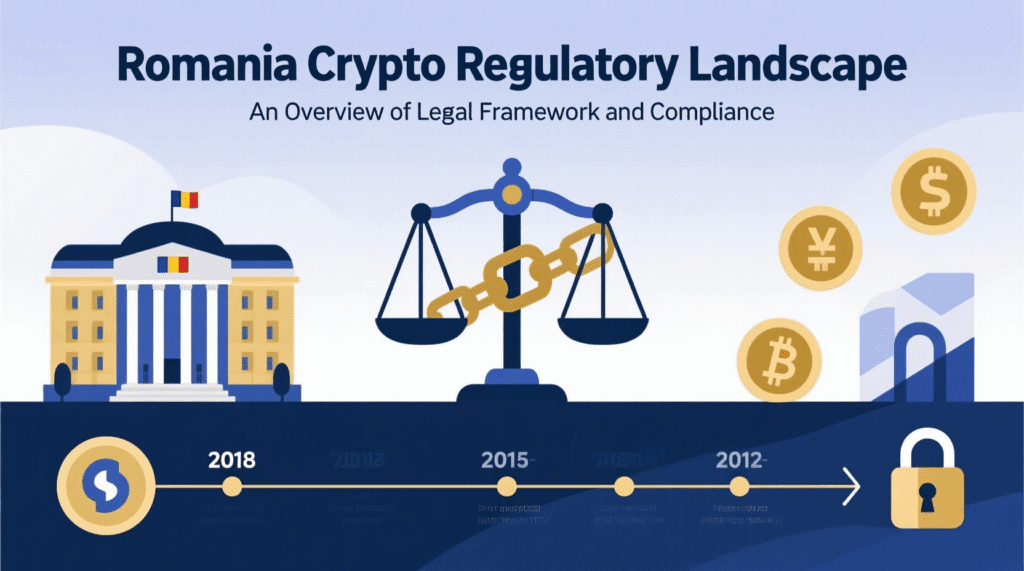
MiCA Implementation Timeline in Romania

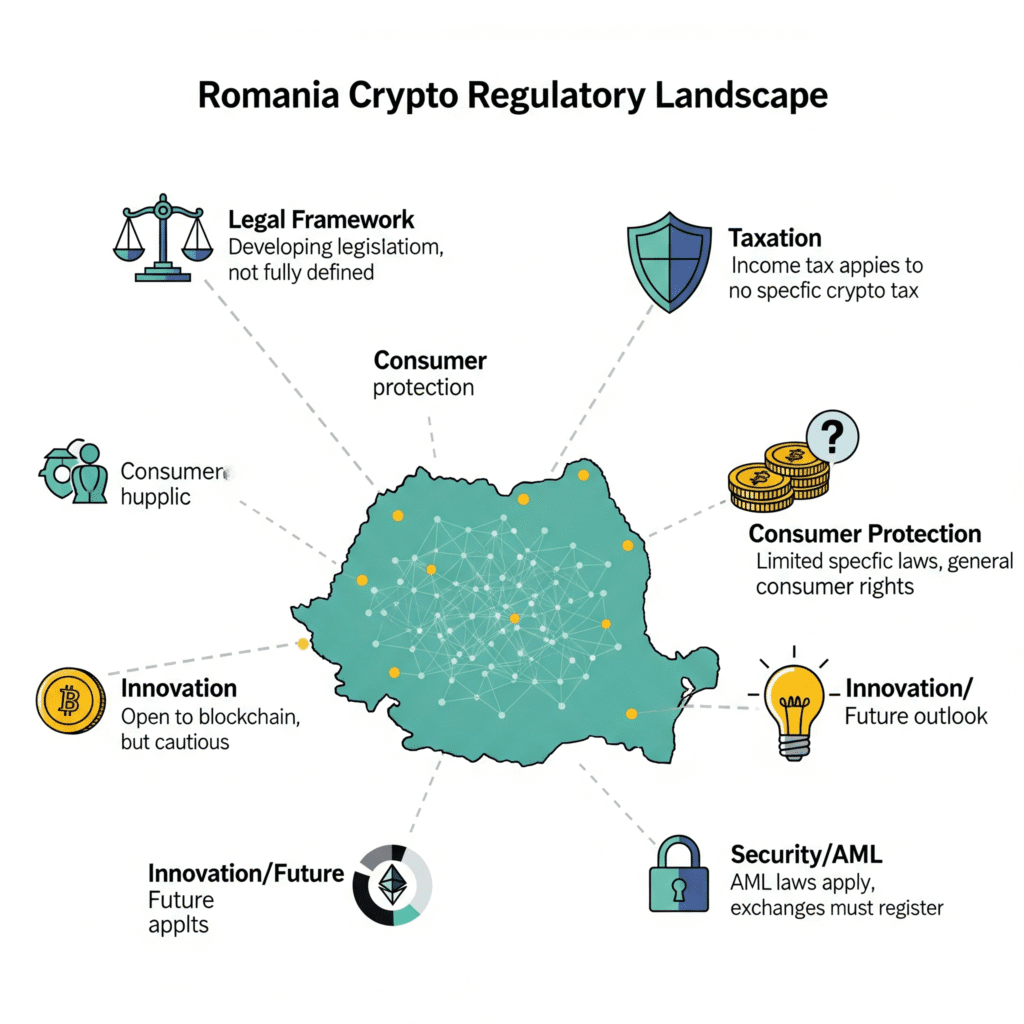
Romania Crypto Regulatory Landscape

DateMilestone
June 2024EU MiCA technical standards effective
Dec 2024Romanian guidance published
July 2026Deadline for CASPs to comply fully with MiCA

📊 Visual Timeline (Chart)

  • 2024 H1: EU-level guidance → 📘
  • 2024 H2: Romania issues notices → 🏛️
  • 2026 H2: Full MiCA compliance → ✅

Romanian Company Structures for Crypto Firms

Romanian Crypto Business Structures

Entity TypeCapital Requirement (Company Law)GovernanceBest Use CaseRegulatory Capital (Indicative)
SRLLow (check current law)Simple, flexibleStartups, wallet providers, MVP platforms~€25,000–€50,000
SAHigher (check current law)Strong governanceExchanges, custodians, trading platforms~€50,000–€75,000+
BranchN/A (not separate legal entity)Parent-controlledForeign firms entering RomaniaASF/BNR may require local license

📊 Visual Comparison (Bar Chart)

  • SRL: Low setup, flexible governance 🟩
  • SA: Higher capital, strong governance 🟦
  • Branch: Depends on parent company 🟨

Capital & Financial Obligations

Digital Currency Authorization Financial Requirements


Service TypeIndicative Minimum CapitalNotes
Wallet Provider€25,000May need liquidity reserves
Exchange€50,000Segregated accounts required
Trading Platform€75,000Stronger governance expectations

📈 Capital Requirement Graph (Illustrative)

  • Wallet: ▓▓ 25k
  • Exchange: ▓▓▓▓ 50k
  • Trading Platform: ▓▓▓▓▓▓ 75k

Required Documentation

  • Articles of association & ownership structure.
  • AML/KYC policies, sanctions screening, SAR workflows.
  • IT & security policies, custody architecture, penetration tests.
  • Financial forecasts, proof of liquidity & audited accounts.
  • Fit-and-proper evidence for directors.
  • Business plan with projections.

AML & KYC Compliance Standards

RequirementDetails
Customer Due Diligence (CDD)ID verification, beneficial owner checks, sanctions & PEP screening
Enhanced Due Diligence (EDD)Source of funds, high-risk monitoring, senior approval for onboarding
Transaction MonitoringBlockchain analytics, alerts, suspicious activity reports to ONPCSB
GovernanceAML officer appointment, staff training, independent AML audits

Registration Process (Romania 2025)

StageKey ActionsDuration
Pre-applicationPrepare compliance pack (AML, IT, governance)2–6 weeks
Application SubmissionFile with ASF/BNR, pay fees1–3 weeks
Review & ClarificationsAML, governance, capital checks4–12 weeks
Inspection & InterviewsIT & operational audit4–8 weeks
Decision & AuthorizationLicense granted + reporting dutiesOngoing

📊 Visual Process Flow
➡ Pre-application → 📂 Submission → 🔎 Review → 🖥️ Inspection → ✅ License


Tax Implications for Crypto Businesses

ActivityTax TreatmentNotes
Crypto TradingCorporate income tax on profitsRecord all trades, conversions
MiningBusiness or miscellaneous incomeTrack electricity & operational costs
Staking RewardsTaxed as income when receivedMaintain timestamped logs
Salaries in CryptoSubject to payroll withholding taxAdapt payroll systems

📊 Visual Tax Map

  • Trading: 📈 Profits → taxed under corporate tax.
  • Mining: ⚡ Treated as business income.
  • Staking: 🔗 Rewards → taxable when received.
  • Payroll: 💼 Crypto salaries taxed.

Frequently Asked Questions (FAQ)

1. What is the current status of cryptocurrency regulation in Romania in 2025?


Romania is aligning with the EU Markets in Crypto-Assets (MiCA) regulation while also enforcing national AML/CFT rules.

Providers must comply with both MiCA and Romanian laws, supervised mainly by ASF, BNR, and ONPCSB.

2. What business structures are available for crypto companies in Romania?


The most common options are:

  • SRL (Limited Liability Company) – best for startups and smaller providers.

  • SA (Joint Stock Company) – suited for larger exchanges or custody platforms.

  • Branch – used by foreign firms entering Romania.

3. What are the capital requirements for a crypto license in Romania?


Indicative minimums under MiCA:

  • Wallet providers: ~€25,000

  • Exchanges: ~€50,000

  • Trading platforms: ~€75,000
    Final figures must be confirmed with ASF or the competent authority.

4. How long does the licensing process take?


On average, 3–6 months, depending on the completeness of your compliance documentation and regulator reviews.

5. Can foreign companies operate in Romania with a branch office?


Yes, but depending on ASF/BNR recognition of the parent’s license, a local authorization may still be required.

6. Are crypto salaries and rewards taxed in Romania?


Yes. Crypto salaries are subject to payroll withholding tax, while trading profits and staking rewards are taxed as business income or capital gains depending on activity type.

digital products and subscriptions Romania

Selling Digital Products and Subscriptions in Romania: Legal Steps & Compliance Tips

Selling Digital Products and Subscriptions in Romania: Legal Steps & Compliance Tips

A person sits at a desk with a laptop, looking at digital product listings.

Selling digital products and subscriptions in Romania requires careful planning and legal know-how.

Are you ready to start a digital business in Romania?

It’s a big step, but you can avoid legal issues if you follow the right procedures.

Romania’s digital market offers great opportunities for entrepreneurs.

As an EU member state, Romania strictly enforces e‑commerce and VAT regulations.

You’ll need to manage VAT correctly, protect consumers, and adhere to e‑commerce rules.

Selling digital products and subscriptions in Romania provides growth opportunities for SaaS platforms, creators, e‑learning providers, and other online businesses.

Key Takeaways

  • Understand Romania’s digital product sales regulations,

  • Comply with EU and Romanian VAT registration requirements,

  • Learn essential legal steps for Romanian e‑commerce platforms,

  • Develop strategic digital product marketing approaches,

  • Recognize consumer protection and documentation standards.

For personalized legal advice on selling digital products in Romania, email our expert team of Romanian Lawyers at office@theromanianlawyers.com.

Understanding Digital Product Sales Regulations in Romania

A stack of digital devices, like tablets and smartphones, displaying various digital products.

Starting a digital business in Romania means knowing the laws well.

If you sell eBooks or other digital goods, there are specific regulations you must follow.

These ensure a fair and safe market for everyone.

Key Legal Requirements for Digital Sellers

Digital sellers in Romania must:

  • Register for VAT if you cross the turnover threshold.

  • Apply correct VAT rates on digital product sales.

  • Classify products properly to comply with tax rules.

  • File VAT returns and maintain records as required.

Romanian E‑commerce Framework Overview

Romania enforces EU-aligned rules for digital downloads and services, which include VAT compliance and invoicing standards.

Digital Product Categories and Classifications

Digital products are grouped into categories, each with distinct tax and legal implications.

Proper classification helps avoid issues.

Main categories include:

  • Software and apps,

  • E‑books and digital publications,

  • Online courses and e-learning,

  • Digital media and streaming services.

Stay updated on legal changes and retain comprehensive records to operate smoothly.

VAT Registration and Compliance for Digital Products

A calendar marked with important tax deadlines and reminders.

Understanding VAT rules is essential for digital product sellers in Romania.

VAT Thresholds & Registration

Registration Steps

  • Register within 10 days after you exceed the turnover threshold.

  • Non‑EU businesses must appoint a fiscal (tax) representative.

Registration TypeKey RequirementsProcessing Time
Resident CompaniesLocal VAT registration if turnover > RON 300,0005–7 business days*
Non‑Resident CompaniesLocal VAT representative required~10–14 business days*
Digital Product Sellers*Provide product documentation and VAT forms~7–10 business days*

*Times are estimations for context.

VAT Returns & Reporting Deadlines

  • File VAT returns monthly or quarterly (if turnover below RON 300,000 or €88,500).

  • Return and payment deadline is the 25th of the month following the fiscal period.

Accurate record-keeping of invoices, VAT reports, and sales data is vital.

E‑Invoicing Requirements and Documentation

Romania mandates electronic invoicing (e‑invoicing) for B2B and public sector invoices via the national RO e‑Factura (RO_CIUS format) system.

  • B2B and B2G invoices must be sent within 5 working days of issuance via RO e‑Factura.

  • Since January 2025, B2C e‑invoice submissions to RO e‑Factura became mandatory (with exceptions for simplified invoices).

Invoices require digital signatures and must follow RO_CIUS XML format.

Romania also enforces SAF‑T reporting (standardized tax control file).

Non-resident taxpayers must submit SAF‑T starting January 2025.

Digital Subscription Models and Legal Framework

A group of diverse individuals discusses digital sales strategies around a table.

Subscription services in Romania must include:

This ensures trust and regulatory compliance in subscription offerings.

Payment Gateway Integration and Compliance

A close-up of a credit card being inserted into a card reader.

When integrating payment gateways in Romania, ensure:

Payment Gateway FeatureCompliance RequirementImportance Level
GDPR Data ProtectionEU regulatory complianceHigh
Anti‑Money LaunderingFinancial regulationCritical
VAT Auto‑CalculationTax complianceEssential

Select platforms compliant with both Romanian and EU regulations, and consider transaction fees, ease of use, and coverage.

Cross‑border Digital Sales and EU Regulations

A group of people discussing digital marketing strategies in a bright office.

Cross-border digital sales benefit from OSS:

  • OSS lets sellers centralize VAT registration and reporting across the EU WikipediaSovos.

  • Romania can serve as primary OSS registration country Sovos.

  • Applies to B2C digital services exceeding €10,000.

Implement strategies such as multilingual support and transparent currency pricing for effective international operations.

Digital Rights Management and Copyright Protection

O persoană stând la birou cu un laptop, analizând datele despre vânzările de produse digitale.

To protect digital content in Romania:

Protection MethodEffectivenessComplexity
Digital WatermarkingHighMedium
Content EncryptionVery HighHigh
Legal RegistrationHighLow

Keep documentation like contracts and licensing agreements for at least 10 years.

Marketing Digital Products in the Romanian Market

Un site de piață digitală afișat pe un ecran de computer.

To thrive in Romania, tailor your marketing:

Digital Marketing Channels:

  • Social media (Facebook, Instagram),

  • Local marketplaces,

  • Professional networks and Romanian ad platforms.

Comply strictly with GDPR in ads and influencer campaigns.

Marketing ChannelEffectivenessCompliance Level
Social Media AdvertisingHighStrict GDPR enforcement
Content MarketingMediumModerate regulation
Influencer PartnershipsHighRequires disclosure

Blend storytelling and creative localization with legal compliance for compelling promotion.

Conclusion

Selling digital products in Romania demands a solid grasp of legal frameworks, especially around VAT, e‑invoicing, consumer protections, and marketing.

A balanced strategy that combines compliance with innovation can help your digital venture succeed in Romania’s thriving online economy.

For tailored legal guidance, reach out to Atrium Romanian Lawyers at office@theromanianlawyers.com.


FAQ

What are the primary legal requirements for selling digital products in Romania?
Businesses must register for VAT if exceeding the threshold, use e‑invoicing, keep documentation, and follow EU consumer protection rules.

How does VAT registration work for digital product sellers?
Resident sellers register when turnover passes ~RON 300,000. Non‑resident sellers must register immediately.

Registration is done via the ANAF portal.

What digital product categories are most popular in Romania?
E‑books, online courses, software, digital design assets, and training materials are in high demand.

What is the standard VAT rate for digital products in Romania?
Typically 21%, though some categories may benefit from reduced rates (e.g., eBooks; check with a tax professional).

Are there specific e‑invoicing requirements?
Yes—B2B/B2G invoices must be sent via RO e‑Factura.

From 2025, B2C e‑invoices are also mandatory in many cases.

How do cross‑border digital sales work from Romania?
Use the EU OSS to streamline VAT collection and reporting across EU member states.

What payment gateways are recommended?
Use GDPR‑compliant platforms that support VAT auto‑calculation and meet AML standards; choose based on fees and local support.

How can creators protect their intellectual property?
Register copyrights, use DRM measures like watermarking and encryption, and keep legal records for at least 10 years.

What marketing strategies work best?
Localized content, compliant social media campaigns, influencer marketing (with disclosures), and channel-specific ads that respect GDPR.

What are the key considerations for subscription models?
Ensure clarity in terms, pricing, renewal, cancellation, and refunds, aligned with EU law for digital content.

Which platforms are good for digital product sales?
Use platforms like Shopify, WooCommerce, or specialized course LMSs that support Romanian VAT, multichannel localization, and secure delivery.

How can I automate email marketing?
Integrate with services like Mailchimp or ActiveCampaign that sync with your store, segment customers, and send follow-up or upsell campaigns.

How do I comply with VAT obligations?
Register appropriately, charge correct VAT, file returns on schedule, and maintain detailed records to mitigate risks.

How can I create standout digital products?
Offer high‑quality content tailored to Romanian needs, competitive pricing, and effective messaging—possibly via TikTok or other trending platforms.

What upselling strategies work?
Offer complementary products at checkout, use “pay‑what‑you‑want” models, or implement personalized onboarding to increase average order value.

Digital Currency Authorization Financial Requirements

Data Protection Meets AI: GDPR Compliance When Using AI in Romania

Data Protection Meets AI: GDPR Compliance When Using AI in Romania

Table of Contents

The digital transformation in Romania brings new challenges for companies using artificial intelligence.

The country’s data protection laws create a complex regulatory landscape.

This demands careful navigation from organizations.

The National Authority for Personal Data Processing and Supervision (ANSPDCP) oversees these critical requirements.

The 2024-2027 National AI Strategy, approved by the Romanian Government, sets new priorities for technology governance.

office building with 2-3 men in suits passing by

Companies must balance innovation with strict regulatory adherence.

Romania’s artificial intelligence legal framework continues to evolve, influenced by EU directives.

Professional guidance is essential for businesses seeking sustainable solutions.

For expert consultation, organizations can contact office@theromanianlawyers.com.

qualified Romanian lawyer can offer tailored strategies for successful implementation. Our team ensures full regulatory adherence.

Key Takeaways

  • Romania relies on EU frameworks while developing specific AI legislation through its 2024-2027 National Strategy,
  • ANSPDCP compliance requirements govern data protection obligations for AI implementation,
  • The EU AI Act provides legal definitions that will be applied within Romanian jurisdiction,
  • Organizations need professional legal guidance to navigate complex regulatory requirements,
  • Current data protection laws must be carefully balanced with emerging AI regulations,
  • Romanian law firms offer specialized expertise for technology compliance matters.

Romania’s Data Protection Legal Landscape for AI Technologies

The legal framework for AI in Romania blends European standards with national rules.

This setup outlines clear duties for companies using AI to process personal data.

Romanian businesses must grasp how these laws shape their AI strategies.

Three main pillars form this framework.

They include GDPR implementation, national oversight, and EU AI Act integration.

Each pillar adds vital elements to the compliance structure.

romanian dpa guidelines for AI technologies

GDPR Implementation Through Romanian Law 190/2018

Romanian Law 190/2018 is key in applying GDPR within the country.

It sets out specific rules for AI systems handling personal data in Romania.

The law details how to develop, deploy, and maintain AI applications.

The law covers critical aspects of AI compliance, such as data processing rules and individual rights.

Romanian companies must align their AI with these laws and EU standards.

They need to focus on both GDPR and national specifics.

Law 190/2018 goes beyond GDPR in automated processing systems.

It requires more transparency, human oversight, and accountability in algorithms.

Companies must document their compliance and show they meet the law’s technical and organizational standards.

ANSPDCP Authority and AI Oversight Responsibilities

The National Authority for Personal Data Processing and Supervision (ANSPDCP) oversees AI in Romania.

It has the expertise to check AI systems for compliance.

The authority offers guidance, investigates, and enforces rules across sectors.

ANSPDCP reviews data protection impact assessments and offers consultation for high-risk AI projects.

It has guidelines for AI challenges.

These help companies understand their duties and implement necessary safeguards.

The authority works with other EU data protection bodies.

This ensures consistent application of EU data privacy rules.

Romanian companies benefit from this cooperation, getting clear regulatory expectations and compliance paths.

Integration with EU AI Act Requirements

Romania is making preparations to incorporate the regulations outlined in the EU AI Act into its legal framework.

This process aligns existing data protection rules with new AI-specific ones.

It ensures smooth compliance for AI systems processing personal data.

The EU AI Act introduces risk-based classifications for AI systems, building on GDPR.

Romanian regulations will address how these classifications fit with current AI rules.

Companies must prepare for more documentation, risk assessments, and governance.

Legal advice is vital for navigating this changing landscape.

The integration requires analyzing how new AI Act provisions affect existing rules.

Early preparation and strategic planning are key for Romanian businesses as these rules come into effect.

Regulatory ComponentPrimary FunctionKey RequirementsEnforcement Authority
Romanian Law 190/2018GDPR domestic implementationData processing principles, individual rights, accountability measuresANSPDCP
ANSPDCP OversightNational supervision and guidanceDPIA review, prior consultation, investigation proceduresNational DPA
EU AI Act IntegrationAI-specific regulatory frameworkRisk classification, governance systems, documentation requirementsCoordinated EU enforcement
GDPR Article 22Automated decision-making rulesHuman involvement, transparency, individual rights protectionANSPDCP coordination

Core Principles of GDPR and AI Compliance in Romania

The intersection of artificial intelligence and data protection regulations in Romania brings specific compliance obligations under GDPR’s core principles.

These foundational requirements establish the regulatory framework that Romanian organizations must follow when implementing AI systems that process personal data.

Romanian GDPR implementation requires businesses to embed these principles into their AI development lifecycle from the initial design phase.

Organizations cannot treat compliance as an afterthought but must integrate data protection considerations into every aspect of their artificial intelligence operations.

machine learning compliance standards romania

The GDPR establishes nine core principles that apply comprehensively to AI systems processing personal data within Romanian jurisdiction.

These principles create binding obligations that extend far beyond traditional data processing scenarios to encompass the unique challenges posed by automated systems and algorithmic decision-making processes.

Lawfulness, Fairness, and Transparency in Automated Systems

Lawfulness requires Romanian organizations to establish valid legal bases before implementing AI systems that process personal data.

Organizations must identify appropriate legal grounds such as consent, legitimate interests, contractual necessity, or compliance with legal obligations before initiating any AI-driven data processing activities.

Fairness extends beyond mere legal compliance to address ethical considerations in AI system design and operation.

Romanian businesses must ensure their artificial intelligence compliance EU standards prevent discriminatory outcomes and biased algorithmic decisions that could unfairly impact individuals or specific demographic groups.

Transparency obligations demand clear communication about AI system operations and decision-making processes.

Organizations must provide individuals with understandable information about:

  • The logic involved in automated decision-making,
  • The significance and consequences of such processing,
  • The categories of personal data being processed,
  • The purposes for which data is collected and used.

Purpose Limitation and Data Minimization for AI Applications

Purpose limitation requires Romanian organizations to collect and process personal data only for specified, explicit, and legitimate purposes.

AI systems cannot repurpose data collected for one objective to serve entirely different functions without establishing new legal bases and obtaining appropriate permissions.

Data minimization mandates that organizations limit data collection to what is directly relevant and necessary for their stated AI purposes.

This principle challenges traditional machine learning approaches that often rely on extensive data collection, requiring Romanian businesses to adopt more targeted data acquisition strategies.

Romanian GDPR implementation emphasizes that organizations must regularly review their AI systems to ensure continued compliance with purpose limitation requirements.

Any expansion of AI system functionality must undergo thorough assessment to verify alignment with original data collection purposes.

Accuracy and Storage Limitation in Machine Learning

Accuracy requirements mandate that personal data processed by AI systems remains correct and current.

Romanian organizations must implement technical and organizational measures to identify and rectify inaccurate data that could lead to erroneous automated decisions or unfair individual treatment.

Machine learning compliance standards require organizations to establish data quality management processes that include:

  1. Regular data validation and verification procedures,
  2. Automated error detection and correction mechanisms,
  3. Clear protocols for handling data accuracy complaints,
  4. Systematic review of training data quality.

Storage limitation principles impose temporal boundaries on data retention within AI systems.

Romanian businesses must establish clear data retention schedules that specify how long personal data will be maintained for AI training, operation, and improvement purposes.

Organizations must implement automated deletion processes that remove personal data when retention periods expire or when the data is no longer necessary for the original AI system purposes.

This requirement presents particular challenges for machine learning systems that rely on historical data patterns for ongoing algorithmic improvement.

The integration of these core principles into AI system architecture requires thorough planning and ongoing monitoring.

Romanian organizations must adopt privacy-by-design approaches that embed compliance considerations into every stage of AI development, deployment, and maintenance to ensure sustained adherence to data protection regulations in Romania.

Automated Decision-Making and Profiling Regulations

Article 22 of the GDPR sets strict limits on automated decision-making, impacting AI in Romania.

It outlines a detailed framework for using artificial intelligence in decision-making processes affecting individuals.

The framework emphasizes the importance of individual rights and procedural safeguards.

In Romania, automated decision-making means any process where technology makes decisions without human input.

This includes AI systems used for credit scoring, employment screening, insurance assessments, and content moderation.

Article 22 GDPR Requirements for AI Systems

The GDPR bans automated decision-making that has legal effects or significant impacts on individuals, unless certain conditions are met.

Organizations using AI systems must comply with these restrictions under Romanian data privacy laws.

This ban applies to AI applications across various sectors.

There are three exceptions to this ban.

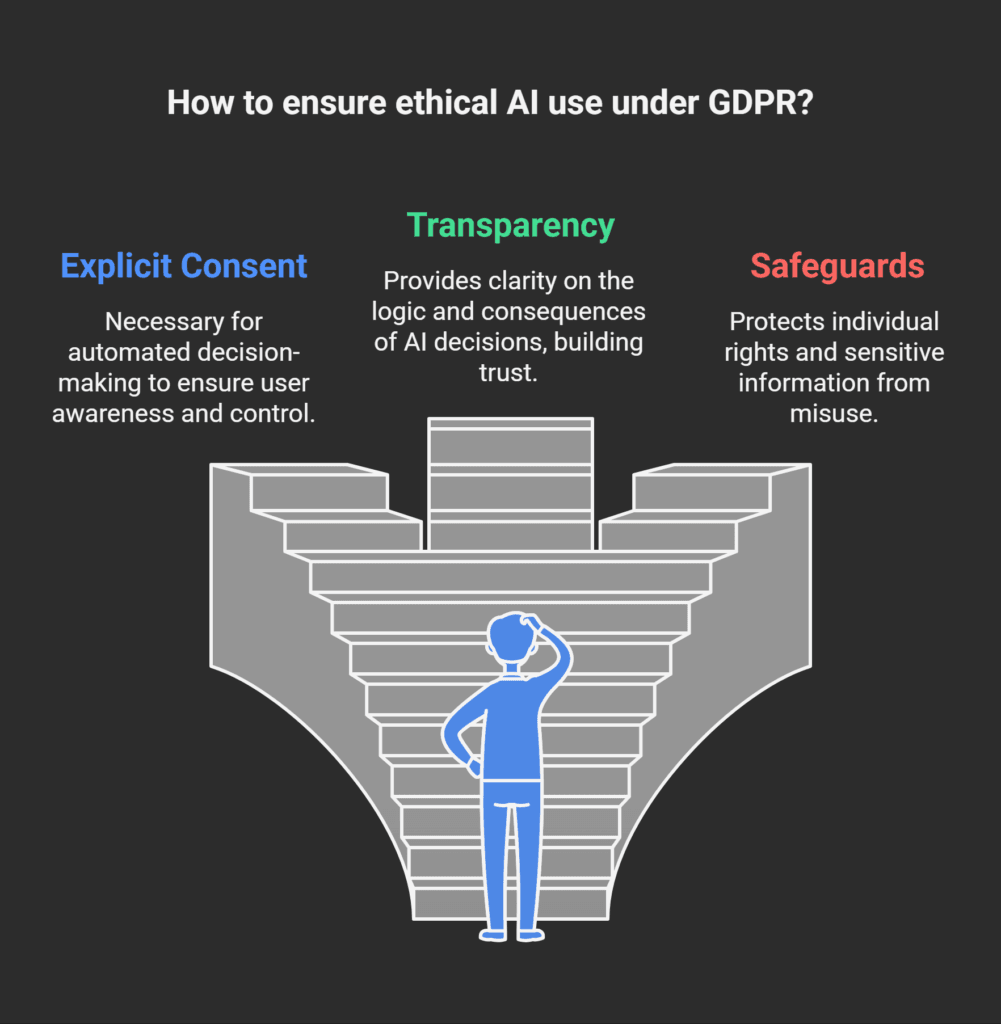
First, organizations can use automated decision-making with explicit consent from the data subject.

Second, it’s allowed when necessary for contract performance between the organization and individual.

Third, applicable law may permit automated decision-making with appropriate safeguards.

Organizations must implement robust protection measures and maintain transparency about their systems.

The GDPR enforcement for AI systems requires strict adherence to these exceptions.

AI governance Romania automated decision-making compliance

Organizations must document which legal basis applies to their automated decision-making processes.

This documentation is critical during regulatory audits and individual rights requests.

The European Data Protection Authority stresses the importance of identifying the legal basis correctly.

Meaningful Human Involvement Standards

Meaningful human involvement requires genuine oversight, not just superficial reviews.

Human reviewers must have the authority and capability to assess automated decisions and override them when necessary.

This involvement cannot be superficial or ceremonial.

Organizations must train human reviewers to understand the automated system’s logic and biases.

Reviewers need access to relevant information to evaluate system outputs.

The AI governance framework in Romania emphasizes substantive human participation.

Technical implementation of meaningful human involvement includes providing reviewers with decision explanations and relevant data inputs.

Organizations should establish clear protocols for when human intervention is mandatory.

These standards ensure that automated systems remain accountable to human oversight.

Documentation requirements extend to recording human involvement instances and decision modifications.

Organizations must maintain records showing that human reviewers actively participated in the decision-making process.

Individual Rights Against Automated Processing

Individuals have specific rights when subject to automated decision-making processes under Romanian data privacy laws.

These rights include obtaining human intervention in automated decisions, expressing personal viewpoints about the decision, and contesting automated outcomes that affect their interests significantly.

The right to human intervention requires organizations to provide accessible channels for individuals to request human review of automated decisions.

Organizations must respond to these requests promptly and provide meaningful human evaluation of the contested decision.

This right extends beyond simple complaint mechanisms.

Individuals can express their viewpoints about automated decisions, requiring organizations to consider these perspectives during human review processes.

This right ensures that automated systems account for individual circumstances that algorithms might not properly evaluate.

The GDPR enforcement for AI systems mandates genuine consideration of individual input.

Organizations must establish robust procedures for handling individual rights requests related to automated processing.

These procedures should include clear timelines, communication protocols, and decision modification processes.

The AI ethics legal framework requires transparent and accessible rights enforcement mechanisms that protect individuals from inappropriate automated decision-making.

Legal Bases for AI Data Processing in Romania

Choosing the right legal bases for AI applications is a critical step in Romania’s data protection law.

Organizations must find valid legal grounds before processing personal data through AI systems.

This choice affects individual rights, data retention, and transfer mechanisms throughout the AI lifecycle.

Romanian personal data processing regulations require identifying one of six legal bases under GDPR Article 6.

Each basis has specific requirements and limitations that impact AI system design and operation.

Professional legal analysis is essential for determining the most suitable legal foundation for specific AI processing activities.

romania ai governance legal bases

The six legal bases include consent, contract performance, legal obligation compliance, vital interests protection, public task execution, and legitimate interests pursuit.

Organizations must carefully evaluate which basis aligns with their AI processing purposes and operational requirements.

This decision influences data subject rights, processing limitations, and overall compliance obligations.

Consent Mechanisms for AI Training Data

Consent is one of the most transparent legal bases for AI data processing activities.

Obtaining valid consent for AI training data presents unique challenges under Romanian GDPR standards.

Organizations must ensure that consent meets four key criteria: freely given, specific, informed, and unambiguous.

AI training datasets often contain vast amounts of personal information collected from multiple sources.

This complexity makes it difficult to provide specific information about processing purposes.

Organizations must clearly explain how personal data will be used in machine learning algorithms and model training processes.

The following requirements apply to consent mechanisms for AI applications:

  • Clear explanation of AI processing purposes and methodologies,
  • Specific information about data usage in training and inference stages,
  • Easy withdrawal mechanisms without negative consequences,
  • Regular consent renewal for ongoing processing activities,
  • Documentation of consent collection and management processes.

Individuals must understand the implications of their consent decision.

This includes information about automated decision-making capabilities and profiling activities.

Organizations should provide simple, accessible language that explains complex AI processes in understandable terms.

Consent withdrawal mechanisms must be as easy as the original consent process.

Organizations cannot make service access conditional on consent for AI processing unless absolutely necessary for service provision.

This requirement often complicates business models that rely heavily on data-driven personalization.

Legitimate Interest Assessments

Legitimate interest provides an alternative legal basis that offers greater flexibility for AI implementations.

This basis requires a three-part assessment that balances organizational interests against individual privacy rights.

Romanian organizations must conduct thorough legitimate interest assessments before relying on this legal foundation.

The three-part test examines purpose necessity, processing effectiveness, and proportionality of privacy impact.

Organizations must demonstrate that their AI processing serves genuine business interests that cannot be achieved through less intrusive means.

This analysis requires detailed documentation and regular review processes.

Key considerations for legitimate interest assessments include:

  1. Business necessity evaluation for AI processing activities,
  2. Assessment of alternative processing methods and their effectiveness,
  3. Analysis of individual privacy expectations and possible harm,
  4. Evaluation of existing safeguards and mitigation measures,
  5. Documentation of balancing test results and decision rationale.

Organizations must consider reasonable expectations of data subjects when conducting these assessments.

Individuals should not be surprised by AI processing activities based on the context of data collection.

Transparent privacy notices help establish appropriate expectations and support legitimate interest claims.

The proportionality analysis requires careful consideration of possible adverse effects from AI processing.

This includes risks from automated decision-making, profiling activities, and possible discrimination or bias.

Organizations should implement appropriate safeguards to minimize these risks and protect individual rights.

GDPR implementation for machine learning often relies on legitimate interest assessments for research and development activities.

Organizations must ensure that processing remains within the scope of their assessed legitimate interests and does not expand beyond documented purposes.

Public Task and Vital Interest Applications

Public task and vital interest legal bases serve specific governmental and essential service applications in AI implementations.

These bases support critical infrastructure systems, emergency response mechanisms, and public safety applications.

Romanian AI ethics standards recognize the importance of these applications while maintaining strict compliance requirements.

Public task applications must be based on legal obligations or official authority vested in the data controller.

This includes government agencies implementing AI systems for administrative efficiency or public service delivery.

Organizations must demonstrate clear legal mandates for their AI processing activities under this basis.

Vital interest applications address life-threatening situations where AI systems provide critical support.

Healthcare emergency response systems and disaster management applications often rely on this legal basis.

Organizations cannot use vital interests as a general justification for AI processing without demonstrating genuine emergency circumstances.

The Romanian data protection authority provides guidance on appropriate applications of these legal bases.

Organizations should consult official guidance and seek legal advice when determining whether their AI systems qualify for public task or vital interest justifications.

Documentation requirements for these legal bases include:

  • Legal mandates or official authority supporting public task claims,
  • Emergency circumstances justifying vital interest processing,
  • Scope limitations ensuring processing remains proportionate,
  • Regular review processes for continued necessity,
  • Safeguards protecting individual rights and freedoms.

Organizations must ensure that AI processing under these bases remains strictly necessary for the stated purposes.

Scope creep beyond original justifications can invalidate the legal basis and create compliance violations.

Regular legal review helps maintain appropriate boundaries and compliance standards.

Special Category Data and AI Applications

In Romania, processing sensitive personal information through AI applications demands enhanced legal safeguards.

Special category personal data under GDPR includes racial or ethnic origin, political opinions, religious beliefs, genetic data, biometric identifiers, health information, and data about sexual orientation.

These data types require additional protection measures beyond standard personal data processing requirements.

Organizations implementing AI systems must establish specific legal justifications for processing special category data.

The heightened protection requirements reflect the increased risks to individual privacy and fundamental rights.

Romanian privacy laws mandate that companies demonstrate both necessity and proportionality when processing sensitive information through automated systems.

AI governance in Romania special category data protection

Biometric Data Processing Requirements

Biometric data processing in AI systems faces strict regulatory controls under EU GDPR implementation Romania.

Facial recognition, fingerprint analysis, voice identification, and behavioral biometrics all qualify as special category data requiring enhanced protection.

Organizations must establish explicit legal bases before implementing biometric AI technologies.

Technical safeguards for biometric processing include encryption during transmission and storage.

Access controls must limit biometric data availability to authorized personnel only.

Regular security assessments help maintain protection standards throughout the data lifecycle.

Biometric template storage presents particular challenges for Anspdcp compliance.

Organizations should implement irreversible hashing techniques where possible.

Data retention periods must align with processing purposes, with automatic deletion mechanisms ensuring compliance with storage limitation principles.

Health Data in AI Healthcare Solutions

Healthcare AI systems processing patient information must navigate complex regulatory requirements.

Medical data enjoys special protection status, requiring careful balance between innovation benefits and privacy protection.

Healthcare providers implementing AI diagnostic tools must ensure patient consent mechanisms meet enhanced standards.

AI-powered medical research applications often qualify for public interest derogations.

Organizations must implement appropriate safeguards protecting patient rights.

Pseudonymization techniques help reduce privacy risks while enabling beneficial medical research outcomes.

  • Patient consent documentation requirements,
  • Medical professional oversight obligations,
  • Research ethics committee approvals,
  • Data sharing agreements with research partners.

Cross-border health data transfers require additional scrutiny under ai ethics framework Romania.

International medical AI collaborations must establish adequate protection levels for Romanian patient information.

Explicit Consent and Derogations

Explicit consent for special category data processing requires clear, specific agreement from data subjects.

Consent mechanisms must explain AI processing purposes, data types involved, and possible risks.

Pre-ticked boxes or implied consent do not satisfy explicit consent requirements for sensitive data categories.

Consent withdrawal procedures must remain accessible throughout the processing lifecycle.

Organizations should implement user-friendly mechanisms allowing individuals to revoke consent easily.

Withdrawal must not affect processing legality before consent removal.

Derogation TypeApplication ScopeAdditional Safeguards Required
Substantial Public InterestLaw enforcement AI, fraud detectionProportionality assessment, impact evaluation
Medical DiagnosisHealthcare AI diagnosticsMedical professional oversight, patient information
Preventive MedicinePublic health monitoring AIAnonymization techniques, limited access controls

Derogations from explicit consent requirements exist for specific circumstances under Romanian privacy laws.

Public interest applications, medical treatment purposes, and preventive healthcare activities may qualify for alternative legal bases.

Organizations must carefully evaluate whether their AI processing activities meet derogation criteria and implement appropriate additional safeguards.

Regular compliance reviews help ensure ongoing adherence to special category data requirements.

Legal counsel should evaluate AI system changes affecting sensitive data processing.

Documentation requirements extend beyond standard processing records to include derogation justifications and safeguard implementations.

Data Controller and Processor Obligations

In Romania, the roles of data controllers and processors are key to AI compliance.

Companies must set up clear legal frameworks.

These frameworks define roles, ensure accountability, and uphold data protection laws in AI development.

AI projects often involve many stakeholders with different data control levels.

This complexity demands precise legal documents and clear contracts.

Such agreements are essential for meeting privacy laws for AI systems in Romania.

Joint Controllership in AI Ecosystems

When multiple organizations work together on AI data processing, joint controllership arises.

They need detailed agreements outlining each party’s GDPR responsibilities in Romania.

Joint controllers must have clear procedures for handling data subject rights.

They must decide who will handle individual requests and how information will be shared.

Liability in AI joint controllership is complex.

Partners must agree on who is responsible for data breaches, violations, and penalties.

They need to address technical failures, biases, and security incidents in their agreements.

Processor Agreements for AI Service Providers

AI service providers must have thorough agreements that cover AI’s technical aspects.

These contracts should detail security measures, audit rights, and breach notification procedures specific to AI.

Agreements with processors should include sub-processor authorization clauses.

They must outline data retention, deletion, and return procedures upon contract end.

Cross-border data transfer clauses are critical in AI processor agreements.

Providers must show they comply with adequacy decisions or use standard contractual clauses for data outside the European Economic Area.

Accountability Documentation Requirements

Organizations must keep detailed records showing GDPR compliance in AI systems.

This includes records of AI processing activities and their data protection implications.

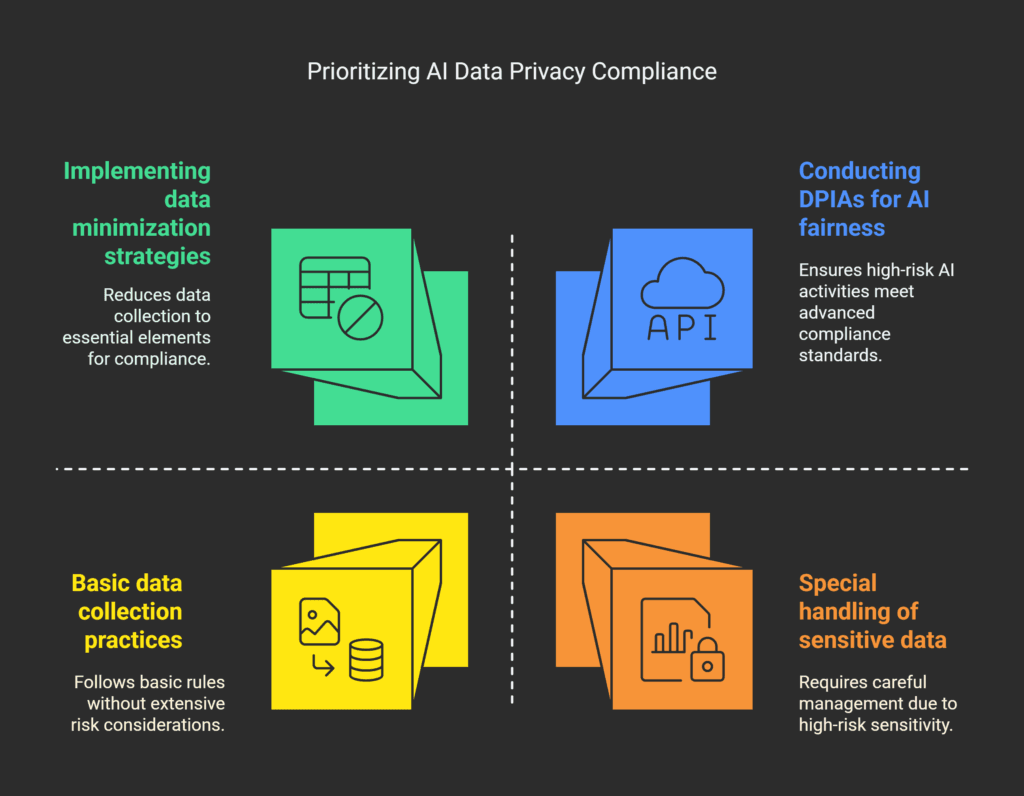
Data protection impact assessments are required for high-risk AI activities.

Companies must document risk assessments, mitigation steps, and ongoing monitoring to meet AI ethics standards in Romania.

Record-keeping includes privacy policies, consent records, and evidence of security measures.

These records must reflect AI’s unique characteristics and provide audit trails for inspections.

Responsibility AreaData Controller ObligationsData Processor ObligationsJoint Controller Requirements
Purpose DeterminationDefine AI processing purposes and legal basisProcess only according to controller instructionsJointly determine purposes through formal agreement
Data Subject RightsRespond to all individual rights requestsAssist controller with rights fulfillmentDesignate point of contact and response procedures
Security MeasuresImplement appropriate technical safeguardsMaintain security throughout processing lifecycleCoordinate security standards across organizations
Breach NotificationNotify authorities within 72 hoursAlert controller without undue delayEstablish notification protocols and responsibilities

Compliance records must show ongoing adherence to data minimization in AI training and deployment.

Companies should document how they limit data collection and implement retention policies suitable for AI.

Cross-Border Data Transfers and AI Systems

Organizations deploying AI systems internationally face complex data protection requirements.

The intersection of artificial intelligence and international data flows creates unique compliance challenges.

These challenges require specialized legal analysis under Romanian privacy legislation.

Cross-border AI implementations involve multiple layers of regulatory oversight.

These systems process vast amounts of personal data across different countries with varying protection standards.

Romanian organizations must ensure their data protection laws extend seamlessly to international AI operations.

The complexity increases when AI systems operate in real-time across multiple jurisdictions.

Data flows continuously between servers, processing centers, and analytical platforms located in different countries.

Each transfer point represents a compliance risk that organizations must address through appropriate safeguards.

Third Country AI Service Provider Compliance

Third country AI service providers present distinct compliance challenges for Romanian organizations.

These providers often operate under different legal frameworks that may not provide equivalent protection to GDPR standards.

Companies must conduct thorough due diligence assessments before engaging international AI vendors.

The evaluation process involves analyzing the provider’s data protection practices, security measures, and legal obligations in their home jurisdiction.

Romanian ai governance requires organizations to verify that third country providers implement adequate technical and organizational measures.

This assessment must consider government access to data and surveillance programs that could compromise personal data protection.

“The adequacy of protection must be assessed in light of all the circumstances surrounding a data transfer operation or set of data transfer operations.”

European Court of Justice, Schrems II ruling

Organizations must also evaluate the provider’s ability to comply with individual rights requests.

AI service providers must demonstrate capacity to facilitate access, rectification, and erasure rights across their international operations.

This capability becomes complex when AI systems process data through multiple interconnected platforms.

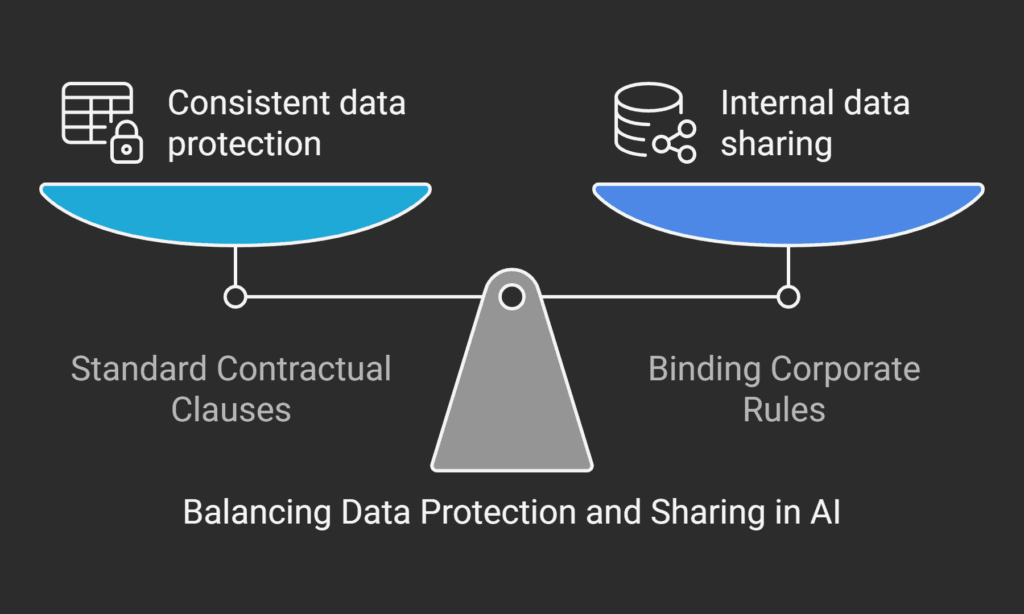
Standard Contractual Clauses Implementation

Standard Contractual Clauses serve as the primary mechanism for legitimizing AI data transfers to third countries.

These clauses must be carefully adapted to address the specific characteristics of artificial intelligence processing activities.

The implementation requires detailed consideration of AI system architectures and data processing flows.

Organizations must ensure that Standard Contractual Clauses accurately reflect their AI processing activities.

The clauses should specify data categories, processing purposes, and retention periods relevant to machine learning operations.

Technical measures for protecting transferred data must align with AI system requirements and capabilities.

The Romania artificial intelligence regulations framework requires organizations to supplement Standard Contractual Clauses with additional safeguards when necessary.

These supplementary measures may include encryption, pseudonymization, or access controls designed for AI environments.

Regular monitoring and review processes ensure ongoing compliance with contractual obligations.

Adequacy Decisions and Transfer Impact Assessments

European Commission adequacy decisions provide the foundation for unrestricted data transfers to approved countries.

Most AI service providers operate in countries without adequacy decisions, requiring alternative transfer mechanisms.

Organizations must stay informed about evolving adequacy determinations that may affect their AI operations.

Transfer Impact Assessments represent a critical compliance tool for AI data transfers.

These assessments evaluate specific risks associated with transferring personal data for AI processing purposes.

The data protection impact assessment Romania methodology must consider unique factors affecting artificial intelligence systems.

The assessment process examines government surveillance capabilities, data localization requirements, and available technical protections in the destination country.

Organizations must evaluate whether proposed safeguards provide effective protection for AI-processed data.

This analysis includes reviewing the enforceability of data protection rights and the independence of supervisory authorities.

Romanian privacy legislation requires organizations to document their transfer impact assessments and update them regularly.

Changes in political conditions, legal frameworks, or technical capabilities may necessitate reassessment of transfer arrangements.

Organizations must maintain evidence demonstrating ongoing compliance with transfer requirements throughout their AI system lifecycle.

Data Protection Impact Assessment for AI Projects

The use of artificial intelligence systems in Romania triggers the need for Data Protection Impact Assessments.

These assessments are critical for compliance, going beyond traditional privacy evaluations.

AI systems require a detailed risk analysis, addressing both established privacy concerns and new challenges.

Seeking professional legal advice is essential for thorough data protection impact assessments.

Romanian organizations must integrate DPIA processes into their AI development lifecycle.

This ensures compliance with GDPR standards and demonstrates a commitment to privacy protection.

Mandatory DPIA Triggers for AI Systems

GDPR Article 35 outlines clear triggers for Data Protection Impact Assessments.

These triggers include processing activities that pose high risks to individual rights and freedoms.

Organizations must evaluate their AI implementations against these triggers to determine if a DPIA is required.

Automated decision-making with legal or significant effects is a primary trigger.

This includes credit scoring, employment screening, and healthcare diagnostic applications.

The GDPR requires DPIAs for AI systems that make decisions affecting individual rights or legal status.

AI-powered surveillance systems also require DPIAs.

This includes video analytics, facial recognition, and behavioral monitoring technologies.

Large-scale processing of special category personal data through AI applications also necessitates DPIA completion before deployment.

Risk Assessment Methodologies and Mitigation

Risk assessment methodologies for AI systems must address traditional privacy risks and new challenges from machine learning.

Organizations implementing automated decision-making solutions must evaluate algorithmic bias, data accuracy, security vulnerabilities, and function creep.

These assessments require expertise from legal, technical, and ethical fields.

Comprehensive risk profiles must identify specific privacy threats associated with AI system operations.

Data quality risks arise from training datasets with inaccurate or biased information.

Security risks include unauthorized access, data poisoning attacks, and inference attacks revealing sensitive information about training data subjects.

Mitigation strategies must address identified risks through technical and organizational measures.

Technical safeguards include differential privacy, federated learning, and robust access controls.

Organizational measures include staff training, algorithm audits, and governance frameworks.

The AI compliance framework in Romania requires documenting these measures and monitoring their effectiveness.

Risk mitigation must also consider AI ethics in Romania.

Organizations should implement fairness testing, transparency mechanisms, and accountability measures.

These ethical considerations strengthen risk management and demonstrate responsible AI development.

Prior Consultation with ANSPDCP Procedures

Prior consultation with ANSPDCP is necessary when DPIAs identify high residual risks.

This consultation process requires detailed documentation of processing activities, risk assessment findings, proposed mitigation measures, and justifications for proceeding with high-risk AI implementations.

Organizations must prepare thorough consultation packages.

These packages should demonstrate consideration of privacy implications and commitment to implementing recommended safeguards.

The documentation should include technical specifications, data flow diagrams, risk assessment matrices, and proposed monitoring mechanisms.

ANSPDCP evaluates these submissions to determine if additional safeguards are necessary or if processing can proceed as planned.

The consultation timeline is typically eight weeks from submission of complete documentation.

Organizations cannot deploy AI systems requiring prior consultation until receiving ANSPDCP approval or recommendations.

This ensures that high-risk AI implementations receive appropriate regulatory oversight and incorporate necessary privacy protections.

Privacy by Design and Security Measures

Creating robust privacy safeguards in AI systems demands a holistic approach.

Organizations must embed protection mechanisms from the outset to the deployment phase.

This proactive stance ensures they meet Romanian data protection laws and establish strong security bases.

GDPR Article 25 mandates privacy by design and default.

These mandates go beyond mere compliance, influencing system architecture.

Romanian firms must show that data protection guides AI development and deployment fully.

“Data protection by design and by default requires that appropriate technical and organizational measures are implemented in such a manner that processing will meet the requirements of this Regulation and protect the rights of data subjects.”

GDPR Article 25

Technical Safeguards in AI Development

Technical safeguards are the core of compliant AI systems.

Data minimization limits personal data to what’s necessary for processing.

This prevents excessive data that could breach Romanian data security rules.

Pseudonymization and anonymization lower identification risks in machine learning.

Advanced encryption safeguards data during training and use.

Access controls limit data to authorized personnel and processes.

Secure data storage meets AI-specific needs.

Version control tracks data and model changes.

Audit trails document data access and processing for compliance checks.

Organizational Measures and Data Governance

Organizational measures are key to privacy in AI.

Clear roles and responsibilities are essential for data handling in AI projects.

Staff training on Romanian AI regulations is also vital.

Data governance frameworks set policies and procedures.

Compliance audits ensure ongoing adherence to laws.

Incident response plans handle privacy breaches and vulnerabilities.

Documentation is critical for accountability.

Organizations must keep detailed records of AI system design and privacy measures.

These records help with regulatory inspections and internal checks.

  • Staff training on data privacy Romania requirements,
  • Incident response protocols for AI systems,
  • Regular compliance monitoring and assessment,
  • Clear data handling procedures and responsibilities.

Security by Default Implementation

Security by default ensures AI systems apply maximum privacy settings automatically.

This approach eliminates the need for user configuration or technical expertise.

Default settings must protect data without hindering system performance.

GDPR Article 25 mandates default privacy settings that prioritize data subject rights.

Organizations cannot rely on users or administrators for privacy settings.

Automated privacy controls reduce human error in deploying protection mechanisms.

System updates must enhance privacy safeguards.

Configuration management prevents unauthorized security setting changes.

Protection LayerImplementation MethodCompliance Benefit
Data EncryptionEnd-to-end encryption protocolsConfidentiality protection
Access ControlsRole-based authentication systemsUnauthorized access prevention
Data MinimizationAutomated filtering mechanismsPurpose limitation compliance
Audit LoggingComprehensive activity trackingAccountability demonstration

Privacy by design and security measures need continuous improvement.

Organizations must regularly evaluate protection effectiveness and adapt to new threats.

This ongoing effort ensures compliance with Romanian data protection laws and emerging regulations.

Individual Rights in AI-Driven Environments

Romanian GDPR enforcement mandates that AI systems uphold fundamental data protection rights.

Organizations must deploy artificial intelligence with frameworks that safeguard data subject autonomy.

The legal framework for machine learning outlines clear obligations for protecting individual rights in automated environments.

Data subjects retain all GDPR rights when their personal information is processed by AI, regardless of system complexity.

These rights necessitate technical solutions that can locate, modify, or remove personal data from AI systems.

Organizations must strike a balance between algorithmic efficiency and individual privacy through carefully designed mechanisms.

Right to Explanation and Algorithmic Transparency

The right to explanation is a significant challenge in AI compliance under Romanian data protection law.

Individuals have the right to obtain meaningful information about automated decision-making logic that affects their interests.

This requirement goes beyond simple system descriptions, demanding specific explanations for individual automated decisions.

Organizations must provide clear, understandable explanations that enable data subjects to comprehend AI system operations.

These explanations should detail how personal data influences automated decisions without revealing proprietary algorithms.

Transparency measures must balance individual understanding with trade secret protection.

The explanation requirement encompasses both general AI system information and specific decision rationales.

Organizations must develop documentation that explains algorithmic logic in accessible language.

Technical complexity cannot excuse inadequate transparency when individual rights are at stake.

Access, Rectification, and Erasure Rights

Access rights in AI environments require organizations to provide detailed information about personal data processing activities.

Data subjects can request details about AI training datasets, processing purposes, and automated decision outcomes.

Organizations must implement systems that can locate personal data across distributed AI architectures and training datasets.

Rectification rights present significant technical challenges within machine learning systems where personal data may be embedded in trained models.

Organizations must develop mechanisms to correct inaccurate personal data without compromising system integrity.

The machine learning legal framework requires effective correction procedures that maintain AI system performance while ensuring data accuracy.

Erasure rights, commonly known as the “right to be forgotten,” require sophisticated technical implementations in AI contexts.

Personal data deletion must extend beyond primary datasets to include derived data and model parameters.

Organizations must implement data lineage systems that track personal information throughout AI processing pipelines.

  • Complete data mapping across AI system components,
  • Technical deletion mechanisms for embedded personal data,
  • Verification procedures for successful data removal,
  • Documentation of erasure implementation methods.

Data Portability in Machine Learning Contexts

Data portability rights enable individuals to receive their personal data in structured, commonly used formats.

In AI environments, determining portable data scope requires careful consideration of what constitutes personal data versus derived insights.

Organizations must distinguish between original personal data and AI-generated profiles or recommendations.

Cross-border data transfers complicate portability implementations when AI systems operate across multiple jurisdictions.

Organizations must ensure that portable data formats remain meaningful when transferred between different AI service providers.

Technical standards for data portability must preserve utility while protecting privacy interests.

Automated processing safeguards require that portable data includes relevant metadata about AI processing activities.

Data subjects should receive information about how their data contributed to automated decisions.

Biometric data protection considerations apply when AI systems process unique biological characteristics that require specialized portability measures.

Right CategoryAI Implementation ChallengeTechnical Solution
ExplanationComplex algorithm transparencyInterpretable AI models and decision logs
AccessDistributed data locationComprehensive data mapping systems
RectificationEmbedded model correctionsModel retraining and update procedures
ErasureComplete data removalData lineage tracking and deletion verification
PortabilityMeaningful data format transferStandardized export formats and metadata inclusion

Organizations must establish clear procedures for rights fulfillment that account for AI system complexity while meeting legal obligations.

Regular testing and validation of rights implementation mechanisms ensure continued compliance as AI systems evolve.

The integration of individual rights protection into AI development lifecycles represents essential compliance architecture for Romanian organizations.

Sector-Specific Compliance Challenges

Industry-specific AI applications face unique regulatory hurdles, going beyond the standard GDPR rules.

Companies must navigate a complex legal landscape.

This landscape combines general data protection rules with specific sector regulations.

Understanding both Romanian data protection laws and industry-specific legal requirements is essential.

Different sectors encounter varying levels of regulatory complexity with AI.

Healthcare must comply with medical device and privacy laws.

Financial sectors deal with consumer protection laws that overlap with data privacy.

Employment sectors balance worker rights with automated decision-making.

Healthcare AI and Medical Data Processing

Healthcare AI systems are subject to strict regulations.

These regulations combine medical device compliance with data protection.

Companies developing healthcare AI must adhere to clinical evidence standards and protect sensitive health data.

They need robust consent mechanisms for both medical treatment and data processing.

Medical AI applications must have detailed audit trails for accountability.

Healthcare providers must ensure data accuracy for medical decisions while following patient safety standards.

The integration of AI legal requirements with healthcare regulations is complex, needing specialized legal knowledge.

Clinical trial data processing adds challenges for healthcare AI.

Companies must balance research goals with patient privacy rights.

This requires compliance with medical research regulations, going beyond GDPR.

Financial Services and Credit Decision AI

Financial institutions using AI for credit decisions face multiple regulations.

Consumer credit protection laws and data protection intersect, creating complex compliance.

These systems must ensure fair lending and prevent algorithmic bias.

Credit decision AI needs transparency to meet consumer rights and regulatory oversight.

Financial organizations must document automated decision-making processes and protect customer financial data.

Implementing Anspdcp compliance in finance requires attention to anti-discrimination principles.

Prudential regulations add complexity to financial AI.

Banks and financial institutions must ensure AI systems comply with risk management and operational resilience.

This requires governance frameworks addressing data protection and financial stability.

Employment AI Tools and Worker Rights

Employment AI systems face emerging compliance challenges.

These challenges intersect data protection law with labor regulations.

Organizations must respect worker dignity and provide transparency in automated employment decisions.

They must consider collective bargaining and employee monitoring regulations.

Worker privacy rights are critical for employment AI.

Companies must balance business interests with employee privacy expectations. Compliance with labor law is essential.

The deployment of machine learning GDPR in employment requires attention to non-discrimination and worker consultation.

Employee evaluation AI systems must ensure fairness and transparency.

Organizations must provide meaningful human involvement in automated decisions.

The integration of EU data privacy law with employment regulations requires ongoing legal assessment.

Recent Regulatory Developments

The regulatory landscape for AI compliance continues evolving rapidly.

The European Data Protection Board’s Opinion 28/2024 on AI model development addresses critical questions about data minimization in training datasets, individual rights in AI systems, and cross-border data transfers for AI purposes.

Recent CJEU clarifications on automated decision-making rights provide important guidance on balancing GDPR transparency requirements with legitimate trade secret protection.

These developments emphasize the importance of staying current with evolving guidance as Romanian organizations implement AI systems under GDPR requirements.

Conclusion

The blend of artificial intelligence and data protection brings forth complex compliance duties under Romanian law.

Companies must navigate through GDPR implementation Romania rules.

They also need to prepare for new regulatory frameworks on automated decision-making GDPR applications.

Personal data processing ai Romania necessitates thorough risk assessment strategies.

The European Data Protection Board Opinion 28/2024 highlights the need for proactive AI governance.

It calls for organizations to implement strong technical and organizational measures from design to deployment.

The Romanian AI governance framework is rapidly evolving.

Companies using AI technologies face increasing pressure from GDPR enforcement for technology companies Romania.

This makes professional legal advice critical for maintaining compliance programs.

Automated decision-making Romanian regulations demand a blend of legal and technical expertise.

Organizations must invest in frameworks that uphold privacy by design, protect individual rights, and monitor regulations continuously.

Non-compliance can lead to more than just financial penalties.

It can also cause reputational damage and disrupt operations.

Professional legal support ensures AI deployments meet their goals while adhering to all regulations and protecting privacy rights.

For detailed GDPR and AI compliance advice, companies should reach out to legal experts at office@theromanianlawyers.com.

Our team of Romanian lawyers can offer customized legal solutions tailored to Romania’s specific regulations and the upcoming EU AI Act obligations.

FAQ

What is the primary legal framework governing AI data protection in Romania?

Romania’s AI data protection is governed by the General Data Protection Regulation (GDPR).

This is implemented through Law 190/2018.

The National Authority for Personal Data Processing and Supervision (ANSPDCP) oversees compliance.

They ensure AI applications that process personal data meet the necessary standards.

How does ANSPDCP oversee AI compliance requirements in Romania?

ANSPDCP has specific responsibilities for AI systems processing personal data.

They evaluate data protection impact assessments and enforce automated decision-making regulations.

They also monitor compliance, investigate violations, and provide guidance on AI data protection matters.

What role does the EU AI Act play in Romania’s regulatory framework?

The EU AI Act is a significant development in Romania’s regulatory landscape.

It requires coordination between GDPR obligations and AI-specific requirements.

This creates a framework addressing traditional privacy concerns and new AI challenges.

What are the core GDPR principles that AI systems must comply with in Romania?

AI systems must follow lawfulness, fairness, and transparency.

They must operate under valid legal bases and avoid discriminatory outcomes.

Organizations must implement purpose limitation and data minimization principles.

How does Article 22 of GDPR affect automated decision-making in AI systems?

Article 22 prohibits solely automated decision-making with legal effects or significant impacts.

This applies to AI applications like credit scoring, employment screening, and content moderation.

What constitutes meaningful human involvement in automated decision-making?

Meaningful human involvement requires genuine oversight, not just a pro forma review.

It must be substantive, allowing human reviewers to assess and override automated decisions when necessary.

What legal bases can organizations use for AI data processing in Romania?

Organizations can use consent, legitimate interests, contract performance, or other recognized bases for AI data processing.

Consent for AI training data must meet GDPR standards.

Legitimate interest assessments must balance organizational interests against individual privacy rights.

How are biometric data processing requirements handled in AI systems?

Biometric data processing in AI systems requires enhanced protection measures and specific legal justifications.

Organizations must establish explicit legal bases and implement technical safeguards.

Biometric data must remain secure throughout its lifecycle.

What are the requirements for health data processing in AI healthcare solutions?

AI systems processing health information must comply with GDPR and sector-specific healthcare regulations.

They must navigate medical data protection requirements while enabling healthcare innovations.

Patient privacy must be protected throughout legitimate medical research and treatment.

How do joint controllership arrangements work in AI ecosystems?

Joint controllership emerges when multiple organizations collaborate in determining AI processing purposes and means.

Detailed agreements are necessary, specifying responsibilities, individual rights procedures, and liability allocation.

These arrangements address complex scenarios involving shared datasets and collaborative model training.

What must processor agreements for AI service providers include?

Processor agreements must address AI processing activities comprehensively.

They must include data security measures, sub-processor authorization procedures, data retention and deletion obligations, and assistance with data subject rights fulfillment.

These agreements require attention to cross-border data transfers and audit rights.

How do cross-border data transfers work with AI systems?

Cross-border AI data transfers require evaluating international data protection standards and transfer mechanisms.

Organizations must assess whether third country AI providers maintain adequate protection levels.

They must implement Standard Contractual Clauses adapted to specific AI processing activities and technical architectures.

When is a Data Protection Impact Assessment required for AI projects?

Mandatory DPIA triggers for AI systems include automated decision-making with legal or significant impacts, systematic monitoring of publicly accessible areas, and large-scale processing of special category personal data.

Many AI applications require DPIAs due to their inherent processing characteristics.

What risk assessment methodologies should AI systems use?

Risk assessment methodologies must address traditional privacy risks and novel challenges posed by machine learning technologies.

They must consider algorithmic bias, data accuracy issues, security vulnerabilities, and function creep.

These assessments require interdisciplinary expertise combining legal analysis, technical evaluation, and ethical considerations.

What technical safeguards must be implemented in AI development?

Technical safeguards must be embedded throughout the AI system lifecycle.

They include data minimization techniques, pseudonymization and anonymization methods, access controls, encryption protocols, secure data storage mechanisms, and robust authentication systems.

These safeguards protect personal data throughout AI processing activities.

How does privacy by design apply to AI systems?

Privacy by design requires embedding compliance considerations into AI system architecture from initial development phases.

Organizations must adopt approaches that incorporate data protection principles throughout system design.

This ensures privacy protection is built into AI systems, not added as an afterthought.

What is the right to explanation in AI systems?

The right to explanation requires organizations to provide meaningful information about automated decision-making logic.

This includes general information about AI system operations and specific explanations for individual automated decisions affecting personal interests.

It enables individuals to understand how AI systems process their data.

How do access, rectification, and erasure rights work with AI systems?

These rights require technical implementations that can locate, modify, or delete specific personal data within complex AI systems and training datasets.

Organizations must develop robust data lineage tracking systems and implement technical measures enabling effective rights fulfillment without compromising system integrity or performance.

What special considerations apply to healthcare AI compliance?

Healthcare AI must comply with GDPR requirements, medical data protection regulations, clinical trial standards, and healthcare quality assurance obligations.

These systems must implement robust consent mechanisms, ensure data accuracy for medical decision-making, and maintain detailed audit trails for clinical accountability purposes.

How do employment AI tools affect worker rights under Romanian law?

Employment AI tools present compliance challenges intersecting data protection law with employment regulations.

They require consideration of worker privacy rights, non-discrimination principles, and collective bargaining obligations.

Organizations must ensure employment AI systems respect worker dignity and maintain compliance with labor law requirements regarding employee monitoring.

What are the consequences of non-compliance with AI data protection requirements?

Non-compliance can result in significant financial penalties, reputational damage, and operational disruptions.

The complexity of requirements necessitates a thorough compliance program addressing all aspects of AI data protection from initial system design through ongoing operations.

Why is professional legal guidance important for AI compliance in Romania?

Professional legal guidance is essential for navigating complex AI compliance requirements.

It combines legal knowledge, technical understanding, and practical implementation experience.

The regulatory landscape is rapidly evolving, with new guidance documents, enforcement actions, and legislative developments regularly updating compliance requirements for AI systems processing personal data.


e-commerce Romania

Legal Requirements for E-commerce Stores in Romania

Legal Requirements for E-commerce Stores in Romania

What separates thriving online businesses from those facing legal penalties in Romania’s competitive digital market?

The answer lies in understanding and implementing non-negotiable regulatory standards.

With industry leaders like emag.ro generating $970.5 million in 2024 revenue alone, compliance isn’t optional—it’s the foundation of sustainable success.

E-commerce Stores in Romania

Romania’s top three digital retailers control 31.7% of the market, a statistic underscoring the critical role of adherence to local laws.

Legal frameworks here prioritize consumer rights, payment security, and transparent data practices.

Romanian Businesses must align with these mandates to avoid fines, build trust, and secure long-term growth.

For example, strict data protection rules require retailers to safeguard customer information rigorously.

Payment processing systems must meet EU security standards, while return policies need explicit clarity under national consumer laws.

Professional guidance from experts like office@theromanianlawyers.com ensures seamless compliance across these areas.

This article provides actionable insights into Romania’s regulatory landscape, helping businesses navigate obligations while maximizing opportunities.

From market trends to operational best practices, readers will gain the knowledge needed to operate confidently in this dynamic environment.

Key Takeaways

  • Market leaders demonstrate the revenue potential of compliant operations.
  • Consumer rights and data security form the core of Romania’s digital retail laws.
  • Top-performing businesses allocate resources to legal consultation for risk mitigation.
  • Payment processing standards directly impact customer trust and regulatory standing.
  • Understanding market share dynamics helps shape competitive compliance strategies.

Understanding the Romanian Legal Landscape

Romania’s digital retail sector operates under a precise regulatory framework enforced by multiple oversight bodies.

Three primary authorities govern compliance: the National Authority for Consumer Protection (ANPC), the National Supervisory Authority for Personal Data Processing (ANSPDCP), and the Competition Council.

Romanian online store regulations

Regulatory Authorities and Operational Mandates

ANPC monitors adherence to consumer rights laws, including 14-day return policies and transparent pricing.

ANSPDCP enforces GDPR compliance, requiring businesses to implement robust data encryption and breach notification protocols.

The Competition Council ensures fair market practices, particularly crucial as top platforms collectively hold 27% of the market share.

AuthorityJurisdiction2024 Enforcement Actions
ANPCConsumer rights1,240 resolved complaints
ANSPDCPData protection€3.2M in GDPR fines
Competition CouncilMarket fairness12 antitrust investigations

Legislation Shaping Digital Retail

Law 363/2007 mandates clear product descriptions and delivery timelines, while EU Directive 2019/771 requires warranty transparency.

Non-compliant businesses risk fines up to 4% of annual revenue.

For example, a major electronics store faced €86,000 penalties last year for inadequate return policy disclosures.

Annual legal updates remain critical as platforms evolve.

Consultation with specialists like office@theromanianlawyers.com helps businesses align operations with current standards while optimizing market performance.

Essential Compliance Checklist for E-commerce Stores in Romania

Operating a successful digital retail platform demands more than market awareness—it requires rigorous adherence to legal frameworks.

Leading platforms  demonstrate how compliance fuels growth while securing customer trust.

Romanian online store compliance checklist

Consumer Protection and Data Privacy Regulations

Businesses must implement these critical measures:

  • 14-day return policies with clear instructions per Law 363/2007;
  • GDPR-compliant data encryption for all customer interactions;
  • Detailed product descriptions meeting ANPC transparency standards.

Payment Systems, Security Measures, and Shipping Guidelines

Top performers use this operational blueprint:

  1. PCI DSS-certified payment gateways to prevent fraud;
  2. SSL encryption for transactions exceeding EU Directive 2019/771 requirements;
  3. Tracked shipping with delivery confirmation within 48 hours.

Platforms updating policies quarterly see 23% fewer legal disputes.

Legal specialists like office@theromanianlawyers.com provide tailored audits to align operations with 2024 market shifts.

Regular reviews help maintain 98% compliance rates among top-tier sellers.

Practical Guidance for Navigating Legal and Market Challenges

How can romanian businesses transform regulatory compliance into competitive advantage?

Strategic analysis of market leaders reveals actionable patterns.

Platforms ranking in Romania’s top 10 allocate 15% of annual budgets to compliance infrastructure.

Romanian ecommerce market data analysis

Expert Resources and Legal Consultation

Top performers implement these practices:

  • Quarterly compliance audits with office@theromanianlawyers.com
  • Real-time monitoring of ANPC policy updates;
  • Data-driven adjustments to return policies.

Legal specialists provide tailored frameworks for tax optimization and contract management.

Platforms combining these strategies report 31% faster dispute resolution times.

Conclusion

Navigating Romania’s digital marketplace successfully hinges on merging legal precision with strategic business practices.

Market leaders like emag.ro—with 18.4% market share and $970.5M in annual sales—prove that compliance drives growth.

Strict adherence to consumer protection laws, data privacy standards, and payment security protocols remains non-negotiable for online stores.

Key authorities like ANPC and ANSPDCP enforce regulations requiring transparent return policies and GDPR-compliant data handling.

Platforms ranking in Romania’s top 10 allocate 15% of budgets to compliance, resulting in 23% fewer disputes.

A detailed list of requirements ensures alignment with evolving standards.

Legal experts like office@theromanianlawyers.com provide tailored frameworks to navigate these challenges.

Their guidance helps businesses optimize market performance while building trust with customers.

Regular audits and policy updates position platforms for sustained success in competitive sectors.

Proactive compliance transforms regulatory obligations into opportunities for share expansion.

For actionable strategies and risk mitigation, consult legal professionals to future-proof operations.

FAQ

What legal registrations are required to operate an online store in Romania?

Businesses must register with the Trade Register, obtain a VAT number if applicable, and comply with consumer protection laws.
Sector-specific permits may apply depending on product categories like pharmaceuticals or electronics.

Which authorities oversee compliance for digital retailers in the country?

The National Authority for Consumer Protection (ANPC) monitors adherence to consumer rights, while the National Supervisory Authority for Personal Data Processing (ANSPDCP) enforces GDPR compliance.
Tax obligations fall under ANAF jurisdiction.

How do Romania’s consumer protection laws affect return policies?

Under Law 449/2003, buyers have 14 days to return products purchased online.
Retailers must clearly display return conditions and handle refunds within 14 days of receipt.

Are there specific security standards for payment processing systems?

Online sellers must implement PCI DSS-compliant payment gateways.
Two-factor authentication is mandatory for transactions exceeding €150 under EU Directive 2015/2366 (PSD2).

What penalties apply for non-compliance with data privacy regulations?

GDPR violations can result in fines up to €20 million or 4% of global annual turnover.
ANSPDCP audits frequently target improper cookie consent mechanisms and data storage practices.

Where can businesses access market share data for strategic planning?

The National Institute of Statistics publishes quarterly ecommerce reports.

How can legal experts assist with cross-border shipping compliance?

Specialized firms like Atrium Romanian Lawyers review customs documentation, ensure INCOTERM alignment, and resolve disputes via email consultations at office@theromanianlawyers.com.

What are the primary legal requirements for starting an e-commerce store in Romania in 2024?

Setting up an e-commerce shop in Romania requires compliance with several key legal requirements.

First, you must register your company with the National Trade Register Office (ONRC) and obtain a unique registration code.

For online stores, you need to register as either a limited liability company (SRL) or a sole trader (PFA), depending on your business model.

As of 2024, all e-commerce websites in Romania must clearly display the company‘s identification details, including the company name, registration number, VAT identification number, and physical address.

Additionally, you must register with the National Authority for Consumer Protection (ANPC) before commencing sales.

Romanian law also requires e-commerce operators to obtain specific authorizations depending on the product category they sell – for example, food products require authorization from the National Sanitary Veterinary and Food Safety Authority.

Finally, ensure your website has comprehensive terms and conditions, privacy policies, and cookie policies that comply with both Romanian and European regulations.

How does GDPR affect e-commerce operations in Romania?

The General Data Protection Regulation (GDPR) significantly impacts e-commerce operations in Romania, as it does across the European Union.

As a Romanian online store owner, you must implement comprehensive data protection measures.

This includes obtaining explicit consent before collecting customer data, explaining clearly how the data will be used, and providing options to opt out.

Your e-commerce platform must have a detailed privacy policy accessible from all pages of your website.

Romanian online stores must appoint a Data Protection Officer (DPO).

online surveillance in Romania

Legal Aspects of Online Surveillance in Romania

Legal Aspects of Online Surveillance in Romania

Table of Contents

Exploring online surveillance in Romania is complex.

The country’s history deeply affects its laws and how it handles intelligence.

After 1989, Romania’s Securitate was broken up.

This move marked the start of its modern surveillance and data privacy rules.

Legal Aspects of Online Surveillance in Romania

Now, Romania’s laws on online surveillance are guided by cybersecurity regulations and data privacy laws.

These rules try to keep the country safe while also protecting people’s privacy.

For more details on Romania’s online surveillance laws, email office@theromanianlawyers.com.

Key Takeaways

  • Romania’s history influences its current surveillance laws.
  • Cybersecurity regulations play a key role in online surveillance.
  • Data privacy laws are vital for balancing security and privacy.
  • Romania’s intelligence community was reformed after 1989.
  • Understanding Romanian data privacy laws is key for following the rules.

The Current State of Online Surveillance in Romania

To understand online surveillance in Romania, we must look at its history and recent changes.

Romania’s surveillance has grown a lot, shaped by both national security and EU rules.

Historical Development of Surveillance Laws

The history of surveillance laws in Romania has seen big changes, mainly after communism fell.

Post-Communist Era Reforms

After communism ended, Romania made big legal changes.

These aimed to protect privacy while keeping the country safe.

Recent Legislative Changes

In recent years, Romania’s laws on surveillance have changed a lot.

Now, electronic surveillance needs court approval, which helps protect people’s rights.

For more details on Romania’s surveillance laws and their impact, email office@theromanianlawyers.com.

Key Government Agencies Involved in Surveillance

In Romania, three main agencies handle surveillance: the Romanian Intelligence Service (SRI), the Foreign Intelligence Service (SIE), and the Protection and Security Service (SPP).

Each agency does different things, working together to keep the country safe.

AgencyPrimary Responsibilities
SRI (Romanian Intelligence Service)Domestic intelligence and security
SIE (Foreign Intelligence Service)International intelligence gathering
SPP (Protection and Security Service)Protection of high-ranking officials and security for critical infrastructure

surveillance technology usage in romania

Knowing about these agencies helps us understand how surveillance works in Romania.

It’s important to know the laws and who does what to keep your online privacy safe.

Legal Framework Governing Online Surveillance in Romania

To understand online surveillance laws in Romania, we need to look at both local laws and EU rules.

The country’s laws on surveillance are based on its constitution, national security laws, and EU rules.

Legal Framework Governing Online Surveillance in Romania

Romanian Constitution and Privacy Protections

The Romanian Constitution is key to understanding privacy rights.

Article 26 of the Constitution protects privacy.

This right is important for online surveillance laws.

National Security Laws

National security laws in Romania are important for online surveillance.

They balance national security with privacy rights.

Law No.51/1991 on National Security

Law No.51/1991 is a major law on national security. It sets rules for intelligence work, including online surveillance.

This law makes sure surveillance respects privacy rights.

Criminal Procedure Code Provisions

The Criminal Procedure Code has rules on communication interception.

This is a form of online surveillance.

It needs court approval to balance privacy with investigation needs.

European Union Regulations Applicable in Romania

As an EU member, Romania follows EU rules on online surveillance.

The General Data Protection Regulation (GDPR) is a big rule for personal data handling.

The GDPR has strict rules for personal data, including online surveillance.

Companies in Romania must follow these rules.

They must handle personal data in a way that is open, safe, and respects individual rights.

RegulationDescriptionImpact on Online Surveillance
Romanian ConstitutionGuarantees the right to privacySets the foundation for privacy protections in online surveillance
Law No.51/1991Regulates national security activitiesProvides the legal basis for intelligence activities, including online surveillance
GDPRRegulates the processing of personal dataImposes strict requirements on the handling of personal data in online surveillance

For more information on online surveillance laws in Romania, email office@theromanianlawyers.com.

Data Protection and Privacy Legislation in Romania

Romania’s data protection laws come from both national rules and EU regulations.

This has led to a detailed framework to safeguard personal data.

Data Protection and Privacy Legislation in Romania

Romanian Data Protection Law

Romania has its own data protection law, working alongside the EU’s GDPR.

Law No. 190/2018 is the main law for data protection in Romania.

It makes sure Romanian laws match EU standards.

Key aspects of the Romanian Data Protection Law include:

GDPR Implementation in Romania

Romania, as an EU member, has fully adopted the GDPR.

The GDPR sets a common data protection level across the EU.

Romania’s adoption ensures it meets these standards.

Local Enforcement Mechanisms

The ANSPDCP enforces data protection laws in Romania.

It looks into complaints, does audits, and can impose penalties for breaking the rules.

Penalties for Non-Compliance

Companies that don’t follow data protection rules in Romania face big penalties.

The ANSPDCP can fine up to €20 million or 4% of the company’s global turnover, whichever is higher.

The following table summarizes the penalties for non-compliance with GDPR in Romania:

ViolationMaximum Fine
Failure to implement adequate security measures€10 million or 2% of global turnover
Non-compliance with data subject rights€20 million or 4% of global turnover
Failure to report data breaches€10 million or 2% of global turnover

Rights of Data Subjects Under Romanian Law

Data subjects in Romania have several rights under the GDPR and national law, including:

  • The right to access their personal data;
  • The right to rectify or erase their personal data;
  • The right to restrict or object to processing;
  • The right to data portability.

For more information on data protection and privacy legislation in Romania, you can contact office@theromanianlawyers.com.

Legal Aspects of Online Surveillance in Romania: Permitted Practices

Romania has clear rules for online surveillance.

It’s important for people and businesses to know these rules.

Legal Aspects of Online Surveillance in Romania

Lawful Interception Requirements

Lawful interception in Romania has strict rules.

To do surveillance, you must meet certain conditions.

Necessary Conditions for Surveillance

To start surveillance, you need judicial authorization.

This makes sure surveillance is legal and watched over.

  • Judicial authorization is needed for most surveillance;
  • The process checks the surveillance request carefully.

Types of Communications Subject to Monitoring

Many communications can be monitored, like electronic ones.

The law says which ones can be tapped.

Key aspects of lawful interception include:

  • Electronic communications can be monitored;
  • You need specific judicial authorization.

Judicial Authorization Process

The judicial authorization process is key in Romania’s surveillance laws.

It makes sure surveillance is legal and watched.

For more details on the judicial authorization process, email office@theromanianlawyers.com.

AspectDescription
Judicial AuthorizationNeeded for most surveillance activities
Types of CommunicationsElectronic communications can be monitored
Scope RestrictionsSurveillance is limited to certain situations

Time Limitations and Scope Restrictions

Surveillance in Romania has time limits and scope rules.

These rules make sure surveillance is fair and needed.

Knowing these rules is key for following the law.

The law sets out specific times and areas for surveillance.

Cybersecurity Regulations and Their Impact on Surveillance

The cybersecurity scene in Romania is changing fast.

New rules are shaping how we watch and record things.

Romania has set up a detailed plan to tackle cyber threats.

Cybersecurity Regulations and Their Impact on Surveillance

National Cybersecurity Strategy

Romania’s National Cybersecurity Strategy aims to keep its digital world safe.

It involves the government, private companies, and people working together.

Key parts of the strategy are:

  • Protecting key infrastructure;
  • Getting better at handling cyber attacks;
  • Teaching everyone about staying safe online.

Critical Infrastructure Protection Laws

Keeping critical infrastructure safe is a big part of Romania’s cyber plan.

Laws are in place to guard against cyber threats.

Some key steps are:

  1. Using strong security for key services;
  2. Doing regular checks for risks;
  3. Following EU cyber rules..

Reporting Requirements for Security Incidents

Romania has rules for reporting cyber attacks quickly.

This helps keep the country’s cyber safety strong.

Mandatory Notification Procedures

Companies must tell the right people fast if they spot a cyber attack.

This quick action helps fix problems fast.

Cooperation with Authorities

Working well with authorities is key to handling cyber attacks.

It helps share info and learn from each other.

For more on cybersecurity laws in Romania and how they affect watching and recording, email office@theromanianlawyers.com.

Electronic Communications Monitoring: Legal Boundaries

In Romania, there are clear legal rules for monitoring electronic communications.

ISPs and users must follow these rules to stay legal.

Internet Service Provider Obligations

ISPs in Romania must work with law enforcement under certain rules.

They need to have the right setup to intercept communications legally when asked.

For more details on ISP duties and their impact, email office@theromanianlawyers.com.

Data Retention Requirements

Data retention is key in monitoring electronic communications.

ISPs must keep certain data for a set time.

Types of Data Subject to Retention

The data ISPs must keep includes:

  • Subscriber information;
  • Traffic data;
  • Location data.

Storage Duration and Security Standards

Data is kept for 6 months to 2 years, depending on the type.

ISPs must follow strict security rules to keep data safe.

Encryption and Anonymity Regulations

Romania has rules on encryption and anonymity in online communications.

Encryption is usually okay, but there are times when decryption is needed by law.

Users have the right to stay anonymous, but this right can be limited.

This is true in cases like criminal investigations.

For advice on how these rules affect you, talk to legal experts in Romanian telecom law.

Practical Implications for Businesses and Individuals

It’s important for foreign companies to know about Romania’s online surveillance rules.

This knowledge helps them stay in line and avoid risks.

If you’re a business in Romania, you need to understand the country’s data protection and online surveillance laws.

Practical Implications for Businesses and Individuals

Compliance Requirements for foreign Companies Operating in Romania

Foreign companies in Romania must follow local data protection and cybersecurity rules.

This means they must stick to the Romanian Data Protection Law and the GDPR in Romania.

Following these rules is key to avoid big fines and harm to your reputation.

To meet these requirements, you should:

  • Do regular data protection impact assessments;
  • Use the right technical and organizational steps to keep data safe;
  • Have a Data Protection Officer (DPO) if the law says you must.

Cross-Border Data Transfer Considerations

When moving data across borders, foreign companies must follow Romania’s data protection laws and the GDPR.

This might mean using Standard Contractual Clauses (SCCs) or Binding Corporate Rules (BCRs) to protect data transfers.

Planning and executing cross-border data transfers carefully is essential for compliance.

You need to pick the best data transfer method for your business.

Risk Mitigation Strategies

To lower risks from online surveillance and data protection, foreign businesses in Romania should use strong risk mitigation plans.

These plans should include both technical and legal steps.

Technical Safeguards

Technical safeguards are key to protecting your business from data breaches and cyber threats.

Using encryption, secure data storage, and regular security checks can greatly reduce risks.

Legal Protections

Legal protections are also essential.

This includes having detailed privacy policies, data processing agreements, and making sure your business follows all relevant laws and regulations.

For more details on compliance and risk mitigation, reach out to a legal expert at office@theromanianlawyers.com.

Your Rights and Protections Against Unlawful Surveillance

In Romania, you have rights that protect you from unwanted spying.

Knowing these rights is key to keeping your privacy safe.

Constitutional Safeguards

The Romanian Constitution has strong protections against spying.

Article 30 guards your freedom of speech.

Article 26 protects your right to privacy.

These laws are the foundation of Romania’s rules on surveillance.

Legal Remedies for Privacy Violations

If you think your privacy has been broken, you have legal options. You can go to court for help with privacy issues.

Legal RemedyDescription
Judicial RecourseSeeking legal action through the courts for privacy violations.
Complaint to National Data Protection AuthorityFiling a complaint with the National Data Protection Authority for violations of data protection laws.

How to File Complaints with Romanian Authorities

If you think your privacy has been broken, you can report it to the right Romanian authorities.

National Data Protection Authority Process

The National Data Protection Authority watches over data protection laws in Romania.

To report a problem, write or use their online portal.

Judicial Recourse Options

You can also go to court for help.

A judge will look at your case and decide.

For more on your rights against spying in Romania, email a Romanian lawyer at office@theromanianlawyers.com.

Conclusion

You now know a lot about the laws that govern online surveillance in Romania.

The country’s laws on online surveillance, data protection, and cybersecurity are very important.

They shape how we use the internet.

Online surveillance laws in Romania are shaped by both national and European Union rules.

The data protection laws in Romania follow the General Data Protection Regulation (GDPR).

This means people’s personal data is well-protected.

Cybersecurity laws in Romania focus on keeping critical infrastructure safe and ensuring secure online communication.

If you’re doing business or living in Romania, it’s key to understand these laws.

This helps you stay in line with regulations and protect your rights.

For more details or help with these laws, you can reach out to the Romanian lawyers at office@theromanianlawyers.com.

FAQ

What is the current state of online surveillance in Romania?

Online surveillance in Romania is managed by a mix of laws.
These laws balance national security with privacy rights.
The country has laws like the Romanian Constitution and EU rules to oversee surveillance.

How does Romanian law protect individual privacy in the context of online surveillance?

Romanian law defends privacy in several ways.
It includes the Romanian Constitution and the GDPR.
People have the right to manage their data and seek help if their privacy is broken.

What are the requirements for lawful interception in Romania?

To legally intercept communications in Romania, a court order is needed.
The interception must be necessary and not too broad.
It must also be in line with a valid reason.

How do cybersecurity regulations in Romania impact online surveillance?

Romania’s cybersecurity laws aim to keep digital spaces safe.
They include the National Cybersecurity Strategy and laws for critical infrastructure.
These laws also affect surveillance by setting rules for data sharing and encryption.

What are the obligations of Internet Service Providers (ISPs) in Romania regarding online surveillance?

ISPs in Romania must help law enforcement get user data with a court order.
They also have to keep user data for a certain time.

How do online surveillance laws in Romania affect foreign businesses and individuals?

Foreign companies and people in Romania must follow the country’s surveillance laws.
They need to know the risks and take steps to protect themselves.

What are the rights and protections available to individuals against unlawful surveillance in Romania?

People in Romania have many rights against illegal surveillance.
These include constitutional protections and legal ways to fight privacy breaches.
They can also complain to Romanian authorities.

What is the role of the Romanian Constitution in protecting individual privacy?

The Romanian Constitution is key in protecting privacy.
It ensures the state respects privacy and sets rules for surveillance.

How does the GDPR apply in Romania?

The GDPR directly applies in Romania.
It offers strong data protection and strict rules for those handling personal data.

What are the key government agencies involved in online surveillance in Romania?

Important agencies for online surveillance in Romania are the Romanian Intelligence Service and the Ministry of Internal Affairs.
The National Authority for Management and Regulation in Communications also plays a role.
They enforce surveillance laws.

AI Deepfakes: Understanding the Legal Implications.

AI Deepfakes: Understanding the Legal Implications.

Table of Contents

Imagine this: by 2025, almost 90% of online deepfake content will be non-consensual pornography.

This is a huge jump in AI misuse.

It has big legal problems that go beyond just privacy.

The fast growth of AI-generated media, like AI deepfakes, is a big challenge for laws.

We need to act fast to deal with these legal issues.

Legal Implications of AI Deepfakes

Legal Implications of AI Deepfakes

“AI deepfakes” means making fake media that looks and sounds like someone else, using AI.

This tech shows how smart AI can be.

But it also brings up big legal problems.

These problems touch on things like defamationrights to ideas, and privacy.

With more deepfake use, we really need to update our laws to protect everyone.

Key Takeaways

  • AI deepfakes involve replacing a person’s likeness and voice using advanced AI.
  • 90% of deepfake content online in 2023 was non-consensual pornography.
  • The rise in deepfake technology demands new legal frameworks.
  • Key legal challenges include defamation, privacy violations, and intellectual property rights.
  • There’s an urgent need for regulations to combat the misuse of AI-generated media.

Introduction to AI Deepfakes

AI deepfakes are a new technology that changes how we see and interact with media.

They use advanced artificial intelligence to make fake content.

This technology has grown fast, affecting our society in big ways.

Definition of AI Deepfakes

So, what are AI deepfakes? They are fake media that look real, like photos or videos.

They use machine learning to change someone’s image or voice.

This makes it hard to tell what’s real and what’s not, leading to trust issues and fake news.

definition of AI deepfakes

definition of AI deepfakes

Development and Evolution of Deepfake Technology

Deepfake technology has grown fast.

It started in research but now it’s everywhere.

At first, it was simple, but now it’s very realistic.

This fast growth means we need to understand its power and how it can be used wrongly.

Legal Challenges Posed by AI Deepfakes

AI deepfakes raise many legal issues because they can change and fake reality.

They touch on several legal areas, making it hard to find solutions.

New rules are needed to handle these problems.

Defamation Laws and Deepfakes

Deepfake defamation law is a big worry.

These AI-made videos and images can show people in bad situations.

This can hurt someone’s reputation and career.

The law is slow to adapt to deepfake tech.

This makes it hard to get justice for those who have been defamed.

Privacy Violations and Deepfakes

Privacy issues with AI deepfakes are serious.

They often use someone’s image or voice without asking.

This can lead to big privacy problems.

As deepfakes get better, protecting privacy gets harder.

But it’s very important to keep people’s personal info safe.

privacy issues with AI deepfakes

privacy issues with AI deepfakes

Intellectual Property Rights Issues

AI deepfakes also raise concerns about intellectual property.

They can copy or change protected works without permission.

This is a big problem for creators.

Deepfakes are easy to make and share.

This makes it hard to protect original content.

New laws are needed to keep creators’ rights safe.

Impact on the Entertainment Industry

AI deepfakes have changed the entertainment world a lot.

They affect both celebrities and people watching movies and TV.

These fake images and voices challenge stars’ rights and spread false information.

deepfake impact on Hollywood

deepfake impact on Hollywood

Cases Involving Celebrities

Many famous cases show how deepfakes are changing Hollywood.

Stars like Tom Cruise and Scarlett Johansson have seen their images used without permission.

This harms their careers and personal images.

Potential for Misinformation

Deepfakes can make fake videos that look real.

This is a big problem for spreading lies in the entertainment world.

It can confuse fans and journalists, making it hard to know what’s real.

Legal Implications of AI Deepfakes

The rise of deepfake technology has led to a need for new laws worldwide.

Countries are working hard to stop the harm caused by AI deepfakes.

This includes privacy issues and losing trust in digital media.

Regulatory Frameworks Worldwide

Many countries are making new rules to control deepfakes.

In the United States, some states have laws against using deepfakes in politics and explicit content.

The European Union is pushing for the AI Act, which sets strict rules for deepfakes.

China and Australia are also making their own rules to stop deepfakes from being misused.

deepfake regulation worldwide

deepfake regulation worldwide

Country/RegionRegulatory InitiativeFocus Areas
United StatesState LawsPolitical Campaigns, Explicit Content
European UnionAI ActGeneral AI Governance, Deepfake Guidelines
ChinaCountrywide RegulationsContent Authenticity, Media Integrity
AustraliaNational PoliciesDigital Identity, Media Usage

Proposed Legislation and Policies

Many new laws are being made to deal with deepfakes.

These laws aim to stop bad uses of deepfakes and protect people’s digital identities.

The United Kingdom’s Online Safety Bill is an example, aiming to keep harmful deepfakes off the internet.

Japan is also thinking about strong rules for AI-generated content.

These efforts show that countries worldwide agree on the need for action against deepfakes.

Creating strong laws and standards is key to fighting deepfakes.

It helps protect people and ensure justice for those affected.

Ethical Guidelines Surrounding Deepfake Technology

Deepfake technology is advancing fast, raising many ethical concerns.

One big issue is consent.

People often find their images used without their okay, which raises questions about their rights.

Deepfakes can also cause harm, like blackmail and spreading false information, affecting many.

Another concern is the trustworthiness of digital media.

Deepfakes make it hard to know what’s real and what’s not.

This can hurt public trust, democracy, and how we share information.

To tackle these problems, we need clear rules for using AI deepfakes.

These rules should cover getting consent, checking media facts, and holding people accountable for misuse.

By setting global standards, we can manage the ethics of deepfake tech and reduce its harm.

Ethical ConcernsConsiderationsGuidelines for AI Deepfake Use
ConsentEnsure individuals have given explicit permissionImplement stringent consent protocols
Potential for HarmAddress the risks of blackmail, defamation, and misinformationEstablish accountability for misuse
AuthenticityMaintain the integrity of media contentValidate media integrity rigorously
Public TrustPreserve trust in digital informationSet global ethical standards

AI Deepfakes in the Legal Field

AI technology is growing fast, and deepfakes are becoming a big worry in law.

These fake videos and sounds can look very real.

They can make people question the truth of important evidence in court.

This makes legal systems rethink how they check and trust evidence.

It’s a big change needed because of deepfakes.

Impact on Legal Proceedings

Deepfakes in court are a big problem for lawyers.

They can be used to trick people or change what witnesses say.

This makes the legal process harder.

Prosecutors and defense lawyers need to learn more about spotting and checking deepfakes.

Knowing about deepfakes helps keep trials fair.

Use of Deepfakes as Evidence

Using deepfakes as evidence in court is very tricky.

They can look so real that they might fool anyone.

This could ruin fair trials.

Courts need to find ways to check this evidence well.

They need new tools to spot fake content.

Keeping up with tech is key to keeping justice fair.

Protecting Intellectual Property and Publicity Rights

Deepfake technology has become a big worry for protecting rights.

It’s mainly because people’s images and creative work are being used without permission.

This has led to more cases of intellectual property infringement.

High-profile lawsuits have shown how urgent it is to have strong laws.

These laws need to protect people from misuse of their images and work.

Case Studies and Legal Precedents

Celebrities like Scarlett Johansson have faced issues with their images being used without consent.

These cases are important because they show the need for new laws.

They help us understand how courts are trying to protect people’s rights.

Future Legal Trends

Experts think we’ll see better laws to fight deepfake threats in the future.

Lawmakers are working on new rules to handle digital manipulation and unauthorized content.

By looking at current cases, we can see how laws are changing.

It’s important to create strong laws fast because deepfake tech is getting better quickly.

We need to keep working on protecting rights against deepfakes.

New laws will aim to keep up with tech while protecting our rights online.

CaseInvolvementOutcome
Scarlett JohanssonUnauthorized deepfake videosRaised awareness, push for new laws
Tom CruiseDeepfake impersonationIncreased scrutiny on privacy laws
Keanu ReevesMisappropriated likenessLegal action and advocacy for rights

Combating Deepfake Technology

Fighting deepfake technology needs a mix of new tech and strict laws.

We must use advanced tools and strict legal rules to tackle fighting deepfakes.

This is key to stopping the misuse of deepfake tech.

Technological Solutions

New tech is leading the fight against deepfakes.

Tools like deepfake detection algorithms and blockchain help verify digital content.

AI models also help tell real from fake media.

These tools keep getting better, thanks to ongoing updates.

Big tech companies like Google and Microsoft, along with places like MIT, are key players in this fight.

Legal Measures and Enforcement

From a legal standpoint, we need to enforce laws better and create new ones to keep up with deepfake tech.

This is a job for both national and international efforts.

The U.S.EU, and other places are working together to fight deepfakes.

Legal steps include harsh penalties for those who misuse deepfakes.

We also need ways to quickly check if content is real or fake.

And we need laws that can change as tech evolves.

AspectTechnological SolutionsLegal Measures
ToolsDeepfake detection algorithms, Blockchain, AI modelsEnforcement of existing laws, New legislation
Key PlayersGoogle, Microsoft, MITU.S. authorities, EU, International organizations
ApproachProactive, continuous updatesReactive and preventative, international cooperation

Conclusion

AI deepfakes pose big challenges that need a strong and changing legal response.

As this tech grows, so must our laws to fight deepfake risks.

Deepfakes touch many legal areas, like defamation and privacy, making strong rules key.

The future of AI deepfakes in law depends on how well laws can keep up.

Governments need to make clear, forward-looking laws.

This way, deepfakes won’t harm our rights or trust in society.

With the right laws and ethics, we can keep up with tech while protecting our rights.

To tackle deepfake issues, we need both tech and law to work together.

We must keep improving detection tech and have strict laws and enforcement.

Working together, we can protect our digital world and keep laws up to date with tech.

FAQ

What are AI deepfakes?

AI deepfakes are synthetic media that replace a person’s likeness and voice with someone else’s. 
This is done using artificial intelligence and machine learning. 
They are created by superimposing images and videos onto source content with a technique called generative adversarial networks (GANs).

How has deepfake technology evolved?

Deepfake technology has grown from a new idea to a sophisticated tool.
 It can now create very realistic and hard-to-spot media. 
This growth is thanks to advances in machine learning and artificial intelligence, making deepfakes more convincing.

What legal challenges do deepfakes pose?

Deepfakes raise legal issues like defamation, privacy violations, and intellectual property rights. 
They can impersonate people, leading to defamation and damage to reputation. 
Privacy is also at risk from unauthorized use of someone’s likeness. 
Intellectual property rights can be violated too.

How have deepfakes impacted the entertainment industry?

Deepfakes have had a big impact on the entertainment world. 
Unauthorized AI-generated videos and images of celebrities are common. 
These deepfakes can infringe on publicity and image rights, spreading misinformation and causing confusion.

What regulatory frameworks are in place to address deepfake challenges?

Laws to tackle deepfake challenges are being developed worldwide. 
New laws aim to stop malicious use of deepfakes and protect digital identity. 
It’s important to have strong international standards and national policies to fight this issue.

What are the ethical guidelines surrounding deepfake technology?

Ethical guidelines for deepfakes include consent, harm, authenticity, and trust.
 It’s key to set global ethical standards for deepfakes to navigate their moral implications.

How do deepfakes impact the legal field, particular concerning legal proceedings?

Deepfakes pose challenges for the legal field by potentially creating fake evidence. 
This can complicate legal cases and lead to unfair outcomes. 
Courts need to adapt to these new challenges to keep legal processes fair.

How are intellectual property and publicity rights protected against deepfakes?

Protecting against deepfakes involves legal steps to stop unauthorized use of likenesses and creative works. 
Legal cases have shown the need for updated laws to handle deepfakes.

What technological solutions exist to combat deepfakes?

To fight deepfakes, advanced technologies like detection tools and authentication methods are being developed. 
These are key for identifying and stopping harmful deepfake content.

What legal measures can be enforced to combat the misuse of deepfakes?

To fight deepfake misuse, existing laws need to be enforced, and new ones created. 
International cooperation is also vital to address and mitigate deepfake challenges.

What is a deepfake?

A deepfake is a type of synthetic media where a person’s likeness is digitally manipulated using artificial intelligence and deep learning technologies.

The term “deepfake” combines “deep learning” and “fake,” highlighting how these convincing forgeries are created using sophisticated AI algorithms, particularly generative adversarial networks.

Deepfake technology can swap faces in videos, manipulate speech, or create entirely fabricated scenarios that appear authentic.

Since their emergence, deepfakes have evolved from crude manipulations to remarkably realistic fake content that can be difficult to distinguish from genuine online content, raising significant legal and ethical implications for society.

How do deepfakes work?

Deepfakes function through advanced AI technologies known as generative adversarial networks (GANs).

This deepfake technology involves two competing neural networks: one that creates the fake images or videos, and another that tries to detect the forgery.

Through this competitive process, the system continuously improves at creating more convincing fakes.

The technology requires substantial training data—typically numerous images or video frames of the target person—to learn facial expressions, movements, and speech patterns.

Modern deepfake systems powered by artificial intelligence and deep learning can now generate highly convincing deepfake videos with minimal source material, making the distribution of deepfakes increasingly accessible to those using AI without specialized technical expertise.

What are the main legal issues surrounding deepfakes?

The legal issues surrounding deepfakes are complex and evolving.

Current legal challenges include addressing defamation when someone’s likeness is used without consent, particularly in sexually explicit deepfakes.

Privacy laws are often challenged as deepfakes frequently involve the unauthorized use of personal data.

Intellectual property concerns arise with the manipulation of copyrighted images or likenesses.

Romania’s Administrative Fines: What You Need to Know Before You Pay

Romania’s Administrative Fines: What You Need to Know Before You Pay

Table of Contents

Ever get a notice to pay for a rule you didn’t know about?

Dealing with fines can be tough, even more so if you don’t know the rules.

In Romania, fines follow rules set by Government Ordinance No. 2/2001.

This law outlines what fines are for and how much they cost.

It’s very important for both people and businesses in the country to understand this.

Romania’s Administrative Fines

Romania’s Administrative Fines

The way fines work in Romania has changed a lot.

Now, fines are the main way authorities make sure everyone follows the rules.

This is a big change from when fines were mostly for serious crimes.

If you get a fine, knowing your rights can help a lot.

The rules tell you how to figure out, pay, and even fight fines that seem unfair.

In this guide, you’ll learn all you need to know about fines in Romania.

This is true whether you live, work, or run a business here.

Key Takeaways

  • Government Ordinance No. 2/2001 establishes the framework for contraventional offenses in Romania;
  • Administrative penalties evolved from being part of the Criminal Code to administrative law;
  • Understanding the regulatory framework is essential for both individuals and businesses;
  • Legal sanctions serve as enforcement mechanisms to ensure compliance with regulations;
  • Specific procedures exist for calculation, payment, and contesting administrative fines;
  • Knowing your rights regarding regulatory penalties can save time, money, and stress.

Understanding Romania’s Administrative Fines

Getting to know Romania’s fine system is key.

It’s based on laws and the groups that enforce them.

If you live or work in Romania, you might face Romanian administrative sanctions.

These fines are different from criminal penalties and help keep things in order.

Definition and Legal Basis

In Romania, fines for small mistakes are called contraventional sanctions.

They’re not as serious as crimes.

The rules for these fines come from Government Ordinance No. 2/2001.

This ordinance says a contravention is a small mistake done on purpose or by accident.

It must be listed as a contravention in the law. And it’s not as big of a deal as a crime.

These fines are meant to help people follow the rules, not to punish them.

They’re not like criminal fines.

Instead, they aim to fix the problem and make sure everyone follows the rules.

Romanian administrative sanctions framework

Romanian administrative sanctions framework

There are also laws for specific areas that add to the main rules.

These laws list what’s wrong and what the fines are for those mistakes.

Key Regulatory Authorities in Romania

Many government groups watch over the rules and give out Romanian corporate compliance fines when needed.

Each group looks after a certain area.

The National Authority for Consumer Protection (ANPC) checks on the market and protects consumers.

They deal with unsafe products, false ads, and unfair business practices.

They focus on businesses that don’t follow the rules for consumers.

The National Environmental Guard and local agencies handle environmental issues.

They make sure companies follow the rules about pollution and waste.

Breaking these rules can lead to big fines.

The Labor Inspectorate (Inspecția Muncii) looks after work places.

They make sure employers follow the rules about safety, fair pay, and working hours.

If employers don’t follow these rules, they can face big fines.

Tax authorities, like the National Agency for Fiscal Administration (ANAF), deal with tax issues.

They handle things like not reporting income or keeping bad records.

This can lead to fines and extra taxes.

Local police and special teams enforce local rules and handle small public order issues.

They deal with things like noiseunauthorized building, and breaking local rules.

Knowing who to talk to when you get a fine in Romania is important.

Each group has its own way of doing things, but they all follow the main rules set by Government Ordinance No. 2/2001.

Common Types of Administrative Violations in Romania

Knowing the common administrative infractions in Romania can save you from big fines and legal trouble.

The country has rules for both businesses and individuals.

Knowing these rules helps you stay compliant and avoid penalties.

Romanian compliance violations

Romanian compliance violations

Corporate and Business Infractions

Businesses in Romania must follow strict rules to avoid Romanian corporate fines.

These fines help keep businesses in line and protect everyone involved.

Labor law violations are a big problem.

Issues like bad employment contracts, too many working hours, and safety problems are common.

The Romanian Labor Inspectorate checks these and fines can be from 1,500 to 20,000 RON.

Consumer protection infractions are also a big deal.

This includes false ads, unfair contracts, and not honoring warranties.

The National Authority for Consumer Protection is getting tougher on these issues.

Tax reporting mistakes are a top concern for Romanian authorities.

This includes late tax filings, wrong revenue reports, and VAT issues.

These mistakes can lead to fines and extra taxes with penalties.

Business Infraction TypeRegulatory AuthorityTypical Fine Range (RON)Common Examples
Labor Law ViolationsLabor Inspectorate1,500 – 20,000Undocumented workers, safety violations
Consumer ProtectionANPC2,000 – 50,000Misleading advertising, unfair terms
Tax ComplianceANAF5,000 – 100,000Late filings, incorrect reporting
EnvironmentalEnvironmental Guard30,000 – 80,000Waste disposal violations, emissions

Individual Administrative Offenses

People in Romania face their own set of rules that can lead to fines.

Knowing these can help you avoid trouble.

Traffic violations are a big issue.

This includes speedingillegal parking, and not wearing seatbelts.

Fines can be from 290 to 2,900 RON, with serious cases leading to losing your license.

Public disturbance offenses are another common problem.

This includes loud noise, bad waste disposal, and acting out in public.

Local police can fine you from 100 to 500 RON for these.

Age matters when it comes to fines in Romania.

Kids under 14 can’t be fined.

Those 14 to 18 face smaller fines than adults, showing Romania’s approach to responsibility.

GDPR and Data Protection Violations

With the GDPR in place, data protection is a big deal in Romania.

Both businesses and public bodies must follow strict rules to avoid fines.

Processing data without permission is a serious mistake.

This includes collecting data without consent, using it for the wrong reasons, or keeping it too long.

The National Supervisory Authority for Personal Data Processing can fine up to 20 million euros or 4% of global turnover for the worst cases.

Not telling people about data breaches fast enough is another big no-no.

Companies must tell the authority and those affected within 72 hours if data is at risk.

Not protecting data well enough is also a big problem.

Companies must have good security measures to keep data safe, based on the risk involved.

Not respecting people’s data rights is another common issue.

This includes not giving access to data, not fixing wrong data, erasing data, and not letting people take their data with them.

Companies must respond to these requests within a month, with some exceptions.

Knowing about these common violations helps with business risk management and personal compliance in Romania.

By spotting problems before they happen, you can avoid fines and protect your business’s reputation.

The Romanian Regulatory Framework

Romania has a detailed legal system for handling administrative offenses.

It combines general rules with specific ones for different areas.

Knowing these rules is key for businesses and residents, as they cover everything from traffic rules to corporate rules.

 Romanian Regulatory Framework Fines

Government Ordinance No. 2/2001

At the heart of Romania’s administrative offenses legislation is Government Ordinance No. 2/2001.

It’s the main law for handling contraventions.

This ordinance is as important as laws passed by parliament, but it comes from the government.

GO 2/2001 sets up three main types of punishments for contraventions:

  • Warnings (verbal or written cautions);
  • Contraventional fines (monetary penalties);
  • Community service (remedial work for the public benefit).

This ordinance makes contraventions a separate category from crimes.

It outlines how fines are given, sets rules for penalties, and protects the rights of those facing charges.

Sector-Specific Regulations

While GO 2/2001 is the base, many specific rules add complexity to the Romanian regulatory framework.

These rules cover different industries and activities.

Traffic laws, for example, have detailed rules on driving and vehicle requirements.

Consumer protection laws set rules for businesses on product safety and advertising.

SectorPrimary LegislationKey Regulatory AuthorityCommon Violations
Consumer ProtectionLaw No. 296/2004National Authority for Consumer ProtectionMisleading advertising, unfair contract terms
CompetitionLaw No. 21/1996Competition CouncilCartel formation, abuse of dominant position
Data ProtectionLaw No. 190/2018National Supervisory AuthorityGDPR violations, data breaches
EnvironmentalGEO No. 195/2005Environmental GuardPollution, waste management failures

Environmental laws are strict about pollution and waste.

The GDPR compliance fines in Romania can be up to 4% of global turnover for big violations.

Financial laws, overseen by the National Bank of Romania and the Financial Supervisory Authority, have their own penalties.

These rules work with GO 2/2001 for matters not covered in specific laws.

Recent Legislative Changes

Romania’s fine system has changed a lot in recent years.

Fine amounts have gone up in many areas, showing a focus on stopping violations.

In 2021, changes to GO 2/2001 gave more rights to those accused of offenses.

New EU rules have also led to updates in areas like unfair competition and consumer protection.

The rise of digital services has brought new violations, like in ecommerce and online marketing.

Romania has updated laws to handle these new challenges.

Romania’s laws are getting closer to EU standards, making it easier for businesses in Europe.

This means new rules but also a more stable environment for international companies.

It’s important to keep up with these changes to avoid fines.

Romania’s laws are always evolving, so staying informed is key for everyone.

How Administrative Fines Are Calculated and Imposed

Knowing how Romanian authorities set and apply fines is key for individuals and businesses.

The Romanian legal system has a clear method to make sure fines match the violation’s severity.

This helps you understand and avoid risks, and prepare for compliance.

Penalty Assessment Criteria

Romanian agencies look at several factors to decide on fines.

These penalty assessment criteria make sure fines are fair based on the violation’s impact.

The main things considered are:

  • The seriousness of the violation and its impact;
  • If the violation was intentional or by mistake;
  • The offender’s history of following rules;
  • The economic gain from the violation;
  • The harm caused to others or public interests.

Fines are set based on the violation’s seriousness.

For example, a small paperwork mistake gets a lower fine than a serious violation.

Also, extra sanctions might be added based on the violation’s severity.

It’s important to know that for one offense, there’s one main penalty and one or more extra sanctions if needed.

Fine Calculation Methods

 Administrative Fines in Romania

The fine calculation methods in Romania follow strict rules.

The system sets both a minimum and a maximum for fines, guiding how fines are applied.

The smallest fine for any violation is 25 lei (about 6 Euros).

But, the maximum fine varies based on who set the rule:

Authority LevelMaximum Fine (Lei)Maximum Fine (Euros)Typical ApplicationLegal Basis
Law or Government Ordinance100,00025,000Serious national violationsPrimary legislation
Government Decision50,00012,500Significant regulatory breachesSecondary legislation
County Authorities5,0001,250Regional administrative violationsCounty regulations
Municipal/Communal Authorities2,500600Local ordinance violationsLocal council decisions

For repeat offenders, fines get higher with each offense.

Young offenders (ages 14-18) usually get lower fines than adults for the same violations.

Notification Process

After finding a violation and calculating the fine, Romanian authorities send a formal notice.

This step is key in administrative proceedings and must follow legal rules.

The notice, called a “Proces-Verbal de Contravenție” (contravention report), must include important details:

  • The date, time, and place of the violation;
  • A detailed description of the violation;
  • The laws broken;
  • The fine amount and how to pay;
  • Info on appealing and deadlines;
  • Details of the offender and the authority.

This document is usually given in person at the time of the violation.

If not possible, it’s sent by registered mail with proof of delivery.

You have the right to receive this notice within 30 days of the violation being found.

The notice will tell you when to pay the fine, usually 15 days after getting it.

You can either pay the fine or contest it legally during this time.

Ignoring this can lead to more penalties and actions.

Knowing about assessment criteria, calculation methods, and the notification process helps you understand Romania’s fine system.

This knowledge helps you avoid penalties and follow Romanian laws correctly.

The Payment Process for Romanian Administrative Fines

When you get an administrative fine in Romania, knowing how to pay it is key.

It saves you money and avoids legal trouble.

Romania has clear steps for paying fines, important for both individuals and businesses.

The Romanian system has standard payment ways and chances for lower payments.

But, these benefits need you to follow the rules on time.

Let’s look at how to handle administrative sanctions in Romania.

Payment Deadlines and Options

Payment Romania Fine

When you get a notice of an administrative offense, you have 15 to 30 days to pay.

The exact time depends on the violation and who issued it.

Always check the deadline on your notice to avoid trouble.

Romania has many ways to pay penalty fees.

You can use online banking, visit a bank, send a postal money order, or use mobile apps.

Each method has its own time, which might affect your deadline.

If you miss the payment deadline, the authorities can take action.

They might take your money directly from your accounts.

This can add extra fees and interest, making the fine even higher.

Payment MethodProcessing TimeAdvantagesDocumentation Provided
Online Banking1-2 business daysConvenient, accessible 24/7Electronic receipt, transaction ID
Treasury OfficesImmediateOfficial confirmation, guidance availableOfficial stamped receipt
Postal Money Order3-5 business daysNo bank account neededPostal receipt with tracking number
Mobile Payment Apps1-3 business daysConvenience, digital recordDigital receipt, confirmation code

Reduced Payment Opportunities

Romanian law gives big savings for quick payment of fines.

For many fines, you can pay half the amount if you pay within 48 hours or 15 days.

This depends on the type of violation.

Not all fines offer this chance.

Minor and some moderate infractions qualify, but serious ones don’t.

Your notice will say if you can pay less.

To get the reduced payment, follow the steps in your notice carefully.

Use the right payment details and pay on time.

Any mistake or delay means you can’t get the reduced payment.

Documentation Requirements

Keeping the right documents is key when dealing with fines in Romania.

Always save the original notice.

It has important details about the fine, payment, and deadlines.

After paying, keep all payment receipts safe.

Include the date, amount, payment reference, and confirmation from the authority.

For online payments, save electronic receipts and bank statements.

For in-person payments, ask for a stamped receipt.

Documentation is vital if you need to appeal a fine or if there’s a payment mistake.

Romanian authorities might not always record payments correctly.

Having all your documents ready helps solve problems fast and avoids legal trouble.

If you’re a business, organize all fine-related documents well.

This includes letters from authorities, payment records, and any supporting evidence.

Good organization helps with penalty appeals and shows you’re following the law.

Contesting Administrative Fines in Romania

If you get an administrative fine in Romania, you can fight it under certain conditions.

The legal system in Romania uses civil procedure for these challenges.

But, some fines might need criminal law if they seem too harsh.

Knowing your rights and the right steps can really help your appeal.

Contesting Administrative Fines in Romania

Legal Grounds for Appeals

There are several good reasons to appeal an administrative fine in Romania.

It’s important to know which one fits your situation best.

Procedural errors are a common reason.

This includes wrong noticeswrong info, or not following due process when the fine was given.

Also, if the fine report got the facts wrong, you can appeal.

If you have evidence that shows the report was wrong, you can use it to challenge the fine.

Another reason is if the fine is too big for the crime.

Romanian laws say fines should match the crime.

If your fine seems too high, you can appeal based on this.

The European Court of Human Rights has set important rules for fines in Romania.

They’ve said Romania can’t ignore the idea that you’re innocent until proven guilty.

These rules help if you’re appealing because of rights issues.

The Appeals Process Timeline

Time is key when you’re appealing a fine in Romania.

You have 15 days from when you get the fine notice to appeal.

If you miss this, you can’t appeal anymore.

The appeal process has a clear schedule:

1. Within 15 days of getting the notice: Send your appeal in writing to the fine issuer or the court.

2. Within 5 days after you send it: The court will register your appeal and give it a number.

3. 20-30 days later: You’ll have your first court hearing (estimated).

4. 1-3 months: The first court decision will take this long, depending on the case (estimated).

5. Within 30 days of the first decision: You can appeal to a higher court if you need to (estimated).

For simple cases, the whole process can take 3-6 months.

But, if it’s more complicated, it might take longer.

Required Documentation for Appeals

Having the right documents is key for a good appeal.

Get everything ready before you start.

This will help your case and avoid delays.

Here’s what you need for an appeal in Romania:

Document TypePurposeRequired CopiesSpecial Requirements
Original Fine NotificationShows why you’re appealing1 original + 2 copiesMust include all pages and attachments
Written Appeal StatementExplains why you’re appealing3 copiesMust say what you want to happen
Supporting EvidenceBacks up your appeal3 copies of each documentTranslated if not in Romanian
Power of AttorneyAllows someone to represent you1 original + 2 copiesNotarized if represented by attorney
Proof of Payment (court fees)Shows you’ve paid to appeal1 original + 2 copiesFee amount varies by fine value

Your appeal statement should clearly say why you’re appealing.

Include any witness statements that support your side, if you’re questioning the facts of the violation.

Reports from experts can be very helpful, too.

They’re good for fines in areas like construction or environmental rules.

These reports give a third view that courts often find convincing.

When you appeal, you can send it to the fine issuer or the court.

For most fines, you should appeal to the local court (Judecătoria) where the fine was given or where you live.

Remember, all documents must be in Romanian or have a certified translation if they’re not.

Consequences of Non-Payment

Not paying Romanian administrative fines can lead to bigger problems.

You could face more penaltieslegal actions, and even disruptions to your business.

It’s important to manage risks in Romania well, whether you’re an individual or a company.

The Romanian legal system is strict about fines.

They have rules to make sure everyone follows the law.

Consequences of Non-Payment of Fines in Romania

Legal Enforcement Actions

If you don’t pay your fine in 30 days, Romanian regulatory authorities will start legal actions.

They will send you a writ of execution.

This is the first step in enforcing the fine.

Authorities have several ways to enforce fines:

  • They can seize your property, both movable and immovable.
  • They can take money directly from your wages.
  • They can freeze your bank accounts and take money from them.
  • They can make you do community service instead of paying the fine.

If you can’t pay the fine and don’t have property, you can ask the court for community service.

You can also ask for more time to pay the fine at your first court appearance.

Doing community service can mean up to 300 hours of work.

Before, you had to agree to this.

But now, the court can decide it’s necessary to enforce the law.

Additional Penalties and Interest

Not paying your fine adds more costs.

You’ll have to pay interest every day.

The rate depends on the type of fine.

These extra costs can add up:

  • Penalties for late payment get higher over time.
  • There are costs for the enforcement officers.
  • You’ll have to pay court fees for the enforcement process.
  • Legal fees if you fight the enforcement in court.

For example, a 5,000 RON fine can grow to over 7,500 RON in six months.

This is a 50% increase. Paying on time is usually the best option.

Impact on Business Operations

Unpaid fines can hurt businesses a lot.

They can disrupt operations and affect your reputation.

Romania’s corporate governance requires following the law, including paying fines on time.

Businesses that ignore fines might face:

  • Their licenses or permits could be suspended or taken away.
  • They might not be able to get government contracts.
  • They could face more checks from regulators.
  • They might be listed as non-compliant in public records.
  • They could lose clients and partners because of bad publicity.

Financial institutions are hit hard too.

Unpaid fines for anti-money laundering or other financial rules can lead to more checks.

This includes more audits, programs to fix problems, and more reports.

Companies should have plans for dealing with fines.

This can stop small problems from becoming big issues.

It’s part of following Romanian business regulations.

Ignoring fines can hurt your business’s credit score, relationships with suppliers, and even employee morale.

For companies outside Romania, ignoring fines can make dealing with Romanian authorities harder in the future.

Compliance Strategies to Avoid Romanian Administrative Fines

Businesses in Romania need to be proactive about following the rules.

The rules are getting more complex, and companies must find ways to avoid fines.

It’s cheaper and better for your reputation to prevent problems than to fix them after they happen.

Compliance Strategies to Avoid Romanian Administrative Fines

Preventive Measures for Businesses

Start by knowing what laws you must follow.

Regular legal audits help find and fix problems before they become big issues.

These audits check if your business is following the latest laws.

Make clear rules for your team based on Romanian laws.

These rules should cover specific areas and be updated when laws change.

Staff training programs are key to avoiding fines.

Make sure your team knows the basics and the specific rules for their jobs.

Training should happen often, like when laws change or new people join.

Keep up with new laws in Romania.

Sign up for updates from the government and industry groups.

This way, you’ll know about changes that might affect your business.

Compliance Monitoring Systems

Use strong systems to check if you’re following the rules.

Compliance checklists are a good way to make sure you’re doing things right.

They should be easy to use but cover all important points.

Do regular checks to find and fix problems early.

Look at both your documents and how things are done to make sure they match the laws.

Use software to help with monitoring.

It can check things automatically and alert you to any problems.

This is really helpful for keeping up with Romania’s changing rules.

Make it easy for employees to report any issues.

A culture that encourages openness helps find problems early, when they’re easier to fix.

Keep good records of your compliance efforts.

This is important if someone says you’re not following the rules.

Keep track of training, policy updates, and any fixes you’ve made.

Working with Legal Experts in Romania

Working with Romanian lawyers can really help.

They know the local laws well and can give advice that fits your business.

Legal experts can do special audits to find and fix problems before they cost you money.

They often spot things that regular checks miss.

They can also create training that’s just right for your business.

This kind of training is usually more effective than general courses.

Good legal advisors in Romania offer practical solutions that work for your business.

Work closely with your legal team all the time, not just when you have a problem.

Regular talks help keep your business in line with the rules as they change.

This is really important for dealing with Romania’s complex rules.

By following these strategies, your business can avoid fines and run smoothly in Romania.

Remember, staying on top of compliance is an ongoing job that needs constant attention and changes as the rules do.

International Context: Romania vs. EU Administrative Penalties

It’s important to know how Romania’s fines compare to other EU countries.

Romania’s EU membership has shaped its rules, but it also keeps its own way of handling fines.

This helps you understand Romania’s place in the EU’s rules better.

International Context_ Romania vs. EU Administrative Penalties

Comparative Severity of Romanian Fines

Looking at administrative sanctions in Romania shows some patterns.

In some areas, Romania’s fines are not as high as Western Europe’s.

But in others, they can be strict.

In data protection, Romania’s fines for GDPR breaches are lower than France or Germany’s.

But, Romania has been getting tougher, with more investigations.

For environmental rules, penalties in Romania are about average in the EU.

But how they enforce these rules can vary.

Romania’s fines for pollution are similar to Hungary and Bulgaria’s but less than Austria or Sweden’s.

Regulatory AreaRomania (Average Fine)Western EU (Average Fine)Eastern EU (Average Fine)
Data Protection10,000-20,000 EUR50,000-200,000 EUR5,000-15,000 EUR
Consumer Protection2,000-10,000 EUR15,000-50,000 EUR1,000-8,000 EUR
Environmental5,000-50,000 EUR25,000-100,000 EUR3,000-30,000 EUR
Labor Law1,500-7,500 EUR10,000-40,000 EUR1,000-5,000 EUR

One key thing about government fines in Romania is the process.

While fines might be lower, the rules can be stricter.

This includes shorter appeal times and more detailed paperwork.

EU Harmonization Efforts

The EU wants all countries to have similar rules for fines.

This helps businesses in different countries know what to expect.

Romania has followed EU rules in areas like consumer protection and financial services.

For example, it adopted a new law on unfair business practices in 2018.

But, how strictly these rules are enforced can vary.

The European Court of Human Rights (ECHR) has also played a big role.

It says some fines in Romania are like criminal penalties.

This means certain rights must be respected, even if the fine is called administrative.

This includes the right to a fair trial, being presumed innocenthaving a lawyer, and seeing witnesses.

Romania’s Competition Council has started to follow these rules more closely.

This means better protection during investigations.

This process of making rules more similar is both a challenge and an opportunity.

It might make things more complicated for a while.

But in the long run, it should make things clearer for everyone.

Knowing about these international aspects is key to dealing with Romania’s fine system.

As Romania works to meet EU standards, staying up to date is important.

This helps you avoid fines and stay on the right side of the law.

Conclusion

Understanding Romania’s fine system is key for businesses and individuals.

Government Ordinance No. 2/2001 sets the rules for fines.

This knowledge helps you handle fines better.

Paying fines on time can lower the cost.

You can also appeal if a fine was wrongly given.

Keeping good records is your strongest defense.

Using smart compliance strategies can prevent fines.

By taking steps to avoid violations, businesses can save a lot.

This is cheaper than paying fines later.

For complex rules, get help from a Romanian administrative law expert.

A good law firm knows the system well.

They can guide you through it, even as Romania meets EU standards.

Whether you run a business or are an individual, a Bucharest lawyer is very helpful.

They know local laws and EU rules. Many law offices also do audits to find and fix problems before fines are issued.

Stay up to date with rules and get help when you need it.

This way, you can deal with Romania’s fine system well.

And you’ll reduce your chances of getting fined.

FAQ

What is an administrative fine in Romania?

An administrative fine in Romania is a fine for minor offenses.

It’s not as serious as a criminal act.

These fines are based on Government Ordinance No. 2/2001.

They are for breaking laws or decisions made by the government or local councils.

Which authorities can issue administrative fines in Romania?

Many bodies in Romania can give out fines.

This includes the National Authority for Consumer Protection (ANPC) and environmental agencies.

Also, labor inspectoratestax authorities (ANAF), and local police can issue fines.

Each one deals with different types of violations.

What are the most common business violations that result in administrative fines?

Businesses often face fines for labor law issues and unfair practices.

They can also get fined for not following consumer protection laws or tax rules.

Environmental and GDPR breaches, as well as competition law issues, are also common.

Not having the right licenses can lead to fines too.

What are the typical administrative violations for individuals in Romania?

Individuals might get fined for traffic offenses or disturbing the peace.

Not reporting personal status changes is also a violation.

Minor property issues and littering can lead to fines.

Local ordinances are another area where fines can be given.

How are administrative fine amounts determined in Romania?

The amount of a fine depends on several things.

This includes how serious the offense is and if it was intentional.

The offender’s history and any benefits from the violation also play a part.

There are minimum and maximum fines based on who made the rule.

What is the deadline for paying an administrative fine in Romania?

You usually have 15 days to pay a fine. But this can change based on the rule broken.

If you don’t pay on time, the fine can be collected by the authorities.

This might cost you more money.

Can I pay a reduced amount for an administrative fine in Romania?

Yes, you can pay less for many fines.

You can pay half the minimum fine within 48 hours or 15 days.

This chance is available for many fines but not all.

You need to pay on time and keep proof of payment.

What payment methods are available for administrative fines in Romania?

There are several ways to pay fines in Romania.

You can use online platforms, bank transfers, postal money orders, or pay in person.

The details for payment will be on your fine notice.

Always save your payment receipt.

What are valid grounds for appealing an administrative fine in Romania?

You can appeal a fine for several reasons.

This includes mistakes in the fine notice or if the fine is too high.

You can also appeal if there’s no legal basis for the fine.

The European Court of Human Rights has also set rules for fair fines.

What is the process for contesting an administrative fine in Romania?

To appeal a fine, you need to file a complaint within 15 days.

You’ll need the fine notice and any evidence you have.

The court will hold a hearing.

You can represent yourself or get a lawyer.

You can appeal the court’s decision to a higher court within 30 days.

What happens if I don’t pay an administrative fine in Romania?

If you don’t pay, the authorities can take action.

They might seize your property or garnish your wages.

You could also be ordered to do community service.

Unpaid fines can also cost you more money.

Can administrative fines in Romania be converted to community service?

Yes, fines can be turned into community service.

The court can order up to 300 hours of service.

This is usually based on the minimum wage.

It’s a way to avoid paying the fine.

How can businesses prevent administrative fines in Romania?

Businesses can avoid fines by being proactive.

They should check their compliance regularly and train staff.

They should also have systems in place to monitor and report any issues.

Working with legal experts is also helpful.

Keeping records of compliance efforts is important.

How do Romania’s administrative fines compare to those in other EU countries?

Romania’s fines vary compared to other EU countries.

For GDPR, Romania’s fines are often lower.

But for consumer and environmental issues, fines can be higher.

Romania is trying to align its fines with EU standards.

The European Court of Human Rights has also influenced Romania’s approach to fines.

Are there special provisions for foreign individuals or companies facing administrative fines in Romania?

Foreigners face the same fine system as locals.

But they might find it harder due to language barriers.

Foreign companies should have a local representative.

Enforcement against foreign entities might involve extra steps.

What documentation should I keep related to an administrative fine in Romania?

Keep all documents related to a fine.

This includes the fine notice, any evidence, payment proof, and court documents.

Keep these for at least 5 years.

They might be needed to prove payment or to address any errors.

GDPR Compliance for AI-Powered Tools

GDPR Compliance for AI-Powered Tools

Table of Contents

As Romanian businesses use more AI, knowing how to follow GDPR for AI tools is key.

Did you know AI can make compliance work 50 times faster than old methods?

This shows how AI can change the game in data privacy rules.

The General Data Protection Regulation (GDPR) changed how we handle personal data in 2018.

AI’s fast growth brings new chances for growth, but also new challenges in following GDPR and AI rules.

In Romania, getting good at GDPR for AI tools is more than just avoiding trouble.

It’s about winning customer trust and using privacy-friendly AI to stay ahead.

Let’s see how you can handle these rules and use AI’s power.

GDPR Compliance for AI-Powered Tools

Key Takeaways

  • AI can speed up compliance efforts by 50 times compared to manual methods;
  • GDPR outlines 6 legal grounds for processing personal data;
  • AI systems require large volumes of data, necessitating careful dataset compilation;
  • Data retention periods must be proportional and not indefinite;
  • Continuous learning AI systems raise questions about data protection;
  • Transparency in AI processing is key for GDPR compliance;
  • Organizations can save time by using AI for regulatory research and compliance mapping.

Understanding GDPR and Its Impact on AI Technologies

The General Data Protection Regulation (GDPR) sets strict guidelines for data handling in the European Union.

It was enacted on May 25, 2018.

It shapes how organizations collect, store, and process personal information.

This framework has significant implications for AI technologies, which often rely on vast amounts of data.

Definition and Scope of GDPR

GDPR aims to protect individual privacy rights and ensure responsible data practices.

It applies to any organization processing EU residents’ personal data, regardless of the company’s location.

The regulation grants individuals rights such as data access, erasure, and informed consent.

AI Processing Under GDPR Framework

AI systems face unique challenges under GDPR.

The regulation’s emphasis on data minimization conflicts with AI’s need for large datasets.

About 70% of AI projects struggle to comply with this principle.

GDPR also requires transparency in automated decision-making, impacting AI applications in finance, healthcare, and hiring.

AI governance framework

Key GDPR Principles Affecting AI Systems

Several GDPR principles directly influence AI development and deployment:

  • Data minimization and purpose limitation;
  • Transparency and accountability;
  • Secure data processing;
  • Algorithmic bias mitigation.

Organizations must implement robust AI governance frameworks to ensure compliance.

This includes adopting data anonymization techniques and prioritizing ai transparency and accountability.

By focusing on these areas, businesses can navigate the complex landscape of GDPR and AI integration effectively.

GDPR PrincipleImpact on AICompliance Strategy
Data MinimizationLimits dataset sizeImplement data anonymization techniques
TransparencyRequires explainable AIDevelop ai transparency measures
ConsentAffects data collectionDesign clear consent mechanisms
SecurityMandates data protectionEmploy secure data processing methods

GDPR Compliance for AI-Powered Tools

AI tools must follow GDPR when handling EU citizen data or working in the EU.

Not following this can lead to big fines, up to €10 million or 2% of annual income.

Businesses in Romania need to grasp the details of GDPR for their AI systems.

Starting with data minimization is key to responsible AI. GDPR says only use data needed for specific tasks.

AI systems should use methods like anonymization and pseudonymization to keep data safe while gaining insights.

Algorithmic fairness is critical in AI decision-making.

AI systems must let people see their data, understand how decisions were made, and have the right to be forgotten.

This openness is essential for trust and meeting GDPR standards.

GDPR compliance for AI-powered tools

Data protection impact assessments are needed for risky AI activities.

These assessments help spot and fix privacy risks.

Companies must do regular checks and use strong security to avoid data leaks.

GDPR RequirementAI Implementation
Explicit ConsentClear, specific consent for AI data processing
Data MinimizationUse only necessary data for AI models
TransparencyExplainable AI decision-making processes
Right to ErasureAbility to remove personal data from AI systems

To uphold artificial intelligence ethics, companies must train staff on privacy, bias, and ethics.

Using access controls and a privacy-first design are key to integrating data protection into AI tools.

Data Privacy Requirements for AI Systems

AI systems must follow strict data privacy rules under GDPR.

These rules protect personal info and let AI tech grow.

It’s key for Romanian businesses using AI tools to know these rules.

AI Data Privacy Compliance

Data Minimization and Purpose Limitation

GDPR says organizations should only collect data needed for specific tasks.

This rule, data minimization, is key for AI systems that need lots of data.

You must figure out the least amount of personal data your AI tools need.

Purpose limitation means data can only be used for its original purpose.

Your AI rules should make sure data isn’t misused.

This makes AI more trustworthy and ethical.

Special Categories of Personal Data

AI systems handling sensitive data, like health info or biometrics, need extra care.

You must have strong security and get clear consent for these data types.

Data Protection Impact Assessments (DPIAs)

DPIAs are needed for high-risk AI activities.

They help spot and fix data protection risks.

Your DPIA should check on AI fairness and GDPR compliance.

Doing DPIAs shows you’re serious about safe AI use.

It protects people’s rights and makes sure your AI meets legal and ethical standards.

AI Transparency and Accountability Measures

AI Transparency and Accountability Measures

AI transparency is key to trustworthy AI systems.

It includes explainability, governance, and accountability.

As AI models grow more complex, keeping things transparent gets harder.

Data anonymization is vital for privacy in AI.

It keeps personal info safe while AI works well.

This helps Romanian businesses meet GDPR rules.

User consent is essential for AI transparency.

Companies must tell users how data is used and get their okay.

This builds trust and follows data protection laws.

Companies can use many tools for AI transparency:

  • Explainability tools;
  • Fairness toolkits;
  • Auditing frameworks;
  • Data provenance tools.

These tools help with different parts of AI transparency.

They help businesses make AI systems more accountable.

Transparency RequirementDescriptionImportance
ExplainabilityAbility to explain AI decisionsBuilds trust, aids compliance
InterpretabilityUnderstanding how AI worksEnhances user confidence
AccountabilityResponsibility for AI actionsEnsures ethical use of AI

By using these steps, Romanian businesses can make trustworthy AI.

They will follow GDPR and keep user trust and privacy safe.

Automated Decision-Making and Profiling Rights

AI tools have made automated decision-making and profiling big issues in data protection.

GDPR has strict rules for these, focusing on ethics and clear AI systems.

Automated Decision-Making and Profiling Rights

Individual Rights Under GDPR

GDPR gives you rights over automated processing of your data.

You can ask to see your data, stop its use, or fix or delete it.

AI must protect these rights, mainly with sensitive info.

Automated Processing Restrictions

Companies need your clear consent for automated decisions on personal data.

They must tell you the reasons and possible outcomes.

This makes AI trustworthy and keeps data protection key.

RequirementDescription
Explicit ConsentMandatory for automated decision-making
TransparencyInform about logic and consequences
SafeguardsImplement measures to protect rights
DPIAsRegular assessments to mitigate risks

Right to Human Intervention

GDPR gives you the right to human review in automated decisions.

This means AI can’t decide everything important in your life.

Companies must let you share your views and challenge automated decisions.

Following these rules, Romanian businesses can use AI responsibly.

They keep ethics and protect individual rights.

The aim is to make AI that’s efficient yet respects human values and privacy.

Data Security and Risk Management for AI Tools

AI tools introduce new security and risk challenges.

In Romania, companies must focus on secure data handling and managing AI risks to follow GDPR.

They need to use strong technical and organizational controls.

Data Privacy Requirements for AI Systems

Technical Security Measures

Companies should use encryption, access controls, and security tests.

These steps protect AI system data from unauthorized access and breaches.

Organizational Security Controls

Good data governance is key.

This means having clear policies, procedures, and training for employees.

A solid framework helps keep compliance and lowers AI risks.

Breach Notification Requirements

GDPR requires quick breach reports. Companies must have systems for fast detection and notification.

This is very important for AI systems that handle lots of personal data.

Risk Management AspectImportance
AI Accountability75% of CROs see AI as a reputational risk
Consent Management70% of consumers concerned about data use
Data Governance2.5x more likely to achieve compliance

By focusing on these areas, Romanian businesses can improve their GDPR compliance for AI tools.

Proper risk management not only avoids fines but also builds customer trust and protects your reputation.

Privacy by Design in AI Development

Privacy by Design is key in AI under GDPR.

It means building data protection into AI systems from the start.

This way, you protect data rights while using AI.

To start Privacy by Design, do data protection impact assessments.

These help spot and fix risks early. 92% of companies see the need for new risk handling with AI.

AI governance frameworks are vital for Privacy by Design.

They guide AI development and use, ensuring GDPR rules are followed.

They help with the 69% of companies facing legal issues with AI.

Algorithmic transparency is also important.

It makes AI decisions clear and fair. This builds trust and stops AI bias.

AI bias mitigation strategies are key too.

They make sure AI is fair and unbiased.

Regular checks and reviews can find and fix biases.

By using these steps, you can make AI systems that respect privacy.

This not only follows GDPR but also builds trust in your AI tools.

Cross-Border Data Transfers for AI Processing

AI tools often use data from different countries.

This creates legal challenges under GDPR.

Romanian businesses using AI must follow strict rules for moving data across borders.

Cross-Border Data Transfers for AI Processing

International Data Transfer Mechanisms

GDPR restricts data transfers outside the EU to protect privacy.

Companies can use approved methods like Standard Contractual Clauses (SCCs) or Binding Corporate Rules (BCRs).

These ensure data stays safe during transfers.

Proper use of these tools is key for ethical AI governance.

Standard Contractual Clauses

SCCs are pre-approved contracts that set rules for data transfers.

They’re a popular choice for Romanian firms working with non-EU partners.

SCCs spell out data protection duties and rights.

This helps maintain AI accountability measures across borders.

Adequacy Decisions

Some countries meet EU privacy standards through adequacy decisions.

This allows easier data flows.

For AI projects, working with adequate countries can simplify compliance.

It supports AI transparency and explainability by ensuring consistent rules.

Cross-border transfers pose unique challenges for AI systems.

Data anonymization and privacy-preserving machine learning techniques are vital.

They help protect personal data while allowing AI to learn from global datasets.

Romanian companies must balance innovation with strict GDPR compliance in their AI strategies.

Transfer MechanismKey FeatureBenefit for AI Processing
Standard Contractual ClausesPre-approved legal agreementsEnsures consistent data protection across borders
Binding Corporate RulesInternal company policiesFacilitates data sharing within multinational AI companies
Adequacy DecisionsEU-approved countriesSimplifies data transfers for AI training and deployment

Documentation and Record-Keeping Requirements

GDPR compliance for AI tools requires detailed records.

You need to document data processing, impact assessments, and security steps.

This helps show you’re following the rules and improves data handling.

To manage AI risks well, keep detailed logs of AI system use.

Record data flows, why you’re processing it, and how long you keep it.

Also, track user consent and data access requests.

These steps are key for following privacy and AI rules.

Explainable AI is very important.

You must document how AI makes decisions to be clear.

This should include how you avoid bias, showing you use AI fairly and ethically.

  • Data Protection Impact Assessments: Update before major changes;
  • Processing Activities Records: Monitor continuously;
  • Security Measure Documentation: Outline quarterly;
  • User Consent Records: Update in real-time.

Not following GDPR can lead to big fines, up to €20 million or 4% of your yearly sales.

Good documentation helps avoid these fines and makes your work smoother.

In fact, 31% of companies say they work better after keeping good records.

Conclusion

GDPR compliance is key for Romanian businesses using AI.

Ethical AI principles are the base for responsible AI.

They make sure AI respects privacy while pushing innovation.

Regular checks on AI models and privacy risk assessments are vital.

They help spot weaknesses and keep AI in line with data protection rules.

Also, clear machine learning models build trust and show a commitment to ethical AI.

Data protection by design is a big part of GDPR for AI tools.

Adding privacy safeguards early on helps avoid risks and boosts competitiveness.

The AI-enabled e-commerce market is expected to grow to $16.8 billion by 2030.

This shows how important GDPR-compliant AI is.

GDPR Compliance ElementAI Implementation
Data MinimizationAI algorithms identify essential data
TransparencyAI-generated plain language notices
Consent ManagementAI-powered platforms automate processes
Risk AssessmentAI conducts efficient DPIAs

By following these GDPR-compliant AI practices, Romanian businesses can innovate while protecting individual rights in the digital world.

Contact: office@theromanianlawyers.com

FAQ

Understanding GDPR for AI tools in Romania can be tough.

This FAQ tackles main worries about ai explainability and data protection.

We’ll look at how to make AI decisions clear while following responsible ai rules.

AI audits and monitoring are key for GDPR. Regular checks help ensure AI uses only needed data.
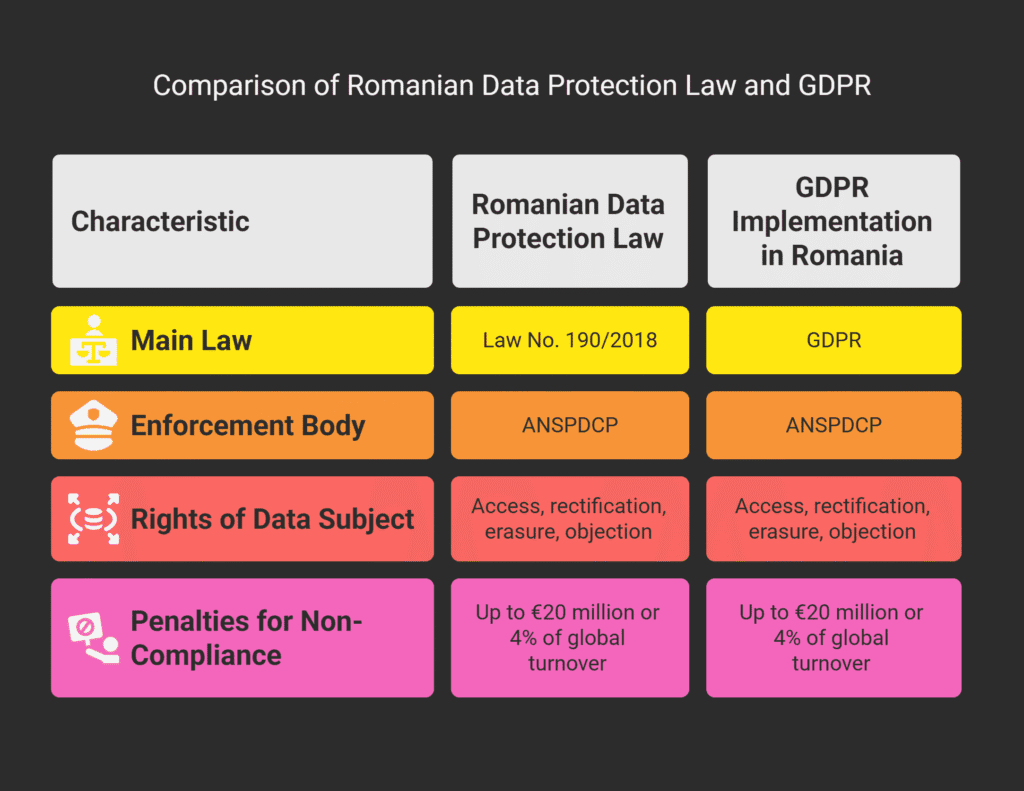
This follows the data minimization rule. Also, GDPR says no decisions can be made just by AI that affect people.

So, add human checks and explain AI choices clearly.

Being open about ai and data handling is essential for GDPR. You must tell people how their data is used by AI.

Think about doing Data Protection Impact Assessments (DPIAs) for risky AI projects.

These help spot and fix privacy risks, making sure your AI meets GDPR standards.

For help on GDPR for AI tools in Romania, email office@theromanianlawyers.com.

Keep up with the latest in AI explainability to stay compliant and gain customer trust.

FAQ

What are the key GDPR principles that affect AI systems?

GDPR principles for AI systems include data minimization and purpose limitation.

These mean AI systems should only collect and use data needed for their purpose.

They should also keep data only as long as necessary.

How can Romanian businesses ensure algorithmic fairness in their AI systems?

Romanian businesses should use bias mitigation techniques and audit AI models regularly.

They should also use diverse training data and transparent machine learning models.

This helps ensure fairness in AI systems.

What is a Data Protection Impact Assessment (DPIA) and when is it required for AI systems?

A DPIA is a process to identify and minimize data protection risks in AI systems.

It’s needed when an AI system poses a high risk to individuals’ rights and freedoms.

This includes systems that make automated decisions or handle sensitive data on a large scale.

How can businesses implement privacy-preserving machine learning techniques?

Businesses can use data anonymization, differential privacy, federated learning, and secure multi-party computation.

These methods help protect individual privacy while allowing AI processing to comply with GDPR.

What are the requirements for obtaining valid user consent for AI processing under GDPR?

To get valid consent for AI processing, businesses must ensure it’s freely given and specific.

Users must be clearly told how their data will be used in AI systems.

Consent should be given through a clear affirmative action.

How can Romanian businesses ensure AI transparency and accountability?

Romanian businesses can ensure AI transparency by using explainable AI and maintaining detailed documentation.

Regular audits of AI systems and clear communication to data subjects are also key.

This helps maintain accountability.

What are the restrictions on automated decision-making under GDPR?

GDPR limits automated decision-making that affects individuals legally or significantly.

Such processing needs explicit consent, is necessary for a contract, or is authorized by law.

Individuals have the right to human intervention and to contest decisions.

What security measures should be implemented to protect personal data processed by AI systems?

AI systems should have data encryption, access controls, and regular security testing.

Robust policies and procedures are also essential.

Businesses should protect against adversarial attacks and ensure training data integrity.

How can Privacy by Design be incorporated into AI development?

Privacy by Design should be considered from the start of AI system design.

This includes minimizing data collection and implementing strong security measures.

It also involves ensuring data accuracy and limiting retention.

Features that support individual rights are also important.

What are the implications of cross-border data transfers for AI processing under GDPR?

Cross-border data transfers for AI processing must follow GDPR rules.

This might involve using Standard Contractual Clauses or obtaining Adequacy Decisions.

Businesses must ensure the recipient country’s data protection is similar to the EU’s.

What documentation should Romanian businesses maintain for their AI systems to demonstrate GDPR compliance?

Romanian businesses should keep records of processing activities, Data Protection Impact Assessments, and security measures.

They should also document consent, data breaches, and AI governance frameworks.

This includes AI risk management, bias mitigation, and measures for transparency and accountability.

Protect Yourself from Phishing Scams in Romania

Protect Yourself from Phishing Scams in Romania

Table of Contents

Did you know 71% of working adults in Romania have taken risky online actions?

This shocking fact from Proofpoint’s 2024 State of the Phish Report shows we need to know about phishing scams in Romania.

It’s key to understand how to avoid email fraud and identity theft in Romania.

Phishing scams in Romania are getting smarter, targeting both people and businesses.

Scammers use fake emails and social engineering tricks to steal your info.

This guide will teach you how to spot and stop these scams in Romania.

Phishing Scams in Romania

Every time you check your email, browse social media, or shop online, you face phishing threats.

By staying informed and careful, you can lower your risk of falling for these scams.

Let’s explore how to protect your digital world from phishing attacks.

Key Takeaways

  • 71% of Romanian working adults engage in risky online behavior;
  • Nearly 70% of Romanian organizations faced ransomware attacks;
  • Emails are the primary vector for social engineering breaches;
  • Implementing security training reduces phishing vulnerability;
  • Always verify website security before entering personal information;
  • Use two-factor authentication to enhance account security;
  • Stay alert for various phishing types: vishing, smishing, and spear phishing.

Understanding Phishing Scams in Romania

Phishing scams are a big problem in Romania.

Cybercriminals use smart tricks to get your information.

It’s important to know how to protect yourself and stay safe online.

What is Phishing and How it Works

Phishing is when scammers try to trick you into giving them your personal info.

They might pretend to be someone you trust, like a bank.

In Romania, about 1 in 3 people have been targeted by phishing scams in the last year.

Phishing scams in Romania

Common Types of Phishing Attacks in Romania

Email phishing is the most common, making up over 70% of scams.

SMS scams, or “smishing,” have jumped six times in 2023.

The most common scams target banks, followed by courier and telecom services.

Current Threat Landscape

The threat in Romania is changing fast.

Scams about cryptocurrency and investments have caused a 50% rise in financial losses.

Also, 60% of people can’t tell fake banking websites from real ones.

It’s key to be careful and know how to protect yourself online.

Banking and Financial Phishing Threats

Romanian banks are facing big cybersecurity challenges.

Phishers are targeting them, putting your money at risk.

It’s key to prevent online fraud in today’s digital banking world.

Scammers use smart tactics to steal your info.

They make fake bank emails and apps that seem real.

Some even pretend to be financial advisors to trick you.

Banking and financial phishing threats in RomaniaNever give out card numbers, PINs, or activation codes via email.

Always update your info through official channels.

This shows how important email security is.

To protect yourself:

  • Check sender email addresses carefully;
  • Don’t click links in suspicious messages;
  • Use official bank websites and apps only;
  • Enable two-factor authentication on accounts;
  • Report any suspicious activity immediately.

Stay alert and use anti-phishing strategies to keep your money safe.

Cybersecurity in Romania needs banks and customers to work together to stop scams.

Social Engineering Tactics Used by Romanian Scammers

Romanian cybercrime has grown, with scammers using smart social engineering tricks.

These methods are part of the rising phishing attacks in Romania.

It’s key to know how to fight these scams.

Psychological Manipulation Techniques

Scammers try to create urgency or play on emotions to trick victims.

In 2019, they used a tactic called “accident method.”

They called people, pretending their loved ones were in danger.

This method tries to make victims act without thinking.

phishing scam examples in romania

Common Persuasion Methods

Cybercriminals use many ways to trick people:

  • Fake contests: In 2019, they promised iPhone X Max prizes to trick victims.
  • Impersonation: They pretended to be trusted companies like Fan Courier to spread malware.
  • Celebrity exploitation: In 2019, Simona Halep’s Instagram was hacked for scams.
  • Trust exploitation: They made fake identities of famous people to ask for money.

Red Flags to Watch For

To stay safe in Romania, watch out for these signs:

  • Urgent requests for personal or financial info;
  • Suspicious links or attachments in emails;
  • Unwanted calls asking for sensitive data;
  • Messages that push you to act fast;
  • Offers that seem too good to be true.

By spotting these tricks, you can protect yourself from phishing scams.

This helps keep Romania’s cybersecurity strong.

Email-Based Phishing Schemes

Email scams in Romania are a big problem.

Scammers send fake messages that seem real.

They want your personal info. This fraud is getting worse fast.

Phishing emails ask for sensitive information.

They might want your name, CNP, or bank details. Real companies never ask for this by email.

If you get such a request, it’s likely a scam.

Email phishing scams in Romania

  • 90% of data breaches start with a phishing email;
  • 1 in 3 people face a phishing attempt yearly;
  • 60% of scams create false urgency;
  • 70% of phishing emails are generic.

To fight hacking threats in Romania, watch out for urgent emails.

Check the sender’s address well.

Don’t click on links or download files from unknown sources.

These steps help protect you from cybercrime in Romania.

Common Phishing TacticsRed Flags
Fake bank emailsRequests for login info
Humanitarian aid scamsPressure to act fast
Investment fraudPromises of high returns
Copycat websitesSlight URL changes

Stay alert and protect your digital identity.

If you see a suspicious email, report it to your local cybercrime unit.

Your watchfulness helps fight online fraud in Romania.

Mobile Phone and SMS Phishing

Smartphones are now a big part of our lives in Romania.

This has led to a rise in mobile phishing attacks.

In 2023, smishing attacks went up six times from 2022.

This shows we need to be more careful online.

Mobile phone and SMS phishing threats in Romania

SMS Scam Patterns

Cybercrime in Romania often uses fake SMS messages to trick mobile users.

In early 2023, 75% of these scams tried to steal identities. They use tricks to look real.

Scams include fake delivery notices, winning prizes, and urgent account updates.

These messages aim to get your personal info.

Mobile Banking Threats

The banking sector is a big target for mobile phishing.

Over three years, 56% of smishing scams were about banking.

Scammers pretend to be banks to get your info or take you to fake sites.

SIM Card Fraud Prevention

To avoid SIM card fraud, tell your service provider if you notice anything odd.

Use two-factor authentication for all accounts. Also, be careful of messages asking for personal info.

SectorPercentage of Smishing Scams
Banking56%
Courier Industry25%
Telecommunications15%
Other4%

Stay alert and learn about these threats to keep your internet safe in Romania.

Always remember, real companies don’t ask for your info via SMS or email.

E-commerce and Online Marketplace Scams

Online marketplace scams are becoming more common in Romania.

They target sites like Facebook Marketplace, TikTok Shop, and Instagram.

Scammers use advanced methods to steal your personal and financial details.

They often use fake payment confirmation emails to trick sellers.

This makes sellers send items without getting paid.

Another scam involves sellers claiming items have been shipped when they haven’t.

To stay safe, follow these tips:

  • Use secure payment methods;
  • Avoid deals that seem too good to be true;
  • Enable two-factor authentication on your accounts;
  • Be cautious of urgency tactics pressuring you to act quickly.

Romania is working hard to fight these scams.

The government is making new laws and starting education campaigns.

Keep up with these efforts to enjoy safe online shopping.

Identity Theft Prevention Strategies

Identity theft in Romania has jumped by 354% from 2022.

This makes it a big threat online.

With financial fraud losses hitting 1.13 billion euros, keeping your personal info safe is key.

Let’s look at ways to protect your identity from hackers in Romania.

Identity Theft Prevention Strategies Romania

Protecting Personal Information

Keep your data safe.

Don’t share personal details online, and be careful on public Wi-Fi.

Use strong, unique passwords for all accounts.

Try to make them at least 12 characters long, with a mix of letters, numbers, and symbols.

Enable two-factor authentication for extra security.

This adds an extra step to log in.

Secure Document Handling

Handle sensitive documents carefully.

Shred papers with personal info before throwing them away.

Keep important documents in a safe place at home.

When sending sensitive info online, use encrypted connections.

Look for “https://” in website URLs to ensure it’s secure.

Digital Identity Protection

Use strong email security to avoid scams. Install reputable antivirus software to fight malware.

Update your passwords often, but make sure they’re complex.

Consider using a password manager to keep your passwords safe.

This way, you can have complex passwords without having to remember them all.

  • Monitor your credit reports regularly;
  • Place fraud alerts with credit bureaus;
  • Use identity monitoring services;
  • Be cautious of phishing attempts;
  • Limit personal information shared on social media.

By using these strategies, you can lower your risk of identity theft in Romania’s digital world.

Secure Online Banking Practices

Secure Online Banking Practices Romania

In Romania, keeping your online banking safe is key as cyber threats grow.

Banks have rules to protect your money, but you also have a big part to play.

By using smart methods, you can protect yourself from hackers and data breaches.

Only use official banking apps from places like Google Play or Apple’s App Store.

This keeps you away from malware that could steal your info.

Always check the URL for “https” and look for the padlock icon when you’re on your bank’s site.

These signs mean it’s a secure connection.

Turn on two-factor authentication for more security.

This makes it tough for hackers to get into your account, even if they know your password.

Also, don’t do banking on public Wi-Fi.

These networks are not secure and can let cyber criminals see your data.
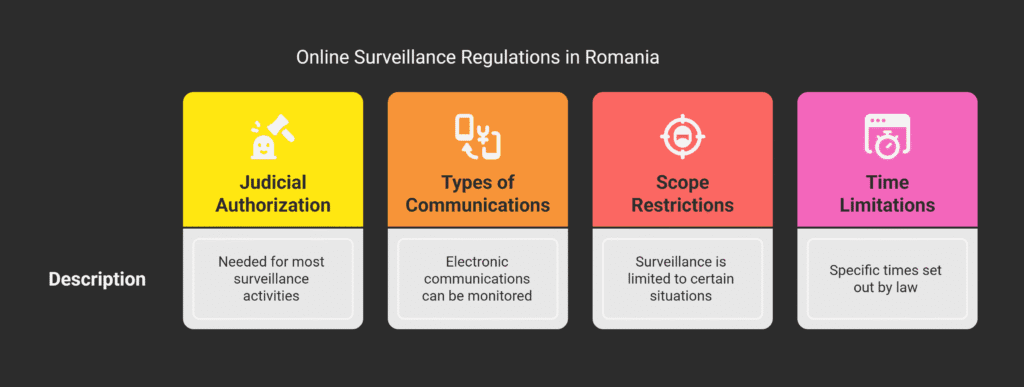
Keep your devices and banking apps up to date.

These updates often include security fixes that fight off new threats.

Be careful of emails or texts that seem to be from your bank but aren’t.

Scammers often use these to trick people into sharing sensitive info.

Banking Security MeasureEffectivenessUser Adoption Rate
Two-Factor AuthenticationHigh68%
Secure Wi-Fi UsageMedium82%
Regular App UpdatesHigh75%
Phishing AwarenessMedium60%

By being careful and following these steps, you can enjoy online banking safely.

Remember, your bank will never ask for your sensitive info via email or text.

If you’re unsure, always call your bank directly using official channels.

Two-Factor Authentication and Security Measures

In Romania, hacking and cyber fraud are big problems.

Two-factor authentication (2FA) is a key defense against online scams.

It adds an extra layer of protection to your accounts, making it harder for cybercriminals to get in.

Two-Factor Authentication and Security Measures Romania

Setting Up 2FA

To boost your internet security in Romania, set up 2FA on your key accounts.

Most platforms have this feature in their security settings.

You’ll need to give a phone number or email for verification codes.

Some services also support authenticator apps or hardware tokens for more security.

Authentication Best Practices

When using 2FA, follow these best practices to protect against spam emails and online scams in Bucharest and beyond:

  • Use unique, strong passwords for each account;
  • Opt for authenticator apps over SMS when possible;
  • Regularly update your recovery information;
  • Be cautious of phishing attempts disguised as 2FA prompts.

Security Tool Recommendations

To further safeguard against cyber fraud in Romania, consider these security tools:

Tool TypeRecommendationKey Feature
Password ManagerLastPassGenerates and stores strong passwords
Authenticator AppGoogle AuthenticatorProvides time-based one-time passwords
VPN ServiceVPNEncrypts internet connection

By using these security measures, you’ll greatly lower your risk of falling victim to hacking attempts and online scams in Romania.

Stay alert and keep your digital defenses strong.

Recognizing Fraudulent Websites

It’s important to know how to spot fake websites to avoid scams in Romania.

Most people can’t tell if an email is a scam.

Recognizing Fraudulent Websites

Look for signs like bad design, weird URLs, and no security certificates.

Watch out for sites that are new.

Real sites offer many ways to pay, but scams only take bank transfers.

If there’s no “contact us” page, it’s a warning sign.

Also, fake sites often have spelling errors and low-quality images.

To stay safe from scams, check who owns a website.

Real sites feel professional. If you see bad reviews, it might be a scam. Always be careful and listen to your gut when online.

  • Verify the website’s SSL certificate;
  • Check for multiple payment options;
  • Look for a professional design and clear contact information;
  • Use WHOIS lookup to check domain registration details;
  • Be cautious of urgent offers or requests for personal information.

Romanian Cybercrime Reporting Procedures

In Romania, the battle against spam and email fraud never stops.

It’s key to know how to report cybercrime.

This guide will show you how to report and stay safe online.

Official Reporting Channels

The Fight Against Fraud Department (DLAF) leads the fight against cybercrime in Romania.

If you spot suspicious online activity or get caught in a spam trap, tell DLAF right away.

They are experts in keeping the internet safe.

Documentation Requirements

When you report cybercrime, collect all the evidence you can.

This includes:

  • Screenshots of suspicious emails or websites;
  • Transaction records if financial fraud occurred;
  • Any communication with the suspected scammer;
  • Dates and times of incidents.

Having detailed evidence helps authorities tackle spam in Romania better.

Contact Information for Authorities

To report cybercrime or get help with internet security, use these contacts:

AuthorityContact Details
Fight Against Fraud Department (DLAF)Address: Regina Elisabeta no 3, Bucharest 030015, Romania
Website: http://www.antifrauda.gov.ro
Legal AdviceEmail: office@theromanianlawyers.com

Quickly reporting spam emails and cyber threats helps everyone stay safe online in Romania.

Legal Framework and Consumer Protection

Romania has made big strides in protecting consumers.

The country follows EU rules to fight identity theft and social engineering.

This has been the case ever more strictly, thanks to the Consumer Protection Cooperation Regulation from 2020.

Romanian shoppers have strong rights.

You can return items within 14 days for any reason and get your money back.

This rule also applies to online shopping.

If someone tries to force you to buy, you have 14 days to change your mind.

These rules help keep you safe from scams and malicious links by Romanian hackers.

The National Authority for Consumer Protection (ANPC) looks after consumer rights in Romania.

They check out complaints and can fine businesses for unfair practices.

This helps fight hacking across Romania. You can check if a business is okay on the ANPC website.

New EU rules for digital content started in 2022.

These laws aim to protect you from online scams and ensure fair online markets.

They’re part of the ongoing fight against identity theft and phishing.

  • Minimum product warranty: 2 years;
  • Return period for online purchases: 14 days;
  • ANPC authority: Investigate complaints, penalize businesses;
  • EU-wide protection: Covers cross-border transactions.

Know your rights. This knowledge is key to protecting yourself from scams and getting fair treatment online.

Corporate Email Security Guidelines

In Romania, cyber threats and phishing attacks are big risks for businesses.

Malware campaigns and financial cybercrime are increasing.

It’s important to have strong email security to protect your company from these threats.

Corporate Email Security Guidelines

Business Email Compromise Prevention

BEC scams have cost Romanian companies millions.

To protect your business:

  • Use strong email filters to block suspicious messages;
  • Implement multi-factor authentication for all email accounts;
  • Always verify financial transaction requests by phone or in person;
  • Keep your email security software up to date.

Employee Training Protocols

Training is key to fight phishing attacks in Romania.

Create a detailed training program that includes:

  • Regular phishing simulations to test employee awareness;
  • Teach employees how to spot common phishing tactics in Romanian attacks;
  • Provide guidelines for reporting suspicious emails or security breaches;
  • Keep employees updated on the latest malware campaigns and cyber threats in Romania.

Security Policy Implementation

A solid security policy is your first defense against financial cybercrime in Romania.

It should include:

Policy ComponentDescription
Access ControlsLimit email access based on job roles and responsibilities
Email EncryptionProtect sensitive information in transit and at rest
Incident Response PlanDefine steps to take in case of a successful phishing attack
Regular AuditsConduct periodic reviews of email security measures

By following these guidelines, Romanian businesses can improve their email security.

This helps protect against growing cyber threats.

Recovery Steps After a Phishing Attack

If you’ve fallen victim to internet scams in Romania, don’t panic.

Quick action is key to minimizing damage from cyber crimes.

First, isolate the affected device by disconnecting it from the network.

This step in phishing prevention Romania helps contain the threat.

Next, report the incident to your bank and local authorities.

Romania has specific channels for reporting cyber crimes.

Change all your passwords, focusing on financial accounts.

Use strong, unique passwords for each service.

This is a vital anti-phishing measure Romania residents should follow.

Monitor your accounts closely for any suspicious activity.

If you’ve shared sensitive information, consider placing a fraud alert on your credit reports.

Many victims find professional help valuable in navigating the recovery process.

Cybersecurity experts can assess the breach and help secure your systems, improving your protection against phishing Romania.

Remember, recovery is also about learning. Take time to educate yourself and your family about the latest phishing tactics.

Many organizations offer free resources on protecting against phishing Romania.


By staying informed, you’ll be better equipped to spot and avoid future scams, strengthening your overall cybersecurity posture.

FAQ

What are the most common types of phishing attacks in Romania?

In Romania, phishing attacks often target you through email, SMS, social media, and fake banking sites.

Scammers pretend to be real institutions to get your personal info.

How can I spot a phishing email?

Watch out for urgent messages, spelling mistakes, and attachments that seem off.

Always check the sender’s email address.

Hover over links before clicking to see where they lead.

What should I do if I suspect I’ve fallen victim to a phishing scam?

Change your passwords right away. If your financial info was stolen, contact your bank. Report the scam to the Fight Against Fraud Department (DLAF) at http://www.antifrauda.gov.ro.

Freeze your credit and watch your accounts for any odd activity.

How can I protect myself from mobile phishing attacks?

Be careful with texts you didn’t ask for. Only download apps from trusted stores.

Keep your phone’s software up to date and use security apps.

Use two-factor authentication and avoid clicking on links in texts.

What are some effective ways to prevent identity theft in Romania?

Use strong, unique passwords for all accounts.

Enable two-factor authentication.

Check your credit reports often.

Be careful sharing personal info online.

Shred sensitive documents securely.

How can I ensure my online banking activities are secure?

Bank online from a private network.

Keep your device’s software updated. Use multi-factor authentication.

Always check your bank’s official website and app.

Never share your login details or give out financial info to unknowns.

What should I look for to identify a fraudulent website?

Look for https and a padlock in the address bar.

Check for poor design or spelling mistakes.

Verify the URL and use WHOIS lookups.

Be cautious of offers that seem too good to be true.

How can Romanian businesses protect themselves from phishing attacks?

Use strong email security and train employees on cybersecurity.

Implement multi-factor authentication and have clear policies for sensitive info.

Keep all systems and software updated.

What are the legal consequences for phishing in Romania?

Phishing is a serious crime in Romania, leading to fines and jail time.

Penalties vary based on the crime’s severity, following Romanian and EU laws.

How can I report a cybercrime in Romania?

Report cybercrimes to the Fight Against Fraud Department (DLAF) at http://www.antifrauda.gov.ro or the Romanian Police.

Give as much detail as you can, including any evidence of the attack.

What are the most common types of phishing scams targeting Romanian citizens in 2023?

In 2023, Romania has seen a significant rise in various phishing scams.

The most prevalent include banking-related phishing attempts where fraudulent messages claim to be from legitimate Romanian banks requesting verification of account details.

Email address spoofing is particularly common, where scammers create emails that appear to come from trusted organizations.

Online scams involving fake investment opportunities that seem “too good to be true” have also increased, targeting those looking for quick financial gains.

SMS phishing (also known as smishing) has become more sophisticated, with text messages claiming to be from delivery services requesting payment or verification.

Government impersonation scams where fraudsters pretend to be from tax authorities or other official Romanian institutions have also been on the rise.

Cybercriminals are increasingly targeting remote workers through fake collaboration tools, exploiting the continued growth of work-from-home arrangements across Romania.

How can I recognise a phishing attack targeting Romanian consumers?

Phishing attacks targeting Romanian consumers often have several tell-tale signs.

First, look for poor grammar and spelling mistakes, as many scammers use translation tools that produce imperfect Romanian language.

Be wary of communications creating artificial urgency with claims that your account will be suspended or that you’ve won a prize that must be claimed immediately.

Legitimate organizations will never ask for sensitive information or passwords via email.

Suspicious links are another red flag—hover over links without clicking to see if the URL matches the legitimate bank’s website or organization.

Table of Contents

Index