Remote company formation in Romania represented as a legal gateway to Bucharest

Remote Company Formation in Romania: 2026 Guide for Foreign Founders

Remote company formation in Romania is possible in many cases without the founders travelling to Romania. The incorporation filing can be handled electronically or through an authorised representative, but the correct route depends on how documents are signed, where the founders are based, who provides the registered office and what identification checks apply.

Cross-border legal process for remote company formation in Romania
Remote incorporation requires a coordinated bridge between foreign documents, Romanian registration and post-incorporation requirements.

This guide explains the remote procedure for foreign individuals and overseas companies. It focuses on the digital and cross-border execution issues that arise after the founder has decided to establish a Romanian company. For the broader choice of entity, capital and corporate structure, see our company formation in Romania guide.

Can you form a Romanian company entirely remotely?

Often yes, but “remote” must be assessed step by step. The Trade Register application can be filed online, and a lawyer or another properly authorised representative may handle the procedure, but foreign-document formalities, identity verification and bank onboarding can still create offline or jurisdiction-specific requirements.

Romania’s National Trade Register Office online portal offers services including company-name reservation and incorporation. Law No. 265/2022 also regulates online company formation and electronic communication with the Trade Register.

Under Article 105 of Law No. 265/2022, the registrar may exceptionally request physical presence if there is a suspicion of identity falsification. The same provision states that physical presence is not required when the incorporation application and supporting documents, including the articles of association, were prepared by a public notary or lawyer. If presence is exceptionally requested during online formation, the remaining stages may still be completed electronically.

StageCan it be handled remotely?Important qualification
Name reservationNormally yesThe proposed name must satisfy Trade Register availability and naming rules.
Preparation of incorporation documentsYesThe documents must reflect the chosen structure, activities, management and registered office.
Signing and representationOften yesThe route may use a qualified electronic signature or a compliant power of attorney, depending on the document and filing method.
Trade Register filingYesElectronic filing must meet the portal’s technical and signature requirements.
Bank account onboardingBank-dependentBanks apply their own know-your-customer, beneficial-owner and risk procedures.
Sector permitsDepends on the activityRegulated activities may require separate authorisations before or after incorporation.

What are the steps for remote company formation in Romania?

The legal sequence is straightforward, but the filing route should be chosen before documents are signed. Select each step below to see its practical purpose.

Remote formation roadmap
Six coordinated steps

Select a step to review what must be resolved before the next stage.

Confirm the structure

Choose the company type, shareholders, directors, activities, decision rules and capital before preparing the filing documents.

  1. Confirm the company structure. Decide the entity type, ownership, administrators, business activities and signing authority. An SRL is common, but it should not be selected automatically when investment, governance or regulated activities require another structure. See our 2026 guide to Romanian limited liability companies.
  2. Reserve the company name. Submit alternatives that comply with the Trade Register rules. Our separate guide explains how to register a company name in Romania.
  3. Establish the registered office. Every Romanian company needs a valid registered office and supporting title to use the address. For the documents commonly used in an incorporation file, see our foreign-founder document checklist.
  4. Prepare, formalise and translate the documents. Coordinate the articles of association, identity or corporate records, declarations, beneficial-owner information, office evidence and powers of attorney. Foreign public documents may require apostille, legalisation or an applicable exemption, depending on the issuing state, bilateral treaties, EU legislation and the nature of the document, followed by an authorised Romanian translation where required.
  5. Sign and file through the selected route. If the electronic filing route is used, the signature and submission must satisfy the applicable ONRC technical and procedural requirements. A properly authorised representative may provide an alternative route, provided that the authority granted complies with the requirements applicable to the filing.
  6. Complete post-registration onboarding. After incorporation, organise accounting, tax registrations or options, bank onboarding, employment setup and any permits required for the actual activity.

Which documents do foreign founders usually need?

The exact file depends on whether the shareholder is an individual or a foreign company, the founder’s country, the administrators, the registered office and the intended activities. Do not sign foreign documents until their Romanian formality and translation route has been checked.

Founder or issueTypical documents or informationRemote-formation check
Foreign individual shareholderValid identity document, personal details, declarations and specimen/signing information as applicableConfirm legibility, validity, signature method and whether additional identification evidence is required.
Foreign corporate shareholderRecent company extract, constitutional documents, representation evidence and corporate approvalConfirm issue date, competent signatory, apostille or legalisation and Romanian translation.
AdministratorIdentity data, acceptance and statutory declarationsCheck eligibility, tax-identification implications and the signing route.
Company constitutionArticles of association specifying ownership, management, activities, capital and governanceAlign every translated or signed version. See our articles of incorporation guide.
Registered officeDocument proving the right to use the Romanian address and any required supporting recordsConfirm permitted use, term and consistency with the filing.
Beneficial ownerBeneficial-owner information and any declaration required under Romanian anti-money laundering legislationTrace the ownership chain and identify the natural persons who ultimately own or control the company.
RepresentativePower of attorney or lawyer’s authority, depending on the routeMatch the scope, form and authentication requirements to the acts the representative will perform.

Do founders need a qualified electronic signature?

A qualified electronic signature may support electronic filing, but its legal validity does not, by itself, make it sufficient for every ONRC submission. A founder may instead use a properly authorised representative, provided that the power of attorney complies with the form requirements applicable to the specific filing and the jurisdiction where it is executed.

The signature route should be tested before execution. Romania’s framework includes Law No. 214/2024 on electronic signatures and trust services, while the Trade Register procedure is governed specifically by Law No. 265/2022 and the portal’s filing requirements. The availability of electronic filing depends not only on the legal validity of the electronic signature but also on the technical and procedural requirements imposed by the National Trade Register Office.

Remote identity checks may also involve regulated identification services. The Romanian Authority for Digitalisation publishes information on remote identification by video means, but the availability and acceptance of a particular method still depend on the institution and transaction.

Is a Romanian notary always required?

No. Notarial involvement is not a universal requirement for every remote Romanian incorporation. It may nevertheless be necessary or useful for a particular power of attorney, foreign public document, contribution, identity issue or transaction-specific formality.

The correct answer depends on the document, the country where it is issued and the chosen filing route. For foreign founders, the practical question is usually not “Do I need a notary for the company?” but “Which document, if any, needs notarisation, apostille or legalisation, and in which country?”

How long does remote incorporation take?

Romanian law provides a short decision period for a complete Trade Register application, but that is not a guaranteed end-to-end formation time. Document collection, foreign formalities, translations, corrections, registered-office arrangements and bank checks sit outside that narrow decision window.

Articles 105 and 107 of Law No. 265/2022 provide, in principle, for the registrar to resolve the registration application on documents within one working day and, when the legal requirements are met, for admission within one working day. The entry is then operated according to the statutory procedure. This clock should not be advertised as the total time needed by a foreign founder.

If the file is incomplete or does not meet the legal requirements, Article 106 allows a remedy or completion period of up to 15 calendar days. The practical schedule should therefore separate:

  • preparation time for the corporate structure and registered office;
  • time for foreign documents, apostille or legalisation and translation;
  • the Trade Register review of a complete filing;
  • time needed to cure any filing defect; and
  • post-incorporation bank, accounting, tax and licensing steps.

Is the bank account part of the online incorporation?

No. Company registration and bank onboarding are separate processes. Incorporation by the Trade Register does not compel a bank to open an account remotely or remove its customer due-diligence requirements.

Each bank decides what identification, beneficial-owner, source-of-funds and business-model evidence it needs. Some institutions offer remote onboarding in eligible cases; others may request a video identification, additional documents or physical attendance. Founders should compare banking routes early, especially where the ownership chain is international or the activity carries heightened compliance risk. See our guide to opening a Romanian business bank account as a non-resident.

What most often delays a remote filing?

Common error 1

Signing before the route is confirmed. The founder signs documents that later require a different form, signature or authentication.

Common error 2

Using inconsistent identity or corporate data. Names, addresses, registration numbers or signatory capacities differ across extracts, translations and the articles of association.

Common error 3

Treating the bank as part of ONRC registration. The company is incorporated, but operations are delayed because bank onboarding was not planned separately.

Common error 4

Choosing activities without checking authorisations. A company may be registered while its actual regulated activity still requires a permit, approval or professional condition.

Remote formation checklist for a foreign founder

  1. Confirm the Romanian entity, ownership, administrators and business activities.
  2. Choose the online filing or legal-representation route before signing documents.
  3. Check each foreign document for issue date, apostille or legalisation and Romanian translation.
  4. Secure a compliant registered office and align the supporting document with the intended filing.
  5. Map the beneficial owners through the complete international ownership chain.
  6. Verify the signature and authority of every shareholder, administrator and representative.
  7. Submit one consistent, complete file through the National Trade Register Office route.
  8. Plan banking, accounting, tax and sector-specific compliance as separate workstreams.

The bottom line

Remote company formation in Romania is a workable route for many foreign founders, but it is not a single universal online form. The successful approach coordinates Romanian incorporation requirements with the founder’s home-country documents, a valid signing or representation route, registered-office evidence and separate post-registration onboarding.

Frequently asked questions

Can a foreigner open a company in Romania without travelling there?

Often yes. The filing can be completed electronically or through a properly authorised representative. The final route depends on the founder’s documents, their country of issue, the signing method, identity checks and the requirements of any bank or regulated authority involved after incorporation.

Does every foreign founder need a Romanian electronic signature?

No. A qualified electronic signature may support electronic filing, but acceptance also depends on the technical and procedural requirements imposed by the National Trade Register Office. Legal representation can provide another remote option, provided that the power of attorney satisfies the requirements applicable to the filing and place of execution.

Does a remote incorporation always require a notarised power of attorney?

No universal rule applies to every file. The required form depends on the representative’s acts, the document, the country of execution and applicable Romanian and international formalities. Some powers or foreign documents may require notarisation, apostille or legalisation; others may follow a different route.

Can the Romanian Trade Register ask a founder to appear in person?

Exceptionally, yes. Article 105 of Law No. 265/2022 permits a request for physical presence where there is a suspicion of identity falsification. The law also provides that presence is not required when the application and supporting documents, including the articles of association, were drawn up by a public notary or lawyer.

Is a Romanian bank account opened automatically after registration?

No. The Trade Register incorporates the company, while the chosen bank conducts its own onboarding and compliance review. Remote availability varies by bank and case, especially for non-resident founders, foreign corporate shareholders and complex beneficial-ownership structures.

How long does remote company formation in Romania take?

The registrar’s statutory decision period for a complete application is not the same as the total project time. Foreign-document formalities, translations, registered-office arrangements, corrections and bank onboarding can extend the schedule. A realistic estimate requires review of the specific founders and documents.

Planning to establish a Romanian company remotely?

Atrium Romanian Lawyers assists foreign individuals and international companies with structuring, document preparation, powers of attorney, Trade Register filings and coordinated post-incorporation steps.

Discuss your remote formation route

AI-assisted content, reviewed by a qualified Romanian lawyer.

Digital Currency Authorization Financial Requirements

Data Protection Meets AI: GDPR Compliance When Using AI in Romania

Data Protection Meets AI: GDPR Compliance When Using AI in Romania

The digital transformation in Romania brings new challenges for companies using artificial intelligence.

The country’s data protection laws create a complex regulatory landscape.

This demands careful navigation from organizations.

The National Authority for Personal Data Processing and Supervision (ANSPDCP) oversees these critical requirements.

The 2024-2027 National AI Strategy, approved by the Romanian Government, sets new priorities for technology governance.

office building with 2-3 men in suits passing by

Companies must balance innovation with strict regulatory adherence.

Romania’s artificial intelligence legal framework continues to evolve, influenced by EU directives.

Professional guidance is essential for businesses seeking sustainable solutions.

For expert consultation, organizations can contact office@theromanianlawyers.com.

A qualified Romanian lawyer can offer tailored strategies for successful implementation. Our team ensures full regulatory adherence.

Key Takeaways

  • Romania relies on EU frameworks while developing specific AI legislation through its 2024-2027 National Strategy,
  • ANSPDCP compliance requirements govern data protection obligations for AI implementation,
  • The EU AI Act provides legal definitions that will be applied within Romanian jurisdiction,
  • Organizations need professional legal guidance to navigate complex regulatory requirements,
  • Current data protection laws must be carefully balanced with emerging AI regulations,
  • Romanian law firms offer specialized expertise for technology compliance matters.

Romania’s Data Protection Legal Landscape for AI Technologies

The legal framework for AI in Romania blends European standards with national rules.

This setup outlines clear duties for companies using AI to process personal data.

Romanian businesses must grasp how these laws shape their AI strategies.

Three main pillars form this framework.

They include GDPR implementation, national oversight, and EU AI Act integration.

Each pillar adds vital elements to the compliance structure.

romanian dpa guidelines for AI technologies

GDPR Implementation Through Romanian Law 190/2018

Romanian Law 190/2018 is key in applying GDPR within the country.

It sets out specific rules for AI systems handling personal data in Romania.

The law details how to develop, deploy, and maintain AI applications.

The law covers critical aspects of AI compliance, such as data processing rules and individual rights.

Romanian companies must align their AI with these laws and EU standards.

They need to focus on both GDPR and national specifics.

Law 190/2018 goes beyond GDPR in automated processing systems.

It requires more transparency, human oversight, and accountability in algorithms.

Companies must document their compliance and show they meet the law’s technical and organizational standards.

ANSPDCP Authority and AI Oversight Responsibilities

The National Authority for Personal Data Processing and Supervision (ANSPDCP) oversees AI in Romania.

It has the expertise to check AI systems for compliance.

The authority offers guidance, investigates, and enforces rules across sectors.

ANSPDCP reviews data protection impact assessments and offers consultation for high-risk AI projects.

It has guidelines for AI challenges.

These help companies understand their duties and implement necessary safeguards.

The authority works with other EU data protection bodies.

This ensures consistent application of EU data privacy rules.

Romanian companies benefit from this cooperation, getting clear regulatory expectations and compliance paths.

Integration with EU AI Act Requirements

Romania is making preparations to incorporate the regulations outlined in the EU AI Act into its legal framework.

This process aligns existing data protection rules with new AI-specific ones.

It ensures smooth compliance for AI systems processing personal data.

The EU AI Act introduces risk-based classifications for AI systems, building on GDPR.

Romanian regulations will address how these classifications fit with current AI rules.

Companies must prepare for more documentation, risk assessments, and governance.

Legal advice is vital for navigating this changing landscape.

The integration requires analyzing how new AI Act provisions affect existing rules.

Early preparation and strategic planning are key for Romanian businesses as these rules come into effect.

Regulatory ComponentPrimary FunctionKey RequirementsEnforcement Authority
Romanian Law 190/2018GDPR domestic implementationData processing principles, individual rights, accountability measuresANSPDCP
ANSPDCP OversightNational supervision and guidanceDPIA review, prior consultation, investigation proceduresNational DPA
EU AI Act IntegrationAI-specific regulatory frameworkRisk classification, governance systems, documentation requirementsCoordinated EU enforcement
GDPR Article 22Automated decision-making rulesHuman involvement, transparency, individual rights protectionANSPDCP coordination

Core Principles of GDPR and AI Compliance in Romania

The intersection of artificial intelligence and data protection regulations in Romania brings specific compliance obligations under GDPR’s core principles.

These foundational requirements establish the regulatory framework that Romanian organizations must follow when implementing AI systems that process personal data.

Romanian GDPR implementation requires businesses to embed these principles into their AI development lifecycle from the initial design phase.

Organizations cannot treat compliance as an afterthought but must integrate data protection considerations into every aspect of their artificial intelligence operations.

machine learning compliance standards romania

The GDPR establishes nine core principles that apply comprehensively to AI systems processing personal data within Romanian jurisdiction.

These principles create binding obligations that extend far beyond traditional data processing scenarios to encompass the unique challenges posed by automated systems and algorithmic decision-making processes.

Lawfulness, Fairness, and Transparency in Automated Systems

Lawfulness requires Romanian organizations to establish valid legal bases before implementing AI systems that process personal data.

Organizations must identify appropriate legal grounds such as consent, legitimate interests, contractual necessity, or compliance with legal obligations before initiating any AI-driven data processing activities.

Fairness extends beyond mere legal compliance to address ethical considerations in AI system design and operation.

Romanian businesses must ensure their artificial intelligence compliance EU standards prevent discriminatory outcomes and biased algorithmic decisions that could unfairly impact individuals or specific demographic groups.

Transparency obligations demand clear communication about AI system operations and decision-making processes.

Organizations must provide individuals with understandable information about:

  • The logic involved in automated decision-making,
  • The significance and consequences of such processing,
  • The categories of personal data being processed,
  • The purposes for which data is collected and used.

Purpose Limitation and Data Minimization for AI Applications

Purpose limitation requires Romanian organizations to collect and process personal data only for specified, explicit, and legitimate purposes.

AI systems cannot repurpose data collected for one objective to serve entirely different functions without establishing new legal bases and obtaining appropriate permissions.

Data minimization mandates that organizations limit data collection to what is directly relevant and necessary for their stated AI purposes.

This principle challenges traditional machine learning approaches that often rely on extensive data collection, requiring Romanian businesses to adopt more targeted data acquisition strategies.

Romanian GDPR implementation emphasizes that organizations must regularly review their AI systems to ensure continued compliance with purpose limitation requirements.

Any expansion of AI system functionality must undergo thorough assessment to verify alignment with original data collection purposes.

Accuracy and Storage Limitation in Machine Learning

Accuracy requirements mandate that personal data processed by AI systems remains correct and current.

Romanian organizations must implement technical and organizational measures to identify and rectify inaccurate data that could lead to erroneous automated decisions or unfair individual treatment.

Machine learning compliance standards require organizations to establish data quality management processes that include:

  1. Regular data validation and verification procedures,
  2. Automated error detection and correction mechanisms,
  3. Clear protocols for handling data accuracy complaints,
  4. Systematic review of training data quality.

Storage limitation principles impose temporal boundaries on data retention within AI systems.

Romanian businesses must establish clear data retention schedules that specify how long personal data will be maintained for AI training, operation, and improvement purposes.

Organizations must implement automated deletion processes that remove personal data when retention periods expire or when the data is no longer necessary for the original AI system purposes.

This requirement presents particular challenges for machine learning systems that rely on historical data patterns for ongoing algorithmic improvement.

The integration of these core principles into AI system architecture requires thorough planning and ongoing monitoring.

Romanian organizations must adopt privacy-by-design approaches that embed compliance considerations into every stage of AI development, deployment, and maintenance to ensure sustained adherence to data protection regulations in Romania.

Automated Decision-Making and Profiling Regulations

Article 22 of the GDPR sets strict limits on automated decision-making, impacting AI in Romania.

It outlines a detailed framework for using artificial intelligence in decision-making processes affecting individuals.

The framework emphasizes the importance of individual rights and procedural safeguards.

In Romania, automated decision-making means any process where technology makes decisions without human input.

This includes AI systems used for credit scoring, employment screening, insurance assessments, and content moderation.

Article 22 GDPR Requirements for AI Systems

The GDPR bans automated decision-making that has legal effects or significant impacts on individuals, unless certain conditions are met.

Organizations using AI systems must comply with these restrictions under Romanian data privacy laws.

This ban applies to AI applications across various sectors.

There are three exceptions to this ban.

First, organizations can use automated decision-making with explicit consent from the data subject.

Second, it’s allowed when necessary for contract performance between the organization and individual.

Third, applicable law may permit automated decision-making with appropriate safeguards.

Organizations must implement robust protection measures and maintain transparency about their systems.

The GDPR enforcement for AI systems requires strict adherence to these exceptions.

AI governance Romania automated decision-making compliance

Organizations must document which legal basis applies to their automated decision-making processes.

This documentation is critical during regulatory audits and individual rights requests.

The European Data Protection Authority stresses the importance of identifying the legal basis correctly.

Meaningful Human Involvement Standards

Meaningful human involvement requires genuine oversight, not just superficial reviews.

Human reviewers must have the authority and capability to assess automated decisions and override them when necessary.

This involvement cannot be superficial or ceremonial.

Organizations must train human reviewers to understand the automated system’s logic and biases.

Reviewers need access to relevant information to evaluate system outputs.

The AI governance framework in Romania emphasizes substantive human participation.

Technical implementation of meaningful human involvement includes providing reviewers with decision explanations and relevant data inputs.

Organizations should establish clear protocols for when human intervention is mandatory.

These standards ensure that automated systems remain accountable to human oversight.

Documentation requirements extend to recording human involvement instances and decision modifications.

Organizations must maintain records showing that human reviewers actively participated in the decision-making process.

Individual Rights Against Automated Processing

Individuals have specific rights when subject to automated decision-making processes under Romanian data privacy laws.

These rights include obtaining human intervention in automated decisions, expressing personal viewpoints about the decision, and contesting automated outcomes that affect their interests significantly.

The right to human intervention requires organizations to provide accessible channels for individuals to request human review of automated decisions.

Organizations must respond to these requests promptly and provide meaningful human evaluation of the contested decision.

This right extends beyond simple complaint mechanisms.

Individuals can express their viewpoints about automated decisions, requiring organizations to consider these perspectives during human review processes.

This right ensures that automated systems account for individual circumstances that algorithms might not properly evaluate.

The GDPR enforcement for AI systems mandates genuine consideration of individual input.

Organizations must establish robust procedures for handling individual rights requests related to automated processing.

These procedures should include clear timelines, communication protocols, and decision modification processes.

The AI ethics legal framework requires transparent and accessible rights enforcement mechanisms that protect individuals from inappropriate automated decision-making.

Legal Bases for AI Data Processing in Romania

Choosing the right legal bases for AI applications is a critical step in Romania’s data protection law.

Organizations must find valid legal grounds before processing personal data through AI systems.

This choice affects individual rights, data retention, and transfer mechanisms throughout the AI lifecycle.

Romanian personal data processing regulations require identifying one of six legal bases under GDPR Article 6.

Each basis has specific requirements and limitations that impact AI system design and operation.

Professional legal analysis is essential for determining the most suitable legal foundation for specific AI processing activities.

romania ai governance legal bases

The six legal bases include consent, contract performance, legal obligation compliance, vital interests protection, public task execution, and legitimate interests pursuit.

Organizations must carefully evaluate which basis aligns with their AI processing purposes and operational requirements.

This decision influences data subject rights, processing limitations, and overall compliance obligations.

Consent Mechanisms for AI Training Data

Consent is one of the most transparent legal bases for AI data processing activities.

Obtaining valid consent for AI training data presents unique challenges under Romanian GDPR standards.

Organizations must ensure that consent meets four key criteria: freely given, specific, informed, and unambiguous.

AI training datasets often contain vast amounts of personal information collected from multiple sources.

This complexity makes it difficult to provide specific information about processing purposes.

Organizations must clearly explain how personal data will be used in machine learning algorithms and model training processes.

The following requirements apply to consent mechanisms for AI applications:

  • Clear explanation of AI processing purposes and methodologies,
  • Specific information about data usage in training and inference stages,
  • Easy withdrawal mechanisms without negative consequences,
  • Regular consent renewal for ongoing processing activities,
  • Documentation of consent collection and management processes.

Individuals must understand the implications of their consent decision.

This includes information about automated decision-making capabilities and profiling activities.

Organizations should provide simple, accessible language that explains complex AI processes in understandable terms.

Consent withdrawal mechanisms must be as easy as the original consent process.

Organizations cannot make service access conditional on consent for AI processing unless absolutely necessary for service provision.

This requirement often complicates business models that rely heavily on data-driven personalization.

Legitimate Interest Assessments

Legitimate interest provides an alternative legal basis that offers greater flexibility for AI implementations.

This basis requires a three-part assessment that balances organizational interests against individual privacy rights.

Romanian organizations must conduct thorough legitimate interest assessments before relying on this legal foundation.

The three-part test examines purpose necessity, processing effectiveness, and proportionality of privacy impact.

Organizations must demonstrate that their AI processing serves genuine business interests that cannot be achieved through less intrusive means.

This analysis requires detailed documentation and regular review processes.

Key considerations for legitimate interest assessments include:

  1. Business necessity evaluation for AI processing activities,
  2. Assessment of alternative processing methods and their effectiveness,
  3. Analysis of individual privacy expectations and possible harm,
  4. Evaluation of existing safeguards and mitigation measures,
  5. Documentation of balancing test results and decision rationale.

Organizations must consider reasonable expectations of data subjects when conducting these assessments.

Individuals should not be surprised by AI processing activities based on the context of data collection.

Transparent privacy notices help establish appropriate expectations and support legitimate interest claims.

The proportionality analysis requires careful consideration of possible adverse effects from AI processing.

This includes risks from automated decision-making, profiling activities, and possible discrimination or bias.

Organizations should implement appropriate safeguards to minimize these risks and protect individual rights.

GDPR implementation for machine learning often relies on legitimate interest assessments for research and development activities.

Organizations must ensure that processing remains within the scope of their assessed legitimate interests and does not expand beyond documented purposes.

Public Task and Vital Interest Applications

Public task and vital interest legal bases serve specific governmental and essential service applications in AI implementations.

These bases support critical infrastructure systems, emergency response mechanisms, and public safety applications.

Romanian AI ethics standards recognize the importance of these applications while maintaining strict compliance requirements.

Public task applications must be based on legal obligations or official authority vested in the data controller.

This includes government agencies implementing AI systems for administrative efficiency or public service delivery.

Organizations must demonstrate clear legal mandates for their AI processing activities under this basis.

Vital interest applications address life-threatening situations where AI systems provide critical support.

Healthcare emergency response systems and disaster management applications often rely on this legal basis.

Organizations cannot use vital interests as a general justification for AI processing without demonstrating genuine emergency circumstances.

The Romanian data protection authority provides guidance on appropriate applications of these legal bases.

Organizations should consult official guidance and seek legal advice when determining whether their AI systems qualify for public task or vital interest justifications.

Documentation requirements for these legal bases include:

  • Legal mandates or official authority supporting public task claims,
  • Emergency circumstances justifying vital interest processing,
  • Scope limitations ensuring processing remains proportionate,
  • Regular review processes for continued necessity,
  • Safeguards protecting individual rights and freedoms.

Organizations must ensure that AI processing under these bases remains strictly necessary for the stated purposes.

Scope creep beyond original justifications can invalidate the legal basis and create compliance violations.

Regular legal review helps maintain appropriate boundaries and compliance standards.

Special Category Data and AI Applications

In Romania, processing sensitive personal information through AI applications demands enhanced legal safeguards.

Special category personal data under GDPR includes racial or ethnic origin, political opinions, religious beliefs, genetic data, biometric identifiers, health information, and data about sexual orientation.

These data types require additional protection measures beyond standard personal data processing requirements.

Organizations implementing AI systems must establish specific legal justifications for processing special category data.

The heightened protection requirements reflect the increased risks to individual privacy and fundamental rights.

Romanian privacy laws mandate that companies demonstrate both necessity and proportionality when processing sensitive information through automated systems.

AI governance in Romania special category data protection

Biometric Data Processing Requirements

Biometric data processing in AI systems faces strict regulatory controls under EU GDPR implementation Romania.

Facial recognition, fingerprint analysis, voice identification, and behavioral biometrics all qualify as special category data requiring enhanced protection.

Organizations must establish explicit legal bases before implementing biometric AI technologies.

Technical safeguards for biometric processing include encryption during transmission and storage.

Access controls must limit biometric data availability to authorized personnel only.

Regular security assessments help maintain protection standards throughout the data lifecycle.

Biometric template storage presents particular challenges for Anspdcp compliance.

Organizations should implement irreversible hashing techniques where possible.

Data retention periods must align with processing purposes, with automatic deletion mechanisms ensuring compliance with storage limitation principles.

Health Data in AI Healthcare Solutions

Healthcare AI systems processing patient information must navigate complex regulatory requirements.

Medical data enjoys special protection status, requiring careful balance between innovation benefits and privacy protection.

Healthcare providers implementing AI diagnostic tools must ensure patient consent mechanisms meet enhanced standards.

AI-powered medical research applications often qualify for public interest derogations.

Organizations must implement appropriate safeguards protecting patient rights.

Pseudonymization techniques help reduce privacy risks while enabling beneficial medical research outcomes.

  • Patient consent documentation requirements,
  • Medical professional oversight obligations,
  • Research ethics committee approvals,
  • Data sharing agreements with research partners.

Cross-border health data transfers require additional scrutiny under ai ethics framework Romania.

International medical AI collaborations must establish adequate protection levels for Romanian patient information.

Explicit Consent and Derogations

Explicit consent for special category data processing requires clear, specific agreement from data subjects.

Consent mechanisms must explain AI processing purposes, data types involved, and possible risks.

Pre-ticked boxes or implied consent do not satisfy explicit consent requirements for sensitive data categories.

Consent withdrawal procedures must remain accessible throughout the processing lifecycle.

Organizations should implement user-friendly mechanisms allowing individuals to revoke consent easily.

Withdrawal must not affect processing legality before consent removal.

Derogation TypeApplication ScopeAdditional Safeguards Required
Substantial Public InterestLaw enforcement AI, fraud detectionProportionality assessment, impact evaluation
Medical DiagnosisHealthcare AI diagnosticsMedical professional oversight, patient information
Preventive MedicinePublic health monitoring AIAnonymization techniques, limited access controls

Derogations from explicit consent requirements exist for specific circumstances under Romanian privacy laws.

Public interest applications, medical treatment purposes, and preventive healthcare activities may qualify for alternative legal bases.

Organizations must carefully evaluate whether their AI processing activities meet derogation criteria and implement appropriate additional safeguards.

Regular compliance reviews help ensure ongoing adherence to special category data requirements.

Legal counsel should evaluate AI system changes affecting sensitive data processing.

Documentation requirements extend beyond standard processing records to include derogation justifications and safeguard implementations.

Data Controller and Processor Obligations

In Romania, the roles of data controllers and processors are key to AI compliance.

Companies must set up clear legal frameworks.

These frameworks define roles, ensure accountability, and uphold data protection laws in AI development.

AI projects often involve many stakeholders with different data control levels.

This complexity demands precise legal documents and clear contracts.

Such agreements are essential for meeting privacy laws for AI systems in Romania.

Joint Controllership in AI Ecosystems

When multiple organizations work together on AI data processing, joint controllership arises.

They need detailed agreements outlining each party’s GDPR responsibilities in Romania.

Joint controllers must have clear procedures for handling data subject rights.

They must decide who will handle individual requests and how information will be shared.

Liability in AI joint controllership is complex.

Partners must agree on who is responsible for data breaches, violations, and penalties.

They need to address technical failures, biases, and security incidents in their agreements.

Processor Agreements for AI Service Providers

AI service providers must have thorough agreements that cover AI’s technical aspects.

These contracts should detail security measures, audit rights, and breach notification procedures specific to AI.

Agreements with processors should include sub-processor authorization clauses.

They must outline data retention, deletion, and return procedures upon contract end.

Cross-border data transfer clauses are critical in AI processor agreements.

Providers must show they comply with adequacy decisions or use standard contractual clauses for data outside the European Economic Area.

Accountability Documentation Requirements

Organizations must keep detailed records showing GDPR compliance in AI systems.

This includes records of AI processing activities and their data protection implications.

Data protection impact assessments are required for high-risk AI activities.

Companies must document risk assessments, mitigation steps, and ongoing monitoring to meet AI ethics standards in Romania.

Record-keeping includes privacy policies, consent records, and evidence of security measures.

These records must reflect AI’s unique characteristics and provide audit trails for inspections.

Responsibility AreaData Controller ObligationsData Processor ObligationsJoint Controller Requirements
Purpose DeterminationDefine AI processing purposes and legal basisProcess only according to controller instructionsJointly determine purposes through formal agreement
Data Subject RightsRespond to all individual rights requestsAssist controller with rights fulfillmentDesignate point of contact and response procedures
Security MeasuresImplement appropriate technical safeguardsMaintain security throughout processing lifecycleCoordinate security standards across organizations
Breach NotificationNotify authorities within 72 hoursAlert controller without undue delayEstablish notification protocols and responsibilities

Compliance records must show ongoing adherence to data minimization in AI training and deployment.

Companies should document how they limit data collection and implement retention policies suitable for AI.

Cross-Border Data Transfers and AI Systems

Organizations deploying AI systems internationally face complex data protection requirements.

The intersection of artificial intelligence and international data flows creates unique compliance challenges.

These challenges require specialized legal analysis under Romanian privacy legislation.

Cross-border AI implementations involve multiple layers of regulatory oversight.

These systems process vast amounts of personal data across different countries with varying protection standards.

Romanian organizations must ensure their data protection laws extend seamlessly to international AI operations.

The complexity increases when AI systems operate in real-time across multiple jurisdictions.

Data flows continuously between servers, processing centers, and analytical platforms located in different countries.

Each transfer point represents a compliance risk that organizations must address through appropriate safeguards.

Third Country AI Service Provider Compliance

Third country AI service providers present distinct compliance challenges for Romanian organizations.

These providers often operate under different legal frameworks that may not provide equivalent protection to GDPR standards.

Companies must conduct thorough due diligence assessments before engaging international AI vendors.

The evaluation process involves analyzing the provider’s data protection practices, security measures, and legal obligations in their home jurisdiction.

Romanian ai governance requires organizations to verify that third country providers implement adequate technical and organizational measures.

This assessment must consider government access to data and surveillance programs that could compromise personal data protection.

“The adequacy of protection must be assessed in light of all the circumstances surrounding a data transfer operation or set of data transfer operations.”

European Court of Justice, Schrems II ruling

Organizations must also evaluate the provider’s ability to comply with individual rights requests.

AI service providers must demonstrate capacity to facilitate access, rectification, and erasure rights across their international operations.

This capability becomes complex when AI systems process data through multiple interconnected platforms.

Standard Contractual Clauses Implementation

Standard Contractual Clauses serve as the primary mechanism for legitimizing AI data transfers to third countries.

These clauses must be carefully adapted to address the specific characteristics of artificial intelligence processing activities.

The implementation requires detailed consideration of AI system architectures and data processing flows.

Organizations must ensure that Standard Contractual Clauses accurately reflect their AI processing activities.

The clauses should specify data categories, processing purposes, and retention periods relevant to machine learning operations.

Technical measures for protecting transferred data must align with AI system requirements and capabilities.

The Romania artificial intelligence regulations framework requires organizations to supplement Standard Contractual Clauses with additional safeguards when necessary.

These supplementary measures may include encryption, pseudonymization, or access controls designed for AI environments.

Regular monitoring and review processes ensure ongoing compliance with contractual obligations.

Adequacy Decisions and Transfer Impact Assessments

European Commission adequacy decisions provide the foundation for unrestricted data transfers to approved countries.

Most AI service providers operate in countries without adequacy decisions, requiring alternative transfer mechanisms.

Organizations must stay informed about evolving adequacy determinations that may affect their AI operations.

Transfer Impact Assessments represent a critical compliance tool for AI data transfers.

These assessments evaluate specific risks associated with transferring personal data for AI processing purposes.

The data protection impact assessment Romania methodology must consider unique factors affecting artificial intelligence systems.

The assessment process examines government surveillance capabilities, data localization requirements, and available technical protections in the destination country.

Organizations must evaluate whether proposed safeguards provide effective protection for AI-processed data.

This analysis includes reviewing the enforceability of data protection rights and the independence of supervisory authorities.

Romanian privacy legislation requires organizations to document their transfer impact assessments and update them regularly.

Changes in political conditions, legal frameworks, or technical capabilities may necessitate reassessment of transfer arrangements.

Organizations must maintain evidence demonstrating ongoing compliance with transfer requirements throughout their AI system lifecycle.

Data Protection Impact Assessment for AI Projects

The use of artificial intelligence systems in Romania triggers the need for Data Protection Impact Assessments.

These assessments are critical for compliance, going beyond traditional privacy evaluations.

AI systems require a detailed risk analysis, addressing both established privacy concerns and new challenges.

Seeking professional legal advice is essential for thorough data protection impact assessments.

Romanian organizations must integrate DPIA processes into their AI development lifecycle.

This ensures compliance with GDPR standards and demonstrates a commitment to privacy protection.

Mandatory DPIA Triggers for AI Systems

GDPR Article 35 outlines clear triggers for Data Protection Impact Assessments.

These triggers include processing activities that pose high risks to individual rights and freedoms.

Organizations must evaluate their AI implementations against these triggers to determine if a DPIA is required.

Automated decision-making with legal or significant effects is a primary trigger.

This includes credit scoring, employment screening, and healthcare diagnostic applications.

The GDPR requires DPIAs for AI systems that make decisions affecting individual rights or legal status.

AI-powered surveillance systems also require DPIAs.

This includes video analytics, facial recognition, and behavioral monitoring technologies.

Large-scale processing of special category personal data through AI applications also necessitates DPIA completion before deployment.

Risk Assessment Methodologies and Mitigation

Risk assessment methodologies for AI systems must address traditional privacy risks and new challenges from machine learning.

Organizations implementing automated decision-making solutions must evaluate algorithmic bias, data accuracy, security vulnerabilities, and function creep.

These assessments require expertise from legal, technical, and ethical fields.

Comprehensive risk profiles must identify specific privacy threats associated with AI system operations.

Data quality risks arise from training datasets with inaccurate or biased information.

Security risks include unauthorized access, data poisoning attacks, and inference attacks revealing sensitive information about training data subjects.

Mitigation strategies must address identified risks through technical and organizational measures.

Technical safeguards include differential privacy, federated learning, and robust access controls.

Organizational measures include staff training, algorithm audits, and governance frameworks.

The AI compliance framework in Romania requires documenting these measures and monitoring their effectiveness.

Risk mitigation must also consider AI ethics in Romania.

Organizations should implement fairness testing, transparency mechanisms, and accountability measures.

These ethical considerations strengthen risk management and demonstrate responsible AI development.

Prior Consultation with ANSPDCP Procedures

Prior consultation with ANSPDCP is necessary when DPIAs identify high residual risks.

This consultation process requires detailed documentation of processing activities, risk assessment findings, proposed mitigation measures, and justifications for proceeding with high-risk AI implementations.

Organizations must prepare thorough consultation packages.

These packages should demonstrate consideration of privacy implications and commitment to implementing recommended safeguards.

The documentation should include technical specifications, data flow diagrams, risk assessment matrices, and proposed monitoring mechanisms.

ANSPDCP evaluates these submissions to determine if additional safeguards are necessary or if processing can proceed as planned.

The consultation timeline is typically eight weeks from submission of complete documentation.

Organizations cannot deploy AI systems requiring prior consultation until receiving ANSPDCP approval or recommendations.

This ensures that high-risk AI implementations receive appropriate regulatory oversight and incorporate necessary privacy protections.

Privacy by Design and Security Measures

Creating robust privacy safeguards in AI systems demands a holistic approach.

Organizations must embed protection mechanisms from the outset to the deployment phase.

This proactive stance ensures they meet Romanian data protection laws and establish strong security bases.

GDPR Article 25 mandates privacy by design and default.

These mandates go beyond mere compliance, influencing system architecture.

Romanian firms must show that data protection guides AI development and deployment fully.

“Data protection by design and by default requires that appropriate technical and organizational measures are implemented in such a manner that processing will meet the requirements of this Regulation and protect the rights of data subjects.”

GDPR Article 25

Technical Safeguards in AI Development

Technical safeguards are the core of compliant AI systems.

Data minimization limits personal data to what’s necessary for processing.

This prevents excessive data that could breach Romanian data security rules.

Pseudonymization and anonymization lower identification risks in machine learning.

Advanced encryption safeguards data during training and use.

Access controls limit data to authorized personnel and processes.

Secure data storage meets AI-specific needs.

Version control tracks data and model changes.

Audit trails document data access and processing for compliance checks.

Organizational Measures and Data Governance

Organizational measures are key to privacy in AI.

Clear roles and responsibilities are essential for data handling in AI projects.

Staff training on Romanian AI regulations is also vital.

Data governance frameworks set policies and procedures.

Compliance audits ensure ongoing adherence to laws.

Incident response plans handle privacy breaches and vulnerabilities.

Documentation is critical for accountability.

Organizations must keep detailed records of AI system design and privacy measures.

These records help with regulatory inspections and internal checks.

  • Staff training on data privacy Romania requirements,
  • Incident response protocols for AI systems,
  • Regular compliance monitoring and assessment,
  • Clear data handling procedures and responsibilities.

Security by Default Implementation

Security by default ensures AI systems apply maximum privacy settings automatically.

This approach eliminates the need for user configuration or technical expertise.

Default settings must protect data without hindering system performance.

GDPR Article 25 mandates default privacy settings that prioritize data subject rights.

Organizations cannot rely on users or administrators for privacy settings.

Automated privacy controls reduce human error in deploying protection mechanisms.

System updates must enhance privacy safeguards.

Configuration management prevents unauthorized security setting changes.

Protection LayerImplementation MethodCompliance Benefit
Data EncryptionEnd-to-end encryption protocolsConfidentiality protection
Access ControlsRole-based authentication systemsUnauthorized access prevention
Data MinimizationAutomated filtering mechanismsPurpose limitation compliance
Audit LoggingComprehensive activity trackingAccountability demonstration

Privacy by design and security measures need continuous improvement.

Organizations must regularly evaluate protection effectiveness and adapt to new threats.

This ongoing effort ensures compliance with Romanian data protection laws and emerging regulations.

Individual Rights in AI-Driven Environments

Romanian GDPR enforcement mandates that AI systems uphold fundamental data protection rights.

Organizations must deploy artificial intelligence with frameworks that safeguard data subject autonomy.

The legal framework for machine learning outlines clear obligations for protecting individual rights in automated environments.

Data subjects retain all GDPR rights when their personal information is processed by AI, regardless of system complexity.

These rights necessitate technical solutions that can locate, modify, or remove personal data from AI systems.

Organizations must strike a balance between algorithmic efficiency and individual privacy through carefully designed mechanisms.

Right to Explanation and Algorithmic Transparency

The right to explanation is a significant challenge in AI compliance under Romanian data protection law.

Individuals have the right to obtain meaningful information about automated decision-making logic that affects their interests.

This requirement goes beyond simple system descriptions, demanding specific explanations for individual automated decisions.

Organizations must provide clear, understandable explanations that enable data subjects to comprehend AI system operations.

These explanations should detail how personal data influences automated decisions without revealing proprietary algorithms.

Transparency measures must balance individual understanding with trade secret protection.

The explanation requirement encompasses both general AI system information and specific decision rationales.

Organizations must develop documentation that explains algorithmic logic in accessible language.

Technical complexity cannot excuse inadequate transparency when individual rights are at stake.

Access, Rectification, and Erasure Rights

Access rights in AI environments require organizations to provide detailed information about personal data processing activities.

Data subjects can request details about AI training datasets, processing purposes, and automated decision outcomes.

Organizations must implement systems that can locate personal data across distributed AI architectures and training datasets.

Rectification rights present significant technical challenges within machine learning systems where personal data may be embedded in trained models.

Organizations must develop mechanisms to correct inaccurate personal data without compromising system integrity.

The machine learning legal framework requires effective correction procedures that maintain AI system performance while ensuring data accuracy.

Erasure rights, commonly known as the “right to be forgotten,” require sophisticated technical implementations in AI contexts.

Personal data deletion must extend beyond primary datasets to include derived data and model parameters.

Organizations must implement data lineage systems that track personal information throughout AI processing pipelines.

  • Complete data mapping across AI system components,
  • Technical deletion mechanisms for embedded personal data,
  • Verification procedures for successful data removal,
  • Documentation of erasure implementation methods.

Data Portability in Machine Learning Contexts

Data portability rights enable individuals to receive their personal data in structured, commonly used formats.

In AI environments, determining portable data scope requires careful consideration of what constitutes personal data versus derived insights.

Organizations must distinguish between original personal data and AI-generated profiles or recommendations.

Cross-border data transfers complicate portability implementations when AI systems operate across multiple jurisdictions.

Organizations must ensure that portable data formats remain meaningful when transferred between different AI service providers.

Technical standards for data portability must preserve utility while protecting privacy interests.

Automated processing safeguards require that portable data includes relevant metadata about AI processing activities.

Data subjects should receive information about how their data contributed to automated decisions.

Biometric data protection considerations apply when AI systems process unique biological characteristics that require specialized portability measures.

Right CategoryAI Implementation ChallengeTechnical Solution
ExplanationComplex algorithm transparencyInterpretable AI models and decision logs
AccessDistributed data locationComprehensive data mapping systems
RectificationEmbedded model correctionsModel retraining and update procedures
ErasureComplete data removalData lineage tracking and deletion verification
PortabilityMeaningful data format transferStandardized export formats and metadata inclusion

Organizations must establish clear procedures for rights fulfillment that account for AI system complexity while meeting legal obligations.

Regular testing and validation of rights implementation mechanisms ensure continued compliance as AI systems evolve.

The integration of individual rights protection into AI development lifecycles represents essential compliance architecture for Romanian organizations.

Sector-Specific Compliance Challenges

Industry-specific AI applications face unique regulatory hurdles, going beyond the standard GDPR rules.

Companies must navigate a complex legal landscape.

This landscape combines general data protection rules with specific sector regulations.

Understanding both Romanian data protection laws and industry-specific legal requirements is essential.

Different sectors encounter varying levels of regulatory complexity with AI.

Healthcare must comply with medical device and privacy laws.

Financial sectors deal with consumer protection laws that overlap with data privacy.

Employment sectors balance worker rights with automated decision-making.

Healthcare AI and Medical Data Processing

Healthcare AI systems are subject to strict regulations.

These regulations combine medical device compliance with data protection.

Companies developing healthcare AI must adhere to clinical evidence standards and protect sensitive health data.

They need robust consent mechanisms for both medical treatment and data processing.

Medical AI applications must have detailed audit trails for accountability.

Healthcare providers must ensure data accuracy for medical decisions while following patient safety standards.

The integration of AI legal requirements with healthcare regulations is complex, needing specialized legal knowledge.

Clinical trial data processing adds challenges for healthcare AI.

Companies must balance research goals with patient privacy rights.

This requires compliance with medical research regulations, going beyond GDPR.

Financial Services and Credit Decision AI

Financial institutions using AI for credit decisions face multiple regulations.

Consumer credit protection laws and data protection intersect, creating complex compliance.

These systems must ensure fair lending and prevent algorithmic bias.

Credit decision AI needs transparency to meet consumer rights and regulatory oversight.

Financial organizations must document automated decision-making processes and protect customer financial data.

Implementing Anspdcp compliance in finance requires attention to anti-discrimination principles.

Prudential regulations add complexity to financial AI.

Banks and financial institutions must ensure AI systems comply with risk management and operational resilience.

This requires governance frameworks addressing data protection and financial stability.

Employment AI Tools and Worker Rights

Employment AI systems face emerging compliance challenges.

These challenges intersect data protection law with labor regulations.

Organizations must respect worker dignity and provide transparency in automated employment decisions.

They must consider collective bargaining and employee monitoring regulations.

Worker privacy rights are critical for employment AI.

Companies must balance business interests with employee privacy expectations. Compliance with labor law is essential.

The deployment of machine learning GDPR in employment requires attention to non-discrimination and worker consultation.

Employee evaluation AI systems must ensure fairness and transparency.

Organizations must provide meaningful human involvement in automated decisions.

The integration of EU data privacy law with employment regulations requires ongoing legal assessment.

Recent Regulatory Developments

The regulatory landscape for AI compliance continues evolving rapidly.

The European Data Protection Board’s Opinion 28/2024 on AI model development addresses critical questions about data minimization in training datasets, individual rights in AI systems, and cross-border data transfers for AI purposes.

Recent CJEU clarifications on automated decision-making rights provide important guidance on balancing GDPR transparency requirements with legitimate trade secret protection.

These developments emphasize the importance of staying current with evolving guidance as Romanian organizations implement AI systems under GDPR requirements.

Conclusion

The blend of artificial intelligence and data protection brings forth complex compliance duties under Romanian law.

Companies must navigate through GDPR implementation Romania rules.

They also need to prepare for new regulatory frameworks on automated decision-making GDPR applications.

Personal data processing ai Romania necessitates thorough risk assessment strategies.

The European Data Protection Board Opinion 28/2024 highlights the need for proactive AI governance.

It calls for organizations to implement strong technical and organizational measures from design to deployment.

The Romanian AI governance framework is rapidly evolving.

Companies using AI technologies face increasing pressure from GDPR enforcement for technology companies Romania.

This makes professional legal advice critical for maintaining compliance programs.

Automated decision-making Romanian regulations demand a blend of legal and technical expertise.

Organizations must invest in frameworks that uphold privacy by design, protect individual rights, and monitor regulations continuously.

Non-compliance can lead to more than just financial penalties.

It can also cause reputational damage and disrupt operations.

Professional legal support ensures AI deployments meet their goals while adhering to all regulations and protecting privacy rights.

For detailed GDPR and AI compliance advice, companies should reach out to legal experts at office@theromanianlawyers.com.

Our team of Romanian lawyers can offer customized legal solutions tailored to Romania’s specific regulations and the upcoming EU AI Act obligations.

FAQ

What is the primary legal framework governing AI data protection in Romania?

Romania’s AI data protection is governed by the General Data Protection Regulation (GDPR).

This is implemented through Law 190/2018.

The National Authority for Personal Data Processing and Supervision (ANSPDCP) oversees compliance.

They ensure AI applications that process personal data meet the necessary standards.

How does ANSPDCP oversee AI compliance requirements in Romania?

ANSPDCP has specific responsibilities for AI systems processing personal data.

They evaluate data protection impact assessments and enforce automated decision-making regulations.

They also monitor compliance, investigate violations, and provide guidance on AI data protection matters.

What role does the EU AI Act play in Romania’s regulatory framework?

The EU AI Act is a significant development in Romania’s regulatory landscape.

It requires coordination between GDPR obligations and AI-specific requirements.

This creates a framework addressing traditional privacy concerns and new AI challenges.

What are the core GDPR principles that AI systems must comply with in Romania?

AI systems must follow lawfulness, fairness, and transparency.

They must operate under valid legal bases and avoid discriminatory outcomes.

Organizations must implement purpose limitation and data minimization principles.

How does Article 22 of GDPR affect automated decision-making in AI systems?

Article 22 prohibits solely automated decision-making with legal effects or significant impacts.

This applies to AI applications like credit scoring, employment screening, and content moderation.

What constitutes meaningful human involvement in automated decision-making?

Meaningful human involvement requires genuine oversight, not just a pro forma review.

It must be substantive, allowing human reviewers to assess and override automated decisions when necessary.

What legal bases can organizations use for AI data processing in Romania?

Organizations can use consent, legitimate interests, contract performance, or other recognized bases for AI data processing.

Consent for AI training data must meet GDPR standards.

Legitimate interest assessments must balance organizational interests against individual privacy rights.

How are biometric data processing requirements handled in AI systems?

Biometric data processing in AI systems requires enhanced protection measures and specific legal justifications.

Organizations must establish explicit legal bases and implement technical safeguards.

Biometric data must remain secure throughout its lifecycle.

What are the requirements for health data processing in AI healthcare solutions?

AI systems processing health information must comply with GDPR and sector-specific healthcare regulations.

They must navigate medical data protection requirements while enabling healthcare innovations.

Patient privacy must be protected throughout legitimate medical research and treatment.

How do joint controllership arrangements work in AI ecosystems?

Joint controllership emerges when multiple organizations collaborate in determining AI processing purposes and means.

Detailed agreements are necessary, specifying responsibilities, individual rights procedures, and liability allocation.

These arrangements address complex scenarios involving shared datasets and collaborative model training.

What must processor agreements for AI service providers include?

Processor agreements must address AI processing activities comprehensively.

They must include data security measures, sub-processor authorization procedures, data retention and deletion obligations, and assistance with data subject rights fulfillment.

These agreements require attention to cross-border data transfers and audit rights.

How do cross-border data transfers work with AI systems?

Cross-border AI data transfers require evaluating international data protection standards and transfer mechanisms.

Organizations must assess whether third country AI providers maintain adequate protection levels.

They must implement Standard Contractual Clauses adapted to specific AI processing activities and technical architectures.

When is a Data Protection Impact Assessment required for AI projects?

Mandatory DPIA triggers for AI systems include automated decision-making with legal or significant impacts, systematic monitoring of publicly accessible areas, and large-scale processing of special category personal data.

Many AI applications require DPIAs due to their inherent processing characteristics.

What risk assessment methodologies should AI systems use?

Risk assessment methodologies must address traditional privacy risks and novel challenges posed by machine learning technologies.

They must consider algorithmic bias, data accuracy issues, security vulnerabilities, and function creep.

These assessments require interdisciplinary expertise combining legal analysis, technical evaluation, and ethical considerations.

What technical safeguards must be implemented in AI development?

Technical safeguards must be embedded throughout the AI system lifecycle.

They include data minimization techniques, pseudonymization and anonymization methods, access controls, encryption protocols, secure data storage mechanisms, and robust authentication systems.

These safeguards protect personal data throughout AI processing activities.

How does privacy by design apply to AI systems?

Privacy by design requires embedding compliance considerations into AI system architecture from initial development phases.

Organizations must adopt approaches that incorporate data protection principles throughout system design.

This ensures privacy protection is built into AI systems, not added as an afterthought.

What is the right to explanation in AI systems?

The right to explanation requires organizations to provide meaningful information about automated decision-making logic.

This includes general information about AI system operations and specific explanations for individual automated decisions affecting personal interests.

It enables individuals to understand how AI systems process their data.

How do access, rectification, and erasure rights work with AI systems?

These rights require technical implementations that can locate, modify, or delete specific personal data within complex AI systems and training datasets.

Organizations must develop robust data lineage tracking systems and implement technical measures enabling effective rights fulfillment without compromising system integrity or performance.

What special considerations apply to healthcare AI compliance?

Healthcare AI must comply with GDPR requirements, medical data protection regulations, clinical trial standards, and healthcare quality assurance obligations.

These systems must implement robust consent mechanisms, ensure data accuracy for medical decision-making, and maintain detailed audit trails for clinical accountability purposes.

How do employment AI tools affect worker rights under Romanian law?

Employment AI tools present compliance challenges intersecting data protection law with employment regulations.

They require consideration of worker privacy rights, non-discrimination principles, and collective bargaining obligations.

Organizations must ensure employment AI systems respect worker dignity and maintain compliance with labor law requirements regarding employee monitoring.

What are the consequences of non-compliance with AI data protection requirements?

Non-compliance can result in significant financial penalties, reputational damage, and operational disruptions.

The complexity of requirements necessitates a thorough compliance program addressing all aspects of AI data protection from initial system design through ongoing operations.

Why is professional legal guidance important for AI compliance in Romania?

Professional legal guidance is essential for navigating complex AI compliance requirements.

It combines legal knowledge, technical understanding, and practical implementation experience.

The regulatory landscape is rapidly evolving, with new guidance documents, enforcement actions, and legislative developments regularly updating compliance requirements for AI systems processing personal data.


traffic offense fines romania

Drive in Romania: Fines & Romanian Traffic Offence Guide

Drive in Romania: Fines & Romanian Traffic Offence Guide

Traffic Fine in Romania

What if avoiding a traffic ticket in Romania requires more than just obeying speed limits?

Navigating the country’s roads demands precise knowledge of local regulations to ensure both safety and compliance.

This guide delivers actionable insights into the legal framework governing drivers, from mandatory equipment to penalty calculations.

Romanian law enforces strict adherence to seat belt usage, winter tire requirements, and first aid kit accessibility.

Violations can result in fines calculated as a percentage of the national minimum wage, alongside penalty points on licenses.

Understanding these rules is critical for avoiding costly delays or legal complications.

This resource outlines essential documentation, regional driving conditions, and strategies to minimize risks.

Timely access to accurate information ensures travelers and professionals can plan efficiently while adhering to legal standards.

Key Takeaways

  • Mandatory equipment includes seat belts, winter tires (seasonal), and a first aid kit.
  • Fines are calculated based on Romania’s minimum wage and may include penalty points.
  • Drivers must carry valid licenses, insurance, and vehicle registration at all times.
  • Appeals against fines must be filed within 15 days of issuance.
  • Local authorities enforce strict speed limits and alcohol consumption thresholds.

Understanding Traffic Fine in Romania: Implications and Regulations

Romanian traffic code regulations

Romania’s legal framework for roadway conduct prioritizes accountability through structured enforcement mechanisms.

Authorities apply penalties proportionally to infractions, ensuring both individual responsibility and public safety.

Core Legal Framework

The Romanian Traffic Code defines mandatory equipment standards, including seat belts and winter tires.

Non-compliance with these rules may lead to fines ranging from 435 to 870 lei ($95–$190).

Drivers must also carry valid vehicle registration and a driver license during transit.

Penalty Structure

Serious violations like speeding beyond 50 km/h over limits incur fines up to 2,610 lei ($570).

Repeat offenders risk temporary license suspension.

Driving under influence carries stricter consequences, including potential imprisonment for blood alcohol levels exceeding 0.8 g/l.

Accountability Mechanism

A 15-point system penalizes infractions such as illegal overtaking or ignoring signals.

Accumulating 15 points within a year triggers mandatory license reevaluation.

Points reset after three violation-free years, incentivizing sustained compliance.

Maintaining updated vehicle documents remains critical.

Missing paperwork during inspections adds administrative penalties, complicating appeals.

Our lawyers in Bucharest recommend digital backups of licenses and insurance to streamline verification processes.

Navigating Romanian Traffic Rules and Speed Limits

Romanian speed limit regulations

Compliance with roadway standards requires awareness of both universal safety practices and region-specific protocols.

Clear distinctions exist between general driving principles and localized enforcement patterns, demanding careful attention from motorists.

Essential Traffic Rules Every Driver Should Know

Mandatory equipment checks remain non-negotiable.

Seat belts must be worn by all occupants, while handheld mobile devices are prohibited during operation.

Dipped headlights are required 24/7 on all roads to enhance visibility.

Speed Limit Regulations and Associated Fines

Designated zones enforce strict velocity thresholds:

Area TypeMaximum SpeedExcess Penalty (per km/h)
Urban zones50 km/h29–58 lei + 1–3 points
Rural roads90 km/h58–116 lei + 2–4 points
Highways130 km/h116–290 lei + 4–6 points

Exceeding limits by 30 km/h in cities triggers fines up to 870 lei ($190).

Highway violations beyond 50 km/h may suspend licenses for 90 days.

Penalties escalate based on severity, with repeat offenders facing doubled sanctions.

Proactive adherence to these standards reduces accident risks by 37% according to national statistics.

Regular speed checks through radar systems reinforce compliance, particularly on mountain routes and near schools.

Preparing for Your Drive in Romania: Documents and Insurance

Romanian traffic documents checklist

Crossing borders requires meticulous preparation to avoid legal complications.

Drivers must verify all paperwork aligns with Romanian law before entering the country.

Missing even one document can lead to delays, fines, or vehicle impoundment during inspections.

Required Documentation Checklist

Authorities mandate four items for foreign motorists:

  • Valid passport or national ID;
  • Driver’s license issued in the operator’s name;
  • Original vehicle registration certificate;
  • Proof of ownership or rental agreement.

Photocopies aren’t accepted during roadside checks.

Digital backups stored securely online provide emergency access if physical copies are lost.

Green Card Insurance Essentials

This international policy serves as proof of third-party liability coverage across 48 countries.

Without it, drivers face penalties up to 1,740 lei ($380) and personal liability for accident damages.

Purchase the Green Card through local insurers at least 72 hours before departure.

Legal Support for Compliance Issues

Unresolved disputes over missing paperwork or insurance validity require immediate action.

Contact office@theromanianlawyers.com within 15 days of violations to initiate appeals.

Specialists assist with translating documents, negotiating fines, and representing clients in regional courts.

Road Conditions and Driver Challenges in Romania

Romanian road conditions comparison

Navigating the country’s diverse landscapes demands awareness of rapidly changing roadway environments.

Urban centers feature modern infrastructure, while rural zones present unique obstacles requiring adaptive strategies.

Comparing Urban and Rural Driving Conditions

City roads typically offer smooth surfaces with clear markings and regulated 50 km/h limits.

However, 43% of rural routes contain potholes or gravel sections according to recent transport ministry data.
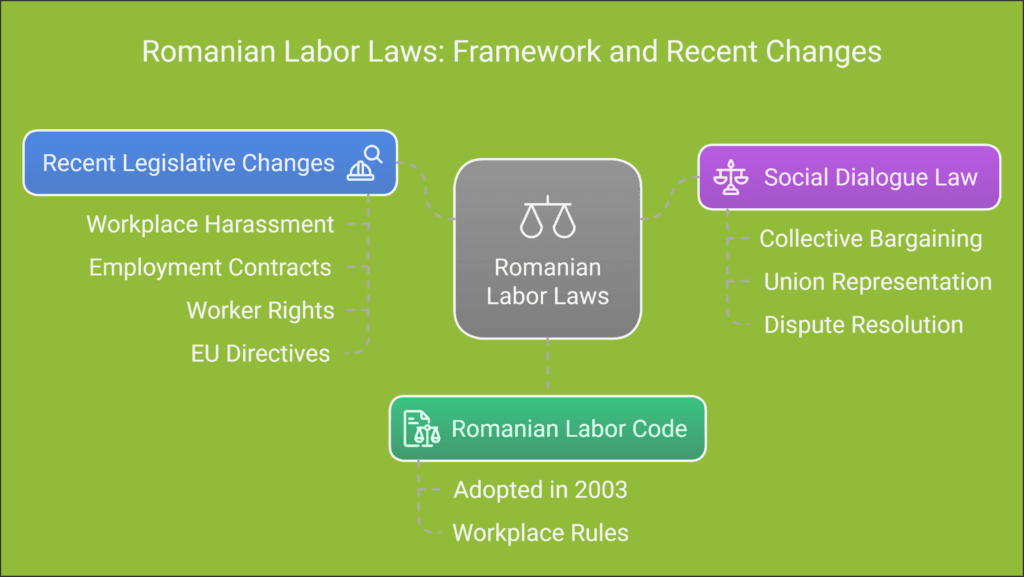
These uneven surfaces reduce tire traction, especially during rainy months.

FactorUrban AreasRural Areas
Road SurfacePaved (98%)35% unpaved
LightingFull coverage62% poorly lit
HazardsCongestionLivestock crossings

Adapting to Unpredictable Road Environments

Low-beam headlights become essential when encountering dimly lit vehicles on country roads.

The traffic code mandates winter tires from November to March—critical for mountain passes where black ice forms rapidly.

Drivers must adjust speeds below posted km/h limits when facing mudslides or fallen debris.

A 2023 study showed 71% of collisions occur when operators fail to adapt to sudden surface changes.

Regular vehicle checks prove vital for all road users.

Brake systems require monthly inspections during snowy months to maintain stopping power on steep inclines.

Proactive preparation aligns legal compliance with practical safety needs.

Conclusion

Operating vehicles in compliance with local regulations ensures safety and minimizes legal risks.

This text outlines measures to avoid penalties, from equipment checks to documentation standards.

Safety protocols like seat belt enforcement and alcohol limits are non-negotiable.

Exceeding speed limits incurs fines up to 2,610 lei and penalty points affecting license validity.

Repeat violations may trigger suspension.

Proper paperwork—insurance and registration—prevents disputes during inspections.

Authorities prioritize adherence to roadway rules, especially near stations or construction zones.

Staying informed about regulations helps maintain compliance.

Proactive preparation reduces risks and fosters secure driving.

Review guidelines, verify vehicle conditions, and consult legal experts as needed.

These steps ensure lawful operations across all road environments.

FAQ

What speed limits apply on Romanian roads?

Built-up areas enforce a 50 km/h limit, while national roads permit 90 km/h.
Highways allow speeds up to 130 km/h.
Exceeding these limits incurs fines ranging from 290 to 580 lei for minor violations, with higher penalties for severe breaches.

Which documents must drivers carry while operating a vehicle?

A valid driver’s license, vehicle registration papers, and proof of insurance (including a Green Card for non-EU vehicles) are mandatory. Foreign nationals must also present a passport or national ID.

How are traffic violations penalized under Romanian law?

Penalties include fines (up to 2,500 lei), license suspension, or penalty points.
Severe offenses like drunk driving (over 0.40 mg/L blood alcohol) may lead to criminal charges or imprisonment.

Can foreign drivers pay fines outside Romania?

Non-residents must settle fines within 48 hours through designated payment stations or online portals.
Unresolved penalties may result in vehicle impoundment during future entries.

How does the penalty point system function?

Drivers start with 12 points. Violations deduct 1–9 points depending on severity.
Losing all points triggers a six-month license suspension.
Points reset after three years without offenses.

What blood alcohol level is prohibited?

Romania enforces a zero-tolerance policy for drivers under 24 or professionals.
Others face penalties if blood alcohol exceeds 0.40 mg/L. Fines range from 1,450 to 2,900 lei.

Are speed camera fines enforceable for rental cars?

Rental agencies may charge administrative fees and forward fines to the driver’s address.
Disputes require submitting evidence to local police within 15 days.

Is international insurance valid in Romania?

A Green Card ensures third-party liability coverage.
Drivers without it must purchase border insurance.
Comprehensive policies from EU providers are also accepted.

What challenges exist on rural Romanian roads?

Uneven surfaces, limited signage, and livestock crossings are common.
Drivers should reduce speed and avoid night travel in poorly lit areas.

How can legal disputes over fines be resolved?

Contact office@theromanianlawyers.com for assistance with appeals, payment issues, or court representation.
Documentation must be submitted within the statutory 30-day period.
Play
preliminary sale agreement

Secure Your Apartment with a Preliminary Sale-Purchase Agreement

Secure Your Apartment with a Preliminary Sale-Purchase Agreement

Are you sure your new apartment is safe from unexpected problems?

Top notaries in France and Italy push for early agreements.

These agreements lock in key terms before the final deal.

A good preliminary agreement follows Romanian rules and cuts down on costly fights.

For personalized advice, email us at office@theromanianlawyers.com.

preliminary sale-purchase agreement for apartment

Key Takeaways

  • Sets clear expectations for both buyer and seller;
  • Outlines payment obligations and property details;
  • Reduces risk of financial loss or withdrawal;
  • Reflects Romanian legal procedures and best practices;
  • Prevents misunderstandings through written commitments;
  • Offers peace of mind for a smooth apartment acquisition.


Why You Need a Binding Agreement Before Finalizing Your Apartment Purchase

Many real estate deals are uncertain without a solid agreement.

A binding contract builds trust by setting clear payment plans and key terms.

Romanian law backs these early deals, giving both sides peace of mind. For more info, email office@theromanianlawyers.com.

Ensuring Financial Safety

A clear agreement protects against unexpected price hikes or hidden costs.

It keeps buyers’ deposits safe and sellers know the offer is real.

It outlines payment and escrow details, making the deal smoother and avoiding delays.

Preventing Legal Complications

Writing down each party’s duties helps avoid costly legal fights.

Everyone knows what to expect about the property and timeline.

This approach stops contract breaches and makes the sale process clear under Romanian laws.

Key Clauses to Protect Your Interests in an Apartment Purchase

In France and Italy, contracts often include conditions for mortgage approval and keeping deposits.

These clauses protect both sides from risks.

In Romania, similar clauses are used, with clear deadlines and property details.

Contracts that cover any issues and penalties help avoid expensive disputes.

Penalty clauses keep everyone honest and prevent sudden deal cancellations.

Clear descriptions of the apartment’s condition build trust and confidence.

Loan-related clauses protect buyers from too much debt if financing fails.

An agreed deposit shows serious intent to buy.

For detailed advice, email office@theromanianlawyers.com to create a contract that follows Romanian laws.

ClausePurpose
Suspensive ConditionsAllows the buyer to exit if financing is refused
Deposit RetentionEncourages genuine commitment by holding initial funds
Penalty ProvisionsPrevents unjustified withdrawal by setting monetary consequences
Detailed Property DescriptionOutlines exact features and encumbrances for clarity

How a Preliminary Sale-Purchase Agreement for Apartment Secures Your Investment

In many EU countries, a clear first contract is key.

It sets the main terms, avoiding surprises and keeping trust.

Romanian real estate experts say a solid preliminary agreement can boost your position before signing.

Establishing the Purchase Price

Setting the final price gives certainty and lowers dispute risks.

Buyers can plan their finances better knowing their costs.

Sellers feel secure knowing the deal is serious and will go through once conditions are met.

Defining Property Specifications

Clear details on size, boundaries, and key features prevent confusion.

Specifics on fixtures, shared areas, and co-ownership are vital.

This ensures a strong agreement that follows Romanian laws and protects your interests.

For help with these agreements, email office@theromanianlawyers.com.

Role of a Real Estate Attorney in Drafting Your Agreement

real estate attorney

A real estate attorney makes sure every part of the agreement is clear.

They make sure it follows Romanian property laws.

This helps avoid legal problems.

Our team of real estate lawyers in Bucharest do a deep check to find any hidden issues.

This helps protect both sides from unexpected costs.

Some important things a real estate attorney checks include:

Getting good advice can prevent legal fights in the future.

It keeps everyone’s interests safe.

For help and advice, email office@theromanianlawyers.com.

Avoiding Common Pitfalls in Apartment Sales Agreements

Looking closely at every detail in an apartment deal can save a lot of trouble.

Contracts that miss checks on taxes or permits can lead to big problems.

By carefully checking each part, you make sure your money is safe before you sign.

Common mistakes include:

  • Unclear municipal tax obligations;
  • Undefined co-ownership contributions;
  • Inaccurate or missing building permits.

Having clear records of property lines and proof of compliance makes talks smoother.

Legal advice can prevent issues with shared costs or maintenance fees.

When everyone knows what they owe, things go more smoothly.

Hidden Fees and Penalties

Hidden charges can pop up after you sign.

Clauses that aren’t clear can lead to long fights.

Checking the building’s condition and local rules can avoid extra costs.

Buyers should make sure all terms are clear and fair.

It’s key to review contracts well when buying an apartment in Romania.
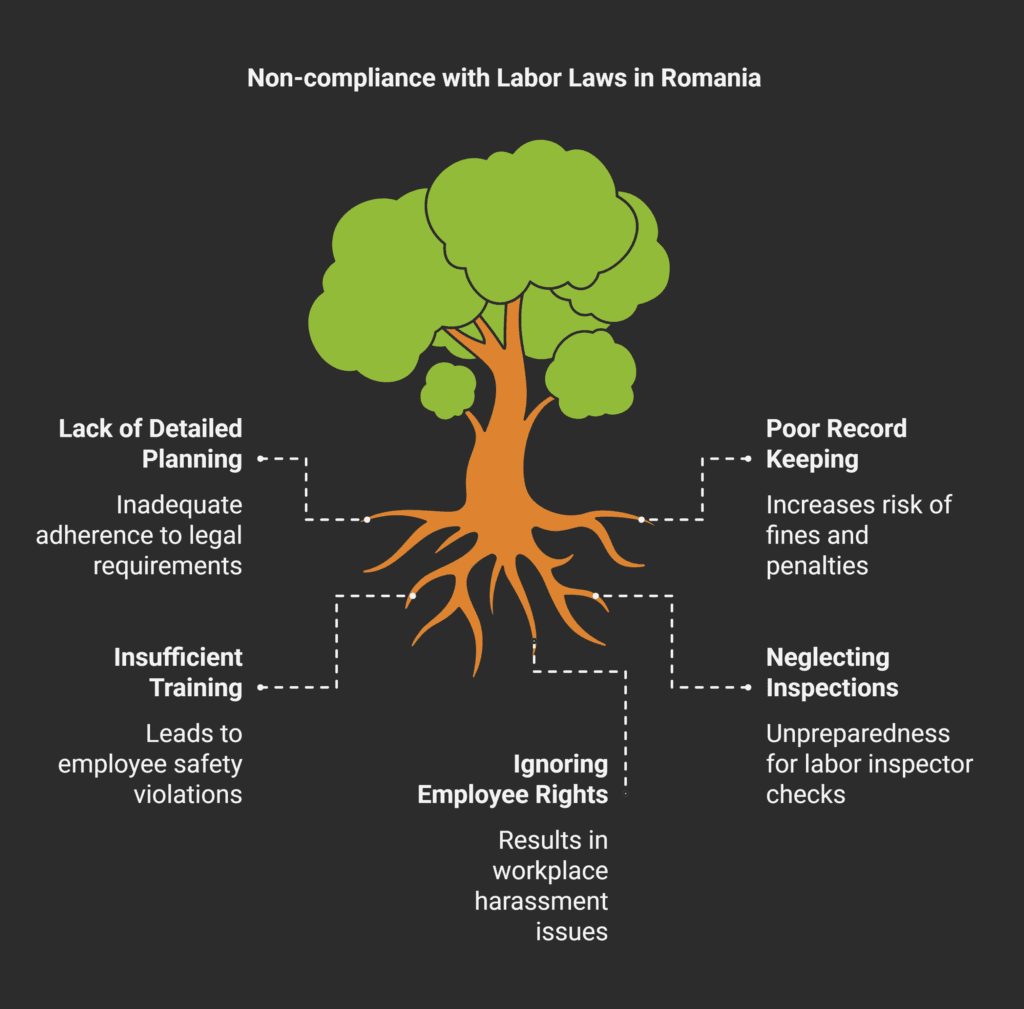
For help with sales papers or making your own, email office@theromanianlawyers.com.

This way, you protect your financial and legal rights.

Protecting Your Down Payment in a Condo Sale Agreement

When you buy a condo, keeping your down payment safe is key.

Many places in the EU use escrow or notarial deposits.

This keeps your money safe until certain things happen.

In Romania, if the deal falls through, you get your money back fast.

This makes both sides feel secure.

It shows the buyer is serious and the seller is ready to go through with it.

Protecting Your Down Payment in a Condo Sale Agreement

The agreement has clear rules to avoid confusion.

Every part of it helps make sure the money is released right.

This builds trust and makes the deal go smoothly.

It also shows that everything is above board, which is good for business.

If you need help or advice, email office@theromanianlawyers.com.

This way, you protect your investment and make sure your condo deal goes well in Romania.

Tips for Negotiating an Apartment Purchase Contract

Effective negotiations start with a clear plan.

This plan should cover financial terms and any post-purchase improvements.

In other EU countries, talks often include phased payments, renovation timelines, and firm due dates.

These are key to protect everyone involved, just like in Romania.

A detailed approach can prevent disputes before they start.

Getting advice from a legal expert can add extra security.

For any questions, email office@theromanianlawyers.com.

Key Negotiation ElementMain Advantage
Phased PaymentsReduces financial strain at signing
Renovation SchedulesConfirms proper authorization for each step
Precise DeadlinesPrevents disputes over completion dates

Setting a Realistic Timeframe

Having a clear schedule for getting funds and checking building plans is beneficial.

It helps reduce stress and builds trust between the buyer and seller.

Clarifying Renovation Protocols

An organized renovation plan outlines expected costs and legal duties.

Recording every update in the contract helps maintain trust and accountability.

Legal Implications of a Residential Real Estate Agreement

A formal contract is key for safe property transfers.

In France and Italy, making the agreement official is a must.

Romania also follows this rule.

This step helps protect everyone if someone doesn’t follow through.

residential real estate agreement

Having a solid agreement is important for shared ownership, getting a mortgage, or dealing with international issues.

A notarized deed is strong evidence in Romania.

It helps avoid long legal battles.

Following local rules builds trust and makes owning property smoother.

When to Seek a Notary or Lawyer

It’s wise to get help from a pro before things get complicated.

Getting advice early helps understand who does what and when.

You can choose a public notary or a lawyer in Romania.

Both options mean your deal will be checked carefully and legally.

For more information, email office@theromanianlawyers.com.

Securing Your Transaction with Complete Paperwork

Every serious real estate deal needs accurate documents.

Buyers in Romania should check official records.

They must ensure the correct owner is listed and there are no outstanding liens or legal disputes.

This process includes registering with local authorities and checking the seller’s ID.

Tax clearances and official property plans are also key for clarity.

Romanian law follows European guidelines, requiring honest disclosures from sellers.

Buyers do their homework to protect themselves.

They verify proof of ownership, cadastral details, and any co-ownership agreements to avoid hidden problems.

Experts suggest registering documents offline or online.

This way, both parties can move forward with confidence.

Property inspections should also confirm the residence meets local standards.

For personalized advice and a secure closing process, contact office@theromanianlawyers.com.

Finalizing the Real Estate Sales Contract

The final step in a Romanian real estate contract is all about precision.

Buyers and sellers should check important details like financing and permits before signing.

This step follows global standards and helps avoid last-minute problems.

an office with people working

It’s important for both sides to get their documents ready and meet their obligations.

Understanding Contingencies

Contingencies protect both sides from unexpected issues.

Getting financing approval and checking local zoning rules are key.

These steps ensure everything is in order, building trust and clarity.

ContingencyDescription
Financing ApprovalSecures a valid mortgage or loan guarantee
Municipal PermitsConfirms local compliance for zoning and construction

Scheduling the Closing Date

Having a clear timeline is essential to avoid delays.

The seller and buyer make final payments and hand over the property on time.

A well-set closing date helps keep everything running smoothly under Romanian law.

Where to Get Expert Advice and Support in Romania

Seasoned Romanian attorneys are ready to help at every step of buying or selling property.

They guide on local laws, mortgage procedures, and final paperwork.

This helps protect your rights and avoid legal issues.

For personalized help, email office@theromanianlawyers.com.

Legal experts in Bucharest and other areas check contracts, do risk reviews, and help until the property is fully recorded.

Their help ensures legal certainty for both local and foreign investors.

A well-drafted preliminary agreement makes negotiations easier and ensures a smooth closing.

With the right support, any sale meets Romanian standards and follows international best practices.

Conclusion

A preliminary sale-purchase agreement for an apartment in Romania brings stability from the start. It makes sure everyone knows the property details and when things need to happen. This helps avoid surprises before the final contract.

Working with a real estate attorney in Bucharest or elsewhere is very helpful. They make sure all documents follow Romanian property law. This means every part of the agreement is clear and meets legal standards.

Having legal advice makes sure there are no misunderstandings. It helps everyone talk clearly and avoid problems. This makes the investment safe and meets both local and international standards.

If you want more peace of mind, you can email office@theromanianlawyers.com. This connects you with experts who handle all the details. They make sure everything goes smoothly from start to finish.

FAQ

What is the main purpose of a preliminary sale-purchase agreement for an apartment in Romania?

A preliminary sale-purchase agreement is key. It outlines important details like payment plans and property specifics. It also includes legal terms before the final contract is signed. This ensures both sides are committed and reduces the chance of backing out without penalty.

How does this agreement protect my down payment?

This agreement often includes special clauses to protect your down payment. For example, escrow or holdback arrangements can keep your funds safe. If the seller doesn’t follow through, you can get your money back, keeping your investment secure.

Are there standard purchase agreement terms in Romanian real estate?

Yes, Romanian property law follows European standards. It requires clear details on payment schedules, property issues, and shared ownership. Including these in your agreement helps avoid misunderstandings and keeps things legal.

What clauses are essential to include in a property pre-sale contract?

Important clauses include penalties for backing out without reason and detailed property specs. They also cover what’s included in the sale and financing options. These ensure both sides know their responsibilities in the deal.

Is it mandatory to have a lawyer in Bucharest or another Romanian city draft the contract?

While not required by law, hiring a lawyer is highly advised. They can check if the contract follows local laws and explain any legal documents. This helps prevent legal issues and makes the agreement strong.

What if financing is not secured in time?

Many agreements have clauses about loans. These say the buyer’s commitment depends on getting financing by a certain date. If the buyer can’t get a mortgage, the agreement might let them out without big penalties, depending on the contract.

How do penalty clauses work in an apartment negotiation agreement?

Penalty clauses charge a fee or penalty if someone backs out without a good reason. This discourages unnecessary withdrawals and helps the other party if there are delays or losses.

Are property inspections and disclosures mandatory?

Yes, Romanian law requires full disclosure about property issues and shared ownership. While not always needed, inspections and detailed records are key. They help confirm the property’s condition, which is vital in any sale agreement.

How does scheduling the closing date help finalize the real estate sales contract?

Setting a closing date helps both sides prepare. It ensures they have all necessary documents and permits ready. A clear date in the agreement helps avoid last-minute problems and makes the transfer of ownership smooth.

What resources exist for further guidance on an apartment investment agreement?

For more help, buyers and sellers can talk to law offices in Bucharest or Romania. These experts can review documents, handle negotiations, and create a contract that follows local and international standards.

What is a Preliminary Sale-Purchase Agreement in Real Estate Transactions?

A preliminary agreement, also known as a preliminary contract or preliminary real estate purchase and sale document, is a legally binding document that precedes the final contract in real estate transactions. This document establishes the intention of the buyer and the seller to conclude a transaction involving property. The preliminary purchase and sale agreement outlines the essential terms upon which the parties involved agree to proceed with the sale of the property. Unlike the final agreement, which transfers ownership, the preliminary sale document creates mutual obligations between the two parties to execute the actual purchase and sale at a later date under the conditions stipulated in the agreement. It serves as protection for both the buyer and seller by establishing their rights and obligations before the notarial deed is executed.

What Should Be Included in a Preliminary Real Estate Purchase Agreement?

A comprehensive preliminary purchase agreement should include several key elements to protect both parties. First, it must clearly identify the parties involved with their full legal names and addresses. The document should contain a detailed description of the property being sold, including its address, size, and registration details. The price of the property must be explicitly stated, along with payment terms and schedule. Additionally, the preliminary agreement should specify the deadline for signing the preliminary contract of sale and completing the real estate purchase and sale. It should outline conditions under which either party may terminate the agreement and any penalties for non-performance. The document should also address how deposits will be handled, whether the sale of real estate is contingent on mortgage approval, and any additional conditions important to the parties to sell and purchase. Finally, it should include signatures of both parties and preferably be notarized to enhance its legal standing.

Play

Recognition of Paternity in Romania: Insights into Romanian Civil Law

Recognition of Paternity in Romania: Insights into Romanian Civil Law

Ever wondered how paternity recognition works in Romania?

Romanian laws on paternity are important for families.

They affect child support and who gets what in the future.

Figuring out paternity in Romania might seem hard, but it’s important for kids and parents.

Paternity Recognition in Romania

Paternity Recognition in Romania

Paternity tests in Romania are very accurate.

They help solve family mysteries.

Romanian laws on child support aim to help kids while considering both parents’ roles.

Key Takeaways

  • Romanian paternity laws blend modern practices with cultural traditions;
  • Establishing paternity is key for child support and inheritance rights;
  • Paternity testing in Romania uses advanced methods for accuracy;
  • Legal services are available for international paternity cases;
  • Understanding the process is essential for both mothers and fathers.

Legal experts in Romania can help with paternity cases, even those involving other countries.

They make sure your rights are looked after.

For cases with foreign divorce decisions or marriages with Romanian citizens, they know how to handle it.

Understanding Romanian Paternity Laws and Legal Framework

Romanian family law has clear rules for recognizing paternity.

The new Romanian Civil Code (287/2009) explains how to establish and challenge paternity.

This code impacts the rights of unmarried fathers and the process of acknowledging paternity voluntarily.

Overview of Current Legislation

The Civil Code says the legal conception period is 180 to 300 days before birth.

It allows using DNA tests to challenge paternity.

The law sets time limits for proving or disputing paternity.

Romanian Paternity Laws and Legal Framework

International Treaties and Agreements

Romania follows international agreements that affect paternity cases with foreign citizens.

These agreements help apply paternity laws consistently across borders.

They influence how to challenge paternity in Romania.

Legal Definition of Paternity in Romania

Romanian law has three ways to prove paternity: voluntary, forced, and legal presumptions.

Children born in marriage are presumed to have a father.

Those born out of wedlock need a recognition statement or court order.

The Civil Code also gives rights to children born through assisted reproduction, just like naturally conceived ones.

Paternity Recognition in Romania: Basic Procedures

In Romania, establishing paternity follows certain legal steps.

The 2011 Romanian Civil Code sets out the rules for both married and unmarried couples.

If a child is born within 180 to 300 days of marriage, the husband is usually considered the father.

Unmarried fathers in Romania can also claim their rights.

They can sign a voluntary acknowledgment of paternity with the mother’s consent.

If there’s a dispute, the court may get involved.

Paternity laws Romania

Paternity laws Romania

DNA testing is key in disputed cases.

Romanian Courts often order these tests to confirm paternity.

Two labs perform the tests to ensure they’re accurate.

The results are very important in making legal decisions.

In cases where the father has passed away, courts look at all the evidence.

This might include DNA from relatives or other biological samples.

The Civil Code allows for changes in civil status based on new evidence.

It’s important to understand paternity rights in Romania.

The process can be complex, even more so in international cases.

Getting legal advice is a good idea to make sure parental rights are recognized correctly.

Voluntary Acknowledgment of Paternity Process

In Romania, making a father legally recognized is easy.

This way, dads can officially acknowledge their kids without going to court.

It’s key for the child’s birth record and for figuring out child support.

Voluntary Acknowledgment of Paternity Process Romania

Required Documentation

To begin, you need certain papers.

These are:

  • Valid identification papers for both parents;
  • Child’s birth certificate;
  • Declaration of paternity form.

The form must have the father, mother, and child’s details.

Both parents must sign it.

Filing Procedures

Take your application to the civil status registration authority (RACS).

During martial law, you can even send it remotely.

This makes things easier for parents who are far apart or live abroad.

Timeline and Costs

The time it takes to acknowledge paternity is short.

The costs are low, mostly for administrative fees.

After it’s done, the father’s legal rights are established.

This is important for the child’s birth record and for child support in Romania.

If problems come up later, parents can try mediation or get legal help.

The Brussels IIb Regulation helps with cases across the EU.

It makes sure decisions are followed everywhere.

DNA Testing for Paternity Establishment

DNA testing in Romania is key for proving family ties.

It’s used when someone doubts a parent’s identity or when a court needs to decide.

The European Court of Human Rights sees DNA tests as vital in these cases.

Want to prove who a child’s father is in Romania?

DNA tests can help.

They can be asked for by parents or ordered by judges.

Samples from the child, mother, and alleged father are taken and checked in labs.

For unmarried dads, DNA tests are very important.

A positive test can help prove you’re the father.

This might lead to changes on the child’s birth certificate and legal rights.

The Romanian courts look at DNA tests as strong evidence.

But they also think about what’s best for the child.

If you’re in a dispute, getting legal advice is smart.

It helps understand DNA testing’s role in your rights and duties.

Legal Rights and Responsibilities of Fathers in Romania

Paternity establishment in Romania gives fathers big rights and duties.

Knowing these can help you play your role well.

Legal Rights and Responsibilities of Fathers in Romania

Custody and Visitation Rights

In Romania, courts decide on custody and visits based on what’s best for the child.

They try to keep both parents involved.

If you’re not together, you can ask for custody or visitation rights.

Financial Obligations

By acknowledging paternity in Romania, you must help with your child’s costs.

This includes education, healthcare, and everyday expenses.

Courts will decide how much you should pay based on your income and the child’s needs.

Decision-Making Authority

As a father with established paternity, you get to make big decisions for your child.

This includes education, healthcare, and religious choices.

If you have joint custody, you and the other parent must agree on these decisions.

AspectFather’s Rights/Responsibilities
CustodyRight to seek full or joint custody
VisitationRight to establish visitation schedule
Financial SupportObligation to contribute to child’s upbringing
Decision MakingAuthority in education, healthcare, and religious choices

Remember, DNA paternity testing in Romania is key if there’s doubt.

Once paternity is confirmed, you’ll need to update the birth certificate.

This makes sure your rights and duties are legally recognized.

Challenging Paternity in Romanian Courts

In Romania, the legal process for challenging paternity is complex.

The European Court of Human Rights (ECHR) has made rulings on child support cases.

They stress the importance of fairness between family stability and individual rights.

Grounds for Contesting Paternity

Fathers can challenge paternity by filing a court case.

This usually involves DNA tests to confirm biological ties.

The rules for these challenges are found in Romania’s Civil and Family Codes.

Legal Time Limits

Romania’s new Civil Code says paternity suits can be reopened during the child’s lifetime.

This means cases can be reopened even years after the initial decision.

Court Procedures

The court procedures for challenging paternity are detailed.

They may require affidavits of paternity, DNA test results, and other evidence.

For unmarried parents, the rights can be complex.

It’s wise to get a Romanian lawyer to help with the process.

Remember, challenging paternity can change child support and the rights of the legal father in Romania.

The ECHR has given damages in cases where paternity proceedings were unfairly denied.

This shows the need for fair process in these matters.

International Aspects of Paternity Recognition

Figuring out paternity in Romania gets tricky when there are international ties.

The Romanian Civil Code helps guide these cases.

For married couples, the law of their marriage at the child’s birth decides paternity.

If they were divorced before the child was born, the divorce law applies.

For unmarried parents, the child’s birth country’s law decides paternity.

Romania looks at the child’s citizenship to decide which law is best.

This way, genetic testing and parental rights are fair for everyone.

The laws cover important areas like the child’s name and who pays for their needs.

These rules help with paternity tests, even when countries are involved.

It makes sure everything is clear and fair.

Romanian laws on child custody also think about international cases.

The mother’s country’s law decides who pays for pregnancy and birth costs.

This helps make sure paternity is recognized fairly, even in complicated cases.

Birth Registration and Certificate Amendments

In Romania, registering a birth is key to establishing paternity and securing a child’s legal identity.

The process involves several steps and documents.

If changes are needed, there are specific procedures for amendments.

Birth Registration and Certificate Amendments Romania

Registration Process

You must register your child’s birth within 15 days in Romania.

If you miss this deadline, you’ll need approval from the local mayor.

Delays beyond a year require a court procedure and a medico-legal assessment, which comes with a fee.

This process is part of family law Romania and affects father’s rights Romania.

Required Documents

To register a birth, you’ll need:

  • Parents’ identity documents;
  • Medical certificate of birth;
  • Marriage certificate (if applicable);
  • Declaration of name choice.

Amendment Procedures

If you need to amend a birth certificate, perhaps due to contested paternity Romania or DNA testing paternity Romania, you can request corrections.

The process involves submitting evidence to support the change.

For unmarried fathers rights Romania, establishing paternity after initial registration may require additional steps.

Certificate TypeDescriptionUsage
Birth CertificateOlder versionValid for official purposes
Birth Certificate ExtractNew versionCurrent standard for new registrations

Remember, Romania doesn’t distinguish between legitimate and illegitimate births.

All children are born legitimate, regardless of their parents’ marital status.

This approach simplifies many aspects of family law Romania.

Child Support and Maintenance Obligations

In Romania, child support is key in legal parentage.

It’s based on income, number of kids, and custody.

Single mothers often start with parentage acknowledgment to get support.

DNA testing in Romania proves legal paternity when needed.

It’s very helpful in disputes. After confirming paternity, the court sets child support amounts.

Romania’s laws consider many factors for child support.

The State Allowance for kids is not taken from support. This means kids get both kinds of support.

AspectDetails
Legal FrameworkHague Convention 2007
State AllowanceNot deducted from child support
International CasesDiplomatic channels for non-convention countries
Free Legal AssistanceAvailable for child support cases

For international cases, Romania uses the Hague Convention 2007.

This helps with child support across borders.

For non-convention countries, Romania gets help through diplomatic channels.

Legal Support and Professional Assistance

Understanding paternity in Romania can be tough.

Getting legal help is key to knowing your rights and duties.

Family lawyers in Romania can guide you on paternity, custody, and parental roles.

Finding Legal Representation

For legal aid on paternity in Romania, find lawyers with family law experience.

They can help from starting the affidavit of paternity to custody and child support.

They know about unwed father rights too.

Contact Information

For top legal help on paternity in Romania, reach out to Atrium Romanian Lawyers at office@theromanianlawyers.com.

They focus on international family law and can assist with the paternity process.

Conclusion

Understanding family law in Romania, like establishing paternity rights, can be tricky.

This article has covered the main points of paternity recognition.

It includes voluntary acknowledgment and the rights of unmarried fathers.

Knowing these details is key for parents and kids.

The Romanian Civil Code protects children born in and out of wedlock well.

It outlines clear rules for birth registration and paternity.

This ensures equal rights for all, no matter the birth circumstances.

DNA testing is now a key tool in proving biological paternity, accepted by Romanian courts.

Remember, getting professional help is very important.

Whether you’re acknowledging paternity or fighting it in court, legal advice is vital.

It helps protect your rights and ensures the best outcome for everyone.

Family law in Romania is changing, with new EU rules aiming to make recognizing parenthood easier across borders.

By knowing your rights and duties in paternity cases, you can make choices that are best for your child.

These legal rules aim to give children stability and protection.

They do this, no matter if the parents are married or not, or how the child was conceived.

FAQ

How is paternity legally established in Romania?

In Romania, paternity can be confirmed in a few ways.

The father can acknowledge it voluntarily, the court can order it, or DNA tests can prove it.

If a couple is married, the husband is usually considered the father of any children born during the marriage.

What documents are needed for voluntary paternity acknowledgment in Romania?

To acknowledge paternity voluntarily, you’ll need some documents.

These include ID for both parents, the child’s birth certificate, and a signed declaration of paternity.

The exact documents needed might change, so it’s wise to check with your local civil registry office.

How long does the voluntary paternity acknowledgment process take in Romania?

The time it takes to acknowledge paternity voluntarily in Romania varies.

It usually takes a few weeks after all documents are submitted.

In some cases, there might be a faster option.

Is DNA testing mandatory for establishing paternity in Romania?

DNA testing isn’t always needed but can be required by the court in disputes.

It’s also an option for fathers who want to confirm paternity on their own.

What rights does an unmarried father have in Romania?

Once paternity is confirmed, unmarried fathers in Romania have similar rights to married fathers.

These include custody and visitation rights.

But, they might need to take extra legal steps to claim these rights.

How is child support calculated in Romania?

Child support in Romania is based on the non-custodial parent’s income, the number of children, and the custody arrangement.

The court also considers other factors to ensure the child’s needs are met.

Can paternity be challenged after it has been established in Romania?

Yes, paternity can be challenged in Romanian courts.

There are legal limits and specific reasons for doing so, like fraud or mistaken identity.

How does Romanian law handle international paternity cases?

Furthermore, Romanian law deals with international paternity cases by considering both domestic laws and international treaties.

The process might involve recognizing foreign judgments or applying Romanian law, depending on the case.

Can a birth certificate be amended to add or change paternity information in Romania?

Yes, birth certificates in Romania can be updated to reflect changes in paternity.

You’ll need to submit a request to the civil registry office with the necessary documents.

Where can I find legal assistance for paternity issues in Romania?

For legal help with paternity issues in Romania, you can reach out to specialized family law attorneys.

Our Romanian Law Firm offer help for both Romanian citizens abroad and foreign citizens in Romania.

Identifying Abusive Clauses in Romanian Consumer Contracts for Better Protection

Identifying Abusive Clauses in Romanian Consumer Contracts for Better Protection

Do you know that hidden, unfair terms in contracts could risk your consumer rights?

In Romania, the fight against these clauses is getting stronger.

Courts are dealing with more cases related to this issue.

This shows how important it is to be careful when signing agreements.

This is true, but even more so in banking and finance.

The Romanian civil code and consumer protection laws protect you from unfair terms.

But, many people don’t know their rights or how to spot these clauses.

Knowing the law is your best defense against unfair practices that could harm your finances.

Abusive Clauses in Romanian Consumer Contracts

Recently, the European Court of Justice made a big change.

Now, Romanian judges must check agreements for unfairness on their own.

This is a big step to make things fairer for consumers.

When dealing with consumer agreements, knowing is key.

By learning about common abusive clauses and your legal rights, you can make better choices.

You can also challenge unfair terms when needed.

For help with consumer rights and contract reviews, contact office@theromanianlawyers.com.

Key Takeaways

  • Romanian courts are seeing an increase in cases related to abusive clauses;
  • The European Court of Justice mandates ex officio assessment of unfair terms;
  • Law no. 193/2000 defines abusive clauses in consumer contracts;
  • Judges are required to restore contractual balance in unfair agreements;
  • Consumers should be aware of their rights under Romanian consumer protection laws;
  • Legal assistance is available for reviewing and challenging unfair contract terms.

Understanding Romanian Consumer Protection Framework

Romania’s consumer protection has grown a lot after joining the EU.

It aims to protect consumers from unfair contracts and ensure clear terms.

Let’s look at the main points of this framework.

Key Legislative Acts and Regulations

The Romanian consumer credit market has seen big changes to protect consumers better.

In 2021, 10 new rules were added to make contracts clearer.

These laws help make sure contracts are fair for everyone.

Scope of Consumer Protection Laws

Consumer laws in Romania cover many areas, like credit and financial services.

Yet, a 2023 survey found that 40% of consumers don’t know their rights.

This shows we need to teach more about the legal help available to consumers.

Romanian consumer protection framework

Regulatory Bodies and Enforcement Agencies

The National Authority for Consumer Protection (ANPC) and the Financial Supervisory Authority (ASF) are key in enforcing laws.

The ANPC said 25% of complaints in 2021 were about unfair contract terms.

The ASF works to prevent and solve problems, helping to educate consumers.

AspectData
Consumers encountering abusive clauses30%
Contracts with unclear terms35%
Consumers seeking legal advice15%
Consumers reading terms before signing20%

Legal Definition of Abusive Clauses under Romanian Law

Romanian law says abusive clauses are terms that make deals unfair.

These clauses often sneak into contracts without the consumer’s say.

The law, no. 193/2000, helps protect consumers from these unfair practices.

Predatory lending often uses these unfair terms.

These terms usually favor the business a lot.

For instance, clauses that let one side change the deal or impose huge penalties are seen as unfair.

Predatory clauses in consumer contracts

  • Lack of direct negotiation with the consumer;
  • Significant imbalance in rights and obligations;
  • Violation of good faith principles.

Knowing this law helps you spot unfair terms in contracts.

If you find terms that seem unfair or one-sided, they might be abusive.

Always check agreements well and get legal help if you think there are unfair clauses.

Abusive Clauses in Romanian Consumer Contracts

Abusive Clauses in Romanian Consumer Contracts

The Romanian legal system has become tougher on abusive clauses in consumer contracts.

Recent changes aim to protect consumers from unfair practices.

The Emergency Government Ordinance no. 58/2022, which took effect on May 28, 2022, brought significant updates to regulatory enforcement.

Non-negotiated Contract Terms

Non-negotiated terms often appear in standard form contracts.

These clauses can be problematic for consumers who have little say in their content.

The Romanian legal system now requires courts to analyze potentially abusive clauses as soon as they have enough legal and factual evidence.

Significant Contractual Imbalances

Contractual imbalances that heavily favor businesses over consumers are now subject to stricter scrutiny.

Sanctions for abusive clauses range from RON 20,000 to RON 100,000.

For large-scale violations, fines can reach up to 4% of a company’s turnover in Romania.

Good Faith Requirements

Businesses must act in good faith when drafting contracts.

The new regulations address issues like dual-quality products, with fines doubling if more than 100 consumers are affected.

Courts now have the power to order the removal of abusive clauses from all current contracts.

Violation TypeFine Range (RON)Maximum Fine for Large-scale Violations
Abusive Clauses20,000 – 100,000Up to 4% of annual turnover
Dual-quality Products20,000 – 100,000Up to 4% of annual turnover
Non-fulfillment of Court Orders5,000 – 200,000N/A

These changes reflect Romania’s commitment to aligning with EU standards and protecting consumers from unfair practices.

The increased fines and stricter enforcement measures aim to deter businesses from including abusive clauses in their contracts.

Common Types of Predatory Clauses in Consumer Agreements

Predatory Clauses in Consumer Agreements

Many consumer contracts have clauses that are unfair.

These clauses can harm consumer rights and lead to unfair practices.

Let’s look at some common types found in Romanian consumer agreements.

Variable Interest Rate Provisions

Variable interest rate clauses let lenders change rates based on the market.

They seem fair but can surprise consumers with higher costs.

Banks might use this to their advantage, violating consumer rights and needing legal action.

Unilateral Contract Modifications

Some agreements let companies change terms without asking the consumer.

This creates a big imbalance, usually in favor of the business.

It’s important for regulators to watch out for this to protect consumer rights.

Hidden Fees and Charges

Many contracts hide extra costs in small print or hard-to-understand language.

These hidden fees can make things much more expensive.

Consumers should watch out and seek legal help if they find these tricks.

Clause TypePotential ImpactConsumer Protection Measure
Variable Interest RatesUnexpected cost increasesInterest rate caps
Unilateral ModificationsUnfavorable contract changesMandatory notification periods
Hidden FeesHigher than advertised costsClear fee disclosure requirements

The National Authority for Consumer Protection (ANPC) has been cracking down on hidden fees and changes in consumer contracts.

This includes actions in the banking sector.

Their goal is to make sure consumer rights are respected and to fix unfair contract terms in different industries.

Consumer Rights and Legal Protections

Romanian consumers have strong legal protections against unfair terms and predatory practices.

The Consumer Protection Law No. 21/1992 is key to these safeguards.

It aims to balance the relationship between traders and consumers.

Consumer Rights and Legal Protections in Romania

Your rights as a consumer in Romania include:

  • Clear information about products and services;
  • Compensation for damages;
  • Safety from harmful goods;
  • Protection against unfair trading practices;
  • Shield from abusive contract clauses.

Consumer rights advocacy groups are vital in pushing for better business practices.

They offer support and guidance when dealing with unfair contract terms.

Legal remedies for consumers have been improved.

Fines for unfair terms now range from RON 20,000 to RON 100,000.

In cases affecting over 100 consumers, these fines can double.

If you face predatory practices, you can challenge them.

Consumer associations can publish final court judgments within 45 days.

This increases transparency.

You’re also exempt from court bond payments if your monthly income is below two minimum wages.

This makes legal action more accessible.

Consumer RightLegal BasisProtection Offered
Right to InformationLaw No. 21/1992Clear, comprehensible contract terms
Right to NegotiateEmergency Ordinance No. 58/2022Protection against non-negotiated terms
Right to ChallengeLaw No. 193/2000Ability to contest unfair clauses

Role of Courts in Identifying Abusive Clauses

Romanian courts are key in protecting consumers from unfair terms.

They can check if contract clauses are abusive, even if no one complains.

This power comes from EU laws and helps protect consumers.

Ex Officio Assessment Powers

Romanian courts can find and fix unfair terms in contracts on their own.

This helps keep consumers safe, even if they don’t know they’re being taken advantage of.

The courts look closely at contracts to make sure they’re fair.

Judicial Interpretation Guidelines

Romanian courts have rules to follow when checking contracts.

They look at who gets what, if the contract is clear, and how it affects consumers.

They also watch out for clauses that change things without notice and hidden fees.

Legal Precedents and Case Law

Important court decisions guide how Romanian courts deal with contracts. For example, the European Court of Justice said courts must check if terms are unfair on their own. This has made Romanian courts more careful with consumer contracts.

Key AspectCourt’s Role
Ex Officio AssessmentIndependently identify abusive clauses
Interpretation GuidelinesEvaluate balance, clarity, and economic impact
Legal PrecedentsApply ECJ rulings to national cases

Banking and Financial Contract Protections

Romania has strong laws for banking and financial contracts.

These laws protect consumers by making sure contracts are clear and fair.

The Romanian Civil Code and laws like O.U.G. no. 50/2010 and O.U.G. no. 52/2016 are key to these protections.

Foreign Currency Loan Agreements

Foreign currency loans can be risky for consumers.

The Civil Code says borrowers must pay back the full amount, no matter the currency’s value.

This can be tough when currency values change.

The case of Șerban vs. Banca Transilvania SA showed the challenges of foreign currency loans.

It highlighted the need for better consumer protection.

Credit Agreement Safeguards

Credit agreements in Romania must follow strict rules.

O.U.G. no. 50/2010 makes sure interest rates, fees, and repayment terms are fair.

For mortgage loans, O.U.G. no. 52/2016 adds extra protections based on EU rules.

Risk Disclosure Requirements

Transparency is very important in financial contracts.

Banks must tell consumers about the risks of their products.

The Financial Supervisory Authority (A.S.F.) makes sure this happens, so consumers know what they’re getting into.

LawPurposeKey Provisions
Civil CodeGeneral loan regulationNominal amount repayment, interest rules
O.U.G. no. 50/2010Consumer credit agreementsInterest rates, fees, repayment terms
O.U.G. no. 52/2016Mortgage loansResidential property credit protections

Knowing about these protections helps you make better choices when dealing with financial agreements.

Always check the contract terms and ask for help if something is unclear.

This way, you can make sure your rights are looked after under Romanian contract law.

Remedies and Legal Actions Available to Consumers

Remedies and Legal Actions Available to Consumers in Romania

Romanian laws help consumers deal with unfair contract terms.

The National Authority for Consumer Protection (ANPC) is key in keeping things fair.

It protects your rights as a consumer.

If you find unfair terms, you can report it to ANPC.

They check businesses and can fine them if they break the law.

In 2022, they even fined hotels for not being clean or serving bad food.

Mediation is another way to solve problems without going to court.

It’s quicker and cheaper than legal battles.

For bigger issues, you can go to court.

Romanian law lets you ask for fixes, refunds, or to cancel the contract.

Consumer groups can also sue on your behalf.

RemedyDescriptionTimeframe
ANPC ComplaintFile a complaint with the National Authority for Consumer Protection15-30 days for initial response
MediationSeek resolution through a neutral third partyVaries, typically 1-3 months
Court ActionFile a lawsuit for contract termination or damagesCan take several months to years

Remember, EU law makes unfair contract terms invalid.

This means you keep your rights, even when faced with unfair contracts.

European Union Influence on Romanian Consumer Protection

The European Union has greatly influenced Romania’s consumer protection laws.

This has led to better protection against unfair contract terms and predatory business practices.

EU Directives Implementation

Romania has adopted key EU directives to boost consumer rights.

Law no. 193/2000, for example, makes sure consumer contracts are fair.

It aims to protect consumers from unfair business tactics.

Cross-border Consumer Protection

EU rules also protect Romanian consumers when they deal with businesses from other EU countries.

This safeguard helps prevent unfair treatment in international deals.

Harmonization with EU Standards

The Romanian legal system works closely with the European Court of Justice.

This ensures EU consumer protection laws are applied correctly.

The court’s decisions have been key in clarifying what makes a contract unfair.

EU DirectiveRomanian ImplementationKey Provisions
Directive 2011/83/EC (Consumer Rights)Government Emergency Ordinance no. 34/201414-day withdrawal period for distance contracts
Directive 93/13/EEC (Unfair Terms)Law no. 193/2000Protection against significant contractual imbalances
Directive 2005/29/EC (Unfair Commercial Practices)Law no. 363/2007Regulation of misleading and aggressive practices

These EU laws have made consumer protection in Romania stronger.

They address unfair contract terms and business practices.

The ongoing effort to align with EU standards ensures Romanian consumers get the best legal protection.

Steps to Challenge Abusive Contractual Terms

Dealing with unfair contract terms?

You have rights as a consumer in Romania.

Here’s how to fight back:

  1. Check your contract for any unfair changes, unclear language, or high fees.
  2. Collect all important documents, like emails or letters from the company.
  3. Report the issue to the National Authority for Consumer Protection (ANPC) within 15 days.
  4. If ANPC doesn’t help, you can take legal action in court.
  5. Get advice from a Romanian lawyer who specializes in consumer rights to guide you.

Remember, bank loans often have strict rules.

Watch out for high interest rates, hidden costs, and sudden payment changes.

Knowing your rights under the Romanian Civil Procedure Code is key.

When fighting foreclosure, act fast.

You must defend yourself within 15 days at the local court.

Winning can cancel the foreclosure and refund your costs.

But losing means you’ll have to pay more and court fees.

By acting quickly and getting legal advice, you can defend against unfair contracts.

This way, you make sure your consumer rights are respected.

Conclusion

As Romania gets closer to EU standards, protecting consumers gets even better.

Laws like the one on abusive clauses are being updated.

Keep an eye out, know your rights, and help make sure contracts are fair in Romania.

It’s important to know the laws in Romania about protecting consumers.

You might ask, what are abusive clauses?

These are terms that make it unfair for you and favor the trader too much.

Examples include changes made without your agreement, harsh penalties, and hidden fees.

If you think your contract has unfair terms, get legal help fast.

The Consumer Protection Law No. 21/1992 helps keep you safe from unfair practices.

Also, remember, traders can’t make you agree to terms you don’t understand.

Breaking these rules can lead to big fines.

Companies might have to pay up to 5% of their income.

The ANPC can also fine them and even close their business if they keep breaking the rules.

For expert advice, you can reach out to Atrium Romanian Lawyers.

Our team of lawyers in Romania is known for their business law expertise in Romania.

Romania’s consumer protection laws follow EU standards.

You have 15 days to ask for fixes or new products if something is wrong.

If you need help with unfair liability clauses, there are many legal resources to help protect your rights.

FAQ

What constitutes an abusive clause under Romanian law?

In Romania, an abusive clause is a term in a contract that wasn’t negotiated individually.

It creates a big imbalance in the rights and duties of the parties, hurting the consumer.

These clauses are often in standard contracts and go against the principle of good faith.

How can I identify potentially abusive clauses in my contracts?

Look for terms that limit your rights or impose harsh penalties.

Also, watch out for clauses that let one side change the contract without your consent.

If a term seems unfair or unclear, it might be abusive.

What should I do if I suspect a contract I’ve signed contains abusive clauses?

First, carefully review the contract and find the clauses you think are abusive.

Then, you can file a complaint with the National Authority for Consumer Protection (ANPC) or get legal advice.

You might also challenge the clause in court or through alternative dispute resolution.

Can I negotiate or modify standard form contracts?

Yes, you can ask for changes in standard contracts. Some businesses might agree to modify certain terms.

If they say no and you think the terms are unfair, you can get help from consumer protection agencies or lawyers.

What are the most common types of abusive clauses in Romanian consumer contracts?

Common abusive clauses include terms that let one side change the contract without your consent.

They also include harsh penalties for breaking the contract, limits on the business’s liability, and unfair dispute resolution mechanisms.

Variable interest rates and hidden fees are also often problematic.

How long do I have to challenge an abusive clause after signing a contract?

There’s no time limit in Romania to challenge abusive clauses.

It’s best to act quickly when you find out about the issue.

The time limit for contractual claims is usually three years, but it can vary based on your case.

What are the possible consequences for businesses that use abusive clauses?

Businesses using abusive clauses might face fines from the ANPC.

Courts can also declare these clauses invalid, affecting the whole contract.

Repeated offenses can lead to harsher penalties and harm the company’s reputation.

In some cases, the business might have to pay affected consumers.

How does Romanian consumer protection law compare to EU standards?

Romanian consumer protection laws are mostly in line with EU standards.

Romania has adopted key EU directives, like Directive 93/13/EEC on unfair terms in consumer contracts.

The country keeps aligning its laws with EU regulations, ensuring Romanian consumers get similar protections as those in other EU countries.

Are there any specific industries or sectors where abusive clauses are more common?

Abusive clauses are often seen in banking and financial services, telecommunications, utility contracts, and rental agreements.

These sectors use standard contracts a lot, making them more likely to include unfair terms.

Where can I find legal assistance if I need help with an abusive clause issue?

You can get help from consumer protection associations, legal aid groups, or lawyers who specialize in consumer law.

The National Authority for Consumer Protection (ANPC) also offers support.

Some universities and non-profit groups have free legal clinics for consumer rights issues.

What are abusive clauses in consumer contracts and how are they defined under Romanian law?

In Romania, abusive clauses (also known as unfair terms) in consumer contracts are defined by Law No. 193/2000 regarding unfair terms in consumer contracts.

An abusive clause is a contractual provision that has not been directly negotiated with the consumer and which, contrary to the requirement of good faith, creates a significant imbalance between the rights and obligations of the parties, to the detriment of the consumer.

The Romanian legislation is aligned with the European Union Directive 93/13/EEC. A clause is abusive when it creates this imbalance, giving the professional (seller or service provider) an unfair advantage over the consumer.

It’s important to note that abusive terms are not binding on consumers, even if they have signed the contract.

What is the comprehensive list of abusive clauses recognized under Romanian consumer law?

Romanian Law No. 193/2000 regarding consumer protection against unfair terms provides a non-exhaustive list of abusive provisions.

Some examples of abusive clauses in consumer contracts include:

1. Terms that exclude or limit the legal liability of the professional for damages caused to the consumer

2. Clauses that restrict the consumer’s right to terminate the contract

3. Terms that allow the professional to unilaterally modify the contract terms without a valid reason

4. Clauses that bind the consumer while making the professional’s obligations subject to conditions whose realization depends solely on their will

5. Terms imposing disproportionate penalties on consumers for breach of contractual obligations

6. Clauses allowing professionals to transfer the contract without the consumer’s consent when this might reduce guarantees.

Inheritance in Romania: Succession, Tax, and Navigating Romanian Law

Inheritance in Romania: Succession, Tax, and Navigating Romanian Law

Ever thought about how inheritance laws in Romania could affect your family’s future?

Understanding Romanian inheritance laws can be tough, even for those who know the country well.

It’s key to grasp succession laws and estate planning to protect your assets and make sure your wishes are followed.

Starting in 1990, Romania has seen more people asking about inheritance laws.

This change, along with the EU Regulation 650/2012 in 2015, has made Romanian succession laws more complex.

Whether you live in Romania or own property there, knowing these laws is vital for planning your estate.

Inheritance in Romania

Romanian inheritance laws follow a civil law system, focusing on statutory rights for heirs.

This means children and spouses have guaranteed shares, even if a will says differently.

Without a will, the estate goes to relatives in a specific order, as the Romanian Civil Code dictates.

Getting help from a legal expert is often necessary when dealing with inheritance in Romania.

The rules for cross-border inheritance, taxes, and property transfers can be very complex.

An expert can guide you through your rights, legal steps, and ensure your assets are passed on smoothly to your loved ones.

Key Takeaways

  • Romanian inheritance laws prioritize statutory rights and forced heirship;
  • EU Regulation 650/2012 impacts succession rules for cases after August 17, 2015;
  • Intestate succession follows a predetermined order established by the Romanian Civil Code;
  • Professional legal assistance is key for complex inheritance procedures;
  • Regular updates to estate plans are recommended to align with changing laws and personal circumstances.

Understanding Romanian Inheritance Law Framework

The Romanian Civil Code is key to understanding inheritance laws in Romania.

It outlines the rules and procedures for succession rights.

It covers testamentary dispositions and intestate succession, providing a clear framework for inheritance.

Legal Basis and Civil Code Provisions

Romanian inheritance law is based on the Civil Code.

It defines legal heirs and their rights.

The code gives priority to family members, like children, spouses, and parents.

It also sets a hierarchy for succession without a will.

This includes descendants, ascendants, and collaterals.

Romanian inheritance law framework

Jurisdiction and Applicable Laws

Inheritance laws in Romania apply to both residents and non-residents with assets here.

The Romanian legal system has jurisdiction over all property within its borders.

This ensures consistent handling of succession matters for Romanian-based assets.

Key Legal Principles in Romanian Succession

Several key principles guide succession rights in Romania.

These include the recognition of three types of testaments: holographic, notarial, and secret.

For a will to be valid, it must be written, signed, and dated by the testator.

The law also protects certain heirs through reserved portion rights.

This limits a testator’s freedom to dispose of their entire estate.

Understanding these legal principles is vital for anyone dealing with inheritance in Romania.

They provide a solid foundation for navigating succession complexities and ensuring compliance with Romanian law.

Types of Succession Under Romanian Law

Romanian inheritance law has two main types: testamentary and intestate succession.

Knowing these is key for handling inheritance in Romania.

Types of inheritance romania

Testamentary succession in Romania happens with a valid will.

It lets people decide how their assets are shared after they pass away.

Wills in Romania can be handwritten, notarized, or made in special cases.

Intestate succession in Romania is for when there’s no will.

The law then decides how assets are split, usually favoring family first.

This means children, spouses, and parents get priority.

Succession TypeKey Features
TestamentaryBased on a valid will, allows personal asset distribution choices
IntestateFollows legal provisions, prioritizes family members

Both types of succession in Romania have rules.

For example, children and spouses have guaranteed shares of the estate.

Inheritance tax is low, at 1% if the transfer is after two years of the decedent’s death.

Knowing about these succession types helps you understand Romanian inheritance law better.

It ensures your estate is planned and distributed correctly.

Legal Heirs and Their Rights in Romania

It’s important to know about legal heirs in Romania and their rights.

Romanian law has four classes of legal heirs.

Each class has its own rights and order in the inheritance process.

Classes of Legal Heirs

The Romanian Civil Code clearly lists the order of inheritance:

  • First Class: Descendants (children, grandchildren);
  • Second Class: Parents and siblings;
  • Third Class: Grandparents and other ascendants;
  • Fourth Class: Extended family members.

Heirs in higher classes get priority over those in lower classes.

Closer relatives get more than distant ones within each class.

Legal heirs romania

Reserved Portion Rights

Reserved portion rights in Romania protect some heirs from being left out.

These rights make sure close family members get a fair share of the estate.

This is true even if the deceased wanted to leave them out.

HeirReserved Portion
Children1/2 of legal share
Surviving Spouse1/4 of estate
Parents1/4 of estate (if no children)

Disinheritance Rules

Disinheritance rules in Romania let testators exclude heirs under certain conditions.

Reasons include serious wrongs against the deceased or their family.

Courts can check these cases to make sure they follow the law.

Inheritance in Romania: Process and Procedures

The inheritance process in Romania is detailed and follows the Civil Code.

It involves notaries and courts working together.

This ensures assets are passed on to the right heirs.

Knowing the steps can help you understand this complex journey.

Opening the Succession

The first step is opening the succession.

A notary public must start this in the court area where the deceased lived.

The notary checks the family situation and verifies property documents and any will.

Notarial Proceedings

Notarial proceedings are key in the probate process in Romania.

The notary’s office is in the court area where the deceased lived.

Heirs have choices during these proceedings:

  • Accept the inheritance;
  • Accept under the benefit of inventory;
  • Renounce the inheritance.

Inheritance procedure in Romania

Required Documentation

To finish the inheritance process in Romania, you need certain documents.

These include:

  • Death certificate of the deceased;
  • Proof of kinship for heirs;
  • Property ownership documents;
  • The will, if one exists.

Heirs have one year to claim their inheritance after it’s opened.

If there are disputes, the court may step in.

Getting legal help can make navigating the process easier in Romania.

Romanian Testament Requirements

Romanian will and testament requirements

Making a valid will in Romania is key to passing on your assets as you wish.

Romanian laws allow for three types of wills: holographic, notarial, and secret.

Each has its own rules for being valid in Romania.

A holographic will is handwritten, dated, and signed by you.

It’s simple to make but less secure.

Notarial wills, made by a public notary, are safer.

Secret wills mix both, keeping your wishes private but legal.

When making a Romanian will, keep these points in mind:

  • Be clear about who gets what;
  • Choose someone to handle your estate;
  • Follow rules for spouses and children;
  • Make sure it’s dated and signed right.

Don’t think a printed document with a signature is enough under Romanian law.

For a will that’s legally sound, get help from a professional.

This can prevent arguments and make sure your wishes are followed.

Intestate Succession Rules

Intestate succession in Romania means how assets are shared when someone dies without a will.

The law has rules for who gets what and how much.

This ensures a fair split among family members.

Order of Inheritance

In Romania, the order of inheritance is clear.

First, children and spouses get the assets.

If there are no children, then parents, siblings, and more distant relatives get a share.

This way, everyone gets a fair piece of the estate.

Distribution of Assets

The rules for dividing up an estate are strict.

If there are multiple heirs in the same class, they get an equal share.

For example, if a person leaves a spouse and two kids, the estate is split into three parts.

The 2009 civil code also allows for dealing with heirs who don’t want to claim their share.

State’s Rights in Vacant Succession

If there are no legal heirs or they don’t claim the inheritance, the state takes it.

This is called vacant succession.

It makes sure that unclaimed assets benefit the public, not just sit idle.

Heir ClassInheritance ShareConditions
ChildrenEqual partsFirst in line
SpouseEqual to child’s shareInherits alongside children
ParentsEqual partsIf no children
SiblingsEqual partsIf no children or parents
StateEntire estateIf no legal heirs

Inheritance Tax Obligations in Romania

In Romania, the inheritance tax is quite low.

This makes the country a good place for passing on wealth.

It’s important to know about the tax rules to plan your estate well.

The tax rate on inheritance in Romania is 1% of the estate’s value.

This rule applies to assets received after two years of the person’s death.

If you settle the inheritance within two years, you won’t have to pay this tax.

When you claim your inheritance can affect your taxes.

There’s no strict deadline to start the process.

But, settling within two years can save you a lot of money.

This gives heirs more control over their inheritance.

Time FrameTax Rate
Within 2 years0%
After 2 years1%

For court procedures, you’ll need to pay a judicial stamp duty of 5% of the estate’s value.

Notarial procedures are quicker but cost more based on the estate’s value.

The authority for notarial procedures depends on the deceased’s last home or where the assets are if they lived abroad.

Getting professional help is key when dealing with inheritance taxes in Romania.

The rules can be tricky, and experts can guide you.

They help you manage your inheritance legally and efficiently.

Cross-Border Inheritance Issues

Handling international inheritance in Romania can be tricky.

The EU Succession Regulation makes things easier for EU citizens.

But, those outside the EU might face different rules.

It’s key to know these rules when dealing with Romanian assets or heirs.

EU Succession Regulation

The EU Succession Regulation lets people choose the law of their nationality for inheritance.

This rule applies in the EU and some non-EU countries, except for Denmark and Ireland.

Romanian authorities can reject rules that go against local policies, like discrimination.

International Property Rights

Cross-border inheritance in Romania includes all assets, no matter where they are.

This means cars, bank accounts, and houses are all covered.

The law of the deceased’s last home decides who gets what, who can’t be left out, and special shares for family members.

Conflict of Laws

Conflicts can happen when different laws apply to inheritance.

The EU Succession Regulation tries to reduce these by using the law of the deceased’s last home.

But, things like inheritance tax, marital status, and property rules are not covered by EU rules.

This makes international inheritance in Romania more complex.

For smooth asset transfers in cross-border inheritance, getting legal advice is vital.

It helps follow both Romanian and international laws.

This protects your rights and makes the inheritance process easier.

Role of Public Notaries in Romanian Inheritance

Public notaries are key in the Romanian inheritance process.

They manage notarial proceedings and help people through the complex probate process.

Their knowledge ensures wills are executed correctly, assets are distributed fairly, and disputes are solved.

In Romania, notaries are vital for many life events, including inheritance.

They help protect the rights of minors and the elderly during succession.

Public notaries in Romania verify and authenticate legal documents like wills and contracts.

AspectNotarial ServicesLitigation
Cost0.5% – 1% of transaction valueSeveral times higher
TimeFew hours to several daysMonths to years
Legal CertaintyHighUncertain

For help with notarial proceedings in Romanian inheritance, contact office@theromanianlawyers.com.

They can guide you through the probate process, ensuring a smooth and legal inheritance.

Inheritance Disputes and Resolution

Inheritance disputes in Romania can be complex and emotionally charged.

Understanding the common causes, legal remedies, and court procedures can help you navigate these challenging situations more effectively.

Common Causes of Disputes

Inheritance disputes in Romania often arise from contested wills, disagreements over asset valuation, or conflicts between heirs.

These disputes can strain family relationships and complicate the mourning process.

Legal Remedies

When facing inheritance disputes in Romania, you have several legal options.

Mediation offers a less adversarial approach to resolving conflicts.

If mediation fails, you may need to pursue court proceedings.

Consulting with a specialist in probate and estate planning is key for understanding your rights and the best course of action.

Court Procedures

Court procedures for inheritance disputes in Romania involve filing a claim with the competent court.

The court can intervene to pronounce the opening of inheritance and resolve disputes between heirs.

It’s important to maintain detailed records of all communications and decisions related to the estate, as these can be key in court proceedings.

If you’re facing inheritance disputes in Romania, seeking professional legal assistance is essential.

Contact our team of lawyers in Bucharest for expert guidance in navigating the complexities of Romanian inheritance law and resolving disputes effectively.

Property Transfer and Registration

Handling property transfer in Romania can be tricky.

There are several ways to transfer assets, like agreements or court decisions.

Knowing these options is key for a smooth process.

Legal succession follows Romanian law if there’s no will.

Testamentary succession follows the will of the deceased.

Both need careful legal handling.

The Romanian Law Firm Atrium Romanian Lawyers advises getting a real estate lawyer. Our team of Romanian lawyers guide through property acquisition and transfer.

We make sure everything follows the law and help with reports.

Important points for property registration in Romania include:

  • Heir Certificates from the old Civil Code need the succession author’s property title for first-time land book registration.
  • New Civil Code Heir Certificates serve as property titles themselves.
  • Registration rejections can occur due to missing Land Book Extracts or unpaid property transfer fees.
  • Certificates of Heir must be issued by Romanian Public Notaries.
  • Successors are registered as joint owners with shared quotas in land books.

Remember, the official language for submissions in public institutions is Romanian.

This affects how foreign documents are processed in property transfer Romania cases.

Acquisition MethodDescription
AgreementMutual consent between parties
Legal InheritanceDistribution according to law
Testamentary InheritanceDistribution as per will
AccessionNatural or artificial attachment
Usucaption30-year possession minimum
Court DecisionsLegal rulings on ownership

Special Rules for Agricultural Land Inheritance

In Romania, inheriting agricultural land has its own set of rules.

The country’s land registry and rules on foreign ownership play a big role.

It’s important to know these rules to make the inheritance process smooth.

Land Registry Requirements

To inherit agricultural land in Romania, you must register it with the land registry.

You’ll need to provide certain documents to prove the transfer of ownership.

The registry keeps detailed records of the property, like its size and location.

Foreign Ownership Restrictions

Romania has rules on who can own agricultural land.

If you’re not from Romania, inheriting farmland might be harder.

The goal is to protect local farming interests.

Foreigners and companies need to meet specific conditions to own land in Romania.

Here are some important things to remember about agricultural land inheritance in Romania:

  • Heirs must register inherited land within specific timeframes;
  • Non-EU citizens face stricter regulations on agricultural land ownership;
  • Unclaimed agricultural land may revert to local authorities after a set period.

Understanding these rules is key.

You’ll need to pay close attention to legal details and deadlines.

Getting help from a professional Romanian Lawyer can make sure you follow Romania’s inheritance laws for agricultural land.

Rights of Surviving Spouses

In Romania, surviving spouse rights are key in marital inheritance.

The Romanian Civil Code has rules for spousal inheritance rights.

These rules make sure widows and widowers are treated fairly.

Surviving spouses in Romania get a share of the estate.

This share depends on the number of other heirs.

They inherit alongside the deceased’s relatives, based on kinship and inheritance rules.

If there are children, the surviving spouse gets a quarter of the estate.

Without descendants, the spouse’s share can grow.

It might reach half the estate when inheriting with the deceased’s parents.

ScenarioSurviving Spouse’s ShareOther Heirs’ Share
With children1/4 of estate3/4 divided among children
With parents, no children1/2 of estate1/2 to parents
No children or parents3/4 of estate1/4 to other relatives

Marital inheritance in Romania also gives special rights to surviving spouses.

They can live in the marital home for a year after their spouse’s death.

This is true even if other heirs want to claim it.

It’s important to understand spousal inheritance rights in Romania for estate planning.

Couples might make wills or prenuptial agreements.

These help clarify how assets will be divided and protect their partner’s interests after death.

Time Limits and Deadlines

Knowing the time limits in Romanian inheritance law is key for heirs.

The inheritance acceptance period in Romania is very important.

Heirs must choose to accept or renounce their inheritance within a certain time.

Acceptance Period

In Romania, heirs have a short time to accept their inheritance.

This time is usually one year from when the person who died passed away.

You must tell the court you want to accept the inheritance during this time.

If you don’t, you might lose your right to the estate.

Renunciation Terms

If you decide to give up your inheritance in Romania, you must do it within one year.

You need to make a formal statement in front of a notary public.

After renouncing, you can’t claim your inheritance rights again.

Statute of Limitations

The time limit for inheritance claims in Romania is three years.

This means you have three years from the date of death to take legal action for your inheritance.

But, some situations might change this time, so it’s wise to talk to a lawyer.

It’s very important to meet these deadlines.

Missing them can mean losing your inheritance rights.

If you’re dealing with Romanian inheritance law, getting help from a Romanian legal expert can make sure you follow all the rules and deadlines.

Professional Legal Assistance

Understanding inheritance laws in Romania can be tough.

That’s why getting legal help is key.

Inheritance lawyers in Romania guide you through the complex process, making sure your rights are looked after.

A law firm in Romania focuses on inheritance law.

They help with making wills, preparing documents, and representing you in legal proceedings.

They know both Romanian and EU laws, including human rights and the Charter of Fundamental Rights.

The Romanian Law Firm Atrium Romanian Lawyers offers full support in the inheritance process.

We are experts in:

  • Drafting and contesting wills;
  • Handling cross-border inheritance issues;
  • Resolving inheritance disputes;
  • Managing property transfers and registration.

Getting professional legal help can prevent problems and make the inheritance process smoother.

For expert advice, email office@theromanianlawyers.com.

Remember, good legal advice is vital for protecting your inheritance rights and solving disputes fairly.

Conclusion

Understanding the Romanian inheritance process is key.

The Civil Code outlines the rules for succession and estate distribution.

Knowing these basics is essential for estate planning in Romania.

The process includes several steps, like opening succession and transferring property.

It’s important to recognize legal heirs and follow testament rules.

Also, remember you have one year to accept or decline an inheritance.

Estate planning in Romania is more than just making a will.

It involves understanding taxes, cross-border issues, and rules for agricultural land.

Getting legal help is vital.

It helps avoid disputes and ensures your legacy is protected.

FAQ

What are the main types of succession under Romanian law?

Romanian law has two main types of succession.

The first is testamentary succession, which is based on a valid will.

The second is intestate succession, where assets are divided by law if there’s no will.

Who qualifies as a legal heir in Romania?

In Romania, legal heirs are based on their relationship to the deceased.

They are divided into classes.

This includes spouses, descendants, ascendants, and collateral relatives.

Closer relations get priority.

What is the reserved portion in Romanian inheritance law?

The reserved portion is a protected part of the estate.

It must go to certain heirs, usually close family.

This part can’t be freely given away by the testator in their will.

How long do heirs have to accept or renounce an inheritance in Romania?

Heirs have one year from the succession’s start to accept or renounce an inheritance in Romania.

It’s important to meet this deadline to keep inheritance rights.

Is there an inheritance tax in Romania?

Romania doesn’t have a specific inheritance tax.

But, there might be other taxes and fees when transferring inherited assets.

For example, property transfer taxes.

How does the EU Succession Regulation apply to inheritance cases in Romania?

As an EU member, Romania follows the EU Succession Regulation.

This regulation lets EU citizens choose the law of their nationality for their succession.

It makes handling cross-border inheritance simpler.

What role do public notaries play in the Romanian inheritance process?

Public notaries are key in Romanian inheritance.

They manage notarial proceedings, verify documents, and ensure assets are distributed correctly.

This is based on the will or intestate rules.

How are inheritance disputes typically resolved in Romania?

In Romania, inheritance disputes can be solved through mediation or court.

The choice depends on the dispute’s nature and if the parties want to negotiate.

Are there special rules for inheriting agricultural land in Romania?

Yes, there are special rules for agricultural land in Romania.

These include specific land registry rules and restrictions on foreign ownership.

These rules can make inheriting agricultural land complex.

What rights do surviving spouses have in Romanian inheritance law?

Surviving spouses in Romania have strong rights.

They get a share of the estate, which changes based on other heirs.

Sometimes, they have priority over others.

How can I get professional legal assistance for inheritance matters in Romania?

For help with Romanian inheritance, contact our law firm that specializes in this area.

You can reach out to office@theromanianlawyers.com for expert advice and services.

What are the succession rules in Romania and how does Romanian law govern inheritance?

In Romania, succession is governed by the Civil Code which sets out a comprehensive framework for inheritance.

According to Romanian law, there are two types of succession:

-legal succession (when there is no will) and

-testamentary inheritance (when there is a valid will).

Romanian inheritance laws establish a hierarchy of heirs who are entitled to inherit, with priority given to close family members.

The inheritance procedure in Romania follows specific rules where the deceased’s assets are transferred to their legal heirs or beneficiaries named in the will.

Romanian succession law recognizes four classes of heirs:

  • descendants (children, grandchildren),
  • privileged ascendants and privileged collaterals (parents, siblings),
  • ordinary ascendants (grandparents), and ordinary collaterals (uncles, aunts, cousins).

The first existing class excludes the subsequent ones.

It’s important to note that inheritance in Romania is governed by the principle of universal succession, meaning heirs inherit both assets and liabilities.

The Romanian inheritance system also provides for reserved portions (legitim) of the estate that must go to certain heirs regardless of the deceased’s wishes, thus limiting the freedom to dispose of one’s property through a will.

Is there an inheritance tax in Romania and how is it calculated?

One of the most favorable aspects of inheritance in Romania is that there is effectively no inheritance tax as understood in many other countries.

Instead, heirs are required to pay a notary fee and a property transfer tax when finalizing the inheritance process.

The notary fee is calculated based on the value of the estate and typically ranges from 0.5% to 1% of the estate’s value, with some fixed fees for lower-value estates.

Additionally, there is a 1% tax for the transfer of real estate properties within the 2 year term.

Understanding Romania’s Protection Order Law: Rights, Procedures, and Challenges

Understand the Protection Order Process in Romania

Romania’s protection order system has grown a lot in recent years.

It aims to protect victims of domestic violence.

But, how well does it really work?

Knowing about restraining orders and court steps is key when you’re dealing with legal protection in Romania.

The protection order system in Romania is a big help for those facing domestic abuse.

It’s based on Law No. 217/2003.

Recent changes, like Law No. 174/2018, have made it better and more effective.

protection order process in Romania

Victims can get quick safety with provisional protection orders.

These orders can be given fast, even if the aggressor isn’t there.

They last up to five days and can be extended while a longer solution is found.

For longer protection, civil protection orders can be given for up to six months. You can also apply again for more protection.

Romania is serious about stopping domestic violence.

It joined the Istanbul Convention in 2016.

This move has brought in better measures and a plan to fight sexual violence.

But, there are problems with collecting data and digital skills, which are important for good support.

Key Takeaways

  • Provisional protection orders provide immediate safety for up to five days;
  • Long-term protection orders can last up to six months and are renewable;
  • Law No. 174/2018 expanded police authority in domestic violence cases;
  • The Istanbul Convention ratification strengthened Romania’s legal framework;
  • Challenges persist in data collection and digital literacy for effective support.

Introduction to Protection Orders in Romania

Romania has made big steps in stopping abuse and helping victims.

The key law is Law 217/2003.

It sets the rules for protection orders in the country.

Legal Framework and Foundations

Law 217/2003 fights domestic violence in Romania.

It broadened what counts as domestic violence.

This includes words, actions, and even economic harm.

It’s the base for Romania’s safety plans for victims.

Types of Protection Available

Romania has two main protection orders:

  • Provisional Protection Orders: These are quick fixes lasting up to 5 days
  • Long-term Protection Orders: These can last up to 6 months

Both types help keep victims safe. They can mean kicking the aggressor out and stopping contact with the victim.

Protection orders Romania

Recent Legal Developments

In 2018, Law No. 174 updated Romania’s family law.

It brought in provisional protection orders.

This shows Romania’s dedication to better laws and support for victims.

Protection Order Process in Romania

The protection order process in Romania is designed to keep victims of domestic violence safe.

If you’re looking to get a restraining order in Romania, knowing the court steps is key.

The first step is to file a petition at your local court.

Anyone affected by domestic violence can apply for a protection order.

This includes victims, their lawyers, or social workers.

The good news is that there’s no tax on the application, making it free for everyone.

Courts must act fast, issuing orders within 72 hours to protect victims quickly.

restraining order application Romania

In court, judges look at many factors.

They might ask the aggressor to leave the shared home or stop contacting the victim.

These orders can last up to 6 months, giving victims a much-needed break.

Legal aid services in Romania can help you through this tough time.

For specific advice, reach out to Romanian lawyers at office@theromanianlawyers.com.

Also, don’t forget about the victim support and emergency shelters available in Romania.

Protection Order StatisticValue
Maximum duration6 months
Time limit for issuance72 hours
Female petitioners94%
Withdrawal rate10.80%

Eligibility Requirements for Protection Orders

Romania has laws to protect victims of family violence.

It’s important to know who can get help and what situations qualify.

This information is key for those seeking legal aid and support in Romania.

Who Can Apply for Protection

In Romania, anyone affected by family violence can get a protection order.

This includes family members, spouses, ex-spouses, and those living together.

These rules help protect women’s rights in Romania.

Qualifying Circumstances

To get a protection order, you must show you’ve been abused.

This abuse can be physical, verbal, psychological, sexual, or economic.

Support services can help you gather evidence for your case.

Documentation Requirements

When you apply for a protection order, you’ll need to provide certain documents.

These include:

  • Personal identification documents;
  • Evidence of abuse (like medical or police reports);
  • Any previous protection orders;
  • Proof of your relationship to the abuser.
Type of OrderAverage Processing TimeMaximum Duration
Civil Protection Order33.3 days6 months
Emergency Protection OrderSame day (urgent cases)Varies
Criminal Protection OrderUpon conviction2 years

Abuse prevention measures Romania

Remember, there are support services and legal aid in Romania to help you.

These resources are vital for your safety and rights.

Emergency Protection Orders

In Romania, emergency protection orders are key for abuse victims’ safety.

They provide fast help when danger is near.

The process focuses on the victim’s rights and moves quickly through court.

Immediate Safety Measures

Emergency protection orders in Romania aim to keep victims safe fast.

Courts can issue these orders in 72 hours.

In urgent cases, orders can be given the same day.

These measures might include removing the abuser from the home or setting a distance between them.

Emergency protection orders Romania

Police Intervention Process

Police are key in emergency protection.

They can give provisional orders for up to 5 days.

This helps keep victims safe while court actions continue.

Police also watch if the abuser follows the order.

Duration of Emergency Orders

Emergency protection orders in Romania last up to 6 months.

Victims can apply again if needed.

This time lets for long-term safety plans and more support.

During this period, many safety measures stay in place to keep victims safe.

Protection Order TypeDurationIssuing Authority
ProvisionalUp to 5 daysPolice
EmergencyUp to 6 monthsCourt

Civil Protection Orders

Civil protection orders in Romania are key for keeping victims safe from domestic violence.

They offer a legal shield, giving victims a sense of security.

Knowing how to get one can help if you need protection.

Application Procedures

To get a civil protection order in Romania, start by filing at the district court where you live.

The process is easy, with no need for a judicial stamp.

This helps victims get help without worrying about money.

Court Proceedings

After applying for an injunction in Romania, the court moves fast.

Hearings are private to keep your information safe.

The judge will look at your case and might give a temporary order right away.

This ensures you’re safe quickly.

Duration and Renewal

A civil protection order in Romania lasts up to six months.

If you need more protection, you can renew it before it ends.

Remember, while you can’t appeal a protection order, you can challenge a rejection within five days.

Order TypeDurationAppeal Period
Civil Protection OrderUp to 6 monthsNot applicable
Rejected ApplicationNot applicable5 days after notification

Legal Rights and Responsibilities

In Romania, court orders against abuse and legal restraints against harassment are key in protecting against domestic violence.

Both victims and offenders have certain rights and duties during the protection order process.

Victims can get free legal aid to help them in court.

This ensures they have the right support during safety order procedures.

For more legal advice, contact office@theromanianlawyers.com.

Offenders also have rights.

They get free legal aid to ensure they are fairly represented.

This balance helps keep justice while protecting victims.

Important duties for both sides include:

  • Following the protection order’s rules;
  • Telling the truth during court;
  • Going to all court hearings;
  • Telling authorities about any changes.

Knowing these rights and duties is vital for those dealing with domestic violence protection cases.

Getting professional help is key to understanding the complex legal landscape of protection orders in Romania.

Enforcement Mechanisms

Romania uses a mix of laws and practical steps to enforce protection orders.

This system protects victims of domestic violence while also considering the rights of the accused.

Police Enforcement

Police play a key role in enforcing protection orders.

They act fast when a violation happens to keep victims safe.

They can arrest offenders and start criminal cases.

This quick action stops more violence from happening.

Violation Consequences

Breaking a protection order has serious penalties.

Offenders might get fines or even jail time.

The court decides the punishment based on how bad the violation was.

These punishments help keep people safe and show the legal system’s dedication to protecting victims.

Monitoring Systems

Romania uses different ways to check if protection orders are followed.

They do regular visits with victims, use electronic tracking for offenders, and work together with law enforcement and support services.

This helps make protection orders more effective.

Enforcement AspectDescriptionImpact
Police ResponseImmediate intervention upon violation reportIncreased victim safety
Legal ConsequencesFines and potentially imprisonmentDeterrent for possible violators
Monitoring SystemsElectronic tracking and regular check-insImproved order compliance

Support Services for Victims

Romania has many support services for those affected by domestic violence.

These services help those who need emergency protection orders.

They aim to assist those dealing with family law issues in Romania.

Legal Assistance Programs

Free legal aid is available for those with low incomes.

It helps with legal procedures, like getting restraining orders.

For more information, email office@theromanianlawyers.com.

Shelter Services

Romania has 756 places in shelters for adult victims and their kids.

There are 34 emergency centers, 10 rehab centers, and 36 counseling centers.

Victims can find these places through local social services or the police.

Counseling Resources

Law no. 211 of 2004 offers free counseling for victims.

Adults can get up to 3 months of counseling, and minors up to 6 months.

These services are vital for recovery and can be found through local social assistance departments.

The National Agency for Equal Opportunities for Women and Men leads in preventing domestic violence.

They also help victims.

There’s a national helpline for immediate support and help finding protection services.

Special Provisions for Child Protection

Romania’s legal system focuses a lot on protecting children from domestic violence.

The Romanian Law on the protection and promotion of the rights of the child (Law no. 272/2004) is the base for these rules.

It puts the child’s best interests first, making sure kids are safe in court.

Children in Romania get a lot of protection from domestic violence.

The law says local authorities must act fast to protect kids.

Courts can also order special measures, like who gets custody and visitation rules.

Preventing abuse in Romania is a big deal.

The law makes it a must for professionals to report suspected child abuse.

Employers also have to tell the right people if someone who cares for kids is abusing them.

This helps keep kids safe.

Children’s rights in Romania are very important.

They can keep in touch with family members unless it’s not good for them.

A family law lawyer in Bucharest can help make sure the child’s best interests are looked after.

ProvisionRequirement
Age of Child ProtectionUnder 18 years
Reporting Child AbandonmentWithin 24 hours
Police Investigation for Abandoned ChildWithin 30 days
Reporting Missing ChildWithin 24 hours

Temporary and Permanent Orders

In Romania, there are two main types of protection orders: temporary and permanent.

It’s important to know the difference if you’re looking for legal safety.

Lawyers in Romania can help you understand each type better.

Differences Between Order Types

Temporary orders, or provisional protection orders, provide quick safety.

They can be issued in 72 hours and last up to five days.

Permanent orders, or civil protection orders, offer longer protection for up to six months.

Application Requirements

To get a temporary order, you or your representative must show there’s an immediate danger.

For a permanent order, you need to apply to court.

Both steps require help from Romanian law offices for the right paperwork and legal support.

Duration Periods

Temporary orders help until a permanent order is granted.

Permanent orders last up to six months.

You can apply again if you’re in danger.

Romania’s enforcement mechanisms help keep victims safe during these periods.

For advice on protection orders, email office@theromanianlawyers.com.

Romania’s emergency protective measures aim to protect quickly and effectively.

Conclusion

Protection orders are key in keeping victims of domestic violence safe in Romania.

The laws have grown stronger, with both temporary and permanent orders.

These court actions are fast when danger is near.

Child custody is a big part of these orders, keeping kids safe from abuse.

There’s legal aid for those facing abuse, helping them through the legal maze.

Romania’s laws against harassment are getting better, protecting victims more.

If you’re dealing with domestic violence, get help right away.

For advice on protection orders and legal issues, email office@theromanianlawyers.com.

Your safety is the most important thing, and help is out there.

FAQ

Who can apply for a protection order in Romania?

People affected by domestic violence can apply.

This includes spouses, former spouses, partners, and children.

Parents and other family members living together can also apply.

Legal representatives or social workers can apply for victims in some cases.

What types of protection orders are available in Romania?

Romania has several protection orders.

There are emergency, civil, and criminal orders.

Each has its own purpose and process.

How long does it take to obtain a protection order?

The time it takes varies.

Emergency orders are immediate and last 5 days.

Civil orders take up to 72 hours.

Criminal orders can take longer, depending on the case.

What measures can be included in a protection order?

Orders can include several measures.

The abuser might be ordered to leave the home.

Contact with the victim can be prohibited.

Access to certain areas can be restricted.

Counseling and temporary custody arrangements for children are also possible.

Is legal representation required to obtain a protection order?

Legal help is not required but is recommended.

Free legal aid is available for those who qualify.

For professional help, contact office@theromanianlawyers.com.

What happens if someone violates a protection order?

Breaking a protection order is a crime.

Penalties can include fines and jail time.

Victims should report violations to the police.

Can a protection order be extended or renewed?

Yes, orders can be extended or renewed.

The victim or their lawyer must apply before the order ends.

Are there special provisions for protecting children in domestic violence cases?

Yes, there are special measures for children.

Orders can include custody arrangements and visitation restrictions.

Child protection services may also be involved to ensure the child’s safety.

What support services are available for victims seeking protection orders?

Victims have access to various services.

These include free legal aid, emergency shelters, counseling, and advocacy programs.

For more information, contact office@theromanianlawyers.com.

Can non-Romanian citizens apply for protection orders in Romania?

Yes, non-Romanian citizens in Romania can apply.

This includes temporary residents and refugees.

They can apply if they are victims of domestic violence in the country.

What is a Protection Order in Romania and how does it help victims of domestic violence?

A protection order in Romania is a legal document designed to safeguard victims of domestic violence from further harm.

Introduced through Law 217/2003 for preventing and combating domestic violence, it represents a critical tool in fighting domestic violence within the Romanian legal system.

The protection order establishes certain protection measures that restrict the aggressor’s actions and create a safety zone for the victim.

When a protection order is granted, it can include various restrictions such as requiring the aggressor to maintain a minimum distance from the victim, prohibiting any form of contact, temporarily removing the aggressor from the shared residence, or mandating participation in counseling programs.

These protection measures are specifically tailored to address different types of domestic violence, including physical, psychological violence, verbal violence, and sexual violence.

Since Romania’s ratification of the Istanbul Convention in 2016, the country has strengthened its legal provisions regarding protection orders, making them more accessible and effective for victims.

This legal instrument is vital in breaking the cycle of violence in Romania by providing immediate legal protection while giving victims time to seek longer-term solutions.

How can a victim of domestic violence obtain a protection order in Romania?

In Romania, a victim of domestic violence can obtain a protection order through two main pathways, depending on the urgency of the situation.

For standard protection orders, the victim must file a petition to the civil court in their jurisdiction.

This petition can be submitted personally by the victim, by a prosecutor, by representatives from social assistance agencies, or by child protection authorities when minors are involved.

The court will examine evidence including medical records, witness statements, and previous police reports before deciding on the issuing the protection order.

Navigating Collective Labor Agreements in Romania

Navigating Collective Labor Agreements in Romania

Collective Labor Agreement Romania

In 2023, Romania’s labor laws changed a lot.

More than 67% of businesses were affected by new rules on collective bargaining.

These changes have made a big difference in how jobs are set up and managed.

To understand collective bargaining in Romania, you need to know about the latest laws.

These laws have made it clearer and more organized for workers to negotiate at work.

The Ministry of Labor and Social Solidarity made big changes with Order no. 798/2023.

This order sets up a clear way to group businesses and handle negotiations at the sector level.

It’s all about making sure everyone follows the same rules in different industries.

Key Takeaways

  • New legislative framework implemented in 2023;
  • Enhanced transparency in collective bargaining;
  • Standardized classification of business units;
  • Improved protection of employee rights;
  • Sector-level negotiation opportunities expanded;
  • Clear guidelines for employment contracts.

Understanding the Legal Framework of Romanian Labor Laws

 Legal Framework of Romanian Labor Laws


Understanding Romanian labor laws is complex.

The Romanian labor code is key, guiding employers and employees. It sets the rules for the workplace.

Recently, employment laws in Romania have changed a lot.

New rules aim to protect workers better and improve talks between employers and employees.

Key Legislation Governing Labor Relations

Romania’s labor laws are based on several important laws:

  • The Romanian Labor Code (adopted in 2003);
  • Social Dialogue Law (Law No. 367/2022);
  • Constitutional provisions;
  • European Union employment directives;
  • International Labor Organization (ILO) standards.

Social Dialogue Law Overview

The Social Dialogue Law is a big step forward.

It makes sure employers and workers talk openly.

It helps solve problems and negotiate better.

Legislative AspectKey Requirement
Collective BargainingMandatory for companies with 10+ employees
Union RepresentationMinimum 35% employee membership for company-level recognition
Dispute ResolutionStructured mediation processes established

Recent Legislative Changes in 2023-2024

Romania’s labor laws keep changing. Recent updates focus on:

  1. Stopping workplace harassment better;
  2. Making employment contracts clearer;
  3. Protecting workers’ rights more;
  4. Following EU employment rules.

It’s vital for businesses in Romania to know these laws.

This ensures they follow the rules and have good relationships with workers.

Mandatory Collective Bargaining Requirements

It’s important for employers and employees in Romania to know about collective bargaining rules. New laws have changed how labor talks work. It’s key to keep up with these changes.

Collective Bargaining Romania

Now, companies with 10 or more workers must do collective bargaining.

This is a big change from the old rule of 21 workers.

The government wants to protect workers more and improve work agreements.

  • Collective bargaining is now compulsory for companies employing 10+ workers;
  • Written agreements must be registered with the Territorial Labor Inspectorate;
  • Negotiation period cannot exceed 60 days without mutual agreement.

Employers must follow certain steps when starting labor talks.

They need to start talks at least 45 days before the current contract ends.

If they don’t, workers or unions can ask for talks in writing within 10 days.

Important things about union talks in Romania include:

  1. Collective agreements must be written and registered officially;
  2. Agreement duration ranges from 12 to 24 months;
  3. One-time extension of 12 months is permitted;
  4. Parties must document each negotiation meeting with signed minutes.

Trade unions are very important in these talks.

A union can start at a company with 15 members and get recognized with 35% of the workers.

This helps workers have a say in their rights and work conditions.

Role of Trade Unions and Employee Representatives

Role of Trade Unions and Employee Representatives

It’s important to know how workers are represented in Romania.

Trade unions play a big role in protecting workers’ rights.

They help with negotiations in many industries.

Labor unions in Romania have rules for starting and representing workers.

Here are the main steps to form workers’ associations:

  • At least 10 employees in the same company can start a union.
  • 20 employees from different companies in the same sector can also start a union.
  • A union must have at least 35% of company employees to be recognized.

Union Formation and Representation Rights

The rules for union representation in Romania are clear.

Companies have specific rules for choosing representatives based on their size:

Company SizeMaximum Representatives
Less than 100 employees2 representatives
101-500 employees3 representatives
501-1000 employees4 representatives
1001-2000 employees5 representatives
Over 2000 employees6 representatives

Collective Bargaining Priority

Workers’ voices are important in negotiations in Romania.

Representatives need at least 50% + 1 vote from employees.

They can only represent workers for two years.

Non-representative unions can also join negotiations if they have at least 7% of sector employees.

Collective Labor Agreement Romania: Essential Components

Collective Labor Agreement Romania Essential Components

Understanding the key parts of collective labor agreements in Romania is vital for protecting workers’ rights.

These agreements are detailed plans that cover important aspects of work and employee safety.

The main parts of these agreements focus on several key areas.

They affect how workers are treated and what benefits they get:

  • Minimum wage standards for different job categories;
  • Detailed working hours and overtime compensation;
  • Workplace safety regulations;
  • Performance evaluation criteria;
  • Employee training and development opportunities.

Romanian labor laws have specific rules for these agreements.

Since 2011, changes have made it easier for workers to talk about their jobs.

Now, only 10 employees are needed to start collective negotiations.

Important parts of these agreements include:

  1. Wage structure and salary increments;
  2. Work schedule flexibility;
  3. Social protection mechanisms;
  4. Dispute resolution procedures;
  5. Professional development pathways.

Employers need to see these agreements as more than just paperwork.

They are essential for keeping workplaces fair and productive.

By negotiating and implementing strong agreements, companies can build better relationships with their employees.

They also make sure they follow Romania’s changing labor laws.

Negotiation Process and Procedures

Negotiating collective bargaining in Romania needs a smart plan.

It’s about structured talks between employers and unions.

This ensures rules in the workplace are followed well.

Knowing the legal rules for labor talks is key.

Romanian laws set out clear steps for both sides to follow.

Initiating Collective Bargaining

Starting collective bargaining involves several important steps:

  • Employers with over 10 workers must start talks;
  • They must tell employees 15 days before talks begin;
  • Talks should start 60 days before the current deal ends.

Documentation Requirements

Keeping detailed records is vital in Romanian labor talks. The negotiation process needs accurate and formal documents.

DocumentPurposeCopies Required
Collective Labor AgreementFormal negotiation outcome3 copies (company, employees, Labor Inspectorate)
Negotiation MinutesRecord of discussions2 copies (each party)
Representative Voting RecordsValidate employee representation1 copy (company)

Timeline and Deadlines

Romanian rules set strict times for bargaining:

  1. Maximum negotiation time: 45 days;
  2. Extension possible: Up to 12 months with agreement;
  3. Deal length: 12-24 months.

Ignoring these rules can lead to big fines.

Fines can be between 5,000 to 20,000 RON.

Sector-Level Collective Bargaining

Sector-level collective bargaining is now key in Romania’s industrial relations.

New laws have changed how employers and workers make agreements in different sectors.

Key features of sector-level collective bargaining include:

  • Mandatory bargaining for employers with at least 10 employees;
  • Recognition of unions representing 35% of workers at sector level;
  • Potential extension of agreements to entire sectors under specific conditions.

The new rules change how workplace disputes are solved.

They make it clear what employer groups in Romania must do.

Companies now have to follow more detailed rules for bargaining, focusing on workers’ voices.

Notable developments in sector-level collective bargaining include:

  1. Reduced union establishment thresholds;
  2. Simplified negotiation timelines;
  3. Enhanced protections for employee representatives.

Romania is leading the EU in changing collective labor agreements.

The goal is to get workers more involved and make industrial relations clearer in various sectors.

Employers must now get ready for detailed negotiations at the sector level.

These agreements will influence industry standards for jobs, pay, and work conditions.

Implementation and Compliance Measures

Non-compliance Labor Laws Romania

To follow labor laws in Romania, employers need a detailed plan.

They must carefully follow collective labor agreements and legal rules.

It’s important to handle work regulations in Romania with great care.

Here are some key steps for employers:

  • Register all employment contracts in the electronic Revisal system;
  • Do mandatory risk assessments for employee health and safety;
  • Give the right protective gear and training;
  • Keep accurate records of employee information;
  • Set up systems for handling employee complaints.

Labor inspectors are key in checking if employee protection standards are met.

They do deep checks to make sure workers’ compensation rules are followed.

Your company should be ready for inspections by keeping detailed records and fixing any issues early.

Important compliance rules cover many areas of employee rights and duties.

This includes:

  1. Keeping all employment contracts on file;
  2. Updating payroll statements regularly;
  3. Telling labor authorities about service contracts;
  4. Having rules against workplace harassment;
  5. Ensuring fair chances in hiring and promotions.

Not following the rules can lead to big fines.

Fines can be between RON 5,000 and RON 100,000, based on the violation.

It’s crucial to manage well and do regular checks to avoid problems and keep the workplace legal.

Legal Support and Professional Assistance

Understanding collective labor agreements in Romania needs the help of a professional Romanian law office.

A skilled lawyer in Bucharest can guide you through the complex legal landscape of employment disputes in Romania.

We will make sure your organization follows strict labor regulations.

Legal consultants are key in managing collective bargaining processes and help prepare documents, understand Social Dialogue Law, and avoid legal risks.

With fines up to RON 20,000 for mistakes, having expert lawyers in Bucharest is vital for your business.

Role of Legal Consultants

Your Romanian lawyer will explain the rules for collective bargaining, especially for companies with 10 or more employees.

Our Law firm offers strategic advice on negotiations, documents, and ensuring your organization meets Romanian Labor Code standards.

Documentation Requirements

Getting professional legal help is important for employment documents.

Bucharest lawyers can create detailed collective labor agreements, handle employee representation, and keep up with Romanian labor laws.

For specialized legal help, contact us.

FAQ

What is a Collective Labor Agreement in Romania?

A Collective Labor Agreement is a legal document.

It’s made by employers and trade unions.

It sets rules for work, rights, and duties for employees in a company or sector.

It covers important things like pay, hours, benefits, and how to solve problems.

Who is required to participate in collective bargaining in Romania?

Companies with 10 or more employees must bargain collectively.

Employers and trade unions must both take part.

New laws have made it easier for smaller groups to bargain.

How do I form a trade union in Romania?

To start a trade union, you need 10 workers from the same field.

You must register with the court and show you’re independent from employers.

The union must also have a fair structure.

What are the key components of a Collective Labor Agreement?

A Collective Labor Agreement in Romania has many parts.

It includes the minimum wage, work conditions, and benefits.

It also covers hours, overtime, training, health, and how to solve problems.

These parts are talked about to protect both workers and employers.

What is sector-level collective bargaining?

Sector-level bargaining makes agreements for whole industries.

These agreements set rules for wages, work, and benefits for all in a sector.

It makes work rules the same for everyone in that field.

What happens if an employer does not comply with a Collective Labor Agreement?

If an employer breaks a Collective Labor Agreement, they could face fines or lawsuits.

They might have to fix the problem, pay for it, or get in trouble with labor authorities.

How long are Collective Labor Agreements valid in Romania?

Collective Labor Agreements last 12 to 24 months.

After that, the parties must talk about new terms.

The old agreement stays in place until a new one is made or until it’s decided to end it.

Can individual employment contracts deviate from the Collective Labor Agreement?

No, individual contracts can’t be worse than the Collective Labor Agreement.

Employers must make sure individual contracts are at least as good as the agreement.

What role do legal consultants play in collective bargaining?

Legal consultants help with labor laws and making agreements.

They check if rules are followed, help in talks, and solve disputes.

Their knowledge is key in understanding labor laws in Romania.

How are disputes resolved in Collective Labor Agreements?

Disputes are usually solved through talking, mediation, or arbitration.

If that doesn’t work, they can go to court.

The agreement usually says how to solve problems between employers and employees.

Accidents at Work in Romania: Insights from Bucharest Lawyers

Accidents at Work in Romania: Insights from Bucharest Lawyers

accidents at work in Romania

Did you know Romania sees over 4,000 workplace accidents every year?

The construction and industrial sectors have the most incidents.

Knowing your rights and the legal protections is key to staying safe at work.

It’s important to understand the occupational hazards in Romania.

This knowledge helps protect you and your career.

Whether you work in construction, energy, or IT, knowing your rights is vital for safety and compensation.

Workplace safety in Romania is governed by strict laws.

These laws aim to prevent industrial accidents and protect workers.

The Romanian Labor Code outlines the rules employers must follow to keep workers safe.

Key Takeaways:

  • Romania has specific legal protections for workplace safety;
  • Construction and industrial sectors face higher accident risks;
  • Employers must establish health and safety committees;
  • Comprehensive documentation of workplace incidents is mandatory;
  • Employees have specific rights in case of workplace accidents.

If you need expert legal advice on workplace accidents in Romania, contact an Employment Lawyer in Bucharest.

Our team offer professional support and advice.

Understanding Workplace Safety in Romania: Legal Framework

Romanian Workplace Safety Regulations

Working in Romania means knowing the laws that keep everyone safe.

The laws are strong, making sure everyone follows the rules.

This is true for all kinds of jobs.

Key Labor Law Regulations

The laws in Romania are clear about keeping workers safe.

The main laws are:

  • Law No. 53/2003 (Labor Code)
  • Law 319/2006 on safety and health at work
  • OUG 137/2000 on prevention and discrimination
  • Law No. 202/2002 on equal opportunities

Employer Obligations Under Romanian Law

Employers in Romania must do a lot to keep the workplace safe.

They must:

  1. Do detailed workplace inspections Romania to find dangers;
  2. Give all workers the safety training they need;
  3. Give out free personal protective equipment (PPE);
  4. Tell the labor inspectorates about serious accidents within 24 hours.

Employee Rights and Protections

Romanian law gives workers big rights.

They have the right to:

  • Say no to unsafe work without getting in trouble;
  • Get the safety training they need;
  • Get compensation for work injuries;
  • Be safe from workplace discrimination.

Knowing these laws helps make a safer work place.

It makes sure everyone is treated fairly and safely.

Common Types of Workplace Accidents in Romania

Workplace Injuries in Romania

Exploring workplace injuries in Romania is key for keeping employees safe.

Knowing the most common accidents helps prevent them in different industries.

Romania’s workplace accident statistics show clear patterns in various sectors.

These patterns highlight the daily risks workers face.

This makes it vital for employers to assess risks in Romania.

  • Manufacturing sector experiences high accident rates;
  • Construction industry shows significant workplace injury risks;
  • Transportation and storage sectors report frequent incidents.

Romania’s safety laws require detailed accident reports.

By analyzing these, employers can create better prevention plans.

SectorMost Common Accident TypesInjury Percentage
ManufacturingMachine-related accidents29.4%
ConstructionFalls and tool-related injuries19.5%
TransportationMovement-related incidents12.1%

Workers’ compensation in Romania is vital for understanding these injury trends.

Losing control of machines is the top cause of accidents, making up 20.3% of non-fatal incidents.

By grasping these patterns, you can improve workplace safety.

This helps reduce risks in Romanian industries.

Legal Requirements for Workplace Safety Measures

Workplace safety in Romania

In Romania, protecting workers is a top priority.

The laws are strong, making sure everyone is safe at work.

Law No. 319/2006 sets clear rules for keeping workers safe and what employers must do.

Romanian labor laws require specific safety steps.

These rules help keep workers safe from harm.

They aim to reduce risks and protect employees.

Mandatory Safety Equipment

Employers must give workers the safety gear they need for free.

This includes:

  • Personal Protective Equipment (PPE);
  • Protective clothing for job risks;
  • Safety helmets for construction;
  • Special gear for dangerous places.

Safety Training Requirements

Good safety training is key for workers’ rights.

Employers need to offer regular training. It should cover:

  1. Finding and dealing with hazards;
  2. Using safety gear right;
  3. What to do in emergencies;
  4. How to lower risks.

Documentation and Reporting Procedures

Keeping accurate records is vital for safety.

Employers must keep up with:

  • Workplace risk checks;
  • Training logs;
  • Accident reports;
  • Records of safety equipment checks.

The Labor Inspectorate checks these rules.

Breaking them can lead to fines up to 10,000 RON.

Serious cases might even mean stopping work or facing criminal charges.

This shows how important safety at work is.

Worker Compensation and Benefits in Romania

Worker Compensation and Benefits in Romania

It’s important to know about worker compensation laws in Romania.

These laws protect your rights at work.

They ensure you get the help you need after an accident.

Here are some key benefits you get:

  • Medical care coverage for work-related injuries;
  • Temporary disability benefits;
  • Permanent disability compensation;
  • Rehabilitation support.

The laws in Romania have clear rules for compensation.

If you get hurt at work, you get money based on how bad the injury is.

Benefit TypeCoverage PercentageDuration
Temporary Disability75-100% of average salaryUp to 180 days
Permanent DisabilityVaries by disability gradeLong-term support
Medical ExpensesFull coverageAs needed

To get these benefits, you need to follow certain steps.

It’s important to report accidents quickly to get your rights.

Assessments help figure out how much you should get.

Money for these benefits comes from both employers and employees.

Accidents at Work in Romania: Statistics and Trends

Accidents at Work in Romania_ Statistics and Trends

Workplace safety is key, and Romania offers insights into job site inspections and preventing accidents.

This knowledge helps employers and employees make workplaces safer.

In 2020, Romania had some of the lowest rates of work-related health problems in the EU.

Only 3.0% of workers faced such issues.

This shows the value of safety training and accident reporting in Romania.

Industry-Specific Accident Rates

Workplace risks vary by industry.

Recent data shows:

  • Agriculture and forestry: 15.8% work-related health problems;
  • Construction: 76.3% exposure to physical risk factors;
  • Manufacturing: High incidents of musculoskeletal disorders.

Most Common Causes of Workplace Injuries

Claims for worker compensation in Romania highlight key injury causes:

  1. Musculoskeletal disorders (6.0% of workers affected);
  2. Physical risk factor exposure;
  3. Psychological stress and work pressure.

Annual Trends and Analysis

Romania’s workplace safety is improving.

By 2035, it aims to cut down fatal accidents significantly.

This shows a strong commitment to protecting workers and preventing incidents.

Workplace Safety MetricRomania’s Status
Work-Related Health Problems3.0% (Lowest in EU)
Fatal Accident ProjectionExpected to end by 2035
Expected Workplace Deaths (2021-2029)1,136

These statistics highlight the need for better workplace safety strategies and ongoing protection of workers.

Employee Rights After a Workplace Accident

Employee Rights After a Workplace Accident

When a workplace accident happens in Romania, knowing your rights is key.

It helps protect your health and job future.

Employers must support and protect you after an accident.

Your main rights after an accident include:

  • Immediate medical treatment and care;
  • Full documentation of the accident;
  • Compensation for injuries;
  • Protection from workplace discrimination;
  • Potential rehabilitation support.

Occupational safety Romania laws let you report incidents in many ways.

You can tell your boss, contact the Labor Inspectorate, or get a lawyer if needed.

The workplace risk management Romania system offers support for injured workers.

Here’s what you can expect:

Accident TypeCompensation CoverageLegal Timeframe
Minor InjuryMedical ExpensesImmediate – 30 Days
Temporary DisabilityWage ReplacementUp to 180 Days
Permanent DisabilityLong-Term Financial SupportOngoing Assessment

Guidelines for preventing industrial accidents in Romania stress your right to refuse unsafe work.

They also protect you from being punished for reporting safety issues.

Legal Procedures for Filing Workplace Accident Claims

Dealing with workplace hazards in Romania can be tough.

But knowing how to file accident claims is key to protecting your rights.

If you get hurt at work, knowing the right steps can help a lot with your compensation and recovery.

Romania’s labor laws give clear rules for workers to seek justice after an accident.

The process has important steps that need careful attention and documentation.

Required Documentation for Your Claim

To file a workplace accident claim, you’ll need some key documents:

  • Detailed medical reports of your injury;
  • Incident reports from your employer;
  • Statements from coworkers who saw the accident;
  • Records of employee safety training in Romania;
  • Photos of the accident site and your injuries.

Timeline for Legal Actions

Knowing the timeline is key for construction site accidents in Romania.

You should:

  1. Tell your employer about the accident right away;
  2. File a claim with the Labor Inspectorate within 30 days;
  3. Start legal action within 2 years of the accident;
  4. Gather all needed safety regulations documents.

Role of Legal Representatives

Legal experts are very important in workplace accident claims.

They can:

  • Help understand complex legal papers;
  • Talk to insurance companies for you;
  • Speak for you in court;
  • Make sure you get fair compensation.

Remember, every workplace accident is different. Getting professional legal help can greatly improve your chances of a successful claim.

Employer Liability in Workplace Accidents

Employer Liability in Workplace Accidents

It’s important to know about employer liability in Romania.

The laws make employers responsible for keeping workers safe.

They must prevent injuries and handle hazards.

Romanian law sets rules for employers in industrial accidents.

Law no. 319/2006 says employers must keep their workers safe.

This is true even if they hire outside safety services.

Key Aspects of Employer Liability

  • Criminal liability can be applied to both legal entities and individual managers;
  • Penalties range from LEI 12,000 to LEI 1,200,000 for non-compliance;
  • Potential imprisonment from six months to three years for serious violations.

The Romanian Criminal Code has two main offenses for employee protection:

  1. Failure to implement mandatory health and safety measures;
  2. Failure to observe established safety protocols.

Employers need to act to lower their risks in workplace safety.

They should:

  • Give clear safety instructions;
  • Choose people to watch over safety;
  • Check for risks often.
Liability TypePotential Consequences
Criminal LiabilityImprisonment, fines
Civil LiabilityCompensation to injured workers
Administrative LiabilityBusiness activity suspension

Employers can be blamed even if no accident happens.

The causal link between their actions and risks is important.

It helps decide if they are legally at fault.

Prevention Strategies and Risk Management

Job site risks in Romania need a proactive approach to safety.

The European Union has a strong legal framework for workplace safety.

This framework requires employers to manage risks well.

By doing so, your organization can lower workplace accidents.

Risk assessments are key to spotting hazards early.

Romanian law demands detailed checks of work conditions.

These checks cover physical and mental risks.

They help prevent worker compensation claims by tackling dangers early.

Best Practices for Safety Compliance

Effective safety starts with training and awareness.

Regular safety checks, teaching employees, and detailed accident reports in Romania can cut down on incidents.

It’s important to build a safety culture.

This culture lets workers speak up about risks before they get worse.

Risk Assessment Protocols

Need help with workplace safety? Contact an Employment Lawyer in Bucharest at office@theromanianlawyers.com.

They offer advice on Romania’s safety laws.

We can help create strategies that protect everyone in the workplace.

FAQ

What are the most common types of workplace accidents in Romania?

In Romania, falls from heights and injuries from machinery are common.

Construction site accidents, transportation incidents, and accidents with heavy equipment also happen often.

Construction, manufacturing, and transportation have the most incidents.

What should I do immediately after a workplace accident in Romania?

First, get medical help right away.

Tell your employer about the accident within 24 hours.

Take photos and get witness statements.

Keep all medical records.

Also, tell the local labor inspectorate and save evidence for compensation claims.

Am I entitled to compensation if I’m injured at work?

Yes, Romanian labor laws say you can get compensation for work injuries.

This includes medical costs, disability benefits, and costs for rehabilitation.

You might also get damages for pain and suffering.

The amount of compensation depends on the injury’s severity and how it affects your work.

What safety equipment must employers provide in Romania?

Employers must give you the right PPE for your job.

This includes helmets, protective clothes, gloves, safety glasses, and more.

The equipment must meet Romanian safety standards and be kept in good condition.

How long do I have to file a workplace accident claim?

In Romania, you have 2 years to file a claim after the accident or when you knew about the injury.

It’s important to report the accident to your employer quickly and get medical help soon to support your claim.

What are my rights if my employer doesn’t provide a safe working environment?

You can refuse unsafe work, ask for a safety check, and report unsafe conditions to the labor inspectorate.

If your employer doesn’t keep the workplace safe, you might get compensation and can take legal action.

Do temporary workers have the same workplace safety protections?

Yes, temporary and contract workers have the same safety protections as permanent employees in Romania.

Employers must give them the same safety training, equipment, and measures.

How are workplace accidents reported in Romania?

Accidents must be told to the employer right away and documented in an official report.

You also need to notify the local labor inspectorate.

The report should have all the details of the incident, witnesses, and medical treatment.

What types of industries have the highest workplace accident rates?

Construction, manufacturing, transportation, agriculture, and mining have the most accidents in Romania.

These jobs involve a lot of physical work and dangerous conditions, so they need extra safety steps.

Can I be fired for reporting a workplace safety concern?

No, Romanian laws protect you from being fired for reporting safety issues.

If you’re fired or treated unfairly for raising safety concerns, you can file a complaint and might get legal help.